
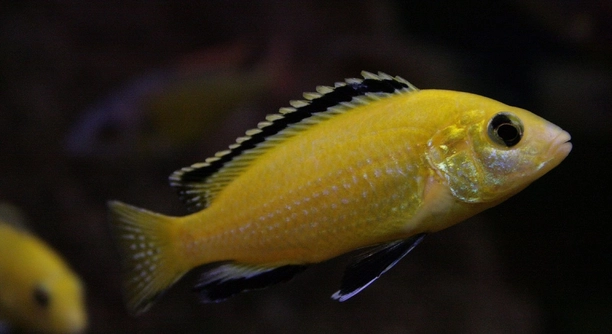
Have you ever noticed how certain fish display small behaviors that seem oddly charming yet slightly confusing, especially when you observe electric yellow cichlids grooming with careful attention in their bright aquatic world each day.
Electric yellow cichlids engage in unusual grooming habits rooted in territorial instincts, social structure, and environmental cues. These behaviors include substrate picking, fin nipping, body scraping, and pairing rituals that support communication, stress reduction, and maintenance of their vibrant condition.
These small routines reveal how their grooming patterns reflect comfort, stability, and subtle expression within their calm underwater world today.
Habit 1: Substrate Picking
Electric yellow cichlids often show a strange habit of picking at the substrate with slow, repeated motions that seem gentle yet focused. I notice this behavior most when the tank is calm and the lighting is soft. They move small bits of sand or gravel around as if arranging their space with quiet care. This grooming action helps them remove tiny particles that settle on their scales while also keeping their living area clean enough for their comfort. Even though the behavior looks simple, it reflects how sensitive they can be to their surroundings. When I watch them do this, it feels like they are settling themselves, almost like a small tidy routine they rely on throughout the day. Over time, I learned that this behavior also reduces stress and keeps their color bright, making it an important part of how they maintain their overall condition in their daily care.
This simple habit supports their comfort by keeping debris from building up on their bodies and settling in their space. It also encourages steady movement that helps them stay calm. Watching this behavior reminds me how small actions can shape the balance they depend on every day in life today.
Another strange grooming habit appears when they nip lightly at each other during calm moments. I have seen this happen when they are relaxed and not defending territory. The nipping looks delicate, almost like they are checking each other’s condition with small taps. This behavior helps remove loose scales and tiny bits of debris that collect during the day. It may seem odd at first, but it shows how they support each other’s well being in a gentle way. Over time I realized it also strengthens their social comfort, giving them a steady pattern they follow when they feel secure together.
Habit 2: Fin Cleaning Rituals
Electric yellow cichlids often clean their fins by brushing them against smooth surfaces with slow, steady motions. I see this behavior most when the tank is peaceful. It helps remove tiny particles, supports healthy movement, and keeps them feeling settled in their space throughout their quiet daily routine each evening.
Fin cleaning might look simple, but it serves several important purposes for electric yellow cichlids. When they glide along rocks or smooth decorations, they release small particles that gather on their fins during the day. I notice this most after feeding or when they have been exploring busy areas of the tank. The gentle brushing keeps their fins clear so movement stays easy and smooth. It also helps prevent small irritations that can develop when debris builds up. Over time I realized this grooming habit supports their confidence because clean fins allow them to swim without resistance. Their motions become more fluid and relaxed, which makes the entire tank feel calmer. This behavior also reduces stress since it gives them a predictable routine they rely on whenever the environment shifts or becomes active. They use this action to reset themselves, creating a stable rhythm that helps them manage changes. Watching them focus on this small task makes it clear how much they depend on tiny habits to stay comfortable. Even though the behavior seems repetitive, it reveals how carefully they maintain their bodies with slow movements that match their peaceful nature, giving them steady comfort in their daily life today.
Habit 3: Body Scraping
Electric yellow cichlids often scrape their bodies against smooth surfaces to clear tiny particles that gather on their scales. I notice this most after feeding or when the tank becomes active, and it helps them stay comfortable without showing signs of stress in their space.
Body scraping supports their health by removing debris that settles on their sides during daily activity. When they slide along rocks or decorations, they release small particles that could cause irritation if left in place. I usually see this behavior when they are adjusting to light changes or settling down after exploring the tank. It helps them maintain clean scales and steady movement.
This habit also seems to give them a small sense of control when the environment shifts. I notice they do it more when the water flow increases or when they sense slight changes around them. The gentle scraping lets them reset their bodies and feel balanced. Over time, watching this behavior made it clear how much they rely on simple actions like this to maintain calm in their daily routine. It keeps them focused, steady, and comfortable.
Habit 4: Pair-Checking Touches
Electric yellow cichlids show a grooming habit where paired fish give light touches along each other’s sides. I see this happening most when they feel secure. These touches help them check for loose scales and maintain calm around each other during quiet moments.
Pair-checking touches support their bond by helping them stay aware of each other’s condition without tension. When they glide next to one another with soft movements, it clears tiny particles and keeps each fish relaxed. I notice this more in stable environments with low stress. It also helps maintain clean scales and smooth movement.
This behavior becomes more frequent when the pair feels settled. They rely on it to maintain trust and ease while sharing their space. Over time I realized how meaningful these touches are because they keep their routine steady and prevent small irritations from developing. It shows how much comfort they draw from simple interactions that support their well being.
Habit 5: Sand Sifting
Electric yellow cichlids often sift sand through their mouths to clear small particles from their gills. I notice this most during calm moments when they want to keep their breathing clear and their space clean without creating too much disturbance around them.
This habit also helps them manage stress by giving them a repetitive action that feels steady. When they sift sand slowly, it removes debris that builds up during feeding and movement. I see this behavior increase when the tank becomes slightly busier or when they want to settle themselves.
Habit 6: Gentle Fin Flaring
Electric yellow cichlids flare their fins gently to loosen small particles that gather along the edges. I notice this behavior when they finish exploring or after interacting with other fish. The slow flaring clears tiny bits that cling to their fins and keeps their movement soft and smooth. It also signals comfort rather than tension. Over time I learned this small motion helps them feel centered, especially when the tank flow shifts or the lighting changes. The steady rhythm of the flaring supports their balance and keeps them relaxed.
Habit 7: Slow Circle Passes
Electric yellow cichlids often swim in slow circles near smooth surfaces to release debris from their sides. I usually see this when they want to reset their bodies and maintain a calm rhythm during their daily routine.
FAQ
Why do electric yellow cichlids pick at the substrate so often?
They pick at the substrate to remove tiny particles that settle on their scales and in their environment. I notice it mostly during calm moments or after feeding. This behavior helps them feel more comfortable and keeps their living space tidy, reducing stress in subtle ways.
Is fin nipping harmful for the fish?
Fin nipping is usually gentle and not harmful. I often see it between paired fish as a way to maintain clean fins and remove small debris. It also supports social bonds and shows that they are relaxed and comfortable around each other.
Why do they scrape their bodies against rocks?
Body scraping is a simple method for cleaning off particles that may irritate their skin or fins. When I watch them glide along smooth surfaces, it seems like a way for them to reset themselves. This behavior also helps keep scales healthy and reduces minor stress.
Do these grooming habits indicate good health?
Yes, frequent and calm grooming habits often show the fish are healthy. When I see steady substrate picking, fin cleaning, or body scraping, it usually means they feel safe and are maintaining their scales, fins, and color properly. Any sudden reduction could signal discomfort or illness.
Why do some pairs touch each other gently?
Pair-checking touches are a social grooming habit. They lightly tap each other’s sides to remove loose scales and maintain comfort. I notice this mostly in tanks with calm conditions. It’s a small routine that strengthens their connection and helps them feel secure together.
Do electric yellow cichlids need specific surfaces for scraping or flaring?
Yes, smooth rocks, decorations, or tank walls help them perform these grooming habits effectively. When I provided flat or rounded surfaces, I noticed they flared fins or scraped bodies more often, which helps keep debris off and supports calm movement.
How does sand sifting benefit them beyond cleaning?
Sand sifting not only clears particles from their gills but also keeps them mentally engaged. I often observe this behavior after feeding. The repetitive motion provides a sense of control and reduces stress, keeping their routine balanced and predictable.
Are slow circle passes normal behavior?
Slow circle passes are a natural way for cichlids to release debris from their sides and maintain steady movement. I usually notice it when the tank is quiet. It also seems to help them regain a sense of balance after activity or changes in the tank environment.
Can these habits prevent illnesses?
Grooming habits indirectly help prevent illnesses by keeping scales, fins, and gills clean. I have seen fish that regularly perform these routines stay vibrant and active. These small behaviors reduce irritations, potential infections, and stress, contributing to long-term health and comfort.
Do these habits change with tank conditions?
Yes, water quality, space, and tank activity influence how often they groom. I noticed they pick, scrape, or flaring more frequently in clean, calm tanks. Crowded or stressful conditions can reduce grooming, so monitoring these behaviors helps gauge their comfort level and well-being.
How can I encourage these grooming behaviors?
Providing smooth surfaces, clean sand, and a calm environment encourages grooming. I keep water conditions stable and decorations accessible for scraping and flaring. Watching them engage in these habits shows they feel safe, relaxed, and supported in their environment.
Do all electric yellow cichlids show these habits?
Most cichlids display some form of grooming, but intensity and style vary with personality, pairings, and environment. I have seen shy fish pick substrate quietly while bold ones flare fins more often. Observing individual differences helps understand their preferences and comfort levels.
Is frequent grooming a sign of stress or illness sometimes?
Excessive or frantic grooming can indicate irritation, parasites, or poor water conditions. I learned to watch for sudden changes in frequency or behavior. If it seems urgent or aggressive, checking tank parameters and health is important to prevent potential problems.
How long do these grooming sessions last?
Sessions vary from a few seconds to several minutes. I often see cichlids repeat actions multiple times throughout the day, especially during calm periods. These small routines provide steady maintenance without tiring them, contributing to a balanced daily pattern in their environment.
Can I touch my cichlids while they groom?
It’s best to avoid disturbing them. I noticed that gentle observation works fine, but direct interference can interrupt their routine. Allowing them to complete grooming naturally ensures they remain comfortable, relaxed, and stress-free while maintaining their scales, fins, and social comfort.
Final Thoughts
Electric yellow cichlids have a range of grooming habits that may seem strange at first, but they are an important part of how these fish maintain their health and comfort. I have spent time observing these behaviors and found that each one serves a clear purpose. From substrate picking to slow circle passes, every small action helps them keep clean, reduce stress, and maintain their bright color. These routines are not just random movements; they are carefully repeated actions that give the fish a sense of stability and control over their environment. Over time, I noticed that the more peaceful and well-structured the tank, the more consistent these behaviors become. It is interesting to see how even minor changes in the tank, such as adding a smooth rock or adjusting water flow, can influence how often they groom themselves or interact with each other. Watching them perform these actions quietly is a reminder that even small habits can have a big impact on overall well-being.
One thing I realized is that grooming behaviors are closely linked to their social interactions and environmental comfort. Pair-checking touches and gentle fin flaring are not only cleaning mechanisms but also ways the fish communicate and reinforce social bonds. I often observed that fish in calm, low-stress conditions display these behaviors more frequently, while stressed or crowded fish may skip them entirely. This made me appreciate the importance of providing a stable, clean, and thoughtfully arranged tank. Even small details, like giving them enough space to perform substrate picking or including smooth surfaces for scraping and flaring, can enhance their quality of life. These habits are not merely aesthetic or entertaining; they are functional behaviors that support both physical health and emotional balance. Observing them helped me understand how subtle actions can indicate comfort, stress, or general health, making it easier to care for the fish effectively.
Finally, electric yellow cichlids show that consistency in small daily routines matters a lot. I learned that paying attention to these habits can help detect early signs of health issues or environmental stress. When the fish perform substrate picking, fin cleaning, or sand sifting regularly, it often means they feel safe and supported. Conversely, sudden changes in these behaviors can indicate something needs attention, such as water quality, diet, or tank conditions. Watching them maintain these routines quietly over time emphasizes the value of observing their natural behaviors closely. These grooming habits provide insight into how the fish interact with their surroundings and with each other. In my experience, understanding and supporting these behaviors makes caring for electric yellow cichlids easier and more rewarding. It allows me to create a calm, stable environment where they can thrive, and it gives me a deeper appreciation for the small, everyday actions that keep them healthy and comfortable.

Hello,
If you enjoy the content that we create, please consider saying a "Thank You!" by leaving a tip.
Every little bit helps us continue crafting quality advice that supports the health, happiness, and well-being of pets around the world, for pets of all shapes, sizes, and species.
We really appreciate the kindness and support that you show us!