
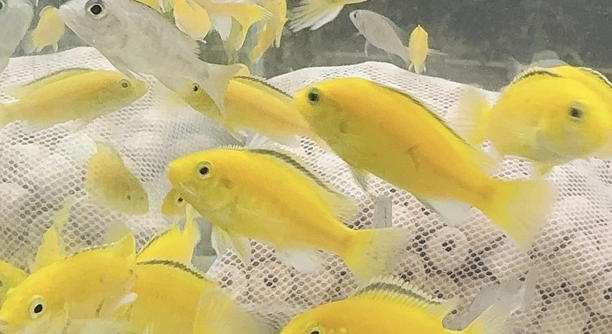
Is your electric yellow cichlid spending more time hiding than swimming? Many owners notice their fish becoming less active without understanding why. These changes can be subtle but may indicate important issues in their environment or health.
A primary reason electric yellow cichlids show reduced activity is due to water conditions. Poor water quality, incorrect temperature, or improper pH levels can stress the fish, leading to lethargy, decreased appetite, and limited swimming, affecting overall health and behavior.
Understanding these common causes can help you identify problems early and improve your cichlid’s environment. Small adjustments often make a big difference in restoring their energy and well-being.
Poor Water Quality
If your electric yellow cichlid isn’t active, one of the main issues could be water quality. High levels of ammonia, nitrites, or nitrates can make the tank unsafe and stressful. Even small changes in water chemistry can affect behavior. Regular testing and partial water changes help keep these levels in check. Chlorine or other chemicals in tap water can also harm your fish, so always treat new water before adding it to the tank. Proper filtration is essential, but cleaning the filter too aggressively can remove beneficial bacteria. The tank should be cleaned consistently but carefully. Maintaining the right water parameters ensures your cichlid remains active and healthy. Overcrowding the tank can also worsen water conditions, making it hard for fish to swim freely. Paying attention to these factors can drastically improve your fish’s behavior.
Keeping water clean and balanced allows your cichlid to swim comfortably and reduces stress. Healthy water encourages normal activity and feeding habits.
Proper water management is more than just cleaning. Testing the water weekly for ammonia, nitrites, and nitrates helps you catch issues before they affect your fish. Adjusting pH gradually prevents sudden shocks. Temperature is also important; electric yellow cichlids prefer slightly warmer water, around 75-82°F. Using a heater with a reliable thermometer helps maintain a steady temperature. Filters should be cleaned carefully to retain beneficial bacteria that break down waste. Overfeeding can also harm water quality, so feed small portions that your fish can finish quickly. Observing your cichlid’s behavior after water changes can show how sensitive they are to the environment. A well-maintained tank not only keeps water parameters safe but also creates a space where your fish can explore, swim, and interact naturally. Small daily or weekly efforts make a noticeable difference in energy levels.
Lack of Proper Nutrition
Improper diet can lead to lethargy in electric yellow cichlids. Feeding them low-quality or inconsistent food reduces energy and overall vitality.
Feeding a balanced diet of flakes, pellets, and occasional live or frozen food ensures they get essential nutrients. A mix of protein and vegetable matter supports growth, color, and activity. Avoid overfeeding, which can pollute the water and cause digestive problems. Fish need variety to stay healthy, and observing their eating habits can reveal issues early.
A poor diet can quietly affect your cichlid’s behavior. Some fish may hide or remain still if they are not receiving enough vitamins and minerals. Providing a consistent feeding schedule helps regulate energy and encourages normal swimming patterns. Supplements or occasional treats like brine shrimp or bloodworms add interest and nutrition. Even minor changes in diet can revive their activity. Ensuring proper feeding also supports their immune system, making them less prone to illness. Watching your cichlid’s energy levels after dietary improvements shows how quickly nutrition impacts behavior. Consistency and variety are key to keeping them lively and healthy.
Stress from Tank Mates
Electric yellow cichlids can become stressed when housed with aggressive or incompatible fish. Stress reduces swimming activity and can lead to hiding or loss of appetite.
Stress in the tank often comes from overcrowding or territorial disputes. Cichlids are naturally territorial, and placing too many fish in one tank increases aggression. Even non-aggressive fish can cause tension if the space is too small. Providing hiding spots with rocks or decorations helps reduce stress. Observing interactions can reveal which fish are causing tension. Sometimes separating aggressive individuals or adjusting tank layout improves behavior. Stress not only affects activity but can weaken the immune system, making your fish more prone to illness.
Signs of stress include rapid breathing, clamped fins, and lethargy. Maintaining proper territories and giving each fish room to explore is essential. Introducing peaceful tank mates and monitoring behavior regularly can prevent constant stress. Plants, caves, or barriers can create safe zones. Stress management supports normal activity, feeding, and overall health. Even minor adjustments to the tank environment can significantly reduce stress, helping your electric yellow cichlid regain energy. Creating a calm, balanced space is key to active, happy fish.
Inadequate Lighting
Electric yellow cichlids need consistent lighting to maintain activity. Too little or irregular light can disrupt their natural rhythm and reduce movement.
Proper lighting supports normal behavior and helps maintain a healthy sleep-wake cycle. A tank with a predictable light schedule encourages swimming, exploration, and feeding activity. LED lights or full-spectrum bulbs provide adequate brightness without overheating. Avoid placing the tank in direct sunlight, which can stress the fish and cause temperature fluctuations. Consistent day and night periods help regulate activity levels and prevent lethargy.
Lighting also enhances color and overall health. Fish are more likely to feed actively and swim when the environment is well-lit. Gradually dimming lights in the evening simulates natural sunset, reducing sudden stress. Adjusting lighting to mimic natural cycles benefits both behavior and immune function. Proper lighting complements other care aspects like diet, water quality, and tank setup. Monitoring your fish’s response to light changes helps identify issues early. Maintaining a consistent and suitable lighting schedule keeps your cichlid lively and engaged.
Disease or Illness
Lethargy in electric yellow cichlids can be caused by illness. Parasites, bacterial infections, or fungal growths often make fish hide and swim less.
Early detection is important. Look for faded colors, clamped fins, or abnormal swimming. Treating infections promptly prevents serious health decline and restores normal activity.
Poor Tank Size
A small or overcrowded tank limits swimming space and can make electric yellow cichlids inactive. Crowding increases stress and reduces natural behavior. Providing enough room allows them to swim freely, establish territories, and remain healthy, supporting normal energy levels and activity throughout the day.
Low Oxygen Levels
Low oxygen in the water can make your cichlid sluggish. Poor aeration or high stocking density reduces dissolved oxygen, directly impacting energy and swimming patterns. Ensuring proper filtration, adding air stones, and maintaining moderate fish density improves oxygen levels and encourages normal activity.
Water Temperature Fluctuations
Sudden or frequent changes in water temperature can stress electric yellow cichlids, making them less active. Maintaining a stable temperature within their preferred range supports consistent swimming, feeding, and overall health. Sudden drops or spikes can cause lethargy and increase susceptibility to illness.
Why is my electric yellow cichlid hiding most of the time?
Hiding is a common response to stress, poor water quality, or illness. Electric yellow cichlids feel safer when they have rocks, caves, or plants in the tank. If hiding becomes constant, it can indicate environmental issues, aggression from other fish, or health problems that need attention. Observing water parameters and tank mates helps identify the cause.
How can I tell if my cichlid is stressed?
Signs of stress include clamped fins, faded colors, rapid breathing, erratic swimming, or lack of appetite. Stress often comes from poor water conditions, overcrowding, or incompatible tank mates. Providing a stable environment, proper tank setup, and hiding spots helps reduce stress and encourages normal behavior.
What should I feed my electric yellow cichlid to boost activity?
A balanced diet is key. High-quality cichlid pellets or flakes should be supplemented with occasional live or frozen foods, such as brine shrimp or bloodworms. Vegetables like spinach or peas can support digestion and energy. Feeding small, frequent meals keeps energy levels consistent without polluting the tank.
Can water quality alone cause inactivity?
Yes. Ammonia, nitrites, and nitrates that are too high can weaken a cichlid and reduce activity. Maintaining regular water testing, partial water changes, and proper filtration ensures a safe environment. Even minor fluctuations in pH or temperature can make fish less active.
How much space does an electric yellow cichlid need?
They need at least 30 gallons for one or two fish. Larger tanks reduce aggression and provide enough swimming room. Overcrowding causes stress, hiding, and lethargy. Adding decorations and hiding spots helps create territories, which encourages natural activity.
Does lighting affect my cichlid’s energy?
Yes. Electric yellow cichlids are more active under consistent lighting. A regular day-night cycle encourages feeding and exploration. Too little light or sudden changes can confuse them and reduce activity. LED or full-spectrum bulbs work best, and indirect natural light is ideal.
Can diseases cause inactivity even if water and diet are fine?
Absolutely. Parasites, bacterial infections, or fungal issues can make cichlids lethargic. Watch for unusual spots, fin damage, or clamped fins. Prompt treatment with proper medications can restore activity. Quarantining sick fish prevents spreading illness to others in the tank.
Is tank decoration important for activity?
Yes. Rocks, caves, and plants provide hiding spaces and reduce stress, which encourages swimming and exploration. Open areas allow normal movement, while structured spaces let cichlids establish territories. Both are essential for healthy behavior and energy.
How often should I check water temperature?
Daily monitoring is best. Electric yellow cichlids prefer 75-82°F. Sudden changes can cause lethargy and stress. Using a reliable thermometer and stable heater ensures consistent conditions, supporting normal swimming and feeding patterns.
What if my cichlid remains inactive despite all care?
Persistent inactivity may signal underlying health problems that are not immediately visible. Consulting a vet or experienced aquarist can help diagnose issues. Checking for subtle signs of disease, reviewing diet, and ensuring tank conditions are optimal often leads to improvement in energy and behavior.
This FAQ provides practical solutions to common inactivity problems, helping ensure your electric yellow cichlid remains lively, healthy, and well-adjusted in its tank. Proper observation and care make a noticeable difference over time.
Caring for an electric yellow cichlid requires attention to several factors that affect its energy and behavior. Water quality is one of the most important aspects. Maintaining proper pH, temperature, and low levels of ammonia, nitrites, and nitrates ensures a safe environment. Even small changes in water chemistry can make a fish less active, so regular testing and careful water changes are necessary. Filters should be cleaned gently to retain beneficial bacteria that help break down waste. Overcrowding can also reduce activity, so giving each fish enough space is important. Observing the tank daily helps spot early signs of stress or illness, allowing timely adjustments.
Nutrition plays a key role in keeping cichlids active. Feeding a balanced diet of high-quality pellets or flakes, along with occasional live or frozen foods, provides necessary protein and nutrients. Vegetables, like peas or spinach, support digestion and overall health. Overfeeding can pollute the water and lead to lethargy, so small, frequent meals are better than large portions. Watching your fish’s appetite can reveal underlying issues, and gradual improvements in diet often lead to increased activity. Variety in feeding keeps fish interested and encourages natural swimming and exploration behaviors. A consistent feeding schedule also helps regulate energy levels.
Other factors that influence activity include tank setup, lighting, and stress management. Providing hiding spots, caves, and decorations allows electric yellow cichlids to establish territories and feel secure, reducing stress that can lead to inactivity. Consistent lighting with a clear day-night cycle helps regulate natural behavior. Monitoring tank mates and avoiding aggressive or incompatible fish prevents constant stress. Illness and disease should be addressed quickly with observation and appropriate treatment. By carefully managing water, diet, environment, and stress, your electric yellow cichlid can remain active, healthy, and vibrant. Paying attention to these details ensures long-term well-being and allows you to enjoy the natural energy and color of your fish.

Hello,
If you enjoy the content that we create, please consider saying a "Thank You!" by leaving a tip.
Every little bit helps us continue crafting quality advice that supports the health, happiness, and well-being of pets around the world, for pets of all shapes, sizes, and species.
We really appreciate the kindness and support that you show us!