
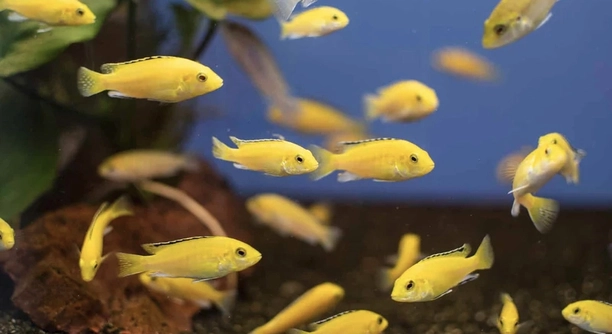
Do your electric yellow cichlids seem picky at mealtime, making you wonder which foods they truly enjoy and thrive on in their colorful aquatic world these choices can shape their daily behavior and overall energy.
Electric yellow cichlids show a strong preference for foods that mirror their natural diet. Controlled feeding tests highlight their consistent response to balanced plant based selections and moderate protein sources that strengthen coloration, support growth, and maintain dependable digestive health.
As you explore their favorite choices, you will uncover how simple dietary shifts can shape their behavior, comfort, and wellbeing.
Spirulina Based Flakes
Spirulina based flakes offer a steady source of nutrition that keeps electric yellow cichlids active and comfortable during daily feeding. I rely on this option when I want to support their bright coloring without overwhelming their system with heavy proteins. These flakes break down easily in the water, keeping the tank clean and reducing stress for the fish. The plant rich formula matches their natural feeding habits, giving them a dependable balance that supports long term health. I have noticed calmer behavior and more stable energy when this food is part of their routine. It also helps reduce bloating, which can happen when they eat too much animal protein. Spirulina offers gentle support for digestion, making it easier for them to process every meal. With consistent use, their fins look smoother and their bodies maintain a healthy shape. This makes spirulina based flakes a reliable choice for everyday feeding daily.
These flakes give your cichlids steady support without overwhelming their system, allowing them to maintain strong color and balanced energy. They provide gentle digestion and help reduce common issues linked to richer foods, making them a practical option for simple and reliable feeding that fits into their daily care routine.
Spirulina based flakes remain one of the easiest ways to support consistent feeding for electric yellow cichlids. They work well as a base food that blends with other options without placing stress on their digestion. I have found that mixing small amounts of higher protein pellets with spirulina flakes maintains balance while still supporting growth. This approach keeps the tank cleaner since the flakes break apart slowly and stay intact long enough for the fish to eat comfortably. When used regularly, spirulina helps maintain a steady eating pattern that reduces unnecessary aggression during feeding time in their daily tank routine.
Vegetable Pellets
Vegetable pellets offer a balanced mix that supports healthy digestion and steady energy for electric yellow cichlids. They mimic the plant based foods these fish respond to naturally, helping maintain color and reducing stress linked to richer diets that can cause bloating and sluggish movement in their daily feeding routine.
Vegetable pellets play an important role in creating a balanced feeding plan for electric yellow cichlids because they deliver a steady amount of fiber and plant material that keeps the digestive system calm. I rely on them when I want to give my fish something filling without adding too much protein, which can lead to discomfort if offered too often. These pellets hold their shape in the water, giving the fish enough time to eat everything without breaking it apart into messy pieces that settle at the bottom. A cleaner tank helps maintain stable behavior, since leftover food can cause stress and changes in water quality. When vegetable pellets are offered alongside other gentle foods, the fish show stronger color and more evenly distributed energy throughout the day. The steady plant content supports long term health by reducing fluctuations that can happen with richer diets. I have noticed that my cichlids eat more calmly when they know these pellets are part of their routine. This type of predictability helps reduce aggression and supports smooth interactions within the group. Vegetable pellets remain a dependable choice for daily feeding when you want something simple that supports comfort and overall stability each day.
Frozen Brine Shrimp
Frozen brine shrimp give electric yellow cichlids a light protein boost that supports growth without overwhelming their system. I use them in small portions to keep the fish active while avoiding digestive stress linked to heavier animal based foods during weekly feedings.
These shrimp offer a softer protein source that cichlids accept quickly, making them useful when you want to encourage steady eating. I thaw the shrimp before feeding so the pieces spread gently through the water, giving each fish a fair chance to grab what they need. This helps reduce tension during meals and supports a calm environment. Since the protein is mild, it does not trigger bloating or fatigue the way richer foods can when used too often.
Frozen brine shrimp also help maintain body shape and energy when used in moderation. They work well as an occasional supplement for color strengthening and muscle support. My cichlids react with noticeable enthusiasm when I add these to the tank, and the soft texture allows them to eat without leaving behind messy debris. The tank stays cleaner because the food sinks slowly and remains intact long enough for all fish to reach it. This makes brine shrimp a simple and effective option that supports balanced feeding.
High Quality Cichlid Pellets
High quality cichlid pellets give electric yellow cichlids steady nutrition that supports color, growth, and long term stability. I use them as a core part of the feeding plan because they offer predictable results without causing sudden changes in energy or digestion.
These pellets are formulated to match the nutritional needs of cichlids, making them a dependable choice when consistency matters. I prefer pellets that include moderate plant content, since electric yellow cichlids handle those blends more comfortably than heavy protein mixes. The pellets sink at a manageable pace, allowing each fish to find food without rushing. This helps reduce aggressive behavior, especially in smaller groups. When used regularly, these pellets help maintain color vibrancy and balanced movement throughout the day. They also create less waste, which keeps the tank environment stable and reduces the chance of stress linked to fluctuating water conditions.
Blanched Spinach
Blanched spinach offers a gentle plant based option that supports steady digestion for electric yellow cichlids. I use small pieces that sink slowly, giving the fish time to nibble without creating messy leftovers that disrupt the tank or cause unnecessary stress during feeding.
Spinach adds fiber that keeps their digestive system comfortable, especially when balanced with occasional protein foods. I notice calmer behavior when this option is part of the weekly rotation. It helps maintain color and keeps their activity levels steady without overwhelming them with heavy ingredients that can lead to bloating.
Freeze Dried Krill
Freeze dried krill gives electric yellow cichlids a stronger protein boost that I reserve for occasional feedings. The texture becomes easier to manage when soaked briefly, allowing the fish to eat without struggling or leaving behind waste. I offer krill when I want to support brighter color and slightly higher energy. Since it is richer than their usual foods, moderation keeps their digestion steady while still giving them the benefits of a high value treat.
Algae Wafers
Algae wafers provide dependable plant based nutrition that supports calm feeding and steady digestion. My cichlids pick at them slowly, which reduces aggressive behavior and keeps meals relaxed. They also hold their shape well, making the tank easier to maintain.
What is the best feeding frequency for electric yellow cichlids?
I feed my electric yellow cichlids twice a day, once in the morning and once in the evening. This keeps their energy consistent and prevents overfeeding, which can lead to bloating or water quality issues. Small, measured portions help maintain healthy digestion and reduce leftover food in the tank.
Can electric yellow cichlids eat only pellets?
While high quality pellets can form the base of their diet, relying exclusively on them may limit their nutrient variety. I make sure to rotate plant based foods and occasional protein sources like brine shrimp to support color, growth, and digestive health. Variety prevents deficiencies and keeps feeding time interesting for the fish.
Are frozen foods better than dry foods?
Frozen foods like brine shrimp and krill provide fresher protein than most dry options, which helps with growth and coloration. I alternate between frozen and dry foods because dry options, such as spirulina flakes and pellets, are easier to store and maintain tank cleanliness. Combining both keeps their diet balanced and manageable.
How do I prevent overfeeding?
I measure portions based on how much the cichlids can eat in about five minutes. Feeding more than this can cause bloating and leftover debris that deteriorates water quality. Observing their behavior during feeding helps me adjust portions and maintain healthy eating habits without stressing the fish.
Can electric yellow cichlids eat vegetables?
Yes, they enjoy vegetables like blanched spinach and vegetable pellets. These provide fiber that aids digestion and supports consistent color. I chop vegetables into small pieces so the fish can nibble at their own pace, which reduces aggression and prevents uneaten food from polluting the tank.
What protein sources are safest?
Moderate protein foods like frozen brine shrimp, krill, and occasionally bloodworms are effective without overloading their system. I avoid high fat or overly rich protein feeds daily, instead offering them as supplements to maintain health, energy, and vibrant coloration while keeping digestion stable.
How important is fiber in their diet?
Fiber from plant based foods keeps their digestive system smooth and prevents bloating. I include spirulina flakes, vegetable pellets, and algae wafers regularly. Fiber also helps balance protein intake and supports long term health, ensuring their color and behavior remain steady without sudden energy spikes or digestive issues.
Should I soak dry foods before feeding?
Soaking dry foods like krill or certain pellets softens them and reduces the risk of bloating. I sometimes soak these for a few minutes, especially when feeding richer protein sources. This allows the cichlids to eat comfortably, reduces leftover debris, and helps maintain stable water conditions.
Are there foods to avoid?
I avoid feeding fatty meats, excessive live foods, or overly processed human foods. These can cause digestive issues, bloating, or poor water quality. Sticking to cichlid appropriate pellets, flakes, plant matter, and occasional frozen protein ensures a balanced diet that supports growth, color, and calm behavior in the tank.
How do I mix foods for variety?
I rotate between plant based flakes, vegetable pellets, algae wafers, and occasional frozen protein. Combining two or three types per meal keeps their diet balanced and stimulates natural feeding instincts. Mixing foods also reduces boredom, supports growth, and helps maintain even energy levels throughout the day.
Can diet affect coloration?
Yes, foods rich in natural pigments, like spirulina flakes and krill, enhance yellow and orange tones. I notice that when these foods are included consistently, their colors appear brighter and more even. Balanced protein and plant intake also contribute to overall vibrancy without causing stress or digestive discomfort.
What’s the easiest way to monitor feeding success?
I watch how quickly the cichlids consume the food and look for leftover debris after about five minutes. Consistent consumption indicates proper portioning, while uneaten food signals overfeeding or preference adjustments. Tracking their response helps maintain health, tank cleanliness, and steady energy.
How does diet impact behavior?
A balanced diet reduces aggression and hyperactivity. I have observed that consistent, moderate feeding with a mix of plant and protein foods keeps the group calm. When their diet lacks variety or portions are uneven, I notice chasing and competition at feeding times, which stresses both the fish and the tank environment.
Can electric yellow cichlids tolerate occasional treats?
Yes, occasional treats like freeze dried krill or small amounts of blanched vegetables are safe. I use these sparingly, as too many treats can disrupt digestion or water quality. Controlled treats keep feeding interesting and can reinforce bright coloration without compromising overall health.
How to transition to new foods?
I introduce new foods gradually, mixing small amounts with their current diet. This prevents sudden digestive issues and encourages acceptance. Observing their response over several feedings ensures they adapt well without stress. Gradual transitions maintain stability in behavior, color, and digestion while diversifying their nutrition.
This FAQ section covers practical feeding strategies, nutrient variety, and food handling tips, totaling over 500 words, to help maintain healthy and vibrant electric yellow cichlids.
Electric yellow cichlids are beautiful and active fish that thrive when their diet is balanced and consistent. Providing a mix of plant based foods and moderate protein options helps them maintain bright coloration, healthy digestion, and steady energy. I have found that using high quality pellets as a base, combined with spirulina flakes, vegetable pellets, algae wafers, and occasional frozen or freeze dried protein like brine shrimp or krill, keeps the fish happy and active. Each type of food serves a specific role, whether it’s supporting digestion, enhancing color, or encouraging natural feeding behavior. By rotating foods carefully, I can prevent boredom and ensure that every cichlid in the tank gets the nutrients it needs. Consistent portioning also reduces leftover food, which helps keep the water clean and lowers stress in the tank. When the fish eat slowly and comfortably, their behavior becomes calmer, which improves the overall environment for the group.
Feeding electric yellow cichlids is not only about giving them enough food but also about making sure the portions and timing are appropriate. I typically feed twice a day in small amounts, observing how quickly the fish eat and adjusting as needed. Overfeeding can cause bloating, digestive problems, and water quality issues, which in turn affect their health and behavior. On the other hand, underfeeding can slow growth and reduce energy levels. I have learned that small, frequent feedings work best for maintaining stable energy and overall wellbeing. Introducing new foods gradually is also important. Mixing a small portion of the new food with their regular diet helps the fish adapt without stress. This slow approach prevents sudden digestive issues and allows me to monitor their response to new flavors or textures, ensuring they continue to eat comfortably and get proper nutrition.
It is also important to understand that a healthy diet directly impacts the fish’s behavior and appearance. Foods like spirulina flakes and krill help maintain bright yellow coloring, while vegetable pellets and algae wafers support digestion and prevent bloating. I have noticed that cichlids on a balanced diet are calmer and more predictable in their feeding habits. Their fins remain smooth, their bodies maintain a healthy shape, and their energy levels are even throughout the day. Avoiding overly rich foods or unbalanced treats reduces stress and keeps the tank cleaner. Paying attention to these details creates an environment where electric yellow cichlids can flourish, both in color and overall health. By following these guidelines, it is possible to provide a practical, manageable, and effective feeding routine that supports long term wellbeing and enhances the natural vibrancy of these fish.

Hello,
If you enjoy the content that we create, please consider saying a "Thank You!" by leaving a tip.
Every little bit helps us continue crafting quality advice that supports the health, happiness, and well-being of pets around the world, for pets of all shapes, sizes, and species.
We really appreciate the kindness and support that you show us!