
Do you ever notice your electric yellow cichlid behaving differently around its tank? Many owners observe subtle changes in color, behavior, and movement when their fish is preparing to breed. Recognizing these signs can be rewarding.
Electric yellow cichlids exhibit breeding behaviors through color intensification, territorial displays, and nest preparation. Males may chase others, clean surfaces, and perform courtship rituals, while females show readiness by adopting specific postures and guarding chosen sites for eggs.
Understanding these early behaviors can help you support your fish properly and ensure a healthy breeding environment for your cichlids.
Increased Color Intensity
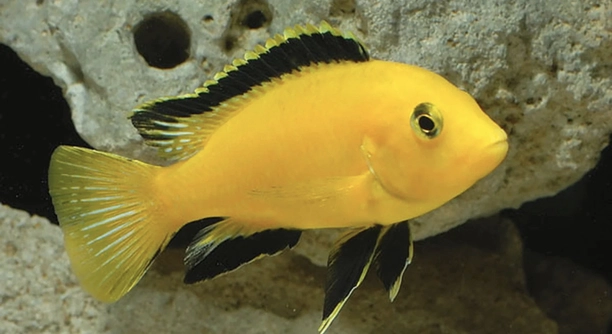
When electric yellow cichlids enter breeding mode, their colors become brighter and more vivid. Males usually show the most noticeable change, with a deeper yellow that stands out against the tank. This shift is not just for show; it signals readiness to females and establishes dominance over other males. Female cichlids may also display slightly enhanced coloration, although it is more subtle. Observing these changes can help you identify which fish are actively preparing to breed. The brighter the color, the higher the likelihood that mating behaviors are beginning. This visual cue is one of the easiest indicators to notice without interfering with your fish. It’s important to ensure that the tank environment remains stable during this time, as stress can reduce the intensity of their colors and hinder breeding behavior. Keeping consistent water parameters helps your cichlids feel safe and supported.
Color brightness is a reliable sign your cichlid is ready to breed.
Watching their colors intensify gives insight into their health and readiness, making it easier to manage the tank and anticipate breeding activities.
Territorial Behavior
Electric yellow cichlids become more territorial when preparing to breed. They may chase other fish away and defend specific areas in the tank.
During breeding, males claim spots such as caves or flat surfaces for egg laying. They patrol these areas constantly, ensuring no other fish intrude. Females also show some territorial tendencies when guarding potential nest sites. Aggressive displays can include tail flicks, gill flaring, and head-down posturing. This behavior is normal but should be monitored to prevent injuries. Providing hiding spots and visual barriers in the tank can reduce stress for other fish. The intensity of territorial behavior often correlates with the fish’s readiness to spawn. Understanding these actions allows you to arrange the tank effectively, ensuring that dominant males have adequate space while less aggressive fish remain safe. Proper observation during this phase helps maintain harmony in a breeding environment and supports the natural reproductive process of your electric yellow cichlids.
Nest Preparation
Electric yellow cichlids start cleaning and preparing surfaces for eggs. They often pick flat rocks or smooth areas and remove debris to make them suitable for spawning.
They scrape and clean chosen surfaces repeatedly, ensuring there are no obstacles for the eggs. Males may carry small bits of gravel or substrate in their mouths and move them aside. This behavior signals readiness to females and helps establish a safe, clean site for reproduction. Nest preparation can take several days, and both males and females participate in the process, though males are usually more active. Watching these actions gives clear insight into the imminent breeding phase.
Providing smooth, stable surfaces like slate or large flat stones can encourage proper nest preparation. Cichlids are more likely to breed successfully when their chosen sites are secure, clean, and undisturbed. Maintaining consistent water conditions and limiting sudden tank changes helps them focus on nesting without stress.
Courtship Displays
Males perform specific movements and postures to attract females. These include flaring fins, head shaking, and gentle nudging.
Courtship displays are consistent and repeat over hours or days. The male swims around the tank, circling the female and showing off his bright colors. Sometimes he points toward the nest or nudges her gently to inspect the site. Females may respond by hovering nearby or following him to the prepared area. These behaviors strengthen the pair’s bond and indicate mutual readiness. Observing courtship is useful for confirming which fish are likely to spawn and helps you anticipate breeding activity.
A supportive tank environment enhances these behaviors. Clear water, stable temperature, and minimal disturbances allow both males and females to engage fully in courtship. Removing aggressive or overly curious tankmates prevents stress, which can disrupt displays. Courtship is a delicate balance of visual, behavioral, and spatial cues, and careful observation ensures the pair can complete the process naturally and safely. Proper lighting and gentle water flow also help the fish feel comfortable, encouraging more pronounced and frequent displays, increasing the likelihood of successful breeding.
Increased Aggression
Males often become more aggressive toward other fish when in breeding mode. They chase intruders and defend their chosen area, ensuring no one interferes with their nesting space.
Females may also show mild aggression near the nest. This helps protect eggs and ensures the safety of their future fry.
Egg Laying Behavior
Females begin laying eggs on the prepared surfaces once they feel safe and ready. They carefully place each egg in small clusters, often returning to clean the surface before adding more. Males follow, fertilizing the eggs immediately after they are laid. The process continues until the female has deposited her full clutch. Constant supervision by both parents is typical, with males guarding the area and females fanning the eggs to provide oxygen and remove debris. Observing this behavior is a clear sign that your cichlids are actively breeding and that the environment supports successful reproduction.
Egg Guarding
Both parents protect the eggs by fending off other fish and guiding them around the nest.
How do I know if my electric yellow cichlid is ready to breed?
You can tell by observing changes in color, behavior, and activity. Males usually become brighter yellow and more territorial. They may chase other fish and clean surfaces for nests. Females often hover near prepared sites and respond to males with attentive movements. Both sexes show increased interest in specific areas of the tank.
How long does the breeding process take?
Breeding can take several days to a week. Nest preparation begins first, with males cleaning surfaces and establishing territory. Courtship displays follow, lasting hours or even days as the male encourages the female to inspect the site. Egg laying is typically completed in one session, but parents continue guarding and fanning eggs for several more days until hatching occurs.
Do I need a special tank setup for breeding?
Yes, providing hiding spots, flat rocks, or slate for egg laying helps. Clear water and stable temperature reduce stress and encourage nesting. Avoid sudden changes in lighting or water flow, as cichlids are sensitive during breeding. Dividers or extra visual barriers can reduce conflicts with other tankmates.
Should I separate the parents after spawning?
It is usually unnecessary unless aggression toward other fish becomes extreme. Electric yellow cichlids naturally guard their eggs and fry, and removing them can cause stress. Monitor the tank closely, and only intervene if fighting threatens their safety. Providing enough space and hiding spots can prevent most conflicts.
How can I care for the eggs and fry?
Parents will typically fan and protect the eggs to provide oxygen and remove debris. Avoid disturbing the tank during this time. After hatching, fry can feed on fine foods such as crushed flakes or specialized fry food. Gradually introduce more substantial foods as they grow. Consistent water quality is critical for healthy development.
What signs indicate problems during breeding?
Watch for excessive aggression that injures fish or unexplained loss of eggs. Fading colors or disinterest in the nest may indicate stress or illness. Poor water quality, sudden temperature changes, or overcrowding are common causes. Prompt action can help protect both adults and offspring.
Can all electric yellow cichlids breed in captivity?
Most will breed if they are mature, healthy, and provided the right environment. Males typically mature around six months, and females slightly later. Proper diet, tank conditions, and compatible pairings increase the chances of successful spawning. Not every pair will breed immediately, so patience is important.
How do I encourage my cichlids to breed faster?
Maintain stable water conditions, a balanced diet, and proper tank setup. Bright lighting and flat surfaces for egg laying encourage natural behaviors. Observing their interactions allows you to ensure compatibility and intervene minimally. Avoid stressing the fish with excessive handling or frequent water changes.
What should I do if the parents eat the eggs?
This can happen due to stress, inexperience, or insufficient hiding places. Providing flat rocks, caves, or other secure sites reduces risk. In some cases, removing the eggs and using a separate hatching tank may be necessary. Observe behavior and adjust conditions to improve success.
How many fry can I expect?
Clutch size varies, typically between 50 and 200 eggs depending on age, health, and tank conditions. Parents will carefully tend to most of the eggs, but some losses are natural. Providing optimal water quality and adequate hiding spots increases survival rates for the fry.
Breeding electric yellow cichlids can be a fascinating experience if you pay attention to their behavior and needs. These fish display several clear signs when they are ready to breed, including brighter coloration, territorial behavior, nest preparation, and courtship displays. Observing these signals closely allows you to identify which fish are ready and helps you create an environment that supports natural breeding. Each behavior has a purpose, from guarding the nest to attracting a mate, and recognizing these actions makes it easier to manage your tank. Consistent water quality, adequate space, and suitable surfaces for nesting are all essential factors in encouraging successful breeding. Even subtle changes, like a slight increase in color brightness or a small area being cleaned repeatedly, are meaningful cues that your cichlids are entering breeding mode. Being patient and observant allows you to respond appropriately without disturbing the fish, which is crucial for maintaining their health and ensuring a smooth breeding process.
Providing a supportive tank environment is key to helping electric yellow cichlids breed successfully. Males require space to display territorial behavior and perform courtship displays, while females need safe and clean areas to lay eggs. Using flat stones, slate, or other stable surfaces for nests encourages natural egg-laying behaviors. Parents typically guard and fan their eggs to keep them healthy, and minimal interference from outside factors helps them focus on this process. Proper nutrition also plays an important role in breeding readiness. Feeding a balanced diet with high-quality foods ensures that both males and females are strong, healthy, and capable of producing viable eggs. By maintaining consistent lighting, water temperature, and tank conditions, you reduce stress on the fish and increase the likelihood of successful spawning. Observing their interactions carefully can give you insights into which fish pairings are most compatible, helping you plan for the best possible outcomes.
Breeding electric yellow cichlids is not always predictable, and some pairs may take time before they successfully spawn. However, understanding their behaviors and responding to their needs can make the process much more manageable. Avoid overhandling or sudden changes to the tank, as stress can delay or prevent breeding. Even if initial attempts are not entirely successful, the information gained from watching their behaviors can help you adjust the environment and improve conditions for future breeding. Patience, attention, and proper care are the most important factors in supporting your cichlids through their reproductive cycle. By focusing on their natural behaviors, ensuring they have a suitable habitat, and maintaining stable water conditions, you give your electric yellow cichlids the best chance to reproduce successfully. This careful approach allows you to witness their breeding behaviors while promoting the health and well-being of both the adults and their future fry.

Hello,
If you enjoy the content that we create, please consider saying a "Thank You!" by leaving a tip.
Every little bit helps us continue crafting quality advice that supports the health, happiness, and well-being of pets around the world, for pets of all shapes, sizes, and species.
We really appreciate the kindness and support that you show us!