
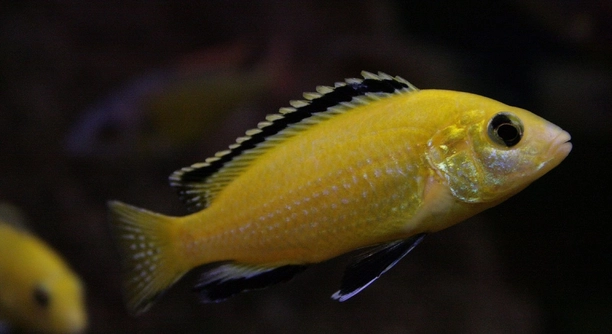
Keeping Electric Yellow Cichlids healthy starts with understanding their feeding needs. These bright, active fish require proper nutrition and routine, which can feel overwhelming for beginners managing a home aquarium. Feeding them correctly sets a strong foundation.
Electric Yellow Cichlids should be fed two to three small meals per day. Overfeeding can lead to water quality issues and health problems, while consistent portions maintain their growth, color, and overall wellbeing in a controlled aquarium environment.
Getting the timing and portions right can greatly impact your fish’s health and the clarity of your tank water. Proper feeding habits form the base of a thriving aquarium environment.
Understanding Electric Yellow Cichlid Diet
Electric Yellow Cichlids are omnivores that thrive on a varied diet. They need a mix of high-quality cichlid flakes, pellets, and occasional live or frozen foods like brine shrimp or bloodworms. Feeding them too much protein can cause digestive issues, so balancing plant-based options such as spirulina or vegetable flakes is important. Consistent feeding times help reduce stress and maintain their bright yellow coloration. Overfeeding can lead to water pollution, which may affect their health. Observing their behavior during feeding is helpful; active, eager fish are usually healthy. Uneaten food should be removed to prevent decay and maintain water clarity. Some cichlids prefer grazing throughout the day, so smaller, frequent portions often work better than one large meal. Feeding should match their size and age, adjusting as they grow to ensure proper nutrition. Maintaining this balance helps keep your cichlids vibrant and active over time, supporting both their growth and overall aquarium stability.
Proper feeding supports their energy levels and color. Avoid large meals that can foul the tank.
Electric Yellow Cichlids may nibble throughout the day, so offering small portions encourages natural behavior. Over time, this approach prevents obesity and keeps water clean. Using a timer or consistent schedule helps maintain their routine. Watching their response to different foods also informs dietary adjustments. A balanced mix of pellets, flakes, and occasional live foods keeps them healthy while adding variety. Removing leftovers promptly prevents decay, which can harm both fish and water quality. Adjust portions as fish grow to meet their changing needs. Feeding is not just about quantity but timing, consistency, and nutrition to ensure long-term health. Small, frequent meals are better than infrequent large ones, reducing stress and promoting a calmer aquarium environment.
Signs of Overfeeding
Overfeeding can lead to bloating and lethargy in cichlids. Fish may float near the surface or hide more than usual.
Consistently feeding too much causes ammonia spikes in the tank. This stresses fish, encourages algae growth, and can create long-term health problems. Overfed fish may also develop digestive issues or swim bladder disorders. Keeping portions small and removing uneaten food promptly prevents these problems. Observing behavior after meals helps identify potential issues early. A simple practice is to feed only what your cichlids can finish within two to three minutes, twice or three times daily. If leftovers remain, reduce future portions to match appetite. Overfeeding is a common mistake among beginners, but careful observation and portion control make it manageable. Ensuring proper diet and quantity supports growth, color, and energy, keeping the tank environment stable. Regular water testing complements feeding practices, maintaining optimal conditions. Feeding habits directly affect health, so adjusting amounts based on fish size, activity, and water quality is essential for long-term success. Proper portion management protects both the fish and aquarium ecosystem.
Best Feeding Schedule
Feeding Electric Yellow Cichlids two to three times a day in small portions prevents overfeeding. Spreading meals throughout the day keeps them active and reduces stress while maintaining water quality.
A good routine is morning, midday, and late afternoon. Each feeding should last no longer than two to three minutes, giving the fish enough time to eat without leaving excess food to decay. Observe how much they consume each time and adjust portions accordingly. Younger cichlids need slightly more frequent feedings, while adults thrive on fewer, controlled meals. Maintaining a consistent schedule also helps establish natural behaviors and improves overall tank harmony. Using a timer or setting reminders can help maintain this rhythm reliably.
Some owners divide daily portions into even smaller meals to mimic natural grazing. This method encourages more active feeding behavior and prevents sudden spikes in ammonia from leftover food. Adjusting feeding schedules during breeding or stress periods can also support their health. Regular observation and minor adjustments ensure that feeding practices match the needs of all tank inhabitants.
Choosing the Right Food
High-quality cichlid flakes or pellets form the base of a healthy diet. Supplementing with occasional frozen or live foods adds protein and variety.
Pellets should be appropriately sized for the fish’s mouth to prevent choking and ensure proper digestion. Flakes often contain added vitamins to enhance color, while frozen foods like brine shrimp offer extra nutrition. Feeding a mix of these options ensures balanced growth and supports immune health. Vegetable-based foods, including spirulina flakes, provide fiber and aid digestion, reducing the risk of bloating or constipation. Rotating food types weekly keeps meals interesting and encourages healthy eating habits. Avoid cheap fillers that can harm water quality or lead to nutrient deficiencies. Choosing foods specifically formulated for African cichlids optimizes health and coloration over time.
Consistency in food quality and portion control prevents many common health issues. Overfeeding protein-rich foods can stress the digestive system, while plant-based options help maintain balance. Observing how cichlids respond to different foods informs future choices. Some fish may prefer certain textures, so mixing flake, pellet, and frozen foods helps ensure all fish receive adequate nutrition. Feeding should be tailored to their size, activity level, and tank conditions. Keeping a routine and adjusting food types as needed promotes vibrant coloration, energy, and overall well-being. Proper selection and rotation of foods is essential for maintaining a thriving aquarium.
Avoiding Overfeeding
Overfeeding leads to bloated fish, poor water quality, and algae growth. Limiting portions and feeding only what they can finish in a few minutes prevents these problems.
Using a small feeding cup or portioning pellets by hand makes it easier to control amounts. Observing their appetite helps adjust future feedings effectively.
Signs Your Cichlids Are Hungry
Hungry Electric Yellow Cichlids become more active during feeding times, often swimming quickly near the surface or around decorations. They may chase food eagerly and compete for pellets. Consistent behavior like this indicates they are receiving enough nutrition and are in good health. Watching feeding responses helps maintain proper portion sizes and prevents over- or underfeeding. Recognizing these signals allows timely adjustments to feeding schedules and ensures all fish in the tank get enough food.
Treats and Supplements
Occasional treats like bloodworms or brine shrimp add variety. They should be given sparingly to avoid digestive issues.
FAQ
How many times a day should I feed my Electric Yellow Cichlids?
Feeding them two to three times daily is ideal. Small, frequent meals prevent overfeeding and help maintain water quality. Younger cichlids may need slightly more frequent feedings, while adults can thrive on fewer, controlled portions. Consistency in timing also encourages natural behaviors and keeps them active.
What types of food are best for Electric Yellow Cichlids?
High-quality cichlid flakes or pellets should form the base of their diet. Supplementing with frozen or live foods like brine shrimp, daphnia, or bloodworms adds extra protein. Including plant-based options, such as spirulina or vegetable flakes, provides fiber for digestion and supports healthy growth and color. Rotating food types weekly prevents boredom and ensures balanced nutrition.
Can I overfeed my cichlids?
Yes. Overfeeding is a common problem that can lead to bloating, lethargy, poor water quality, and algae growth. Feed only what your fish can finish in two to three minutes per meal. Remove uneaten food promptly and adjust future portions according to their appetite. Observing behavior during feeding helps prevent overfeeding.
How do I know if my cichlids are hungry?
Hungry cichlids become noticeably active during feeding times. They swim near the surface, chase food eagerly, and compete for pellets. Watching these behaviors lets you gauge their appetite and adjust portion sizes if needed. Consistent activity and eagerness at meal times usually indicate a healthy feeding routine.
Should I feed live foods regularly?
Live foods should be offered occasionally, not as a primary diet. They provide extra protein and stimulate natural hunting behavior but can cause digestive issues if overused. Frozen or prepared options are safer for daily feeding. Treats like bloodworms or brine shrimp add variety without overwhelming their digestive system.
How do I handle leftover food in the tank?
Uneaten food should be removed promptly to prevent decay and ammonia spikes. Leaving leftovers can pollute water and stress fish. Using a small feeding cup, portioning food carefully, and observing how much your cichlids consume helps maintain clean water. Regular water testing complements good feeding practices.
Can diet affect coloration?
Yes, diet directly impacts the bright yellow color of Electric Yellow Cichlids. Foods enriched with carotenoids or spirulina enhance coloration. Overfeeding protein or poor-quality foods can dull their color, while a balanced diet with variety helps maintain vibrancy and overall health.
How much should I feed each cichlid per meal?
Feed only the amount they can consume in two to three minutes. This prevents overfeeding, keeps water quality stable, and ensures each fish gets adequate nutrition. Adjust portions based on age, size, and activity level. Frequent observation helps maintain the correct amount for all tank inhabitants.
Do cichlids need a break from feeding?
Occasional fasting for a day can help their digestive system and prevent bloating. Skipping one meal is safe for healthy adults. It also encourages them to be more active during feeding times and reduces the risk of overfeeding.
Are there signs of nutritional deficiency?
Pale color, slow growth, lethargy, or abnormal behavior may indicate dietary issues. Providing a balanced mix of protein, plant-based foods, and occasional live or frozen treats helps prevent deficiencies. Monitoring behavior and color regularly ensures your cichlids stay healthy and energetic.
Can feeding schedules change with breeding?
Yes. During breeding, cichlids may require slightly smaller, more frequent meals. Proper nutrition supports egg development and fry growth. Reducing overfeeding is critical during this period to maintain water quality and overall tank health. Adjustments should be gradual to prevent stress.
How do I introduce new foods to my cichlids?
Introduce new foods slowly, mixing small amounts with their regular diet. Watch their response to ensure acceptance and digestion. Sudden changes can stress fish or cause digestive upset. Gradual transitions help maintain both nutrition and feeding consistency.
Is it okay to feed frozen foods directly from the freezer?
No. Thaw frozen foods before feeding to prevent digestive shock and uneven temperature in the tank. Rinse if needed to remove excess water. Feeding at the right temperature ensures your cichlids can consume food safely and efficiently.
Can feeding frequency impact tank cleanliness?
Yes. More frequent, smaller meals reduce leftover food and ammonia spikes, keeping water cleaner. Overfeeding or infrequent large meals can pollute the tank and increase maintenance. Proper scheduling and portion control are key for both fish health and aquarium stability.
Do cichlids need supplements?
Supplements like vitamins or carotenoid boosters are useful if your diet lacks variety. High-quality flakes and pellets often include these nutrients, but occasional additions can enhance coloration and immune health. Avoid excessive supplementation to prevent imbalances or water contamination.
How long should I observe my fish during feeding?
Watching for two to three minutes is sufficient to assess consumption and behavior. This allows adjustment of portions, identification of hunger signals, and early detection of health issues. Observation also helps prevent overfeeding and ensures all fish receive adequate nutrition.
Can tank size affect feeding needs?
Yes. Larger tanks dilute waste but may require more precise portioning for multiple fish. Smaller tanks accumulate waste quickly, making careful measurement and removal of uneaten food essential. Feeding practices should always consider tank size, fish number, and water circulation.
Are treats necessary?
Treats are optional but beneficial for enrichment and variety. They should be given sparingly and not replace staple foods. Occasional live or frozen treats support natural behaviors and provide extra protein without compromising water quality or daily nutrition.
What is the best way to measure portions?
Portion by hand or using a small feeding cup. Observe how much your fish consume within two to three minutes. Adjust amounts based on their appetite and behavior to prevent leftovers and maintain water quality. Consistency ensures all fish are properly nourished.
How does stress affect feeding?
Stressed fish may eat less or become aggressive during meals. Stress can result from poor water quality, overcrowding, or sudden changes. Maintaining a proper feeding schedule, stable water parameters, and appropriate tank environment helps reduce stress and supports consistent feeding behavior.
Can I feed them human food?
Avoid feeding human food. It often lacks proper nutrients and can pollute water. Stick to high-quality flakes, pellets, and occasional live or frozen options specifically formulated for cichlids. This ensures balanced nutrition and reduces health risks.
How long does it take to establish a feeding routine?
Consistency over a week or two usually establishes a stable routine. Fish learn to expect food at specific times, which reduces stress and encourages active, healthy behavior. Monitoring appetite and adjusting portions helps solidify the schedule for long-term success.
What should I do if my cichlids refuse food?
Refusal may indicate stress, illness, or poor water quality. Check tank parameters, observe behavior, and offer varied foods. If the problem persists, consult with an aquarium professional. Minor changes or temporary fasting often reset appetite without harming the fish.
Can diet affect breeding success?
Yes. Balanced nutrition with protein and plant-based foods improves egg quality, fry survival, and overall reproductive health. Feeding during breeding should be adjusted to smaller, frequent meals while avoiding overfeeding to maintain water quality. Proper diet is key to successful breeding outcomes.
Is it necessary to adjust diet as fish grow?
Absolutely. Juveniles need more frequent meals and higher protein for growth, while adults require slightly fewer feedings with balanced nutrition. Observing size, activity, and appetite ensures dietary adjustments match their changing needs over time. Growth and health depend on proper feeding at each life stage.
How does water temperature affect feeding?
Warmer water increases metabolism, so fish may eat more often. Cooler water slows digestion, requiring smaller portions. Adjusting feeding based on tank temperature helps prevent overfeeding or underfeeding and maintains overall health and energy levels.
What is the best approach to prevent digestive issues?
Feed small, balanced meals, mix protein and plant-based foods, and avoid overfeeding. Occasional fasting can help, and removing uneaten food promptly prevents water contamination. Monitoring behavior ensures their digestive system remains healthy. Proper diet and portion control reduce bloating and constipation risks.
Are there differences in feeding males and females?
Females may require slightly more nutrients during egg development, while males benefit from steady, balanced feedings. Adjustments should be minor, focusing on overall health and growth. Observing behavior and appetite allows proper portioning for both genders.
How can I track food intake effectively?
Observe consumption at each meal, noting how much is eaten in two to three minutes. Keep records if needed to adjust portions or track appetite changes. Proper monitoring prevents overfeeding and ensures all fish get enough nutrition.
Do tank mates affect feeding habits?
Yes. Aggressive or faster fish may outcompete others, leading to uneven intake. Distribute food evenly and observe all fish to ensure each receives adequate nutrition. Adjust portions or feeding locations to reduce competition. Proper planning prevents stress and nutritional imbalances.
Is it okay to feed at night?
Feeding at night is possible if fish are active, but most cichlids prefer daylight hours. Maintaining a consistent schedule that matches their natural activity helps support digestion, reduces waste, and encourages normal behavior. Avoid sudden changes in feeding times.
How important is portion size for water quality?
Portion size directly affects water cleanliness. Excess food decays, increasing ammonia and nitrate levels. Proper measurement ensures efficient consumption and reduces maintenance. Small, controlled portions prevent spikes in waste and help maintain a stable, healthy environment for all fish.
Can feeding tools improve routine?
Yes. Feeding cups, tweezers, or automatic feeders help control portions and ensure consistent timing. They prevent overfeeding and make monitoring easier, especially in tanks with multiple fish or varied diets. These tools support a more efficient and healthy feeding routine.
What role does fiber play in their diet?
Fiber from plant-based foods aids digestion, prevents constipation, and balances protein intake. Including spirulina or vegetable flakes supports gut health and reduces the risk of bloating, ensuring the cichlids remain active and maintain bright coloration.
How long can they go without food safely?
Healthy adults can fast for one day without harm. Temporary fasting may aid digestion and prevent bloating. Extended periods without food should be avoided, as this can stress fish and affect energy levels. Short fasting is a useful tool when necessary.
Are there specific feeding tips for fry?
Fry require finely crushed flakes or specialized micro-foods multiple times per day. Small, frequent meals support rapid growth and prevent water contamination. Monitoring consumption and adjusting portions as they grow ensures proper nutrition and reduces mortality.
What is the best way to introduce new tank mates to feeding?
Feed new fish separately at first or ensure multiple feeding spots. This prevents aggression and guarantees all fish receive adequate nutrition. Gradually integrate feeding routines once fish are comfortable, reducing stress and maintaining proper portions for everyone.
How do I know if I am feeding too little?
Signs include persistent searching for food, thin bodies, dull coloration, or lethargy. Adjust portion size gradually until normal activity and growth are observed. Consistency and observation prevent underfeeding and maintain long-term health.
Can temperature fluctuations change feeding needs?
Yes. Higher temperatures increase appetite and metabolism, requiring slightly more frequent meals. Cooler water slows digestion, meaning smaller or fewer meals are appropriate. Monitoring tank conditions and adjusting feeding accordingly helps maintain healthy fish and water quality.
How can I keep track of all feeding details?
Maintaining a simple log of meal times, portions, and behavior ensures consistent feeding practices. Notes on new foods, leftover amounts, or unusual behavior help fine-tune diet and portioning. Regular tracking supports a stable and healthy tank environment.
Is it necessary to feed all fish individually in a community tank?
Not always, but observation is key. Faster or aggressive fish may eat more, leaving others underfed. Distributing food in multiple spots or feeding smaller groups ensures all fish receive adequate nutrition. Adjusting techniques prevents competition and supports overall health.
How often should I change the type of food?
Rotating foods weekly or biweekly ensures a balanced diet and prevents boredom. Mixing pellets, flakes, and occasional frozen or live foods maintains nutrition, supports digestion, and enhances coloration. Consistency with rotation improves overall fish health.
Can feeding habits prevent diseases?
Yes. Balanced portions, proper food types, and consistent schedules reduce stress, improve immune function, and prevent obesity. Healthy feeding practices complement clean water and regular maintenance, reducing the likelihood of disease outbreaks.
Are automatic feeders a good idea?
Automatic feeders provide consistent portions and timing, especially during vacations. They must be calibrated correctly to avoid overfeeding. They are useful tools but still require occasional observation to ensure all fish are eating adequately.
What should I do if one fish eats more than others?
Separate feeding spots or hand-feeding can help. Monitor behavior and adjust portions to prevent over- or underfeeding. Ensuring all fish receive appropriate amounts maintains health and reduces stress.
Do seasonal changes affect feeding?
Yes. Higher temperatures may increase appetite, while cooler periods slow digestion. Adjust meal frequency and portion sizes according to water temperature and fish activity. Regular observation ensures feeding remains appropriate throughout the year.
Can overfeeding hide health problems?
Yes. Overfed fish may appear active while underlying illness goes unnoticed. Balanced portions help reveal changes in behavior or appetite, allowing early detection of potential health issues. Controlled feeding improves overall monitoring and fish care.
How do I balance protein and plant-based foods?
A mix of protein-rich foods and plant-based options ensures growth, digestion, and coloration. Too much protein can cause bloating, while too little may slow growth. Aim for balanced portions to support overall health and energy levels.
What is the recommended portion size for fry vs adults?
Fry require very small, frequent meals multiple times per day. Adults need larger, less frequent portions, usually finished in two to three minutes. Adjust quantities as fish grow, monitoring appetite and behavior to maintain optimal nutrition for all life stages.
Can feeding influence aggression?
Yes. Competition over food can increase aggression. Providing multiple feeding areas, small portions, and consistent schedules reduces conflict and ensures all fish eat adequately. Proper feeding management helps maintain a peaceful tank environment.
Are there signs of over-supplementation?
Cloudy water, unusual growths, or digestive issues may indicate too many vitamins or boosters. Supplements should complement, not replace, a balanced diet. Moderation is key to prevent water quality problems or nutrient imbalances.
How does fish size affect feeding frequency?
Smaller, younger fish eat more often due to higher metabolism and growth needs. Larger adults require less frequent meals but still benefit from controlled portions. Adjusting feeding based on size ensures proper nutrition without overloading the tank.
Can I mix different brands of pellets or flakes?
Yes, mixing brands is acceptable if they are all high-quality and suitable for African cichlids. Variety ensures balanced nutrition, but sudden switches should be gradual to avoid stress or digestive upset. Observation is important during transitions.
What role does observation play in feeding?
Watching your fish during meals helps identify appetite, health issues, and portion accuracy. It ensures all fish eat adequately and allows timely adjustments to feeding practices, supporting both nutrition and tank stability.
How do I handle picky eaters?
Offer a mix of flake, pellet, and occasional live or frozen foods. Sometimes feeding smaller amounts multiple times encourages consumption. Observation and gradual introduction of new foods usually resolve pickiness without compromising nutrition.
Can feeding habits influence breeding behavior?
Yes. Proper nutrition supports egg production, fry health, and mating behavior. Consistent feeding schedules, balanced diet, and occasional protein-rich treats promote reproductive success. Adjusting feeding during breeding periods is essential for optimal results.
How do I prevent leftover food from polluting the tank?
Feed small portions, remove uneaten food promptly, and observe consumption. Using feeding cups or distributing food across the tank ensures minimal waste. Maintaining clean water complements healthy feeding habits and reduces stress.
Is there a difference between feeding in small vs large tanks?
Yes. In large tanks, food spreads out, so multiple feeding spots may be needed. Small tanks require careful portion control to prevent ammonia spikes. Adjust feeding methods based on tank size and number of fish to maintain balance.
Can feeding schedules affect behavior outside mealtime?
Consistent feeding routines promote predictable, active behavior and reduce stress. Irregular schedules can make fish aggressive, anxious, or lethargic. A structured feeding plan supports overall health and encourages natural patterns in the tank.
Are there benefits to fasting one day per week?
Fasting helps prevent digestive issues and reduces bloating. One day without food is safe for healthy adults and encourages more active feeding during regular meals. It also reduces leftover food and maintains water quality.
What is the best way to adjust feeding for multiple fish?
Observe each fish’s appetite and distribute food in multiple locations. Adjust portions to account for faster or more aggressive eaters. Monitoring consumption ensures all fish receive adequate nutrition while preventing overfeeding.
Can feeding frequency be reduced in cooler temperatures?
Yes. Lower metabolism in cooler water slows digestion. Feeding smaller portions less often prevents leftover food from polluting the tank while meeting nutritional needs. Observing activity helps determine the proper adjustment.
How do I know if my feeding routine is effective?
Healthy coloration, consistent growth, normal behavior, and minimal leftover food indicate an effective routine. Regular observation, adjusting portions, and maintaining clean water ensures your cichlids remain active and well-nourished.
Are treats necessary for all cichlids?
Treats are optional but beneficial for enrichment and variety. They should be given sparingly and not replace staple foods. Occasional live or frozen treats support natural behaviors and provide extra protein without compromising water quality or daily nutrition.
How important is portion control?
Portion control is crucial. Overfeeding can cause water pollution and health problems, while underfeeding can stunt growth and reduce energy. Observing consumption and adjusting amounts ensures balanced nutrition and a stable tank environment.
Can feeding impact lifespan?
Yes. Balanced, controlled feeding supports growth, immune function, and overall health, contributing to a longer, healthier life. Overfeeding, poor nutrition, or irregular schedules can shorten lifespan due to stress or disease.
Is hand-feeding better than automatic feeders?
Hand-feeding allows close observation and portion control but requires daily attention. Automatic feeders provide consistency, especially when away, but must be calibrated to avoid overfeeding. Both methods work if monitored properly.
What is the role of fiber in their diet?
Fiber aids digestion, prevents constipation, and balances protein intake. Plant-based foods like spirulina or vegetable flakes ensure gut health, reduce bloating risk, and maintain energy and coloration. Including fiber is essential for overall health.
How do I adjust feeding for stressed fish?
Reduce portions slightly and maintain consistent schedule. Observe behavior and water quality.
Feeding Electric Yellow Cichlids correctly is an essential part of keeping them healthy and vibrant. Overfeeding or underfeeding can lead to health problems, poor water quality, and stress for the fish. Small, consistent meals two to three times a day provide them with the nutrition they need while preventing leftover food from polluting the tank. Younger cichlids may require slightly more frequent feedings to support rapid growth, while adults thrive on controlled portions that match their activity levels. By paying attention to how much food your cichlids consume at each meal, you can adjust portions to maintain a healthy balance and ensure all fish are getting adequate nutrition. Removing uneaten food promptly is also key to preventing water contamination and keeping your aquarium clean.
Choosing the right type of food is just as important as the feeding schedule. High-quality flakes or pellets specifically designed for African cichlids form the base of a balanced diet. Adding occasional frozen or live foods like brine shrimp or bloodworms provides extra protein and encourages natural feeding behaviors. Plant-based options such as spirulina flakes or vegetable-based foods supply fiber that aids digestion and prevents bloating. Rotating different types of food regularly helps maintain a well-rounded diet, supports vibrant coloration, and keeps the fish interested during mealtime. Observation is important during this process. Watching how your cichlids respond to various foods allows you to identify preferences, adjust portions, and ensure all fish are eating adequately. A healthy diet combined with proper feeding routines plays a central role in overall fish health and longevity.
Maintaining a structured feeding routine also benefits the tank environment. Overfeeding can quickly lead to water pollution, increased ammonia levels, and algae growth, which affects both the fish and the clarity of the aquarium. Consistent timing and portion control reduce these risks while supporting natural behaviors and activity levels. Occasional fasting can even be beneficial for digestion and preventing bloating. Monitoring fish behavior, appetite, and general health over time allows for small adjustments to feeding routines, ensuring the fish continue to thrive. By focusing on balanced nutrition, proper portioning, and consistent schedules, you create a stable environment where Electric Yellow Cichlids remain active, colorful, and healthy for years. Proper feeding is not just about nutrition—it also supports water quality, reduces stress, and encourages long-term well-being in the aquarium.

Hello,
If you enjoy the content that we create, please consider saying a "Thank You!" by leaving a tip.
Every little bit helps us continue crafting quality advice that supports the health, happiness, and well-being of pets around the world, for pets of all shapes, sizes, and species.
We really appreciate the kindness and support that you show us!