
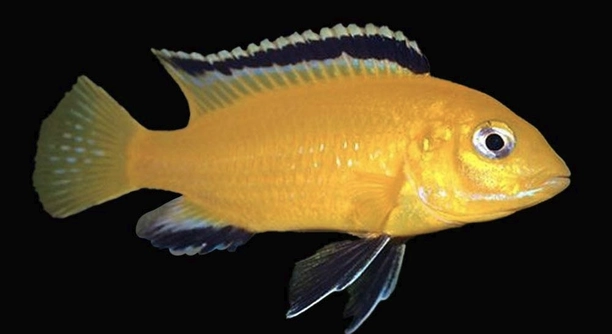
Electric Yellow Cichlids are known for their vibrant colors and lively personalities. While they add energy to any aquarium, their aggressive tendencies can disrupt tank harmony. Understanding why they fight is essential for maintaining a peaceful environment.
Aggression in Electric Yellow Cichlids primarily arises from territorial disputes, dominance hierarchies, overcrowding, improper tank setup, mating behaviors, insufficient hiding spaces, and stress due to inconsistent water conditions. Addressing these factors helps prevent injuries and promotes a balanced, stable aquarium ecosystem.
Recognizing the causes behind their aggression allows owners to implement effective strategies for a healthier, more harmonious tank environment that benefits both the fish and the overall aquatic setup.
Territorial Behavior
Electric Yellow Cichlids are naturally territorial, and they often stake out specific areas of the tank as their own. When another fish enters their space, fights can break out quickly. Providing enough room and visual boundaries can reduce these confrontations. Decorations, rocks, and plants can serve as natural barriers, giving each fish a sense of ownership. Fish that feel crowded or threatened may display aggressive posturing, chasing, or nipping at intruders. Observing how your cichlids interact daily can help you identify trouble spots early. Rearranging the tank occasionally can disrupt fixed territories and prevent prolonged disputes. Over time, cichlids may establish dominance hierarchies, but proper space management ensures these conflicts remain minimal. Ensuring that each fish has a safe retreat area encourages a more peaceful environment. Avoiding overcrowding is crucial, as small tanks amplify aggression. Tank size should correspond with the number and size of your cichlids to maintain harmony and reduce stress-related fights.
Adequate territory allows cichlids to feel secure, which minimizes aggressive interactions and supports a calmer, more balanced tank environment.
When planning a tank layout, consider spacing hiding spots evenly and using vertical and horizontal structures. Rocks, caves, and tall plants not only create boundaries but also simulate a natural environment. This setup reduces direct confrontations and allows timid fish to escape when needed. Observing behavior after rearrangements helps gauge which areas trigger the most conflict. Consistently monitoring interactions ensures that any dominance struggles do not escalate into harmful fights, promoting overall fish health.
Mating and Breeding Aggression
During breeding, males and females exhibit increased aggression to protect eggs and fry. This behavior is instinctual and can be intense, especially in small tanks.
Breeding aggression occurs when cichlids feel their offspring are threatened, prompting them to chase away or nip at other tank inhabitants.
Mating aggression is strongest when eggs are laid, and both parents guard their territory diligently. Females can become more defensive, and males often patrol larger areas to ward off rivals. Providing breeding-specific spaces such as separate tanks or designated caves can prevent harm to other fish. Feeding nutritious, high-quality food helps reduce stress during this period. Observing their behavior allows timely intervention if aggression escalates. In community tanks, it is often best to isolate breeding pairs temporarily. Clear visual separations and additional hiding spots help maintain peace and reduce stress on non-breeding fish. Ensuring water quality remains stable during this period supports both reproduction and overall fish health, keeping aggressive displays controlled and manageable.
Overcrowding
Overcrowding increases stress and triggers fights among Electric Yellow Cichlids. Each fish needs enough space to swim and establish its own territory. Too many fish in a small tank creates constant competition and escalates aggressive behavior, making the environment tense and unsafe for all inhabitants.
A crowded tank prevents cichlids from maintaining personal space, leading to repeated confrontations. Fish are more likely to chase, nip, and dominate weaker individuals when they feel confined. Proper stocking levels, based on tank size and adult fish dimensions, are essential to prevent these conflicts. Overcrowding can also impact water quality, adding stress that amplifies aggression.
Providing enough room for each fish helps maintain a calmer, more stable environment. Spacing hiding spots, rocks, and decorations evenly allows timid fish to retreat, reducing confrontations. Observing interactions in a well-stocked tank ensures dominance struggles remain manageable, promoting the long-term health of the cichlids.
Improper Tank Setup
Incorrect tank setup can provoke aggression and disrupt harmony among Electric Yellow Cichlids. Unstable decorations, lack of hiding spaces, and poor layout contribute to territorial disputes and heightened stress.
A poorly structured tank leaves fish exposed and vulnerable, making them feel threatened and defensive. Without adequate shelters or visual barriers, cichlids are forced into constant competition for space. Rocks, caves, and plants should be arranged to create distinct territories and escape routes. Open swimming areas combined with private zones balance the tank, allowing fish to establish dominance without continuous conflict. Regular maintenance ensures structures remain safe and water conditions stable.
Investing time in designing the tank layout is essential for reducing aggression. Placement of caves and plants should account for fish size and behavior patterns. Tall plants can break line-of-sight, preventing constant confrontation. Heavy rocks must be secured to avoid collapse, which could injure fish. Open areas provide space for free swimming, while multiple hiding spots accommodate timid or subordinate cichlids. Rearranging the layout occasionally prevents territorial stagnation, ensuring all fish adapt to shared spaces. Proper filtration and stable water parameters complement the setup, minimizing stress-induced aggression.
Dominance Hierarchies
Electric Yellow Cichlids establish dominance hierarchies naturally. Higher-ranking fish often chase or nip lower-ranking individuals to assert control. This behavior can lead to stress and minor injuries if left unchecked.
Observing these interactions helps identify dominant fish. Adjusting tank layout or adding hiding spots can reduce the intensity of confrontations and support weaker fish in maintaining safe spaces.
Stress from Water Conditions
Fluctuating water temperature, pH, or poor filtration can increase aggression. Stress makes cichlids more reactive and prone to fighting, affecting their overall health and tank harmony. Maintaining stable water parameters is essential for calm behavior.
Lack of Hiding Spots
Without sufficient shelters, timid cichlids have no escape routes. This leads to prolonged chases and heightened aggression, creating tension in the tank.
Inadequate Feeding
When food is scarce or unevenly distributed, cichlids compete aggressively. Hunger amplifies territorial behavior and triggers fights, making it essential to provide enough food for all fish consistently.
FAQ
Why do Electric Yellow Cichlids fight so much?
Fighting is mainly due to territorial instincts and social hierarchy. These fish naturally claim specific areas of the tank as their own and defend them aggressively. Overcrowding, insufficient hiding spots, and unstable water conditions amplify their aggressive behavior, making conflicts more frequent and intense.
How can I reduce aggression in my tank?
Providing enough space for each fish is essential. Rearranging decorations and adding rocks, caves, and plants create natural boundaries. These allow timid fish to retreat and dominant fish to establish territories without constant confrontation. Maintaining stable water conditions further supports calm behavior.
Is tank size important for preventing fights?
Yes, overcrowding directly increases aggression. Each Electric Yellow Cichlid needs sufficient swimming space to feel secure. Larger tanks reduce competition for territory, lowering stress and limiting conflicts. Overcrowded conditions force repeated encounters, which can injure fish and destabilize the tank.
What role does water quality play in aggression?
Poor or fluctuating water conditions stress fish, making them more reactive. Instability in temperature, pH, or ammonia levels heightens territorial behavior. Maintaining consistent water parameters through regular testing, filtration, and partial water changes keeps cichlids calmer and less likely to fight.
Do breeding behaviors increase aggression?
Yes, during mating, both males and females become highly protective of eggs and fry. They guard their territory, chase away intruders, and can display intense aggression. Providing breeding-specific shelters or isolating pairs temporarily prevents harm to other fish in the tank.
How can I manage aggression during feeding?
Uneven food distribution can trigger fights. Feeding multiple small portions across the tank ensures all fish have access to food, reducing competition. Fast-moving feeders or shy fish benefit from targeted feeding spots near their hiding areas, minimizing conflict.
Are hiding spots really necessary?
Absolutely. Shelters such as caves, rocks, and plants provide safe retreats for subordinate fish. They reduce stress and allow timid individuals to escape persistent chases. Without hiding spots, aggression can escalate, resulting in injuries or constant stress for weaker cichlids.
Can tank rearrangements help reduce fighting?
Yes. Periodically changing the layout disrupts fixed territories and prevents long-term dominance disputes. Fish adapt to new spaces, which balances territorial claims and reduces repeated confrontations, creating a calmer overall environment.
Should I separate aggressive fish?
In extreme cases, isolating highly aggressive individuals may be necessary. Using a quarantine or divider tank can prevent injury while maintaining social balance. Monitoring interactions before separation helps determine whether layout changes or additional shelters might resolve aggression without isolating fish.
How do I know if aggression is becoming harmful?
Signs include visible injuries, constant chasing, or fish hiding excessively. Persistent stress can affect growth, health, and immunity. Intervening by adjusting tank size, layout, or feeding routines is crucial to protect all inhabitants and maintain a stable aquarium.
Can diet influence fighting behavior?
Yes, poor nutrition or insufficient food increases competition. Providing a varied, high-quality diet supports overall health and reduces aggression triggered by hunger. Feeding regularly and in proper amounts ensures all fish remain satisfied and less prone to conflict.
Are Electric Yellow Cichlids naturally aggressive compared to other cichlids?
They are moderately aggressive, especially when establishing territory. While not as violent as some larger cichlid species, their bright colors and active personalities make them more likely to display dominance behaviors in confined spaces. Proper care and tank management mitigate most conflicts.
What is the best way to maintain long-term peace in a tank?
Ensuring adequate space, stable water parameters, sufficient hiding spots, balanced feeding, and occasional rearrangements creates a calm environment. Observing behavior and responding to signs of stress or aggression early maintains harmony, reduces injuries, and supports the overall health of Electric Yellow Cichlids.
Can multiple males coexist peacefully?
It is possible in large tanks with enough territory and hiding spaces. Overcrowding or limited resources will heighten fights, especially among males. Separating dominant individuals or providing visual barriers helps reduce conflicts and allows coexistence with minimal stress.
How often should I monitor tank behavior?
Daily observation is ideal. Watching interactions, noting aggressive patterns, and checking for injuries helps catch problems early. Quick interventions, such as adjusting decorations or feeding practices, prevent minor disputes from escalating into harmful fights.
What environmental factors contribute most to fighting?
Territory, overcrowding, poor water quality, insufficient shelters, and stress all play major roles. Each factor compounds the others, so addressing tank size, layout, feeding, and water conditions together is the most effective way to reduce aggression.
Can adding new fish trigger fights?
Yes, introducing new cichlids disrupts established hierarchies and territories. Gradual introductions using a divider or rearranging the tank can help new and existing fish acclimate, reducing initial aggression and helping them integrate smoothly.
Is it necessary to keep all Electric Yellow Cichlids in groups?
They are social fish but need balance. A small, well-spaced group reduces isolation stress but avoids overcrowding. Careful planning ensures social interaction without triggering constant fights, allowing fish to coexist peacefully.
What’s the most effective long-term strategy to prevent fighting?
Maintaining proper tank size, balanced feeding, structured hiding spots, stable water conditions, and monitoring behavior consistently ensures a peaceful environment. Proactive management of territories, aggression, and stress is key to keeping Electric Yellow Cichlids healthy and harmonious.
Final Thoughts
Electric Yellow Cichlids are vibrant, energetic fish that bring life and color to an aquarium. Their striking yellow tones make them stand out, and their active personalities create constant movement that is visually engaging. However, their natural aggression and territorial instincts can pose challenges for keeping a peaceful tank. Understanding the reasons behind their fighting is key to maintaining a stable and harmonious environment. Factors such as overcrowding, lack of hiding spots, unstable water conditions, and dominance hierarchies all contribute to conflicts. By observing their behavior closely, owners can identify potential stressors early and take proactive steps to prevent serious aggression.
Proper tank setup plays a significant role in reducing fights among Electric Yellow Cichlids. Ensuring there is enough space for each fish, adding rocks, caves, and plants to create boundaries, and arranging decorations to simulate natural territories all help to minimize confrontations. Consistent water parameters and quality are equally important, as stressed fish are more likely to become aggressive. Feeding habits also matter; distributing food evenly across the tank prevents competition and reduces disputes. During breeding periods, separating or providing extra shelters for pairs can protect both eggs and other fish from unnecessary aggression. With these steps, cichlids can coexist more peacefully, and their natural behaviors can be managed without constant intervention.
Long-term success with Electric Yellow Cichlids requires consistent attention and observation. Monitoring interactions, rearranging tank layouts when needed, and maintaining stable water conditions ensures fish remain healthy and reduces tension. Understanding their social structure allows owners to balance dominant and timid individuals effectively. While minor skirmishes are natural, they should not escalate into harmful fights. By prioritizing space, hiding spots, diet, and water stability, it is possible to create an environment where cichlids can display their vibrant colors and lively behaviors without compromising the safety and well-being of the entire tank. Thoughtful care and strategic management are essential to enjoy the full beauty of Electric Yellow Cichlids in a peaceful aquarium setting.

Hello,
If you enjoy the content that we create, please consider saying a "Thank You!" by leaving a tip.
Every little bit helps us continue crafting quality advice that supports the health, happiness, and well-being of pets around the world, for pets of all shapes, sizes, and species.
We really appreciate the kindness and support that you show us!