
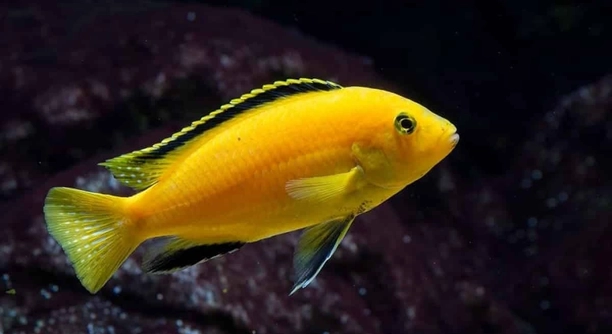
Electric Yellow Cichlids are vibrant and active fish, yet they sometimes retreat into hiding for long periods. Their behavior can be puzzling for aquarists who expect constant movement and bright displays in their tanks, creating concern.
Hiding in Electric Yellow Cichlids usually results from stress, illness, water quality issues, or territorial disputes. Addressing these factors involves proper tank maintenance, monitoring water parameters, ensuring compatible tank mates, and providing adequate shelter to encourage confident and healthy activity.
Understanding why your cichlid hides is essential for its well-being. Recognizing the causes allows you to create a more comfortable and thriving environment for your fish.
Stress from New Environment
Moving to a new tank or recent changes in the aquarium can be overwhelming for an Electric Yellow Cichlid. They are sensitive to shifts in surroundings and need time to acclimate. Sudden changes in water temperature, lighting, or decorations can make them retreat and hide. Stress can also appear if the tank is too small or overcrowded. Providing sufficient space and stable conditions helps reduce anxiety. Observing your fish daily allows you to notice subtle signs of stress early. A consistent feeding schedule and gentle handling also contribute to a more secure environment. Gradually introducing new tank mates or rearrangements can minimize fear and encourage the cichlid to explore more confidently. Even slight improvements in water quality and lighting can create a more welcoming habitat, helping the fish regain its natural activity levels over time. Patience is essential during this adjustment period.
Stress often causes lethargy and lack of appetite, making careful observation crucial.
Providing hiding spots like caves and plants lets the fish feel safer while adjusting, slowly encouraging exploration without pressure.
Poor Water Quality
Dirty or imbalanced water significantly affects an Electric Yellow Cichlid’s behavior. High ammonia, nitrite, or nitrate levels can irritate the fish and force it to seek refuge. Maintaining proper pH, temperature, and hardness is critical. Regular water changes and testing ensure a healthy environment. Filters should be cleaned without disrupting beneficial bacteria. Chlorine and heavy metals must be removed from tap water before adding it to the tank. Uneven temperature can stress the fish, so a stable heater setting is necessary. Overfeeding increases waste, which can worsen water quality and lead to hiding. Watching your fish for signs like gasping, clamped fins, or discoloration helps identify water issues early. Healthy water promotes active swimming, proper feeding, and bright coloration, while poor conditions can cause illness and constant hiding. Simple preventive measures can make a noticeable difference in behavior, overall health, and tank harmony.
Testing water weekly and adjusting as needed ensures long-term stability and prevents sudden behavioral changes.
Territorial Conflicts
Aggression between tank mates can make an Electric Yellow Cichlid hide to avoid confrontation. Dominant fish may chase or nip at others, forcing less assertive fish to retreat. Observing interactions and providing enough space reduces tension.
Separating aggressive individuals or adding dividers can help maintain peace. Rearranging decorations creates new territories, minimizing disputes over established spaces. Hiding spots like caves or plants give shy fish places to feel secure. Ensuring tank size is adequate for all fish helps prevent territorial stress. Consistent monitoring allows you to adjust conditions before conflicts escalate, keeping the environment calmer for all inhabitants.
Tank layout plays a significant role in reducing aggression. Overcrowded tanks intensify disputes, while a balanced arrangement with multiple shelters lets each fish establish a personal area. Careful observation ensures your cichlid spends more time exploring than hiding, promoting healthier interactions.
Illness or Parasites
Behavior changes like hiding often signal health issues. Parasites, infections, or internal problems can make an Electric Yellow Cichlid withdraw from activity. Detecting early signs is critical for treatment.
Look for physical indicators such as clamped fins, faded color, lethargy, or unusual swimming patterns. Quarantining the affected fish prevents the spread of disease. Medication, water adjustments, and improved diet support recovery. Maintaining a clean tank and monitoring water quality helps reduce the likelihood of recurring problems. A proactive approach ensures the fish regains confidence and returns to normal behavior.
Even minor infections can drastically affect activity levels. Ignoring these symptoms may worsen the condition, leading to prolonged hiding or further health decline. Observing your fish daily and acting quickly maintains overall tank health and encourages your cichlid to feel secure again.
Lack of Hiding Spots
Electric Yellow Cichlids need places to feel secure. Without caves, plants, or decorations, they may retreat to corners or remain hidden constantly. Providing multiple shelters encourages exploration and reduces stress, creating a more balanced environment for all fish.
Adding rocks, driftwood, or artificial caves helps establish safe zones. Hiding spots allow shy fish to rest and feel protected while observing their surroundings. A variety of shelters prevents territorial disputes and gives each fish personal space, improving overall activity and reducing anxiety.
Overcrowding
Too many fish in a tank increases stress and competition. Crowded conditions lead to constant hiding, aggression, and uneven access to food. Ensuring proper stocking levels maintains a calmer environment and healthier fish.
Improper Diet
A poor diet affects behavior and energy. Insufficient nutrition can make Electric Yellow Cichlids lethargic, prompting them to hide more frequently. Feeding balanced, high-quality food supports vitality, activity, and overall health.
Why is my Electric Yellow Cichlid hiding most of the day?
Hiding throughout the day is often a response to stress, illness, or environmental changes. Sudden moves, new tank mates, or shifts in lighting can trigger retreating behavior. Ensuring a stable tank, adequate hiding spots, and calm interactions helps the fish regain confidence and return to normal activity.
Can water temperature cause hiding behavior?
Yes, inconsistent or extreme water temperature can stress your cichlid. Electric Yellow Cichlids prefer stable temperatures around 76–82°F. Sudden drops or fluctuations in temperature can make them seek shelter until conditions normalize. Using a reliable heater and monitoring daily is essential.
Do hiding spots prevent my fish from socializing?
Hiding spots provide safety rather than isolation. Shy or stressed fish use these spaces to feel secure before engaging with tank mates. A balanced layout with multiple shelters allows fish to explore, interact, and avoid territorial disputes, promoting healthier behavior overall.
Is hiding always a sign of illness?
Not always. While illness can cause withdrawal, stress, overcrowding, poor water quality, or territorial disputes are equally common reasons. Observing other symptoms like clamped fins, discoloration, or erratic swimming helps determine if health is the issue. Quarantining or treating sick fish prevents disease spread.
Can tank mates influence hiding?
Absolutely. Aggressive or overly dominant fish can force less assertive cichlids to hide. Ensuring compatible tank mates, providing enough space, and rearranging decorations to create separate territories reduces conflicts and encourages more confident activity.
Does diet affect hiding behavior?
Yes, poor nutrition can lead to lethargy, causing the fish to stay hidden. Feeding high-quality, varied food in proper amounts ensures energy levels remain consistent. Regular feeding schedules also reduce competition and stress among tank mates.
How long does it take for a cichlid to stop hiding in a new tank?
Adjustment varies but usually takes several days to a few weeks. Providing hiding spots, maintaining stable water parameters, and minimizing stress speeds up acclimation. Patience and careful observation allow the fish to gradually explore and become active.
Will water quality affect hiding behavior?
Water quality is a major factor. High ammonia, nitrite, or nitrate levels irritate fish and encourage hiding. Frequent water testing, partial water changes, and proper filtration maintain a healthy environment and reduce retreating behavior.
Can hiding indicate fear of humans?
Some fish are naturally shy around people, especially in newly established tanks. Gentle handling, consistent routines, and avoiding sudden movements help build trust, encouraging the cichlid to spend more time visible and active.
Are there signs that hiding is serious and requires action?
Yes. Extended hiding combined with loss of appetite, faded color, labored breathing, or erratic swimming indicates potential illness or severe stress. Immediate evaluation of water quality, tank conditions, and health status is necessary to prevent further decline.
Can rearranging the tank reduce hiding?
Yes, creating new territories through rearranging rocks, plants, and decorations can help reduce stress and territorial conflicts. This encourages shy fish to explore and interact more, improving overall tank harmony and confidence in your cichlid.
How do I know if my cichlid is stressed versus sick?
Stress usually shows as hiding, slight color changes, and reduced activity but no severe physical symptoms. Illness often includes clamped fins, white spots, swelling, or abnormal swimming. Observing behavior and physical condition helps differentiate and determine the appropriate response.
Does tank size matter for hiding behavior?
Yes, small or overcrowded tanks increase stress and limit personal space, causing frequent hiding. Providing sufficient room for all fish, along with multiple hiding spots, reduces stress and promotes healthy interactions and activity levels.
Can hiding affect breeding behavior?
Excessive hiding can interfere with mating displays and territory establishment. Ensuring calm tank conditions, adequate shelters, and compatible mates supports natural breeding behavior and reduces stress-induced withdrawal.
Is it normal for Electric Yellow Cichlids to hide at night?
Yes, hiding during nighttime is typical. Cichlids seek shelter to feel safe while resting. Nighttime hiding is not a concern as long as the fish is active and feeding during daylight hours.
Electric Yellow Cichlids are vibrant and engaging fish, but their tendency to hide can be concerning for aquarists. Hiding is a natural behavior that often signals how a fish feels about its environment. Stress, poor water quality, illness, overcrowding, and aggressive tank mates are common reasons these fish retreat from view. Recognizing the root cause is essential because prolonged hiding can affect health, appetite, and overall activity. By observing your fish carefully and noting changes in behavior or physical appearance, you can make informed decisions to improve their environment and well-being. A healthy, confident cichlid is more likely to swim actively, display its bright coloration, and interact with other fish in the tank.
Maintaining a stable environment is one of the most effective ways to encourage your cichlid to come out of hiding. Consistent water parameters, regular cleaning, and proper filtration reduce stress and create a sense of security. Providing multiple hiding spots, such as caves, plants, or rock structures, allows the fish to feel safe while exploring the tank at its own pace. Overcrowding and territorial disputes can be mitigated by ensuring enough space for all fish and arranging decorations to create separate areas. Gradual introduction of new tank mates and rearrangements helps prevent anxiety. Nutrition also plays a key role, as a balanced diet supports energy levels, immunity, and active behavior.
Patience and careful monitoring are crucial for long-term success with Electric Yellow Cichlids. Changes in behavior rarely resolve immediately, and some fish may need days or even weeks to adjust fully to a new environment. Regular observation, combined with proactive care, allows you to address potential issues before they escalate. Paying attention to water quality, social interactions, and physical health ensures the fish remains comfortable and confident. Over time, implementing these practices creates a harmonious tank where your cichlid feels secure, engages with its surroundings, and maintains both physical and mental well-being. Consistency, attention, and thoughtful care are key to supporting your fish’s health and happiness.

Hello,
If you enjoy the content that we create, please consider saying a "Thank You!" by leaving a tip.
Every little bit helps us continue crafting quality advice that supports the health, happiness, and well-being of pets around the world, for pets of all shapes, sizes, and species.
We really appreciate the kindness and support that you show us!