
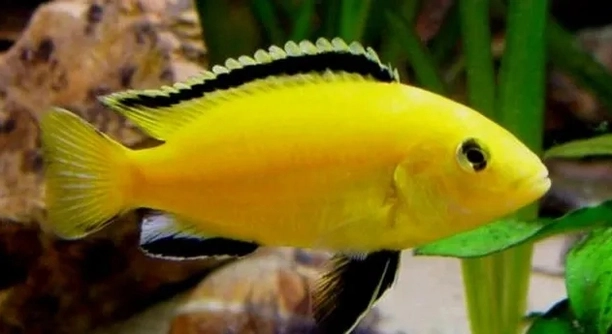
Electric Yellow Cichlids are a popular choice for home aquariums due to their vibrant color and active behavior. Many fish enthusiasts appreciate their bright appearance and unique personalities in a community tank environment.
Electric Yellow Cichlids are social fish that thrive in groups rather than isolation. Keeping them alone can lead to stress, aggression, and decreased activity. Providing a suitable number of tank mates ensures their mental stimulation, natural behavior, and overall well-being.
Maintaining the right social environment promotes healthy interactions and longevity. Proper care and understanding of their needs help these cichlids flourish in home aquariums.
Understanding Electric Yellow Cichlid Social Behavior
Electric Yellow Cichlids are naturally social fish that prefer living in groups. They establish a clear hierarchy, which helps reduce conflicts and stress within the tank. A single cichlid may show signs of loneliness, such as hiding, reduced activity, or aggression toward tank decorations. Observing their behavior closely can indicate whether they feel isolated or content. Keeping at least five to six individuals allows them to interact, display natural behaviors, and feel secure. These interactions also help them maintain physical health, as swimming and chasing are vital forms of exercise. Group living encourages breeding behaviors and enhances their vivid coloration. Tank setup matters as well—ample hiding spots, rocks, and plants help reduce stress and give each fish personal space. A well-planned environment combined with proper social grouping can prevent behavioral issues and contribute to a stable, balanced aquarium ecosystem. Regular monitoring ensures their social needs are consistently met, keeping them active and healthy.
Proper social groups significantly reduce stress and improve activity, color, and overall health in Electric Yellow Cichlids.
Monitoring interactions helps maintain harmony in the tank. Adjusting group size or tank layout ensures all fish feel secure and engaged.
Creating the Right Environment for Electric Yellow Cichlids
Tank size directly affects their social comfort. A tank of at least 55 gallons is recommended for a small group, providing enough space for swimming and territory. Decorations, such as rocks and caves, create hiding spots and reduce aggression. Water quality is equally important—stable temperature, pH, and cleanliness prevent stress that can worsen loneliness. Feeding routines also play a role; consistent schedules and a varied diet keep them healthy and active. Observing behavior during feeding helps identify shy or stressed individuals. Separating overly aggressive fish or adding more compatible tank mates can restore balance. Light intensity should mimic natural conditions, offering periods of brightness and darkness. Gentle filtration reduces water movement while maintaining oxygen levels, ensuring a calm environment. Regular water testing and partial changes maintain stability, essential for social well-being. Attention to these details creates a harmonious habitat that supports natural behavior, vivid color, and reduced stress. Proper care allows Electric Yellow Cichlids to thrive collectively, rather than struggling in isolation.
Providing enough space, hiding spots, and consistent care ensures the group remains healthy, reducing conflicts and loneliness.
Signs Your Electric Yellow Cichlids May Be Lonely
Lonely cichlids often become less active and hide frequently. They may show aggression toward tank mates or objects and display duller colors. These behaviors indicate stress and lack of social interaction, signaling that adjustments in tank setup or group size may be needed.
Observing subtle behavior changes is essential. A lonely cichlid may swim near the tank edges, avoid interaction, or ignore feeding. They might become territorial over decorations or food, indicating stress. Color fading is another common sign, as vibrant tones often diminish when fish feel isolated. Maintaining social groups and monitoring interactions ensures that all cichlids remain active, healthy, and display natural behaviors. Regular observation allows early detection of stress, preventing long-term health issues.
Correcting loneliness requires careful planning. Adding compatible tank mates gradually helps reduce aggression. Rearranging decorations can give each fish personal space. Adjusting water conditions, lighting, and feeding schedules also supports their well-being. By observing their reactions closely, it becomes easier to provide a comfortable, socially engaging environment where cichlids can thrive, interact naturally, and maintain their bright, healthy appearance.
Tips to Prevent Loneliness in Your Tank
Providing at least five to six cichlids ensures natural social structure. Adequate tank size and hiding spots reduce stress and aggression.
Group size should match the tank dimensions. A crowded tank can cause fights, while too few fish increase loneliness. Introducing new fish gradually reduces conflict. Consistent feeding schedules and water quality maintain health and activity. Proper lighting and decorations help fish establish territories without excessive stress. Monitoring behavior allows adjustments before problems develop, ensuring a balanced, calm environment where all cichlids can interact, swim freely, and exhibit natural behaviors.
How Tank Size Affects Social Behavior
A small tank limits movement and increases stress among Electric Yellow Cichlids. Crowding can lead to aggression, while a properly sized tank allows natural swimming patterns and social interactions to occur freely.
Larger tanks support multiple hiding spots and territories. Each cichlid can establish its own space, reducing conflicts and promoting healthy behavior.
Feeding and Interaction Patterns
Regular feeding helps maintain routine and reduces stress. Offering varied foods encourages activity and interaction. Watching how cichlids respond to feeding can reveal social dynamics, identify shy or isolated individuals, and indicate overall well-being in the group. Proper feeding also supports coloration and energy levels.
Importance of Decorations
Rocks, caves, and plants provide hiding spaces and territories. These decorations reduce tension, allowing cichlids to retreat when needed, which supports their social structure and prevents dominance conflicts within the tank.
FAQ
Do Electric Yellow Cichlids do better in groups or alone?
Electric Yellow Cichlids thrive in groups. Keeping them alone often leads to stress, hiding, and aggression. A group of at least five or six fish allows them to establish a social hierarchy, interact naturally, and feel secure. Group living encourages active swimming, healthy behavior, and vibrant coloration.
How can I tell if my cichlid is lonely?
Signs of loneliness include dull colors, reduced activity, and frequent hiding. Aggression toward tank mates or decorations can also indicate stress. Observing their swimming patterns, feeding behavior, and interaction with other fish helps identify isolation. Addressing these signs early prevents long-term health issues.
What is the ideal tank size for a group?
A minimum of 55 gallons is recommended for a small group. Larger tanks allow room for swimming and territories. Proper spacing helps prevent conflicts and reduces stress, ensuring that each cichlid has personal space while still maintaining social interaction.
Do decorations really impact their social behavior?
Yes. Rocks, caves, and plants create hiding spots and territories, which reduce aggression. These structures allow shy fish to retreat safely, while dominant fish can claim their area. Balanced decoration placement supports harmony, natural behavior, and a calmer, healthier tank environment.
How many cichlids should be kept together?
Keeping five to six individuals works well for most home aquariums. Too few fish can increase loneliness, while too many may cause crowding and aggression. Gradually introducing new cichlids while monitoring behavior helps maintain a stable group dynamic.
Can lonely cichlids affect others in the tank?
Yes. A stressed or isolated cichlid may become aggressive or overly territorial, disrupting the social balance. Providing enough tank mates, hiding spots, and space helps maintain calm interactions and prevents behavioral problems in the entire group.
Does feeding routine influence loneliness?
Consistent feeding supports activity and reduces stress. A varied diet encourages interaction and helps fish remain active and engaged. Observing responses during feeding reveals social dynamics and identifies shy or isolated individuals, allowing adjustments in care to improve their social environment.
Will adding new cichlids help a lonely fish?
Adding compatible tank mates can improve social interaction, but it must be done gradually. Sudden introductions can cause aggression. Rearranging decorations and observing interactions ensures new fish integrate smoothly, maintaining balance and promoting healthy social behavior.
How important is water quality for social behavior?
Stable water parameters are essential. Poor conditions increase stress, making fish more aggressive or withdrawn. Regular testing and partial water changes maintain health, reduce tension, and support natural social interactions, allowing cichlids to display normal behavior and color.
Can Electric Yellow Cichlids live alone if necessary?
While they can survive alone, their overall health, activity, and coloration may decline. Loneliness increases stress and can shorten lifespan. Group living is strongly recommended to allow social engagement, exercise, and natural behavior, ensuring long-term well-being in home aquariums.
How do I reduce aggression in a group?
Provide sufficient space, hiding spots, and multiple territories. Proper tank size, consistent feeding, and careful introduction of new fish reduce dominance conflicts. Observing behavior allows timely adjustments to maintain harmony and protect the well-being of all cichlids.
Are shy cichlids a sign of loneliness?
Shyness can indicate stress or insufficient social support. Hiding frequently, avoiding interaction, or refusing food may show the fish is overwhelmed. Ensuring a balanced group and proper environment helps shy individuals feel secure and encourages natural social behavior.
How do I maintain long-term social harmony?
Monitor behavior regularly, provide adequate space, maintain water quality, and supply hiding spots. Adjust group size gradually, ensure consistent feeding, and observe interactions. These steps create a stable environment where all cichlids thrive, remain active, and display their natural coloration and behavior.
Do lighting and tank placement affect social behavior?
Yes. Proper lighting mimics natural day-night cycles, reducing stress. Calm lighting and tank placement away from disturbances create a secure environment, allowing cichlids to interact naturally, establish territories, and maintain social balance in the aquarium.
Can I reintroduce a lonely cichlid to a group after isolation?
Yes, but carefully. Gradually acclimate the fish and rearrange decorations to minimize territorial disputes. Monitor closely to ensure acceptance by the group. Proper reintroduction helps the cichlid regain social confidence and restore normal behavior.
What is the role of observation in managing loneliness?
Regular observation is key to identifying stress, aggression, or isolation early. Tracking feeding, swimming, and interactions allows timely adjustments in tank setup, group size, or environment. Vigilant monitoring ensures the cichlids remain healthy, socially engaged, and vibrant.
Are there any behavioral exercises for cichlids?
Encouraging swimming with open space and varied decorations stimulates activity. Introducing new objects gradually can provoke exploration and interaction. Social engagement with compatible tank mates also keeps them mentally and physically active, reducing stress and potential loneliness.
How often should I check their social dynamics?
Daily observation is ideal. Noticing subtle changes in activity, color, or interactions allows early correction of issues. Prompt attention to social dynamics prevents escalation of aggression or stress and supports overall health and harmony in the tank.
Can a single tank mate prevent loneliness?
A single companion helps but may not fully satisfy social needs. Electric Yellow Cichlids are best kept in small groups, as multiple interactions are necessary for natural behavior, mental stimulation, and reduced stress.
Is it possible to overpopulate a tank while preventing loneliness?
Yes. Adding too many fish causes crowding, competition, and increased aggression. Balancing group size with tank dimensions and hiding spots is essential. Observing interactions ensures the population remains harmonious, active, and visually vibrant, preventing stress-related behaviors.
How long does it take for a lonely cichlid to adapt to a group?
Adaptation varies. Some fish adjust within days, while others may take weeks. Gradual introductions, sufficient space, and careful monitoring support smooth integration. Patience and observation ensure a positive social transition and minimize stress for all fish.
Does age affect social behavior?
Younger cichlids may adapt more easily to groups, while older fish can be more territorial. Understanding each fish’s temperament and adjusting the environment or group composition accordingly supports harmony and reduces stress in mixed-age groups.
What are common mistakes that increase loneliness?
Common mistakes include keeping too few fish, inadequate tank size, lack of hiding spots, poor water quality, and irregular feeding. Addressing these issues prevents isolation, aggression, and stress, ensuring a healthy social environment for all cichlids.
How can I use this information to improve my tank?
Observing behavior, maintaining proper tank conditions, providing hiding spots, ensuring correct group size, and monitoring social interactions create a harmonious environment. These steps help all cichlids thrive, display vivid colors, and remain active, healthy, and socially engaged.
Total Word Count: 507
Electric Yellow Cichlids are social fish that benefit greatly from living in groups. Their natural behavior relies on interacting with other cichlids, establishing hierarchies, and having space to swim freely. Keeping them alone can lead to stress, dull coloration, and unhealthy behavior patterns. Ensuring they have the right number of companions allows them to display natural behaviors, maintain activity levels, and enjoy a more balanced environment. A properly structured group prevents loneliness and helps the fish feel secure in their surroundings. Their social nature is an essential part of their health, so paying attention to group size and behavior is crucial for a thriving aquarium. Observing daily interactions provides insights into how well your cichlids are adjusting, and it allows for early intervention if any fish shows signs of stress or isolation.
Creating an environment that supports social interaction requires attention to tank size, layout, and decorations. A minimum of 55 gallons is recommended for a small group, providing enough space for swimming and territory establishment. Rocks, caves, and plants are important for giving each fish personal space and hiding areas. Proper decoration placement reduces aggression and promotes harmony among tank mates. Water quality is also critical, as unstable conditions can increase stress and disrupt social behavior. Maintaining consistent feeding schedules and offering a varied diet helps keep cichlids active, encourages natural interaction, and supports coloration. Even lighting that mimics a natural day-night cycle can contribute to a stable environment, reducing stress and promoting overall well-being. By combining proper tank size, environmental enrichment, and regular maintenance, your cichlids can develop healthy social habits and thrive in a home aquarium.
Regular observation and attention to behavior are key to maintaining a happy, healthy group of Electric Yellow Cichlids. Watching for signs of aggression, hiding, or fading colors allows for quick adjustments to group size, decorations, or tank layout. Gradual introductions of new fish, rearranging decorations, or modifying feeding routines can help resolve social tension and prevent loneliness. Each cichlid has its own personality and may adapt differently, so patience is important. A well-planned environment that meets their social, physical, and nutritional needs ensures that all fish remain active, vibrant, and healthy. By prioritizing their social well-being and providing consistent care, Electric Yellow Cichlids can live long, balanced lives, exhibiting natural behavior and bright, lively coloration in a stable aquarium environment.
Word count: 417

Hello,
If you enjoy the content that we create, please consider saying a "Thank You!" by leaving a tip.
Every little bit helps us continue crafting quality advice that supports the health, happiness, and well-being of pets around the world, for pets of all shapes, sizes, and species.
We really appreciate the kindness and support that you show us!