
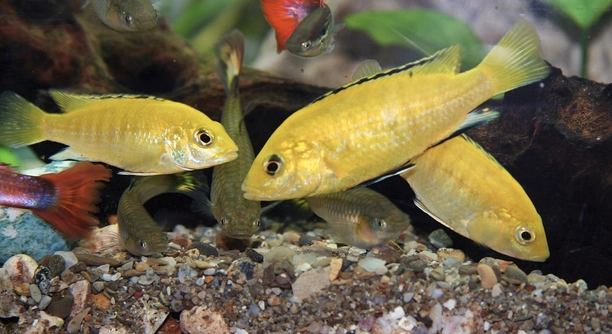
Keeping an Electric Yellow Cichlid in a home aquarium can be very rewarding. These fish are known for their bright colors and active personalities, making them a popular choice among both new and experienced fish keepers.
A happy Electric Yellow Cichlid shows vibrant coloration, active swimming patterns, and consistent feeding behavior. Healthy social interactions, minimal hiding, and regular exploration of its environment are key indicators of well-being in this species, reflecting proper care and suitable tank conditions.
Recognizing these signs early can help you maintain a thriving aquarium environment and prevent potential health or behavioral problems for your fish.
Bright and Vibrant Colors
Electric Yellow Cichlids display their happiness most clearly through their coloration. A healthy and content cichlid will have bright yellow scales that shine under aquarium lighting. Dull or faded colors often indicate stress, illness, or poor water conditions. Maintaining stable water parameters, proper diet, and a clean tank encourages vibrant coloration. Some cichlids may show temporary color changes during breeding or territorial displays, but these shifts are natural and not a cause for concern. Observing your fish regularly helps you notice subtle changes in hue. Diet plays a critical role; feeding high-quality pellets, occasional live food, and vegetables supports both color and overall health. Providing hiding spots, plants, and sufficient space reduces stress, allowing colors to remain strong. Lighting should mimic natural daylight cycles, avoiding overly harsh or dim illumination. Overall, bright, consistent colors reflect a cichlid’s comfort, health, and happiness in its aquarium.
Vivid coloration is a clear sign that your Electric Yellow Cichlid is feeling secure and healthy.
A fish with strong colors is easier to monitor for health issues. When its yellow scales appear bright, it usually indicates that the water quality, tank environment, and diet are properly maintained. Regular observation ensures you can act quickly if the colors fade, preventing stress-related problems.
Active Swimming and Exploration
Active movement is a reliable indicator of a happy cichlid.
Electric Yellow Cichlids that swim confidently around the tank, investigate objects, and interact with other fish demonstrate comfort and engagement in their environment. Lethargic or overly hidden fish may indicate stress, poor health, or unsuitable water conditions. Providing ample swimming space, vertical and horizontal territories, and decorative structures encourages exploration. Tanks should be large enough to allow natural swimming patterns and social behavior. Frequent rearrangements of objects or decorations can disrupt their sense of security, so changes should be gradual. Feeding times can also influence activity levels; a consistent schedule encourages movement and curiosity. Observing interactions with tank mates helps identify stress or aggression early, ensuring a balanced social environment. Enrichment through plants, rocks, and small caves keeps their minds engaged. Consistent water parameters and clean tanks further support sustained activity. Overall, a lively, exploring cichlid signals a well-cared-for fish that thrives in its habitat.
Consistent Feeding Behavior
Regular eating patterns show that an Electric Yellow Cichlid feels safe and comfortable. A happy fish will approach food confidently and finish meals without hesitation, avoiding signs of stress or illness.
Watching feeding routines is essential for understanding your cichlid’s health. If a fish suddenly refuses food or shows erratic eating behavior, it may indicate water issues, disease, or social stress from tank mates. Consistency in diet supports digestive health and energy levels, which encourages active swimming and interaction with the environment. Offering a mix of high-quality pellets, occasional live or frozen foods, and vegetable matter provides balanced nutrition. Feeding at the same times daily establishes routine, reducing anxiety. Observing how each fish responds ensures that all cichlids are receiving enough nutrition without competition or dominance problems, which can affect overall well-being.
Monitoring feeding behavior also allows you to spot minor health changes before they become serious. Changes in appetite or hesitation during meals often precede visible illness, giving you an early chance to address problems. Ensuring proper portion sizes and removing uneaten food prevents water contamination, supporting a healthy tank. Overfeeding can be just as harmful as underfeeding, so careful observation and gradual adjustments help maintain a stable, happy environment for your Electric Yellow Cichlid.
Minimal Hiding and Comfort in the Tank
A cichlid that spends most of its time exploring rather than hiding shows confidence and contentment in its habitat.
Excessive hiding may signal stress, bullying by other fish, or unsuitable water conditions. Electric Yellow Cichlids that are comfortable will use hiding spots occasionally but spend most of their time swimming and interacting. Proper tank setup includes open areas, rocks, and caves to allow choice without forcing constant concealment. Observing how your fish moves throughout the tank helps you understand its comfort level. Temperature, pH, and water hardness must remain stable to encourage regular activity. Social structure also matters—introducing compatible tank mates and avoiding overcrowding reduces stress. A confident fish will approach new objects or changes without retreating immediately. Even small signs, such as investigating a feeding area or swimming near the glass, indicate contentment. Tanks that balance open swimming space with secure hiding options provide the best environment for mental and physical well-being.
When fish feel safe and secure, they maintain regular routines and interact naturally with their surroundings. Electric Yellow Cichlids that rarely hide are easier to monitor for health, behavior, and diet. A well-structured tank reduces aggressive encounters and ensures a peaceful environment. Providing enrichment, such as rocks, plants, and caves, supports exploration while still giving optional retreat areas. Adjusting tank conditions gradually during water changes and introducing new elements slowly prevents unnecessary stress. Observing patterns of movement and hiding allows for timely adjustments to tank setup, diet, or social grouping. Overall, minimal hiding indicates confidence, good health, and happiness, which are key to keeping a thriving, lively cichlid.
Social Interaction with Tank Mates
Electric Yellow Cichlids that interact positively with other fish are usually happy and well-adjusted. Friendly behaviors like gentle chasing, parallel swimming, or peaceful cohabitation indicate comfort in their environment.
Aggression should be monitored, as mild displays are normal for establishing hierarchy. Consistent, calm interactions suggest your cichlid is confident and thriving within its social group.
Exploring and Inspecting Environment
A content cichlid will investigate its surroundings regularly, moving through open spaces and around decorations. This exploration reflects curiosity, security, and engagement with the tank. Providing varied terrain, plants, and caves encourages these natural behaviors, keeping the fish mentally and physically stimulated. Regular observation ensures enrichment meets its needs.
Regular Breathing and Movement
Even, steady gill movement signals a healthy and comfortable fish. Rapid or irregular breathing may indicate stress, poor water quality, or illness. Monitoring breathing alongside activity levels helps maintain a balanced, thriving environment for your Electric Yellow Cichlid.
FAQ
How can I tell if my Electric Yellow Cichlid is stressed?
Stress in cichlids can appear as hiding for long periods, loss of appetite, faded colors, or erratic swimming. Monitoring water parameters, tank mates, and daily routines helps identify causes. Making gradual adjustments to tank setup, temperature, or social grouping usually reduces stress effectively.
What should I feed my Electric Yellow Cichlid to keep it happy?
A balanced diet is key. High-quality pellets designed for cichlids should be the main food, supplemented with occasional frozen or live foods like brine shrimp or bloodworms. Vegetables such as spinach or peas can support digestion. Feeding small portions consistently prevents overfeeding and keeps the fish healthy.
How often should I clean the tank?
Regular maintenance ensures a comfortable environment. Partial water changes of 20–30% weekly, along with gravel cleaning and filter checks, prevent toxin buildup. Avoid full water changes at once, as sudden changes can stress the cichlid. Clean decorations and plants as needed to maintain water quality.
What tank size is ideal for Electric Yellow Cichlids?
A tank of at least 55 gallons is recommended for a small group. Larger tanks allow for natural swimming patterns and reduce aggression. Providing hiding spots, open areas, and vertical and horizontal territories ensures comfort for all cichlids in the tank.
Can Electric Yellow Cichlids live with other fish?
Yes, but carefully. They are moderately aggressive and establish a social hierarchy. Tank mates should be similarly sized and robust. Avoid very small or overly passive fish, which can be stressed or harmed. Observing interactions and separating aggressive individuals if necessary helps maintain harmony.
Why is my cichlid hiding so much?
Hiding can be a normal behavior during rest or minor stress periods. Extended hiding often points to water quality issues, illness, or aggressive tank mates. Ensure stable temperature, clean water, and enough space. Gradual environmental enrichment encourages exploration without forcing the fish out of hiding.
How do I know if my cichlid is happy?
Signs include bright coloration, active swimming, confident social interactions, regular feeding, and exploration of the tank. Minimal hiding, steady breathing, and curiosity about the environment also indicate well-being. Watching daily behavior helps track comfort and spot issues early.
What water parameters should I maintain?
Electric Yellow Cichlids thrive in pH 7.8–8.6, water hardness 10–20 dGH, and temperatures between 74–82°F. Stable parameters reduce stress and promote vibrant colors, active behavior, and appetite. Frequent testing with a reliable kit ensures the environment remains suitable.
How can I reduce aggression in my tank?
Provide plenty of space and hiding spots. Keeping a ratio of one male to multiple females often reduces fighting. Avoid overcrowding, and choose compatible tank mates. Rearranging decorations occasionally can prevent territorial disputes but avoid sudden drastic changes.
Why does my cichlid sometimes change color?
Temporary color changes can occur due to breeding, stress, or mood. A healthy, happy cichlid quickly returns to its bright yellow coloration. Monitoring behavior and environment ensures changes are not signs of illness or poor water conditions.
Is it normal for Electric Yellow Cichlids to dig in the substrate?
Yes, digging is natural and part of territorial behavior. Providing a soft substrate and areas for digging prevents damage to the tank or decorations. Occasional rearranging helps satisfy this instinct without causing stress.
How often should I observe my cichlid?
Daily observation is important. Watching for changes in color, behavior, feeding, and interaction helps catch potential problems early. Simple checks during feeding or routine maintenance are usually enough to track health and happiness.
Can Electric Yellow Cichlids recognize their owner?
They may respond to familiar movements, feeding routines, or approaching the tank. This behavior reflects comfort and memory rather than human attachment. Consistent, calm interaction reinforces positive responses and reduces stress during tank maintenance.
What are common signs of illness?
Loss of appetite, faded colors, rapid breathing, lethargy, clamped fins, or abnormal swimming indicate illness. Quarantining affected fish, maintaining clean water, and consulting a veterinarian or experienced aquarist helps prevent spread and supports recovery.
How can I enrich my cichlid’s tank?
Providing rocks, caves, plants, and open swimming areas encourages exploration and reduces stress. Rearranging decorations gradually prevents boredom. Occasional live or frozen foods hidden in decorations stimulate natural foraging behavior and mental engagement.
Are Electric Yellow Cichlids sensitive to water changes?
Yes, sudden or large changes can stress them. Partial weekly water changes with careful temperature and pH matching prevent shock. Introducing new elements gradually supports stable behavior and maintains health.
How long do Electric Yellow Cichlids live?
With proper care, they can live 10–12 years in captivity. Stable water conditions, a balanced diet, and a low-stress environment contribute to longevity and overall happiness.
Is breeding behavior a sign of happiness?
Breeding behaviors, like cleaning surfaces, chasing, or displaying brighter colors, often indicate a confident and healthy fish. Providing a safe, spacious tank and suitable conditions supports these natural instincts without causing stress to the group.
How do I introduce new fish safely?
Quarantine new fish for 2–3 weeks to prevent disease. Introduce slowly using a divider or neutral territory. Monitor interactions closely and be ready to separate aggressive individuals to protect both existing and new cichlids.
What should I do if my cichlid shows sudden aggression?
Identify triggers such as territory, overcrowding, or incompatible tank mates. Rearranging decorations or separating aggressive individuals may be necessary. Maintaining enough space and monitoring behavior prevents escalation and ensures the tank remains balanced.
How important is lighting for happiness?
Proper lighting enhances coloration and regulates day-night cycles, supporting normal behavior and feeding. Avoid overly bright or constantly dim lighting. A consistent schedule with natural or aquarium-specific lighting helps maintain comfort and reduces stress.
Can cichlids sense water quality changes?
Yes, they respond to sudden shifts in temperature, pH, or toxins. Signs include hiding, erratic swimming, or reduced appetite. Regular testing and maintenance prevent stress and keep them healthy and happy.
How do I know if my tank size is adequate?
If fish display natural swimming patterns, minimal aggression, and exploration, the tank is likely sufficient. Overcrowding causes stress, hiding, and health issues. Adjust tank size or population as needed to support well-being.
What role does social hierarchy play in happiness?
Electric Yellow Cichlids establish a pecking order. Mild aggression is normal, but extreme bullying signals imbalance. Observing social interactions and providing enough space ensures all fish feel secure and reduces stress.
How can I tell if my cichlid enjoys interaction with me?
Fish that approach the tank during feeding or respond to gentle movements show confidence and recognition. While not emotional attachment, this behavior reflects comfort and routine familiarity, signaling a positive relationship with its environment.
What temperature fluctuations are acceptable?
A stable range between 74–82°F is ideal. Minor daily fluctuations of 1–2°F are usually safe. Sudden changes can cause stress, impact appetite, and reduce immunity, so gradual adjustments during water changes are recommended.
How do I handle tank cleaning without stressing my cichlid?
Perform partial water changes, clean substrate gently, and avoid sudden decoration rearrangements. Maintain consistent temperature and pH during changes. Keep interactions calm and predictable to minimize stress while ensuring cleanliness and health.
Can my cichlid adapt to new tank decorations?
Yes, gradual introductions work best. Allowing time for exploration and avoiding sudden, large changes reduces stress. Observing reactions helps ensure the environment remains comfortable while keeping the fish engaged.
What is the best way to monitor health daily?
Watch coloration, swimming patterns, appetite, social behavior, and breathing. Early detection of changes allows prompt action, preventing illness and maintaining a happy, thriving Electric Yellow Cichlid in a stable environment.
How do seasonal changes affect happiness?
Gradual seasonal variations in room temperature or lighting can influence behavior. Maintaining consistent water temperature, lighting cycles, and feeding schedules ensures that cichlids remain comfortable and stress-free throughout the year.
Is it normal for cichlids to rearrange substrate?
Yes, digging and moving substrate is natural behavior linked to territory and comfort. Providing soft substrate and optional areas for digging satisfies this instinct while keeping the tank environment safe and healthy.
How can I encourage natural behavior?
Offer a varied environment with rocks, plants, caves, and open spaces. Include live or frozen foods for foraging. Stable water conditions, sufficient space, and compatible tank mates allow your cichlid to display natural swimming, feeding, and social behaviors consistently.
What signs indicate my cichlid is thriving long-term?
Vibrant color, steady appetite, active swimming, positive social interactions, minimal hiding, curiosity about surroundings, and normal breathing all reflect long-term comfort and well-being. Consistent observation and care ensure the fish continues to live happily in a well-maintained aquarium.
Can stress affect coloration?
Yes, stressed cichlids often appear paler or dull. Addressing water quality, tank mates, diet, and environmental enrichment restores color and signals improved comfort.
How can I prevent boredom in my tank?
Rotate decorations, provide caves, plants, and enrichment through hidden food. Encouraging exploration and natural behavior prevents lethargy and maintains active, engaged fish.
What behavior is normal versus a health warning?
Exploration, occasional mild aggression, and digging are normal. Lethargy, rapid breathing, refusal to eat, faded colors, or clamped fins indicate potential health problems requiring attention and adjustments to care routines.
How do I support my cichlid’s mental health?
A stable, enriched environment with proper social interaction, hiding spots, and regular stimulation promotes mental well-being. Predictable feeding and maintenance routines reduce stress and encourage confident, happy behavior.
Can cichlids remember their environment?
Yes, they recognize feeding schedules, hiding spots, and tank layout. Consistent routines help them feel secure, reducing stress and supporting normal behavior and happiness.
How long should I observe new behavior?
Observe consistently over several days to distinguish temporary reactions from lasting patterns. Gradual adjustments and monitoring ensure comfort and help identify changes in health or social dynamics.
Is it normal for cichlids to chase each other?
Mild chasing is normal for establishing hierarchy. Excessive aggression or injury requires intervention, adjusting population, tank layout, or separating dominant individuals to maintain a peaceful, balanced tank environment.
What’s the role of temperature in daily activity?
Stable temperature supports appetite, swimming, and exploration. Sudden drops or rises slow metabolism and can cause stress. Maintaining consistent warmth ensures the fish remain active, healthy, and comfortable.
How do I know if my tank water is safe long-term?
Regular testing for ammonia, nitrites, nitrates, pH, and hardness keeps conditions stable. Consistent partial water changes and careful monitoring maintain a safe, comfortable environment, supporting your cichlid’s happiness and health.
Can Electric Yellow Cichlids sense nearby movement?
Yes, they notice motion outside the tank and may approach the glass during feeding. This indicates curiosity and recognition of routine, reflecting comfort and confidence in their environment.
How often should I check tank decorations?
Inspect for algae, sharp edges, or debris weekly. Clean or adjust items gradually to maintain a safe, stimulating environment that encourages exploration without causing stress or injury.
Does overfeeding affect happiness?
Yes, overfeeding can cause health issues, water contamination, and lethargy. Feeding small, controlled portions supports digestion, encourages activity, and maintains both physical and mental well-being.
How can I tell if a cichlid is in pain or discomfort?
Signs include clamped fins, rapid breathing, unusual swimming patterns, or rubbing against surfaces. Early detection allows intervention through water changes, dietary adjustments, or medical care to restore comfort and health.
What environmental changes can improve happiness?
Adding hiding spots, open swimming areas, varied substrate, and enrichment activities supports natural behavior. Gradual changes prevent stress, allowing the cichlid to explore, feed, and interact confidently within its habitat.
How important is tank placement in the room?
Stable placement away from loud noises, direct sunlight, or heavy vibrations reduces stress. A consistent, quiet location supports normal behavior, feeding, and swimming patterns.
Are Electric Yellow Cichlids social or solitary by nature?
They are social but establish clear hierarchies. Keeping compatible groups and observing interactions ensures confidence, reduces aggression, and maintains a healthy social environment for happy fish.
Can cichlids sense my handling?
Yes, they detect movement and water disturbances. Gentle, predictable care reduces stress during tank maintenance, feeding, or cleaning, supporting long-term well-being and comfort.
Do cichlids respond to seasonal lighting changes?
Gradual seasonal shifts in light intensity or duration may alter activity. Consistent lighting schedules mimic natural cycles and help maintain normal feeding, swimming, and social behavior.
What are key daily observations to keep fish happy?
Check color, appetite, swimming, breathing, hiding, and social interaction. Consistent daily attention helps detect early changes, maintain comfort, and prevent stress or illness, ensuring a thriving Electric Yellow Cichlid.
How do I maintain stable water chemistry over time?
Regular testing, partial water changes, careful addition of chemicals, and monitoring of tank population keep parameters stable. Stability reduces stress and supports vibrant colors, appetite, and natural behavior.
What signs indicate successful tank acclimation?
Regular swimming, active feeding, exploration, minimal hiding, and steady coloration indicate that a new or relocated cichlid has adapted well to its environment, signaling comfort and confidence.
Can a cichlid’s mood affect its health?
Yes, stress or boredom can reduce appetite, slow growth, and weaken immunity. A stable, enriched environment encourages natural behaviors, promoting both mental and physical health.
How do I track long-term happiness?
Record feeding behavior, activity levels, social interactions, and coloration over time. Noting changes allows for adjustments to diet, environment, or social group, ensuring a consistently healthy and happy cichlid.
Are there signs of aging I should monitor?
Slower swimming, reduced appetite, or fading colors may appear with age. Maintaining proper nutrition, water quality, and enrichment helps older fish stay comfortable, active, and engaged.
How can I prevent boredom in older fish?
Maintain varied decorations, hiding spots, and foraging opportunities. Regular interaction with the environment encourages exploration and natural behavior, keeping older cichlids active and mentally stimulated.
Do cichlids enjoy routine changes?
Minor, gradual changes in decorations or feeding routines can provide enrichment. Sudden, drastic changes increase stress. Observing reactions ensures adjustments remain positive.
What’s the best way to introduce seasonal foods?
Offer small amounts gradually alongside regular diet. Monitor for acceptance and digestion. Seasonal additions can enrich diet without causing stress or water quality issues.
Can cichlids form bonds with specific tank mates?
They recognize and adjust to familiar fish, displaying less aggression or more coordinated swimming. While not emotional bonding, these relationships reduce stress and support social stability.
How can I prevent dominance issues?
Ensure adequate space, hiding spots, and compatible group ratios. Monitor interactions and separate overly aggressive individuals. Balanced social structure promotes comfort and minimizes stress.
What should I do if my cichlid stops exploring?
Check water quality, temperature, and social environment. Ensure proper diet, reduce stressors, and provide enrichment. Gradual changes can re-engage natural curiosity and activity.
Are Electric Yellow Cichlids sensitive to sudden noises?
Yes, loud or sudden noises may trigger hiding or stress. Placing the tank in a stable, quiet area reduces these reactions and maintains comfort.
How often should I rotate decorations for engagement?
Occasional, gradual rotation every few weeks stimulates exploration. Avoid sudden or drastic changes to prevent stress while keeping the environment interesting.
What are common mistakes that reduce happiness?
Overcrowding, inconsistent feeding, poor water quality, lack of enrichment, and incompatible tank mates can all stress cichlids. Monitoring behavior and maintaining stable conditions prevent these issues and promote long-term comfort.
Can temperature spikes cause long-term stress?
Yes, sudden increases can reduce appetite, affect swimming, and compromise immunity. Maintaining stable, appropriate temperatures is essential for ongoing well-being.
How can I tell if enrichment is effective?
Fish actively explore decorations, forage for hidden food, and display normal social and swimming behaviors. Lack of engagement may indicate the need for additional or varied stimuli.
Is it normal for cichlids to rest on the substrate?
Yes, occasional resting is normal. Prolonged inactivity combined with faded color or rapid breathing may indicate stress or illness. Monitor behavior closely.
How can I ensure long-term happiness?
Provide stable water conditions, balanced diet, appropriate tank mates, enrichment, and consistent observation. Addressing changes promptly and supporting natural behaviors helps maintain a thriving, content Electric Yellow Cichlid over its lifespan.
How do I know if my cichlid is comfortable during cleaning?
Minimal hiding, steady swimming, and continued interest in surroundings suggest comfort. Gentle, predictable maintenance helps prevent stress during routine care.
Can cichlids detect light changes outside the tank?
Yes, they respond to shadows, reflections, and lighting variations. Gradual changes maintain normal behavior, while sudden shifts may trigger hiding or stress.
What daily habits support happiness?
Consistent feeding, observing behavior, maintaining water quality, and providing enrichment create a routine that reduces stress, encourages natural behavior, and ensures the cichlid remains healthy and vibrant.
How can I tell if a new tank is suitable?
Observe swimming patterns, feeding behavior, social interactions, and exploration. Confident, active fish indicate the environment meets their physical and mental needs.
Are hiding spots necessary for every fish?
Yes, optional retreats reduce stress, provide security, and support natural territorial behavior. Multiple hiding areas prevent conflict and encourage confidence for all tank inhabitants.
How do I manage aggression between cichlids?
Adjust tank layout, introduce hiding spots, ensure enough space, and monitor social hierarchy. Separating overly aggressive fish prevents injury and maintains a balanced, comfortable tank environment.
Can subtle color changes indicate mood?
Yes, minor shifts in brightness or hue reflect stress, excitement, or breeding behavior. Observing these changes helps assess comfort and environmental suitability.
How often should I monitor tank parameters?
Weekly checks of pH, hardness, temperature, and ammonia/nitrate/nitrite levels keep conditions stable. Frequent monitoring prevents stress and supports long-term health and happiness.
**Do cichlids benefit from
Final Thoughts
Electric Yellow Cichlids are colorful, active, and social fish that respond well to consistent care and a stable environment. Their happiness is closely linked to the conditions of their tank, including water quality, temperature, space, and tank mates. Observing their daily behavior provides the clearest insight into their well-being. Bright colors, active swimming, regular feeding, and curiosity about the environment are all positive signs. When these fish are comfortable, they interact with other cichlids confidently, explore their surroundings, and show minimal hiding. These behaviors reflect both physical health and mental comfort. Understanding what makes them happy allows owners to maintain a thriving aquarium and prevent common stressors such as overcrowding, poor water quality, or incompatible tank mates.
Providing a proper diet and routine also plays a major role in their happiness. High-quality pellets designed for cichlids, supplemented with occasional live or frozen foods and vegetables, ensure balanced nutrition. Consistent feeding times help establish security and reduce anxiety, while avoiding overfeeding prevents water contamination and related health issues. Environmental enrichment, like rocks, plants, caves, and open swimming areas, encourages natural behaviors and reduces boredom. Even small details, such as gradual changes in tank layout or careful monitoring of social interactions, contribute to a healthier, more confident fish. Paying attention to these elements not only supports daily comfort but also enhances long-term health and vibrant coloration.
Monitoring behavior consistently is essential to catch small issues before they become larger problems. Changes in swimming patterns, appetite, color, or social interaction often indicate stress or illness and should be addressed promptly. Maintaining stable water parameters, proper tank size, compatible tank mates, and enrichment options ensures that cichlids remain engaged and comfortable. Recognizing subtle signs of contentment, such as steady breathing, exploration, and minimal hiding, helps owners fine-tune care practices and sustain a happy aquarium environment. By prioritizing these factors, Electric Yellow Cichlids can live long, healthy lives, providing a visually striking and lively presence in any freshwater tank. Regular observation, thoughtful care, and a supportive environment are the most reliable ways to keep these fish healthy, confident, and happy over time.

Hello,
If you enjoy the content that we create, please consider saying a "Thank You!" by leaving a tip.
Every little bit helps us continue crafting quality advice that supports the health, happiness, and well-being of pets around the world, for pets of all shapes, sizes, and species.
We really appreciate the kindness and support that you show us!