
Caring for cichlids requires attention to their behavior and environment. Observing subtle signs in your fish can indicate whether they are comfortable and managing stress effectively in their tank. Healthy habits often reflect in their daily activities.
Cichlids that are avoiding stress typically display consistent swimming patterns, clear eyes, regular feeding behavior, and normal coloration. They interact calmly with tank mates, maintain territory without aggression, and show minimal hiding or erratic movements, indicating a stable and secure environment.
Recognizing these signs early helps maintain a balanced aquarium and ensures your cichlids remain healthy and active for years to come.
Consistent Swimming Patterns
Observing how your cichlid moves in the tank can tell you a lot about its stress levels. A relaxed fish swims smoothly, exploring its environment without sudden bursts of speed or erratic movements. When cichlids feel safe, they glide through the water, occasionally hovering near decorations or plants. Their swimming is deliberate, showing confidence in their surroundings. Sudden darting or constant hiding can signal unease or discomfort. Even small changes in movement can reflect stress, such as hesitating near certain areas of the tank. Providing stable water conditions, gentle lighting, and proper tank mates encourages steady, confident swimming. Over time, regular observation of swimming patterns helps identify early signs of stress before health issues develop. Ensuring the tank is spacious enough for exploration and territory also contributes to calm behavior. Your attention to these details fosters a comfortable habitat, supporting your cichlid’s physical and mental well-being.
Consistent swimming reflects a secure and balanced environment, which helps the fish maintain overall health and reduces stress significantly.
Monitoring movement also allows you to track behavioral changes, helping prevent long-term stress or illness that may affect your cichlids’ lifespan.
Clear Eyes and Bright Coloration
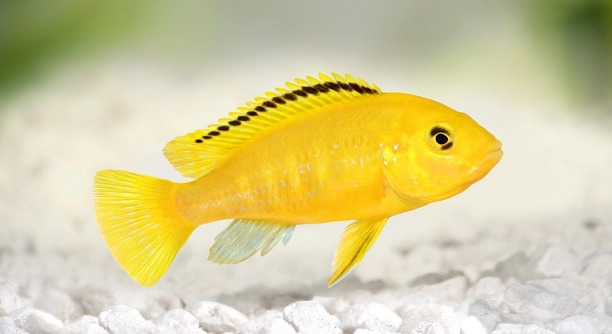
Clear eyes and vibrant coloration are strong indicators of a stress-free cichlid. Cloudy eyes, dull hues, or faded patterns often suggest discomfort, illness, or poor water conditions. Healthy fish display bright, even coloration that extends across their body. Eye clarity signals good nutrition and proper tank care. When your cichlid’s colors are rich and consistent, it usually reflects a calm state of mind. This visual feedback is one of the simplest ways to gauge overall well-being, especially if your fish lives in a community tank where interactions can influence stress. Observing these traits daily allows you to spot subtle shifts, helping you respond promptly to environmental changes or health issues. Maintaining optimal water quality, balanced diet, and suitable lighting enhances both appearance and comfort.
Clear eyes and bright colors make it easy to see that your cichlid is healthy and stress-free.
Regular maintenance, including partial water changes and monitoring pH levels, plays a crucial role in preserving eye clarity and coloration. Ensuring the diet includes essential nutrients supports the immune system and skin health. Stress can cause color fading, making proactive care essential. Tank decorations and plants provide hiding spots, which help fish feel secure and display natural colors. Even slight overcrowding or aggressive tank mates can affect vibrancy, so proper spacing is important. By tracking visual cues consistently, you can maintain a stable and supportive environment. Observing the fish over weeks allows recognition of normal coloration patterns and quick detection of abnormalities. This attention to detail fosters long-term health, reduces disease risks, and strengthens the overall well-being of your cichlids.
Regular Feeding Behavior
Cichlids that avoid stress eat consistently and show interest in their food. They approach feeding areas without hesitation, accept different types of food, and maintain a healthy appetite, which indicates comfort in their environment.
A regular feeding routine shows that your cichlid feels secure in the tank. Fish that are stressed may refuse food or eat erratically. Healthy cichlids swim to the surface or feeding zone calmly and consume their portion without displaying aggressive or frantic behavior. Over time, consistent feeding patterns help maintain proper growth, weight, and overall vitality. Providing a varied diet that meets nutritional needs encourages this behavior. Observation of eating habits also signals any changes in health. If a fish begins avoiding food, it may reflect stress, illness, or water quality issues. Tracking feeding behavior daily allows for early intervention and adjustment of care routines. Maintaining stability in feeding schedules and diet quality ensures your cichlids remain active, vibrant, and resilient.
Ensuring the food is fresh, appropriate in size, and distributed evenly reduces competition and promotes a relaxed feeding environment.
Calm Interaction with Tank Mates
Stress-free cichlids interact without aggression, establishing a balanced social dynamic. They maintain personal space yet respond appropriately to other fish, avoiding constant conflict or hiding.
A calm interaction among cichlids reflects both mental and physical health. Aggression, chasing, or prolonged hiding are signs of stress or territorial disputes. Fish that coexist peacefully demonstrate that the tank conditions, including space, hiding spots, and population density, are suitable. Providing sufficient plants, rocks, and shelters helps minimize conflict and allows each fish to establish a comfortable territory. Observation of these social behaviors is crucial because even minor disturbances in the hierarchy can trigger stress responses. Ensuring compatible species and balanced gender ratios further supports harmonious interactions.
Monitoring these interactions allows early adjustments, such as rearranging the tank or modifying tank mate combinations, to maintain a calm and secure environment. Proper planning and observation prevent long-term stress and encourage healthy, confident behavior.
Minimal Hiding
Cichlids avoiding stress spend little time hiding and explore the tank confidently. They use shelters occasionally but do not remain concealed for long periods.
Frequent hiding often signals discomfort, fear, or aggression in the tank. A balanced environment with proper decorations helps your fish feel safe without excessive concealment.
Stable Territory
Stress-free cichlids maintain a clear territory without constant fighting. They recognize boundaries and interact peacefully with neighbors, showing confidence and comfort in their space.
Active Exploration
Cichlids that feel secure explore their environment regularly. They investigate plants, rocks, and other features while moving gracefully, reflecting mental stimulation and physical well-being.
How can I tell if my cichlid is stressed?
A stressed cichlid often shows changes in behavior, such as excessive hiding, erratic swimming, or refusing food. Color fading, clamped fins, and frequent aggression toward tank mates are additional indicators. Monitoring your fish daily helps detect these early signs. Stress can result from poor water quality, overcrowding, incompatible tank mates, or sudden environmental changes. Observing subtle differences in movement or interaction with the environment provides insight into their mental and physical state. Keeping a stable, well-maintained tank reduces stress and promotes natural, calm behaviors in cichlids.
What are the most common causes of stress in cichlids?
Stress in cichlids often stems from water issues, such as improper temperature, pH imbalances, or unclean conditions. Overcrowding and incompatible tank mates can also trigger tension. Sudden changes in lighting, tank setup, or feeding schedules may upset their routine. Aggressive behavior from other fish or lack of hiding spots contributes further. Even seemingly small factors, like vibrations from nearby movement or loud noises, can affect sensitive cichlids. Regular observation and careful maintenance of water parameters, tank size, and environmental stability help minimize these stress factors. Providing a comfortable habitat is essential for overall health.
How often should I check my cichlid’s environment?
Daily observation of behavior and physical appearance is recommended. Checking water parameters like temperature, ammonia, nitrites, and pH at least weekly ensures stable conditions. Cleaning the tank and performing partial water changes as needed keeps the habitat safe.
Can diet influence stress levels in cichlids?
Yes, a balanced diet supports physical health and reduces stress. Malnutrition or inconsistent feeding can weaken the immune system, making fish more sensitive to environmental changes. Including protein-rich foods, vegetables, and occasional treats ensures overall vitality. Feeding on a schedule helps maintain routine and security.
What role do hiding spots play in reducing stress?
Hiding spots give cichlids a safe retreat when they feel threatened or need privacy. Rocks, plants, and decorations create secure areas for rest and comfort. Adequate hiding options reduce aggression and help maintain territorial balance, lowering stress levels for all tank inhabitants.
How can I encourage natural behavior in my cichlids?
Providing an environment that mimics their natural habitat promotes calm and confident behavior. Arrange decorations to allow exploration and territorial boundaries. Maintain proper water parameters, a consistent feeding routine, and compatible tank mates. Observing their daily activities and responding to signs of discomfort fosters a healthy, stress-free environment.
Are water changes important for stress prevention?
Regular water changes remove toxins and keep conditions stable, which directly reduces stress. Partial changes prevent sudden shifts in temperature or pH, which can upset fish. Clean water supports healthy gill function, immune response, and overall vitality, allowing cichlids to display natural behaviors confidently.
What should I do if my cichlid shows signs of prolonged stress?
Immediate action is necessary if stress signs persist. Check water quality, remove aggressive tank mates, and ensure sufficient hiding spots. Adjust feeding schedules and maintain consistent environmental conditions. Consulting a specialist or aquatic veterinarian may be required for ongoing health concerns. Early intervention increases recovery chances.
How do tank size and population affect stress?
Overcrowding increases competition, aggression, and anxiety among cichlids. Proper tank size allows territory establishment and reduces conflict. Maintaining an appropriate number of fish for the tank ensures each cichlid has space to swim and interact calmly.
Can stress affect breeding behavior?
Yes, stressed cichlids may avoid mating or abandon eggs. Comfortable, stable environments encourage natural reproductive behaviors. Providing clean water, proper diet, and secure territories supports successful breeding.
Is it normal for cichlids to hide sometimes?
Occasional hiding is normal and part of natural behavior. It provides rest and security. However, excessive hiding or prolonged periods in shelters can indicate stress, illness, or discomfort that needs attention.
How long does it take for a cichlid to recover from stress?
Recovery time varies depending on the cause and severity. Minor stress from temporary changes may resolve in days, while prolonged environmental or health issues can take weeks. Consistent care, stable conditions, and proper nutrition speed recovery and support overall well-being.
Can stress cause health problems in cichlids?
Chronic stress weakens the immune system, making cichlids more susceptible to diseases, fin rot, and infections. It can also affect appetite, growth, and coloration. Maintaining a calm, stable environment helps prevent stress-related health issues and ensures long-term vitality.
What signs indicate a cichlid has fully adapted to its environment?
A cichlid that is comfortable swims confidently, eats regularly, displays bright colors, interacts calmly with tank mates, and explores its surroundings. Minimal hiding and stable behavior patterns indicate adaptation and a low-stress state.
Observing your cichlids closely allows you to understand their needs and maintain a healthy tank environment. Fish show stress in subtle ways, and being aware of these behaviors helps prevent long-term problems. Regular checks of swimming patterns, eating habits, and interaction with tank mates give clear indications of comfort and well-being. A calm cichlid moves steadily, eats consistently, and interacts appropriately with its surroundings. Frequent hiding, erratic swimming, or faded coloration can signal discomfort or stress. By noting these signs early, you can make adjustments to water conditions, tank setup, and feeding routines to restore balance. Small changes in lighting, decorations, or tank population can also have a significant impact on stress levels. Ensuring proper nutrition and regular feeding schedules supports physical health and helps your fish feel secure.
Providing a stable and supportive environment is essential for reducing stress. Water quality must be monitored consistently, including temperature, pH, and ammonia levels, to ensure conditions remain optimal. Clean tanks with sufficient hiding spots allow fish to establish territories and feel safe. Overcrowding or aggressive tank mates can increase tension, so it is important to choose compatible species and maintain proper spacing. Decorations and plants not only enhance the tank visually but also provide places for exploration and privacy. Even small disruptions, such as sudden changes in lighting or loud noises near the tank, can affect your cichlids’ behavior. Observing their daily activities allows you to detect changes and respond before stress becomes severe. Balanced care, including attention to both social interactions and environmental factors, encourages natural behavior and supports overall health.
Maintaining a stress-free tank benefits both the fish and the overall atmosphere of your aquarium. Healthy, calm cichlids display bright colors, steady movement, and regular feeding, making the tank enjoyable to watch. Monitoring behavior and making gradual adjustments when needed helps ensure long-term well-being. Diet plays a significant role, with varied and nutrient-rich foods supporting physical strength and resilience. By providing a consistent routine and a stable environment, you allow your cichlids to thrive, reduce the risk of disease, and enjoy a natural, confident lifestyle. Paying attention to each detail, from water quality to social dynamics, contributes to a balanced habitat where your cichlids can feel safe and active. Over time, these practices make it easier to identify any unusual changes in behavior and take prompt action. Observing, adjusting, and maintaining the tank consistently fosters a healthy and stress-free environment, ensuring your cichlids remain vibrant and active for years.

Hello,
If you enjoy the content that we create, please consider saying a "Thank You!" by leaving a tip.
Every little bit helps us continue crafting quality advice that supports the health, happiness, and well-being of pets around the world, for pets of all shapes, sizes, and species.
We really appreciate the kindness and support that you show us!