
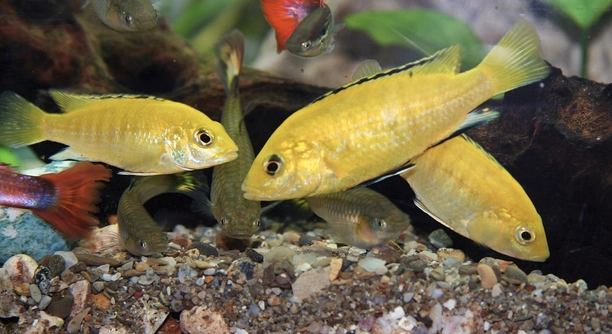
Electric Yellow Cichlids are a bright and lively addition to any aquarium. Many aquarists enjoy keeping them but often think carefully about the type of tank that suits their behavior and swimming patterns.
Electric Yellow Cichlids generally prefer long tanks over tall tanks. Their natural behavior involves horizontal swimming across territories, and longer tanks provide ample space for movement, territorial boundaries, and healthier social interactions, promoting reduced stress and better overall well-being.
Choosing the right tank shape makes a noticeable difference in your cichlids’ activity and happiness, ensuring a more balanced and visually appealing aquarium setup.
Why Tank Shape Matters for Electric Yellow Cichlids
The shape of the tank affects how Electric Yellow Cichlids swim and interact with each other. These fish are naturally active and like to move horizontally. A long tank gives them enough room to explore and establish territories without constantly bumping into each other. Tall tanks, on the other hand, limit their swimming space and can increase stress. In a long tank, they can swim freely, which promotes better muscle development and overall health. Decorations and hiding spots are also easier to arrange in longer tanks, helping to create natural boundaries. When fish feel secure, they are less likely to fight or display aggressive behavior. Tank size and shape together influence water flow, which can affect oxygen levels and cleanliness. Ensuring a well-structured environment can help maintain their bright colors and active personalities. A thoughtful tank setup makes maintenance easier while keeping the cichlids happy.
Long tanks support natural swimming patterns and help reduce aggression among Electric Yellow Cichlids. This simple change improves overall fish health.
Providing a long tank allows better placement of rocks, plants, and caves. Fish can establish territories, hide when stressed, and interact safely. Swimming horizontally rather than vertically keeps them active and reduces stress. With more surface area, filtration and aeration work more efficiently. A well-organized tank also allows you to observe their behavior clearly and enjoy their vibrant colors.
Recommended Tank Sizes
A 55-gallon long tank is a good starting point for a small group of Electric Yellow Cichlids. It offers enough horizontal space for four to six fish, giving them room to swim and avoid overcrowding.
For larger groups, a 75- to 100-gallon tank is ideal. Bigger tanks allow more room for territories and decorations without overcrowding. In addition to length, width should not be overlooked, as it provides extra swimming space and allows for better water circulation. Proper filtration and regular water changes become more manageable in a larger tank. Maintaining stable water parameters is easier when fish have space to spread out. A long tank also gives flexibility for aquascaping, providing hiding spots and visual barriers that reduce aggression. Vertical swimming space is less important for these cichlids, so height can remain moderate, focusing instead on length and width. Ultimately, tank shape and size together ensure healthier, happier fish that display natural behaviors consistently.
Tank Decorations and Layout
Rocks, caves, and plants are essential for Electric Yellow Cichlids. They use them to hide, establish territories, and feel secure. Proper placement reduces aggression and keeps the tank visually interesting. Avoid overcrowding decorations, as this limits swimming space and may stress the fish.
Decorations should be arranged to create clear pathways and separate territories. Using rocks and caves along the sides provides hiding spots without blocking open swimming areas. Plants can soften edges and offer additional shelter, but artificial or hardy plants work best since cichlids may dig or uproot softer ones. A balanced layout allows fish to swim freely while still having protected zones. Avoid piling decorations in the center, as it restricts horizontal movement and can cause fights. Regularly inspecting and adjusting the layout ensures safety and comfort for all fish.
Sand or fine gravel is ideal for the substrate, as cichlids like to dig. Open areas allow active swimming, while scattered caves and rocks support natural behavior. Keeping decorations secure prevents collapses that could injure fish. Proper lighting highlights colors and reduces stress.
Water Conditions and Maintenance
Electric Yellow Cichlids thrive in stable, warm water. Temperature should stay between 74-82°F, with pH around 7.8-8.6. Regular testing helps prevent sudden changes that could stress the fish.
Frequent water changes are essential to remove waste and maintain clarity. Filtration should be strong enough to handle the tank size, ensuring proper oxygenation. Avoid overfeeding, as leftover food can harm water quality. Monitoring ammonia, nitrites, and nitrates keeps the tank safe. Using a reliable heater prevents temperature swings, while a thermometer ensures accuracy. Cleaning the substrate carefully avoids disturbing beneficial bacteria while keeping the environment healthy. Consistent maintenance, combined with attention to water chemistry, encourages active, vibrant, and healthy cichlids, reducing disease risk.
Tank Mates for Electric Yellow Cichlids
Choosing compatible tank mates helps maintain a peaceful environment. Avoid overly aggressive or tiny fish that can become targets. Medium-sized, similarly tempered cichlids often work best.
Other African cichlids with similar water requirements are usually good companions. Keep groups small and monitor behavior to prevent bullying. Providing hiding spots helps reduce tension and promotes coexistence.
Feeding Habits
Electric Yellow Cichlids need a balanced diet of flakes, pellets, and occasional live or frozen foods. Feeding small portions two to three times a day prevents overfeeding.
A varied diet supports growth, vibrant coloration, and energy levels. Avoid foods high in fillers or low-quality ingredients. Observing feeding behavior ensures all fish get proper nutrition and reduces aggression during meals.
Common Behavior Patterns
Electric Yellow Cichlids are active and curious. They often establish territories, especially in long tanks where space allows horizontal movement.
Watching their interactions helps identify stress or aggression early. Recognizing normal behavior supports a healthy tank environment and ensures their activity remains natural and balanced.
FAQ
Do Electric Yellow Cichlids need a tall tank?
No, tall tanks are not ideal for Electric Yellow Cichlids. They prefer horizontal swimming space, which long tanks provide. While they can swim vertically, their natural movement is more side to side. A moderate height is fine, but length is more important for comfort and natural behavior.
How many Electric Yellow Cichlids can I keep in one tank?
A 55-gallon long tank can comfortably house four to six cichlids. Larger groups require a 75- to 100-gallon tank to prevent overcrowding. Giving enough space reduces territorial disputes, stress, and aggression. Proper decoration and hiding spots also help fish coexist peacefully.
What is the ideal water temperature for Electric Yellow Cichlids?
Electric Yellow Cichlids thrive in water between 74°F and 82°F. Temperatures outside this range can stress the fish, affect appetite, and increase disease risk. Using a reliable heater and thermometer ensures stable conditions and supports their natural activity.
What pH level should the tank maintain?
These cichlids prefer slightly alkaline water, with a pH between 7.8 and 8.6. Maintaining stable pH helps with their coloration, digestion, and overall health. Frequent water testing ensures parameters remain consistent and prevents sudden changes that could harm the fish.
Can I mix Electric Yellow Cichlids with other fish?
Yes, but tank mates should have similar size, temperament, and water requirements. Avoid tiny, fragile, or overly aggressive species. Other African cichlids are usually compatible. Providing enough hiding spaces reduces conflicts and ensures all fish feel secure.
What should I feed them?
A varied diet is best, including high-quality flakes or pellets, with occasional live or frozen foods. Avoid overfeeding. Small portions two to three times a day keep them healthy, active, and colorful. Balanced nutrition reduces aggression during meals.
Do they need decorations in the tank?
Yes, decorations are essential. Rocks, caves, and plants provide hiding spots and territories, helping reduce stress and aggression. Open swimming space should remain clear for horizontal movement. Secure decorations prevent injuries and create a natural, comfortable environment.
How often should I clean the tank?
Regular water changes of 20-25% weekly are recommended. Cleaning the substrate and checking the filter maintains water quality and reduces toxins. Proper maintenance keeps the cichlids active, vibrant, and less prone to disease.
Why are my Electric Yellow Cichlids showing aggression?
Aggression usually stems from insufficient space, unclear territories, or incompatible tank mates. Using a long tank, adding hiding spots, and limiting overcrowding reduces fighting. Observing interactions helps address problems early before stress affects their health.
Can I use any substrate for them?
Sand or fine gravel is ideal because cichlids like to dig. Substrates should be safe and smooth to prevent injury. Avoid sharp rocks or coarse materials that can harm their fins or body while exploring or digging.
How do I maintain vibrant colors?
Stable water conditions, proper diet, and minimal stress are key. High-quality food rich in nutrients supports bright coloration. A comfortable tank layout and compatible companions also contribute to keeping Electric Yellow Cichlids looking their best.
Do they need strong filtration?
Yes, adequate filtration is necessary to handle waste and maintain oxygen levels. Electric Yellow Cichlids are active and produce significant waste. A strong filter combined with regular water changes keeps the tank clean and supports healthy fish behavior.
Can I keep them in a planted tank?
Yes, but choose hardy plants or artificial ones, as cichlids may dig or uproot softer plants. Arranging plants along tank edges allows free swimming while providing shelter. This creates a balanced environment for activity and territorial behavior.
How do I reduce stress in my cichlids?
Stress can be minimized by providing a long tank, hiding spots, proper diet, and compatible tank mates. Maintaining stable water parameters, clean substrate, and regular monitoring of behavior ensures fish remain active, healthy, and less aggressive.
How quickly do Electric Yellow Cichlids grow?
Growth varies based on diet, tank size, and water quality. In ideal conditions, they grow steadily and can reach adult size within a year. Sufficient space and balanced nutrition support healthy development and reduce territorial aggression as they mature.
What signs indicate illness?
Watch for lethargy, loss of appetite, faded coloration, clamped fins, or unusual swimming. Early detection allows prompt treatment. Maintaining clean water, balanced diet, and stress-free conditions prevents most common illnesses.
Do they need a tank cover?
Yes, a secure cover prevents jumping. While they are not extreme jumpers, active behavior and sudden scares can lead to accidents. A lid ensures safety and reduces the risk of injury outside the tank.
Can I breed Electric Yellow Cichlids in a home tank?
Breeding is possible with enough space, proper water conditions, and suitable tank layout. Provide flat rocks or caves for egg-laying. Keeping one male with multiple females reduces aggression and increases breeding success. Monitoring water quality and maintaining a stress-free environment is essential.
How long do they typically live?
With proper care, Electric Yellow Cichlids can live 8 to 10 years. Stable water parameters, balanced diet, compatible tank mates, and a safe environment all contribute to longevity. Regular maintenance ensures they stay healthy and active throughout their life.
Is tank lighting important?
Yes, moderate lighting enhances their colors and supports plant growth if present. Avoid overly bright lights, as it may stress the fish. Timed lighting mimics natural day-night cycles, promoting healthy behavior and consistent activity.
How can I prevent overbreeding?
Limit the number of males in a tank and provide enough hiding spots for females. Overcrowding or multiple dominant males can lead to excessive aggression and stress. Observing breeding behavior and separating fry as needed ensures a balanced tank population.
Do they need any supplements?
Occasional vitamin-rich foods or supplements can boost coloration and health. High-quality flakes or pellets often provide necessary nutrients. Avoid excessive supplements, which can pollute the water and harm fish health.
How can I encourage natural behavior?
Arrange the tank with open swimming areas and scattered decorations. Provide enough horizontal space and hiding spots. Compatible tank mates and minimal disturbances allow cichlids to display normal swimming, digging, and territorial behaviors comfortably.
Are Electric Yellow Cichlids suitable for beginners?
They are relatively hardy but require attention to tank size, water quality, and social structure. Understanding their behavior, maintaining proper conditions, and providing sufficient space ensures a rewarding experience for aquarists.
Can they coexist with non-cichlid fish?
Coexistence is possible with medium-sized, peaceful species sharing similar water conditions. Avoid small or delicate fish, as cichlids may bully them. Adequate space, hiding spots, and monitoring behavior are key to successful mixed tanks.
Do they need special water hardness?
Yes, moderately hard water supports their health and coloration. Maintaining consistent hardness levels prevents stress and digestive issues. Regular testing ensures water remains within the ideal range for Electric Yellow Cichlids.
How often should I check water parameters?
Testing weekly is recommended, including pH, temperature, ammonia, nitrite, and nitrate levels. Frequent checks prevent sudden changes and allow early action to maintain a healthy, stable environment for the fish.
Can they tolerate fluctuations in temperature or pH?
No, sudden changes cause stress and weaken the immune system. Consistent conditions are essential for growth, behavior, and disease resistance. Using a heater, thermometer, and regular water testing ensures stable parameters at all times.
What signs indicate compatibility issues with tank mates?
Frequent chasing, injuries, or stressed behavior signal incompatibility. Observing fish interactions helps identify problems early. Adding hiding spots or adjusting group size can resolve conflicts and maintain a peaceful tank.
Do Electric Yellow Cichlids require special lighting for breeding?
Moderate, consistent lighting supports natural cycles. Sudden changes or overly bright lights can stress fish and reduce breeding success. A stable light schedule helps regulate behavior and encourages natural egg-laying activity.
How do I acclimate new cichlids to my tank?
Float the bag in the tank for 15-20 minutes to match temperature. Gradually mix tank water with bag water over an hour. This prevents shock and reduces stress during introduction, ensuring a smooth transition.
Are they sensitive to noise or vibrations?
Yes, loud noises or frequent vibrations can stress cichlids. Place the tank in a quiet area and avoid tapping on glass. Stress reduction supports active swimming, feeding, and natural behavior.
Can I use a tank divider for aggression?
Yes, dividers allow fish to coexist without constant fighting. This is useful when introducing new cichlids or separating dominant individuals. Dividers maintain visual contact while preventing direct conflicts.
Do they need a specific feeding schedule?
Yes, consistent small feedings two to three times daily maintain health and activity. Overfeeding leads to poor water quality and obesity. Monitoring portions ensures proper nutrition for all tank inhabitants.
What is the best way to observe health issues early?
Regularly watch swimming patterns, coloration, appetite, and interactions. Subtle changes often indicate stress or illness. Early detection allows prompt adjustments in care, preventing more serious problems from developing.
How do I handle sick fish?
Isolate the affected fish in a quarantine tank. Adjust water parameters, maintain cleanliness, and provide appropriate treatment. Early intervention increases recovery chances and prevents disease spread.
Can Electric Yellow Cichlids adapt to slightly different water parameters?
They tolerate minor variations if changes are gradual. Sudden shifts in pH, temperature, or hardness can stress the fish. Gradual acclimation helps them adjust safely to new conditions.
Do they need strong water flow?
Moderate flow is sufficient. Strong currents may stress them, as they prefer controlled movement through the tank. Proper circulation ensures oxygenation without causing fatigue or anxiety.
How do I manage aggression during feeding?
Feed in multiple areas or use feeding rings to reduce competition. Providing small, consistent portions ensures all fish get enough food without conflict. Watching behavior helps adjust feeding techniques as needed.
Can they recognize owners or surroundings?
They are observant and can respond to movement outside the tank. This is not recognition in a personal sense but a natural curiosity that reflects intelligence and environmental awareness.
Do they need a specific tank shape for breeding?
Long tanks are preferred for territorial behavior. Providing horizontal space and separate territories encourages breeding while minimizing stress. Vertical height is less critical than length.
Are Electric Yellow Cichlids hardy fish?
They are relatively resilient but still need stable water conditions, proper tank size, and compatible companions. Proper care ensures a long, healthy life and vibrant colors.
How do I prevent fin damage?
Avoid sharp decorations, provide enough space, and monitor aggressive behavior. Ensuring proper tank layout reduces accidents and conflicts that can injure fins.
Do they require a quarantine period when introduced?
Yes, quarantining new fish for at least two weeks prevents disease spread and allows observation of health before adding them to the main tank.
Can I keep juvenile and adult cichlids together?
It is possible but monitor closely. Adults may bully smaller juveniles. Providing hiding spots and adequate space reduces stress and ensures all fish thrive.
How much vertical space is sufficient?
Moderate height is fine; focus on tank length. Electric Yellow Cichlids swim horizontally more than vertically, so long tanks improve comfort and reduce aggression.
Do they need supplemental vitamins or minerals?
Occasional supplements support health and coloration. High-quality food usually meets most nutritional needs, but supplements can be used sparingly if necessary.
What is the best way to introduce new fish?
Float the bag to match temperature, gradually mix tank water, and monitor behavior closely. Ensure hiding spots and adequate space to prevent aggression.
Can overstocking be an issue?
Yes, too many cichlids in one tank increase stress, aggression, and poor water quality. Long tanks and proper population limits prevent overcrowding.
Are they compatible with invertebrates?
Most invertebrates are at risk due to digging and aggression. Only large, robust species may coexist, but observation is crucial to avoid losses.
Do they respond to changes in lighting?
Yes, sudden changes can stress them. Gradual adjustments and consistent schedules maintain comfort and natural activity patterns.
How can I maintain long-term water stability?
Use quality filtration, perform regular water changes, monitor parameters, and avoid overfeeding. Stable water supports health, coloration, and longevity.
Can they adapt to slightly different diets?
They tolerate minor changes, but sudden shifts can upset digestion. Gradual introduction of new foods ensures adaptation without stress.
How do I prevent digging from disturbing plants?
Use hardy plants, secure substrates, and create designated digging areas. This balances natural behavior with tank aesthetics and plant survival.
What is the best way to encourage natural coloration?
Stable water, high-quality varied diet, minimal stress, and proper tank layout help fish display bright, consistent colors. Avoid sudden environmental changes that can dull pigmentation.
Do they require a strict day-night cycle?
Yes, regular lighting cycles support natural behavior and reduce stress. Timed lighting mimics their natural environment and promotes activity and feeding patterns.
Can they tolerate slightly lower temperatures?
Temperatures below 74°F can stress them, slow metabolism, and reduce appetite. Maintaining warmth within the ideal range ensures activity, growth, and overall health.
Is water hardness important for egg-laying?
Yes, moderately hard water supports breeding success. Maintaining stable hardness and pH encourages females to lay eggs and protects fry health.
Do they prefer open swimming areas?
Yes, open horizontal space is critical. It allows active swimming, reduces stress, and supports natural behavior. Overcrowding or blocked areas can increase aggression and stress.
How do I manage aggression during breeding?
Provide multiple hiding spots, separate breeding pairs if needed, and maintain adequate tank size. Careful observation reduces conflicts and protects both adults and fry.
Can they live with larger non-cichlid fish?
Only if the species are peaceful and have similar water needs. Avoid predatory or overly dominant fish. Proper tank size and monitoring are essential for coexistence.
What is the best substrate for digging behavior?
Fine sand or smooth gravel allows safe digging while preventing injury. Avoid sharp or coarse materials that can damage fins or skin.
How often should I feed fry?
Fry require multiple small feedings daily. High-quality microfoods, powdered flakes, or specialized fry foods support healthy growth and development.
Do they need separate tanks for breeding pairs?
Not always, but separation can reduce aggression and stress in crowded tanks. Providing territories with rocks and caves often suffices for breeding in a shared long tank.
Are they sensitive to chemical changes in water?
Yes, chlorine, heavy metals, or sudden pH shifts can harm them. Always treat tap water and monitor parameters to ensure a safe environment.
How can I keep a balanced male-to-female ratio?
One male per two to three females reduces fighting. Too many males increase aggression, stress, and territorial disputes. Observation ensures proper social structure.
Do they require specific water flow patterns?
Moderate flow is ideal. Strong currents may cause stress, while stagnant water reduces oxygenation. Proper circulation supports health without overexertion.
Can they live in brackish water?
No, they are freshwater fish. Salt or brackish conditions can harm their health and reduce lifespan. Freshwater parameters with stable pH and hardness are required.
How do I know if they are stressed?
Signs include hiding excessively, clamped fins, faded colors, loss of appetite, or erratic swimming. Addressing tank conditions, diet, and companions reduces stress and promotes natural behavior.
Are they prone to specific diseases?
They are relatively hardy but susceptible to common freshwater issues like ich, fin rot, or parasites. Maintaining clean water, proper diet, and stress-free conditions minimizes risks.
Can they tolerate crowded conditions temporarily?
Short periods may be tolerated, but prolonged overcrowding increases aggression, stress, and disease risk. Long tanks and proper population limits are essential for long-term health.
How do I introduce a new breeding pair?
Provide adequate hiding spots, gradually acclimate, and monitor interactions. Separation may be necessary if aggression occurs, ensuring a stress-free environment for successful breeding.
Do they need aeration beyond filtration?
Moderate aeration helps maintain oxygen levels, especially in densely stocked tanks. Strong currents are not needed but gentle circulation supports overall tank health and fish activity.
Are they active during the day or night?
They are diurnal, most active during daylight. Maintaining a consistent day-night cycle encourages feeding, swimming, and natural behavior.
Can they adapt to tank size changes?
Gradual transitions are best. Sudden downsizing causes stress and increases aggression. Ensure adequate horizontal swimming space to maintain comfort and natural behavior.
Do they need separate quarantine for fry?
Yes, separating fry ensures safety from adults, reduces stress, and improves survival rates. A small, secure tank with proper feeding and water conditions supports healthy growth.
How do I prevent overfeeding when multiple fish are present?
Feed in small portions across the tank. Monitor consumption to ensure all fish eat and prevent leftover food from polluting water. Consistent portioning supports health and water quality.
What is the maximum lifespan in captivity?
With proper care, Electric Yellow Cichlids can live 8 to 10 years. Stable water, balanced diet, compatible tank mates, and adequate space are key to longevity.
Do they need special care during molting or shedding?
They do not molt like invertebrates, but regular monitoring during color changes or fin growth is important. Proper diet and water quality support healthy development.
Can they live alone?
They prefer groups for social interaction but can survive alone. Isolation may reduce aggression but limits natural behavior and activity, so companionship is usually better if space allows.
How do I encourage breeding behavior naturally?
Maintain stable water parameters, provide long tank space, hiding spots, and a balanced diet. Healthy, unstressed fish display natural courtship and egg-laying behaviors.
Can they coexist with bottom-dwelling fish?
Yes, if bottom dwellers are robust and not overly timid. Adequate space and hiding spots prevent conflicts while allowing both species to occupy different tank zones.
Do they need UV sterilizers?
Not required but optional. UV sterilizers can help control pathogens and algae. Regular maintenance and water quality monitoring are more critical for overall health.
How can I reduce digging damage to decorations?
Secure rocks and heavy decor, provide designated digging
Final Thoughts
Electric Yellow Cichlids are lively, colorful fish that bring energy to a long tank. Their natural swimming style is horizontal, which makes tank length more important than height. Choosing the right tank size and shape allows them to move freely and establish territories, which reduces stress and aggression. A long tank provides ample swimming space and room for decorations, rocks, and hiding spots. These elements are not just for aesthetics—they play a key role in creating a secure environment that supports natural behaviors. Proper space also makes it easier to monitor and maintain water quality, which directly affects the fish’s health and longevity.
Water conditions are another critical factor in keeping Electric Yellow Cichlids healthy. They prefer warm, slightly alkaline water with moderate hardness. Stable temperature and pH levels support digestion, coloration, and overall vitality. Regular water testing and consistent partial water changes are essential to prevent stress and illness. Filtration should match the tank size and activity level of the fish, ensuring oxygenation and the removal of waste. Even small changes in water quality can lead to behavioral issues or aggression. Maintaining a predictable and stable environment is crucial for their well-being, especially if the tank houses multiple fish or breeding pairs.
Feeding and social considerations also influence how happy Electric Yellow Cichlids are in a long tank. A balanced diet of high-quality flakes, pellets, and occasional live or frozen foods keeps them active and colorful. Overfeeding should be avoided, as leftover food can reduce water quality and encourage territorial disputes. Tank mates should be chosen carefully, favoring species of similar size and temperament. Providing enough hiding spots, caves, and decorations helps minimize aggression and gives each fish a sense of security. Overall, success with Electric Yellow Cichlids comes from understanding their behavior, meeting their environmental needs, and offering a tank setup that supports both movement and social interaction. A thoughtful, well-maintained aquarium ensures that these vibrant fish thrive for years while remaining active, healthy, and visually stunning.

Hello,
If you enjoy the content that we create, please consider saying a "Thank You!" by leaving a tip.
Every little bit helps us continue crafting quality advice that supports the health, happiness, and well-being of pets around the world, for pets of all shapes, sizes, and species.
We really appreciate the kindness and support that you show us!