
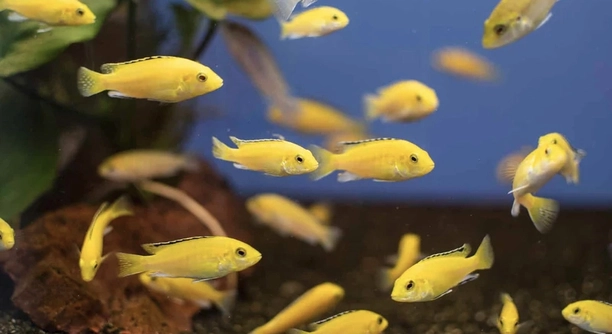
Cichlids are fascinating fish, known for their vibrant colors and unique personalities. In a tank, they naturally create a social hierarchy. Observing their behavior can reveal small, subtle actions that establish order among them.
Mild aggression in cichlids serves as a mechanism to maintain social structure. Actions such as chasing, nipping, and displaying dominance signals help reinforce rank, reduce prolonged conflicts, and allow subordinate fish to understand boundaries within the group.
These small behaviors are more than simple quarrels; they play an important role in keeping harmony and balance within a cichlid community. Understanding them helps maintain a healthy tank environment.
Chasing and Nipping
Chasing is one of the most common mild aggressions among cichlids. It usually occurs when a dominant fish asserts its rank or protects a preferred area in the tank. Chasing is rarely harmful if the tank is large enough and there are hiding spots available. Nipping often accompanies chasing, especially around fins or tail regions. While it may look violent, this behavior is largely a form of communication. Fish use these actions to establish boundaries and reinforce hierarchy without causing serious injury. Observing which fish consistently chase or nip others can reveal the pecking order within the tank. Tank size, decorations, and hiding spaces influence how often these behaviors occur. Overcrowding increases stress and intensifies chasing. Providing visual barriers and separate territories helps reduce tension. Over time, fish learn their place, and chasing diminishes. Recognizing these actions as normal interactions allows better tank management and reduces unnecessary worry about aggression.
Chasing and nipping are usually controlled behaviors, signaling social order rather than true danger.
Understanding when chasing escalates versus when it is normal can prevent stress and injury, ensuring fish remain healthy and well-adjusted in their environment.
Displaying Dominance
Dominance displays are subtle yet important in cichlid behavior. They involve body posturing, fin flaring, and positioning within the tank. These actions communicate rank without direct physical confrontation, reducing prolonged fights and maintaining stability.
Fish raise fins, expand their bodies, and approach others confidently to assert dominance. Less dominant fish respond by retreating or displaying submissive postures, which helps avoid unnecessary injury. These signals are a core part of establishing a hierarchy, allowing each fish to recognize its role. Dominance displays often peak during feeding or territory disputes, showing which fish have priority access to resources. Tank layout influences these behaviors—rocks, plants, and hiding spots allow fish to negotiate space while still displaying authority. Over time, dominant fish maintain control, while subordinate fish adapt to their position. Observing these interactions helps aquarists anticipate conflicts and make adjustments to keep stress low. When managed well, dominance displays are efficient ways for cichlids to organize themselves naturally, creating a calmer and more predictable tank environment for everyone.
Territorial Marking
Territorial marking is a common behavior in cichlids. Fish will guard specific areas of the tank, often near rocks or plants, to establish ownership. This helps reduce conflicts by clearly defining spaces where each fish feels secure and dominant.
Fish stake out territories by hovering near specific areas and chasing away intruders. They may rearrange small objects or dig in the substrate to reinforce boundaries. These actions signal to other fish that a space is occupied, reducing random confrontations. Territorial marking is especially visible during feeding or breeding periods when competition for resources is high. By observing these patterns, it’s easier to understand which fish hold authority over which zones, allowing better tank management. Properly sized tanks with multiple hiding spots minimize stress and allow subordinate fish to retreat without risk. Over time, territorial boundaries become respected, leading to a more balanced and calmer environment.
Territorial marking also influences social hierarchy. Fish that consistently defend spaces often maintain higher ranks, while others learn to avoid conflict. Recognizing these patterns ensures peaceful coexistence and effective resource distribution in the tank.
Resource Guarding
Resource guarding happens when fish protect food or favored areas. It prevents other fish from accessing what they consider essential, ensuring survival and maintaining social order.
Cichlids may position themselves between food and others, nipping or chasing to deter rivals. This behavior is natural and generally mild but can escalate if the tank is overcrowded or food is scarce. Resource guarding allows dominant fish to establish priority, while subordinates learn when to feed safely. Observing feeding times helps identify which fish are more assertive, and adjustments like multiple feeding points reduce tension. This behavior is particularly noticeable in mixed-species tanks, where competition for space and nutrients can intensify. Providing enough resources and proper distribution ensures that all fish maintain health without excessive stress. Over time, a clear understanding of feeding order emerges, reducing confrontations during meals and contributing to a stable environment.
Fin Flaring
Fin flaring is a visual signal used to show strength and confidence. Fish spread their fins wide to appear larger, signaling dominance or warning others to keep their distance.
This behavior helps prevent direct fights by letting others recognize power dynamics. Subordinate fish usually respond by retreating or avoiding confrontation.
Subtle Chasing
Subtle chasing occurs when dominant fish gently pursue others without aggressive biting. It reinforces social structure while minimizing injury. Fish learn their boundaries and adjust behavior accordingly. This mild pursuit helps maintain order, letting the hierarchy remain clear without causing serious stress or harm.
Brief Nipping
Brief nipping is used to assert rank or defend space. It is short and rarely causes lasting harm.
Body Posturing
Body posturing communicates submission or dominance through angled positioning or lowered bodies. Fish signal intentions and reduce conflicts naturally.
How do I know if my cichlids’ aggression is normal?
Normal aggression in cichlids involves mild chasing, fin flaring, and brief nipping that does not result in injury. These behaviors usually follow a predictable pattern and help establish a social hierarchy. Fish will retreat or display submissive postures, showing that boundaries are respected.
Observing your tank regularly helps determine if aggression is healthy. If interactions are brief and there are enough hiding spaces, food, and territory for all fish, the behavior is likely normal. Signs of stress or constant attacks indicate overcrowding, insufficient resources, or incompatible species, which require adjustments to prevent injury or long-term stress.
Why do cichlids chase each other constantly?
Constant chasing often results from territorial disputes or attempts to assert dominance. Dominant fish pursue others to reinforce boundaries and maintain priority over resources like food and preferred areas. Overcrowded tanks or lack of hiding spots intensify chasing, as fish cannot retreat safely.
To reduce chasing, ensure the tank is large enough and contains multiple hiding areas and visual barriers. Introducing more resources, such as extra feeding points, helps subordinate fish access food without conflict. Some chasing is normal, but if it escalates into continuous aggression, changes to tank layout, stocking density, or species selection are necessary to restore balance.
Can mild aggression harm my cichlids?
Mild aggression rarely causes physical harm if the tank is managed properly. Brief nips, fin flaring, and chasing serve as social signals rather than attacks. Injury is uncommon when fish have space to retreat and establish personal territories.
Problems arise when tanks are too small, overcrowded, or lack hiding spots. Subordinate fish may experience stress, loss of appetite, or fin damage under prolonged pressure. Providing adequate space, hiding areas, and resources minimizes risks and allows natural behaviors to occur safely. Observing fish interactions ensures that aggression remains a tool for social order, not a source of harm.
How can I reduce aggressive behavior in my cichlid tank?
Aggression can be reduced by ensuring proper tank size, creating hiding spaces, and distributing resources evenly. Rocks, plants, and décor provide visual barriers and separate territories, helping subordinate fish avoid repeated harassment.
Feeding multiple points in the tank prevents dominant fish from monopolizing food. Adding compatible species with different behaviors or adjusting stocking density can also lessen tension. Over time, fish learn their roles, reducing frequent conflicts. Tank maintenance, monitoring water quality, and observing interactions are crucial. While some aggression is unavoidable, these steps allow cichlids to interact naturally without constant stress, keeping the environment balanced and safe for all inhabitants.
Is it normal for cichlids to flare fins at each other?
Yes, fin flaring is a normal display of dominance and confidence. Fish spread fins wide to appear larger and communicate strength. It helps prevent direct fights, letting others recognize social rank. Subordinate fish typically retreat or display submissive behavior in response.
Fin flaring is most common near feeding times, breeding periods, or when defending preferred spaces. Providing enough room and hiding spots allows fish to perform these displays without escalating into physical aggression. Observing fin flaring helps identify dominant individuals and maintain a calmer, more predictable tank environment.
Do all cichlid species show mild aggression?
Most cichlid species exhibit mild aggression as part of natural social behavior. While intensity varies by species, chasing, nipping, fin flaring, and territorial defense are common ways to establish hierarchy. Some species are more territorial, while others display subtle dominance signals.
Understanding species-specific behavior is key to managing aggression. Tank size, layout, and compatible companions influence how often mild aggression occurs. Providing adequate space, hiding spots, and evenly distributed resources ensures natural behaviors do not escalate into harmful conflicts. Recognizing these patterns allows better care and a stable, balanced environment for a variety of cichlid species.
Can aggression affect breeding success?
Aggression can influence breeding, as dominant fish often secure the best territories and protect eggs or fry. Subordinate fish may avoid high-conflict areas to reduce stress, which can affect spawning behavior.
Proper tank management ensures that aggression supports, rather than hinders, breeding. Providing multiple breeding sites, hiding spaces, and minimizing overcrowding allows dominant pairs to protect their territory without causing excessive stress to others. This balance improves fry survival and reduces the risk of injury, allowing cichlids to reproduce successfully while maintaining a healthy social hierarchy.
How can I tell if aggression is escalating to a problem?
Aggression becomes problematic when chasing, nipping, or fin flaring leads to injury, stress, or constant harassment. Signs include torn fins, loss of appetite, hiding, or visible stress behaviors.
Monitoring fish behavior daily helps identify early signs of escalation. Adjusting tank size, hiding spots, feeding practices, or species combinations can prevent conflicts from worsening. When aggression is managed carefully, it remains a natural method of maintaining social order, rather than a source of harm.
Cichlids are naturally social fish, and mild aggression plays an important role in how they interact. Behaviors like chasing, nipping, fin flaring, and territorial defense are not signs of a problem but ways to establish hierarchy and communicate boundaries. These actions help dominant fish maintain control over preferred areas and resources, while subordinate fish learn to recognize their place within the group. Observing these interactions closely allows aquarists to understand the social dynamics of their tank and manage the environment effectively. While the behavior can appear intense at times, it is usually balanced and regulated within a well-structured tank.
A key factor in keeping mild aggression under control is the tank setup. Providing sufficient space, multiple hiding spots, and visual barriers allows fish to perform natural behaviors without constant stress. Overcrowding or limited resources often magnify aggression and can lead to injury or chronic stress, so careful planning of tank size and layout is essential. Feeding practices also play a role, as multiple feeding points prevent dominant fish from monopolizing food and reduce conflicts. By giving each fish a chance to retreat or access resources safely, the natural hierarchy is respected while maintaining a calm environment. Over time, fish learn their roles and interactions become more predictable, making the tank more stable for all inhabitants.
Understanding mild aggression in cichlids is essential for long-term tank management. It is not necessary to eliminate every sign of chasing or fin flaring, as these behaviors are part of normal social structure. Recognizing which actions are harmless versus those that may escalate is crucial for maintaining fish health and reducing stress. Careful observation, thoughtful tank design, and attention to feeding routines help prevent minor aggression from turning into serious problems. By respecting natural behaviors and providing an environment that accommodates hierarchy and personal space, aquarists can enjoy a vibrant, balanced tank where cichlids thrive. This understanding not only improves the well-being of each fish but also creates a more harmonious and predictable environment, allowing the natural dynamics of the species to unfold safely and effectively.

Hello,
If you enjoy the content that we create, please consider saying a "Thank You!" by leaving a tip.
Every little bit helps us continue crafting quality advice that supports the health, happiness, and well-being of pets around the world, for pets of all shapes, sizes, and species.
We really appreciate the kindness and support that you show us!