
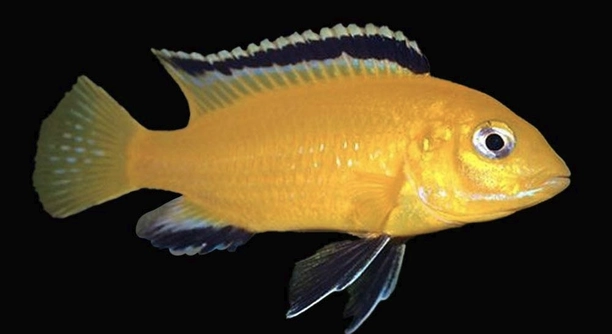
Have you ever bought an Electric Yellow Cichlid and watched it grow day by day, wondering how long it will take to reach its full size? These vibrant fish are a popular choice for home aquariums.
Electric Yellow Cichlids typically reach full maturity between 12 to 18 months of age, depending on diet, tank size, and water conditions. Proper care, including balanced nutrition and stable habitat, is essential for their healthy growth and development.
Understanding their growth timeline will help you plan tank arrangements, feeding schedules, and overall care to support a thriving, colorful aquarium environment.
Factors Affecting Electric Yellow Cichlid Growth
Several factors influence how quickly Electric Yellow Cichlids reach full size. Diet is one of the most important elements. Providing a variety of high-quality foods, including pellets, flakes, and occasional live or frozen treats, supports proper growth. Water quality is equally essential. Stable temperatures, pH levels, and clean water reduce stress and prevent stunted growth. Tank size also plays a role; overcrowded tanks can limit space for swimming, which slows development. Additionally, genetics affect size and growth rate, meaning some fish naturally grow faster or larger than others. Observation is key—monitoring your cichlids allows you to notice changes in behavior, appetite, or color, which may indicate growth or health issues. Maintaining consistency in these areas ensures your fish develop strong, vibrant bodies while maintaining their characteristic yellow coloration.
Proper nutrition and stable water conditions create an environment where cichlids can reach their full potential efficiently.
Growth can be slowed by minor mistakes like irregular feeding or sudden water changes. Even small stressors, such as introducing new fish too quickly, can affect development. By understanding these factors, you can create a stable environment that supports steady growth. Tracking size weekly and adjusting care when necessary helps ensure your Electric Yellow Cichlids mature on schedule. Observing behavior and coloration also gives clues about their overall well-being. A balanced routine and attention to detail often prevent issues before they become serious. In addition, providing hiding spaces reduces stress and encourages natural activity. With proper care, these fish will grow into healthy adults that display their full vibrancy and energy. Consistent monitoring and small adjustments make a noticeable difference in growth rates, allowing you to enjoy fully grown, thriving cichlids in your aquarium.
Typical Growth Timeline
Electric Yellow Cichlids grow rapidly during their first few months. Juveniles may double in size in just a few weeks if cared for properly.
During the first three months, fry typically grow from 1–2 centimeters to around 5–6 centimeters. Between three and six months, growth slows slightly but remains steady, reaching approximately 8–10 centimeters. By six to twelve months, cichlids develop more defined body shapes and brighter coloration, signaling approaching maturity. The final growth stage, between twelve and eighteen months, is when they achieve their full adult size, generally around 10–12 centimeters. Factors like consistent feeding, water quality, and minimal stress ensure that fish follow this timeline. Proper tank setup, including adequate swimming space and hiding areas, supports natural growth patterns. Close observation during each stage helps identify any irregularities, allowing adjustments to diet or environment. Following this timeline ensures that your Electric Yellow Cichlids reach full size with healthy bodies and vibrant coloration, reflecting good overall care.
Common Growth Challenges
Slow growth in Electric Yellow Cichlids often results from inconsistent feeding or poor water quality. Overcrowded tanks or sudden changes in the environment can also stress the fish, affecting their development and overall health.
Monitoring water parameters is crucial to prevent stunted growth. Ammonia, nitrite, and nitrate levels should remain low, while pH and temperature need to stay stable. Feeding a balanced diet at regular intervals ensures cichlids get the nutrients necessary for proper growth. Avoid overfeeding, as leftover food can pollute the tank and harm the fish. Providing enough space and hiding spots reduces stress, allowing the fish to swim freely and establish territories naturally. Regular observation helps identify early signs of illness or stunted growth, so adjustments can be made quickly to support healthy development.
Genetic factors may also influence growth rates, meaning some cichlids naturally grow slower than others. While care and environment are essential, variations in individual growth are normal. Fish from smaller parents or certain breeding lines may remain slightly smaller even under ideal conditions. Additionally, minor injuries or illness can temporarily slow growth, though recovery is possible with proper treatment. Maintaining consistent conditions and closely observing behavior and appetite helps ensure most fish reach their full potential. Patience is important, as Electric Yellow Cichlids may grow at different rates even within the same tank, and providing stability allows them to thrive over time.
Optimizing Growth
Balanced nutrition and high-quality food are essential for proper development. Feed a mix of pellets, flakes, and occasional frozen or live treats to support growth.
Regular water changes and tank maintenance directly impact growth. Keeping the tank clean, monitoring parameters, and providing enough space ensures healthy development. Avoid overcrowding, as this increases stress and competition for resources. Maintaining a stable temperature between 24–28°C encourages metabolism and proper growth. Additionally, offering hiding spaces reduces stress, which supports better feeding and activity levels. Frequent observation allows you to spot early signs of illness or slowed growth. Adjusting feeding, water quality, or tank setup promptly helps correct issues before they affect development significantly. With careful attention, cichlids will grow steadily and reach their adult size while maintaining vibrant coloration.
Signs of Healthy Growth
Bright, even coloration and active swimming are clear signs of healthy growth in Electric Yellow Cichlids. Consistent appetite and curiosity within the tank indicate they are thriving.
Fins should be intact, without tears or clamping. Smooth, rounded body shapes and gradual size increases show development is proceeding normally.
Adjusting Feeding for Growth
As cichlids grow, their dietary needs change. Juveniles require more frequent feeding with protein-rich foods, while adults benefit from a balanced diet that includes vegetables and flakes. Proper feeding schedules help maintain steady growth and overall health.
Environmental Adjustments
Stable water temperature and pH levels are essential. Even small fluctuations can stress fish and slow growth. Regular monitoring ensures their environment remains optimal for healthy development.
Monitoring Size
Tracking growth with measurements or observation helps detect slow growth early. This allows adjustments in care before problems become serious.
FAQ
How fast do Electric Yellow Cichlids grow?
Electric Yellow Cichlids grow most rapidly during the first six months of life. Juveniles can increase in size by several centimeters within a few weeks if provided with proper nutrition and a stable environment. Growth slows after the first year but continues gradually until they reach full adult size around 12–18 months. Tank conditions, diet, and genetics all play important roles in determining how quickly each fish grows.
What size do they reach when fully grown?
Fully grown Electric Yellow Cichlids typically reach 10–12 centimeters in length. Some individuals may remain slightly smaller or larger depending on their genetic background and the quality of care they receive. Consistent water quality, proper tank size, and balanced feeding all contribute to achieving their maximum size potential.
Does tank size affect growth?
Yes, tank size directly impacts growth. Overcrowded tanks can stress fish, limit swimming space, and reduce oxygen levels, all of which can slow development. A minimum tank size of 55 liters (15 gallons) for a small group is recommended, with larger tanks supporting better growth and healthier, more active fish.
What diet promotes healthy growth?
A balanced diet is essential for healthy growth. High-quality pellets or flakes should form the base of their diet, supplemented with occasional live or frozen foods like brine shrimp, daphnia, or bloodworms. Incorporating some vegetable matter, such as spirulina flakes or blanched vegetables, helps maintain overall health and supports coloration. Feeding small amounts multiple times per day for juveniles encourages steady growth without polluting the water.
How does water quality affect development?
Stable water quality is critical for growth. Ammonia and nitrite levels should be at zero, and nitrate should remain low. Maintaining a pH between 7.5–8.5 and a temperature of 24–28°C creates optimal conditions. Poor water quality can stress fish, suppress appetite, and stunt growth over time. Regular water changes and monitoring prevent these issues.
Can stress impact growth?
Stress from overcrowding, aggressive tank mates, or sudden environmental changes can slow growth. Providing hiding spaces, stable water conditions, and a calm tank environment helps minimize stress and encourages natural development. Observing behavior, such as hiding or reduced activity, can indicate stress that may need to be addressed.
When should I expect their color to fully develop?
Color development usually follows growth stages. Juveniles start pale and gradually become bright yellow as they mature, often reaching full vibrancy between 6–12 months. Proper diet, clean water, and low-stress conditions support the development of their signature color, making them visually striking in the aquarium.
Are there signs of stunted growth?
Signs include slowed size increases, pale coloration, lethargy, or reduced appetite. Fins may appear clamped or frayed, and body shape may seem less rounded. Identifying these signs early allows adjustments to diet, tank conditions, or health interventions to encourage recovery and resume normal growth patterns.
Does genetics influence growth rate?
Genetics play a significant role. Some fish naturally grow faster or larger than others, even under identical care conditions. While environmental factors are important, understanding that genetic variation exists helps set realistic expectations for the size and development of individual fish.
How often should I monitor growth?
Weekly observation is recommended. Tracking size and behavior allows early detection of health issues or slow growth. Simple measurements or visual comparisons with tank mates can provide useful information, helping to adjust care routines to ensure your Electric Yellow Cichlids reach their full potential.
Can diet alone fix slow growth?
Diet alone cannot completely correct slow growth if other factors, such as poor water quality or stress, are present. While proper nutrition is critical, ensuring a clean, stable environment and reducing stressors is equally important to achieve consistent, healthy growth.
What is the best way to combine all care factors?
Consistency is key. Provide a balanced diet, maintain stable water conditions, monitor tank size and population, minimize stress, and observe behavior regularly. Attention to all these factors together supports optimal growth and development, ensuring your Electric Yellow Cichlids mature into healthy, vibrant adults.
Electric Yellow Cichlids are rewarding fish to care for, but reaching their full growth potential requires attention and consistency. Their development depends on several factors, including diet, water quality, tank size, and genetics. Proper nutrition is essential throughout their growth stages. Juveniles need frequent feeding with protein-rich foods, while adults benefit from a balanced diet that includes both animal and plant-based options. Overfeeding can pollute the tank and cause health problems, so portion control is important. Observing feeding habits helps ensure each fish gets enough nutrients without compromising water quality. Providing a variety of foods also supports vibrant coloration and strong overall health, which are clear indicators that the fish are thriving.
Water conditions play a crucial role in supporting steady growth. Stable temperatures between 24–28°C and a pH range of 7.5–8.5 create an optimal environment. Monitoring ammonia, nitrite, and nitrate levels is necessary to prevent stress and stunted growth. Even minor fluctuations in water parameters can negatively affect development. Tank maintenance, including regular water changes and cleaning, is equally important. Adequate swimming space allows fish to exercise naturally, which contributes to healthy muscle and skeletal development. Hiding spots help reduce stress, particularly in community tanks or during periods when fish are adjusting to new tank mates. Paying attention to these environmental factors ensures that Electric Yellow Cichlids can reach their adult size without unnecessary delays or health issues.
Patience and careful observation are key to successful cichlid care. Growth rates can vary depending on genetics, so some fish may naturally be smaller or larger than others. Weekly monitoring of size, behavior, and coloration allows early detection of potential problems, enabling timely adjustments to diet, tank setup, or water quality. Consistency in care routines encourages steady development and prevents setbacks. By combining proper nutrition, stable water conditions, and attentive observation, Electric Yellow Cichlids are more likely to grow into healthy, vibrant adults. Following these practices ensures a long-term, thriving aquarium where these fish can display their full size, bright coloration, and energetic behavior, making the care experience both manageable and rewarding.

Hello,
If you enjoy the content that we create, please consider saying a "Thank You!" by leaving a tip.
Every little bit helps us continue crafting quality advice that supports the health, happiness, and well-being of pets around the world, for pets of all shapes, sizes, and species.
We really appreciate the kindness and support that you show us!