
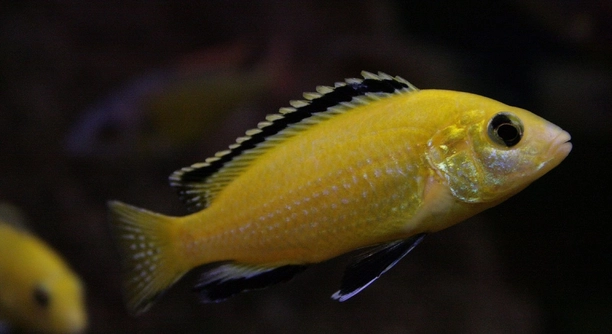
Electric Yellow Cichlids are vibrant fish that brighten any freshwater tank. Sometimes, they display unusual behaviors that catch the attention of hobbyists. One common action is pecking at the glass, which can be surprising and puzzling for aquarium owners.
Pecking at glass in Electric Yellow Cichlids is typically a sign of territorial behavior or stress. This action may indicate environmental discomfort, lack of stimulation, or conflicts with tank mates. Addressing tank conditions often reduces this repetitive behavior effectively.
Observing your cichlid’s behavior carefully can reveal important clues about its well-being. Understanding why it pecks helps ensure a healthier, more harmonious tank environment for both the fish and its owner.
Reasons Electric Yellow Cichlids Peck at Glass
Electric Yellow Cichlids often peck at glass due to stress, boredom, or territorial instincts. Tanks that are too small, overcrowded, or lacking hiding spots can trigger this behavior. Changes in water quality, like fluctuating pH or temperature, may also cause irritation. Some cichlids respond to reflections on the glass, mistaking them for rival fish, which increases aggression. Providing decorations, plants, and caves helps reduce stress and gives fish areas to explore. Regular maintenance, including water changes and monitoring conditions, can prevent pecking caused by environmental discomfort. Overfeeding or underfeeding may also affect behavior, as hungry or restless fish look for stimulation. Observation is key; by noticing patterns, you can identify triggers early and adjust the tank setup. Addressing these factors ensures your cichlid is calmer and reduces repetitive glass-pecking incidents, improving its overall health and comfort in the aquarium.
Environmental factors often influence this behavior more than anything else. Adjusting the tank setup usually reduces pecking.
Providing proper hiding spots and enriching the tank environment encourages natural activity and decreases stress. This prevents obsessive behavior and promotes a healthier daily routine.
How to Reduce Glass Pecking
Creating a suitable environment minimizes stress and reduces aggressive actions like glass pecking. Ensuring enough space, stable water conditions, and proper diet keeps the fish engaged.
To reduce pecking, start by checking tank size and decorations. Introduce plants or rocks to break lines of sight, which limits territorial disputes. Consistent feeding schedules prevent restlessness, and monitoring water quality prevents discomfort that triggers repetitive behavior. Reducing reflections on the glass by using background covers or adjusting lighting helps lessen perceived threats. Adding compatible tank mates carefully can provide social interaction, but overcrowding should be avoided. Observing your cichlid daily allows early identification of stress signs, so you can adjust conditions quickly. With patience and careful adjustments, glass-pecking behavior usually decreases. These steps not only improve the fish’s mental well-being but also maintain a calmer, more visually appealing aquarium. Consistent care and environmental enrichment ensure your Electric Yellow Cichlid thrives while minimizing unwanted behaviors.
Tank Conditions and Their Impact
Poor tank conditions often trigger glass-pecking behavior in Electric Yellow Cichlids. Overcrowding, insufficient hiding spots, or unstable water parameters can stress fish, causing repetitive actions. Maintaining proper conditions is key to reducing this behavior.
Monitoring water quality is essential. Fluctuations in temperature, pH, or ammonia levels can irritate fish, leading them to peck at the glass. Overcrowded tanks increase aggression, while a lack of hiding spaces leaves cichlids feeling exposed. Using a reliable water testing kit, performing regular water changes, and arranging decorations strategically helps create a stable and comfortable environment. This reduces stress and encourages calmer, more natural behavior in the tank.
Tank setup also affects mental stimulation. Providing rocks, caves, and plants gives Electric Yellow Cichlids areas to explore and claim as territory. Stimulation reduces boredom-driven pecking. Fish without adequate enrichment may continue repetitive behavior, even in otherwise clean tanks. Adjusting tank decor gradually allows fish to adapt comfortably, promoting long-term well-being and a more peaceful aquarium atmosphere.
Diet and Feeding Practices
A poor diet or irregular feeding schedule can lead to restless behavior and glass pecking in cichlids. Proper nutrition helps maintain calm and healthy fish.
Feeding a balanced diet prevents hunger-driven aggression. High-quality pellets or flakes, supplemented with occasional live or frozen foods, provide essential nutrients. Inconsistent feeding times can make cichlids anxious, increasing repetitive actions. Observing how much your fish eat and removing excess food prevents water quality issues that could worsen stress. Feeding smaller amounts multiple times a day mimics natural patterns, keeping fish engaged and content.
Diet directly affects energy levels and activity. Cichlids that lack sufficient nutrients may become hyperactive or bored, leading to pecking at glass. Introducing varied foods, including protein-rich and plant-based options, supports overall health and reduces the likelihood of stress-induced behaviors. Consistent feeding practices combined with environmental enrichment allow fish to develop routines and feel secure in their habitat, fostering calmer, more stable behavior while maintaining vibrant coloration and vitality.
Social Behavior and Tank Mates
Electric Yellow Cichlids can show glass-pecking when interacting with other fish. Aggressive or incompatible tank mates may trigger territorial behavior. Properly chosen companions reduce stress and encourage calmer interactions.
Observing how your cichlid behaves with others helps identify tension. Providing adequate space and hiding spots allows fish to coexist peacefully, minimizing repetitive pecking.
Reflections and Visual Triggers
Reflections in the tank glass often confuse cichlids, making them think rivals are nearby. This can increase pecking behavior and stress levels.
Positioning the tank away from direct light or adding background covers limits reflections. This simple adjustment reduces perceived threats, helping cichlids feel safer and more secure, ultimately decreasing repetitive glass-pecking behavior.
Recognizing Stress Signs
Stress in Electric Yellow Cichlids shows through constant hiding, rapid swimming, or loss of appetite. Early recognition allows timely intervention.
Monitoring behavior consistently helps maintain a healthy environment. Adjusting water conditions, diet, and tank setup when stress is noticed can prevent escalation and improve overall fish well-being.
FAQ
Why is my Electric Yellow Cichlid pecking at the glass so often?
Frequent glass-pecking is usually linked to stress, territorial instincts, or environmental issues. Small tanks, aggressive tank mates, poor water conditions, or lack of hiding spots can all trigger this behavior. Reflections in the glass may also confuse the fish, making it think rivals are nearby. Observing your cichlid’s daily routine can help identify triggers. Adjusting the tank setup, providing hiding places, and maintaining stable water parameters often reduces repetitive pecking and promotes calmer behavior.
Can pecking at glass harm my fish?
In most cases, pecking at glass does not physically harm cichlids. However, constant stress and frustration from this behavior can affect overall health, appetite, and coloration. Chronic stress may weaken the immune system, making the fish more susceptible to disease. Ensuring a stable environment, proper diet, and adequate enrichment is essential to prevent negative health impacts over time.
How do I stop my cichlid from pecking at glass?
Reducing glass-pecking involves creating a stable, enriched environment. Introduce decorations, rocks, and plants to provide hiding spots and reduce boredom. Ensure the tank is the correct size and avoid overcrowding. Keep water quality consistent, and monitor feeding routines to prevent hunger-related stress. Adjust lighting or add backgrounds to reduce reflections. Over time, these changes help cichlids feel secure and minimize repetitive behaviors.
Does diet affect glass-pecking behavior?
Yes, diet plays a significant role in behavior. A balanced diet of high-quality pellets or flakes, supplemented with live or frozen foods, keeps cichlids healthy and less restless. Irregular feeding or underfeeding can cause anxiety or hyperactivity, increasing pecking. Consistent feeding schedules and appropriate portions help maintain calm and normal activity.
Will tank mates influence pecking behavior?
Absolutely. Aggressive or incompatible fish can trigger territorial displays, including glass-pecking. Choosing compatible tank mates and providing enough space allows cichlids to establish territory without stress. Observing interactions and adjusting the environment can prevent conflicts and reduce repetitive behavior.
Are reflections really a problem for cichlids?
Reflections can confuse cichlids, making them think there is another fish challenging them. This can lead to repeated pecking at the glass. Using a background or repositioning the tank to reduce light exposure helps limit reflections and perceived threats, calming the fish.
Can stress alone cause this behavior?
Stress is a primary reason for repetitive behaviors like glass-pecking. Changes in water quality, sudden movements outside the tank, overcrowding, or lack of enrichment all contribute to stress. Maintaining a predictable, clean, and stimulating environment reduces stress and promotes natural behavior patterns.
How long does it take for pecking behavior to stop?
The timeline varies depending on the cause and adjustments made. With proper tank setup, enrichment, stable water, and compatible companions, many cichlids show improvement within a few weeks. Monitoring behavior and making gradual adjustments ensures the fish adapts comfortably and reduces repetitive pecking over time.
Is this behavior common in all cichlids?
While pecking at glass is more noticeable in Electric Yellow Cichlids, other species with strong territorial instincts can display similar behavior. Understanding each species’ temperament and needs helps prevent stress-induced actions and promotes a harmonious aquarium environment.
Should I be worried if my cichlid pecks occasionally?
Occasional pecking is generally normal and may simply indicate curiosity or minor territorial instinct. Frequent or aggressive pecking, however, signals stress or environmental issues. Observing the frequency and intensity of the behavior, along with overall health and activity, helps determine if intervention is needed.
What environmental changes are most effective in reducing glass-pecking?
Adding plants, rocks, and caves provides stimulation and hiding spots. Ensuring proper tank size and limiting overcrowding reduces territorial stress. Maintaining consistent water quality, reducing reflections, and keeping a steady feeding schedule are all effective strategies for calming cichlids and decreasing repetitive pecking behaviors.
Can adding more fish help reduce pecking?
Introducing compatible tank mates may help by providing social interaction, but overcrowding can worsen aggression and stress. Careful planning and observation are necessary. Proper spacing, hiding areas, and balanced group dynamics ensure that added companions reduce boredom and promote calm behavior rather than escalate conflicts.
Is this behavior a sign of illness?
Pecking alone is not usually a sign of illness, but it can indicate stress, which may compromise immunity over time. Watch for other symptoms like lethargy, loss of appetite, or unusual spots. Early intervention and maintaining a healthy tank environment prevent potential health issues from developing.
How important is tank size in preventing this behavior?
Tank size is crucial. Small or overcrowded tanks increase stress and territorial aggression, often triggering repetitive glass-pecking. Providing enough space for swimming and establishing territories helps cichlids feel secure, reducing the likelihood of stress-induced behaviors and improving overall well-being.
What role does enrichment play in preventing pecking?
Enrichment keeps cichlids mentally stimulated and reduces boredom. Rocks, caves, plants, and other structures give the fish areas to explore and claim as territory. A well-enriched tank encourages natural behaviors, distracts from glass-pecking, and supports a healthier, more active lifestyle.
Can lighting adjustments reduce glass-pecking?
Yes, bright lights and reflections can trigger pecking by making cichlids perceive threats. Using dimmer lighting or tank backgrounds reduces reflections and stress, helping fish feel secure. Proper lighting also supports natural behavior patterns and promotes calmer activity throughout the day.
Is frequent observation necessary?
Consistent observation is important to identify stress triggers, monitor health, and adjust tank conditions. Noticing changes early allows for timely intervention, helping to prevent escalation of repetitive glass-pecking and ensuring the fish remain healthy and comfortable in their environment.
How do I know if my interventions are working?
Improvements are seen when glass-pecking decreases, fish appear calmer, and activity becomes more natural. Changes in appetite, coloration, and interactions with tank mates also indicate progress. Monitoring behavior over several weeks helps assess whether adjustments are effective and sustainable.
Are certain ages or sizes more prone to glass-pecking?
Younger or more territorial cichlids may exhibit this behavior more frequently as they establish territory or explore their environment. Adult fish may display it less often if conditions are stable. Age and developmental stage influence the intensity and frequency of pecking, but environmental factors remain the primary cause.
Can stress from outside the tank cause pecking?
External stressors like sudden movements, loud noises, or frequent disturbances near the tank can trigger temporary glass-pecking. Creating a calm environment around the aquarium reduces stress, allowing cichlids to feel secure and minimizing repetitive behaviors.
Does water flow affect pecking behavior?
Inadequate or excessive water flow can cause discomfort, leading to increased stress and pecking. Ensuring moderate flow that suits the species’ natural habits keeps cichlids comfortable and supports healthier, calmer behavior in the tank.
Are there any behavioral supplements or additives that help?
Behavioral supplements are rarely necessary if environmental conditions, diet, and enrichment are managed correctly. Maintaining a balanced approach to care is usually sufficient to reduce stress and repetitive glass-pecking without relying on chemical additives or stimulants.
How do I balance multiple solutions effectively?
Combining proper tank size, stable water conditions, enrichment, compatible companions, and consistent feeding creates an environment that minimizes stress. Observation allows gradual adjustments, ensuring each factor works together to reduce glass-pecking and promote long-term well-being for your Electric Yellow Cichlids.
Final Thoughts
Electric Yellow Cichlids are vibrant, active fish that bring color and life to a freshwater tank. Their behavior can be fascinating, but glass-pecking is one action that can cause concern. This behavior is often linked to stress, boredom, or territorial instincts. It can be triggered by reflections in the glass, aggressive tank mates, poor water conditions, or a lack of hiding spots and enrichment. Observing your cichlid daily and noticing patterns in behavior is the first step toward understanding why it pecks at the glass. By paying attention to these small details, you can make practical changes that reduce stress and promote calmer behavior. A consistent routine and a well-maintained environment are key to supporting the fish’s well-being.
Maintaining proper tank conditions is one of the most effective ways to prevent repetitive behaviors like glass-pecking. Ensuring the tank is the correct size, avoiding overcrowding, and providing plenty of decorations such as rocks, caves, and plants gives the fish areas to explore and claim as territory. Water quality is equally important; stable temperature, pH, and ammonia levels help keep fish comfortable. Diet also plays a significant role in behavior. Feeding high-quality pellets or flakes, along with occasional live or frozen foods, ensures the fish receives balanced nutrition. Consistent feeding schedules reduce anxiety and hyperactivity, which can contribute to pecking. Combining environmental enrichment, proper diet, and stable water parameters creates a balanced habitat that encourages natural activity and reduces stress-driven behaviors.
Monitoring interactions with tank mates is another important factor. Aggressive or incompatible companions can increase territorial behavior and trigger glass-pecking. Providing enough space and observing how the fish behave with each other allows for adjustments that promote peaceful coexistence. Reflections and bright lighting should also be considered, as they can make cichlids perceive threats where none exist. Simple adjustments, like adding a tank background or repositioning lights, often reduce these triggers. Overall, consistent care, observation, and attention to the environment are essential to supporting the health and happiness of Electric Yellow Cichlids. With patience and proper management, glass-pecking can be minimized, allowing your fish to thrive and display their natural, vibrant behavior in a safe and comfortable habitat.

Hello,
If you enjoy the content that we create, please consider saying a "Thank You!" by leaving a tip.
Every little bit helps us continue crafting quality advice that supports the health, happiness, and well-being of pets around the world, for pets of all shapes, sizes, and species.
We really appreciate the kindness and support that you show us!