
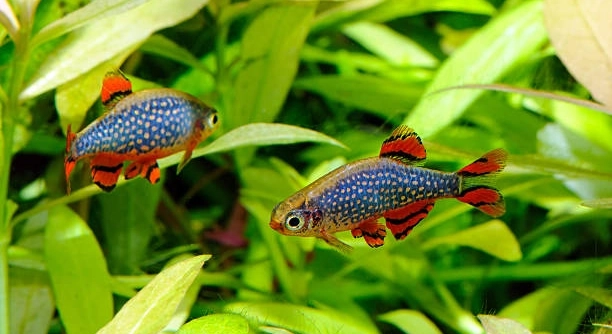
Danios are lively freshwater fish that often show unique behaviors, especially at night. Observing their nocturnal activities can reveal important insights into their well-being and how they interact with their environment during quieter hours.
At night, danios exhibit a range of behaviors including resting in groups, exploring the tank more cautiously, reducing activity, and occasionally displaying sudden bursts of movement. Monitoring these patterns helps identify health issues, stress responses, and environmental preferences.
Understanding these nighttime behaviors can improve care routines and ensure a healthier, more comfortable habitat for your danios. It highlights the subtle ways they communicate and respond to their surroundings.
Resting Patterns and Preferred Spots
Danios often choose specific areas of the tank to rest at night. Some prefer corners near decorations, while others stay close to plants or near the substrate. These spots provide a sense of security, allowing them to feel sheltered from potential disturbances. Observing where your danios settle can reveal their comfort levels and social dynamics. Group resting is common, as it offers warmth and a feeling of safety. Fish that separate from the group occasionally may be stressed, ill, or simply exploring the tank quietly. Lighting can influence resting behavior, with brighter tanks encouraging hiding or reduced movement. Some danios remain near the water surface, while others prefer mid or lower levels. Regularly noting these patterns can help you identify deviations, which may signal health issues or environmental stress. Adjusting tank décor or lighting gently can improve their nighttime comfort, helping them feel secure while maintaining natural behavior.
Danios usually prefer dim lighting for resting, with softer illumination promoting calm and consistent nighttime patterns.
Observing resting spots consistently can help detect early signs of illness or stress. Changes in preferred locations, restlessness, or staying isolated may indicate discomfort, water quality issues, or disease. By maintaining stable lighting, temperature, and décor, you can ensure danios feel secure, supporting their overall health and natural behavior. Monitoring these subtle habits makes it easier to respond quickly to potential problems before they escalate, allowing your fish to thrive in a stable environment.
Nocturnal Feeding and Activity
Some danios may remain slightly active at night, searching for food or exploring the tank.
Evening activity is typically lower than daytime behavior, but it can reveal feeding habits, appetite, and energy levels, which are useful for adjusting care routines.
Monitoring nocturnal activity helps track dietary health. Fish that continue to explore or nibble at the substrate may have a higher metabolism or feel less secure during the day. Sudden bursts of movement or chasing others at night could signal stress or overpopulation. Providing occasional nighttime feeding with small portions can be beneficial, but it should be done carefully to avoid water quality issues. Activity patterns also reflect tank conditions; overcrowded or poorly decorated tanks may increase nighttime stress. Observing how danios move, interact, and rest during night hours allows for better tank management. Adjusting feeding times, tank layout, and lighting can enhance their comfort and reduce nighttime agitation, ensuring your danios maintain healthy, natural rhythms.
Nighttime Schooling Behavior
Danios often stick together at night, forming loose schools even when the tank is calm. This behavior provides safety and reassurance, helping them feel less vulnerable during darker hours. Observing their group movement can reveal comfort levels and social dynamics among the fish.
Schooling at night is usually slower and less coordinated than daytime activity. Fish move in small clusters, sometimes circling decorations or hovering near plants. This behavior reduces stress and offers warmth through proximity, especially for younger or smaller danios. Fish that break away from the group may be exploring or showing signs of stress or illness. Tank conditions, such as lighting and temperature, influence schooling patterns, and consistent observation helps identify unusual behavior. Understanding these patterns allows for better tank management and ensures that all fish feel secure during nighttime.
While some danios show brief bursts of activity at night, they typically return to the group quickly. This balance of movement and rest supports healthy development and maintains their natural instincts.
Substrate Interaction and Exploration
Danios often investigate the substrate during nighttime hours, foraging or brushing against surfaces while moving slowly. This is a natural part of their environment interaction and helps maintain their senses.
Substrate exploration can indicate curiosity or mild restlessness. Fish may sift through gravel, nibble at small debris, or interact with plants. Patterns vary among individuals, and some danios focus more on mid-water areas while others prefer bottom layers. This behavior also aids in detecting potential food particles, although overfeeding during the day can reduce nighttime substrate activity. Watching these interactions can reveal appetite changes or early signs of illness, such as lethargy or unusual scraping. Tank layout influences exploration, as cluttered areas may limit movement while open sections encourage more foraging.
Consistent observation of substrate activity allows adjustment of tank maintenance, feeding schedules, and décor placement. Noticing subtle changes in interaction can indicate shifts in comfort, health, or environmental satisfaction, helping maintain a stable habitat for all the danios.
Light Sensitivity and Movement
Danios adjust their activity based on light levels, often slowing down when the tank dims. They move cautiously near shaded areas and decorations, using natural instincts to stay alert while resting.
Sudden bright light at night can startle them, causing quick dashes or temporary hiding. Maintaining gentle lighting supports calm behavior and reduces unnecessary stress, helping them remain settled throughout nighttime hours.
Interaction with Tank Mates
Danios show subtle social behaviors at night, including gentle nudging or hovering near companions. These interactions reinforce social bonds and hierarchy within the group. Observing these behaviors helps gauge comfort levels and overall social harmony in the tank.
Occasional Nighttime Spasms
Some danios exhibit brief, spontaneous twitches or bursts of movement at night. These are usually normal and reflect natural muscle activity or minor startle responses. Monitoring frequency helps ensure they remain healthy and not stressed.
Restlessness Before Dawn
Danios may show increased activity shortly before the lights come on. This behavior signals preparation for daytime feeding and exploration, reflecting natural circadian rhythms and anticipation of routine.
FAQ
Why do my danios seem more active at night than during the day?
Some danios naturally have bursts of nocturnal activity. This can be influenced by tank lighting, water temperature, or feeding schedules. Fish may explore quieter areas, interact with companions, or forage along the substrate. Occasional nighttime movement is normal and does not indicate a problem unless it becomes excessive or erratic.
Is it normal for danios to hide in decorations at night?
Yes, seeking shelter is a natural behavior. Hiding provides a sense of security and reduces stress. Danios often choose spots near plants, rocks, or corners. Frequent hiding during the day, however, may indicate stress, poor water quality, or illness, so it’s important to monitor changes.
Why do my danios school more tightly at night?
Tighter schooling at night is a protective behavior. Fish feel safer in groups when visibility is low. This behavior also helps maintain warmth and reduces stress. Some individuals may briefly leave the school to explore, which is normal, but consistent separation may suggest discomfort or health issues.
What does substrate exploration at night mean?
Substrate activity usually indicates curiosity, foraging, or mild restlessness. Fish may nibble at small particles, sift gravel, or interact with plants. Reduced substrate exploration can suggest overfeeding during the day, while excessive activity may point to stress or water quality issues. Monitoring patterns helps maintain healthy feeding and tank conditions.
Why do my danios twitch or spasm occasionally at night?
Brief twitches or sudden bursts of movement are often normal and reflect muscle activity or minor startle responses. Spasms should be infrequent and short. Frequent, prolonged, or violent twitching could indicate stress, poor water conditions, or illness, and may require closer observation or intervention.
How does light affect nighttime behavior?
Danios are sensitive to sudden bright lights. Dim or gentle lighting encourages calm behavior and reduces stress. Sudden flashes can startle them, causing rapid movement or hiding. Maintaining a consistent light cycle helps regulate activity and supports natural circadian rhythms, keeping fish comfortable throughout the night.
Do danios need nighttime feeding?
Nighttime feeding is generally unnecessary for healthy danios if they receive proper daytime meals. Overfeeding at night can lead to poor water quality and health issues. Observing occasional substrate nibbling at night is normal and usually does not indicate hunger. Careful monitoring ensures they maintain a healthy diet without overfeeding.
Can nighttime behavior indicate illness?
Yes, changes in normal patterns can signal health problems. Excessive hiding, persistent restlessness, erratic swimming, or separation from the group may indicate stress, infection, or water quality issues. Keeping notes on behavior and tank conditions can help identify early warning signs and prevent serious illness.
Why do danios become more active before dawn?
Activity before lights come on reflects natural circadian rhythms. Fish prepare for daytime feeding and exploration, often moving to the mid or upper levels of the tank. This behavior is normal and indicates they are following predictable routines, adjusting to light cues and anticipated feeding times.
How can I make my tank comfortable for nighttime behaviors?
Provide gentle lighting, secure hiding spots, and stable water conditions. Observe resting patterns, schooling behavior, and substrate exploration to ensure comfort. Adjust decorations, feeding schedules, or lighting gradually if changes in behavior occur. A stable, well-maintained tank encourages natural nocturnal activity and overall health.
Are sudden nighttime bursts of movement harmful?
Short bursts of movement are typically harmless and part of natural activity patterns. They may result from muscle adjustments or mild startle responses. Prolonged, violent, or frequent bursts, however, may indicate stress, poor water conditions, or disease, requiring careful observation and prompt adjustments.
Do all danios behave the same at night?
Individual differences exist. Some may rest more, hide often, or school tightly, while others explore actively or show short bursts of movement. Observing each fish’s habits helps identify normal behavior versus signs of stress, illness, or environmental discomfort.
How often should I observe nighttime behaviors?
Regular observation, especially during the first few hours after lights dim, helps track resting, schooling, and substrate interactions. Taking notes on patterns and deviations can identify stress, health concerns, or tank issues. Consistency allows you to respond promptly and maintain a stable environment for your danios.
Can changes in tank conditions alter nighttime behavior?
Yes. Temperature shifts, lighting changes, water chemistry, and décor adjustments can influence rest, exploration, and schooling. Gradual changes reduce stress and help danios adapt. Monitoring behavior after changes ensures the tank remains a secure and comfortable environment.
Is it necessary to separate danios at night?
Separation is rarely needed unless aggressive behavior occurs or one fish is ill. Danios generally thrive in groups and benefit from social interaction. Observing group dynamics can help identify if separation is required temporarily for health or stress management.
Danios are small but lively fish that display a wide range of behaviors at night, many of which are easy to overlook if you do not pay close attention. Observing their resting patterns, schooling habits, and substrate interactions can provide useful insight into their overall well-being. Nighttime is when many subtle behaviors emerge, including gentle movement, short bursts of activity, and social interactions that are less obvious during the day. Understanding these behaviors can help you maintain a healthier, more balanced tank environment, ensuring your fish feel safe and comfortable while reducing stress. While each danio may behave slightly differently, there are common patterns that can serve as indicators of health and comfort.
Paying attention to how your danios respond to light, interact with tank mates, and choose resting spots is essential for maintaining their habitat. Gentle lighting, appropriate decorations, and consistent water conditions all influence nighttime behaviors. Schooling at night helps them feel secure, while hiding in plants or near decorations provides shelter and reassurance. Substrate exploration and occasional bursts of movement are normal, reflecting natural instincts and curiosity. By observing these patterns, you can spot early signs of stress, illness, or environmental issues before they become serious. Adjusting tank conditions gradually and maintaining routine care promotes natural behavior and overall well-being. Monitoring nighttime activity is not just a matter of curiosity—it is a practical way to support the health of your fish.
Ultimately, understanding danios’ nighttime behaviors allows you to create a more stable and secure tank environment. Awareness of their natural rhythms, social interactions, and responses to light and décor can improve your ability to care for them effectively. Minor adjustments, such as changing lighting schedules, rearranging hiding spots, or ensuring proper feeding routines, can make a noticeable difference in how comfortable and active your fish feel. Observing these small details provides insight into their health, allowing you to respond to issues promptly. Maintaining a calm and consistent environment encourages natural behaviors, reduces stress, and supports a longer, healthier life for your danios. Over time, being attentive to their nighttime habits helps you better understand their needs and strengthens your ability to provide a habitat where they can thrive, reflecting a careful balance between routine care and natural behavior.

Hello,
If you enjoy the content that we create, please consider saying a "Thank You!" by leaving a tip.
Every little bit helps us continue crafting quality advice that supports the health, happiness, and well-being of pets around the world, for pets of all shapes, sizes, and species.
We really appreciate the kindness and support that you show us!