
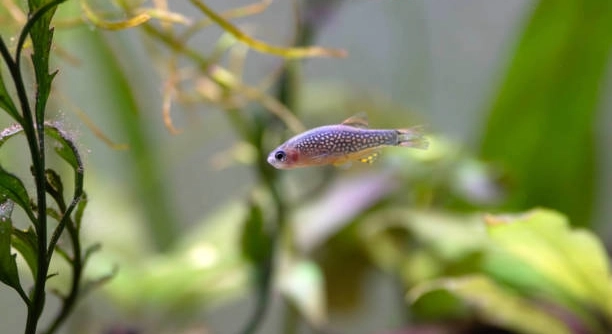
Are your danio tanks turning cloudy despite regular maintenance? Cloudy water can make your aquarium look neglected and affect the health of your fish. Many hobbyists face this issue, often struggling to identify the root cause or solution.
Cloudy water in danio tanks is primarily caused by bacterial blooms, overfeeding, or inadequate filtration. Addressing these factors through proper cleaning, controlled feeding, and suitable filtration ensures clearer water and a healthier environment for the fish to thrive.
These quick fixes will help restore clarity and maintain a balanced aquatic habitat, ensuring your danios stay active and vibrant in their tank.
Check Your Filtration System
A weak or clogged filter is often the main reason for cloudy water in a danio tank. Over time, filters can accumulate debris, reducing their efficiency. Ensuring the filter is properly sized for your tank is essential, as undersized filters struggle to process all the water effectively. Regular maintenance, including rinsing filter media in tank water, prevents harmful bacteria from building up and keeps the water clearer. Avoid using tap water with chlorine when cleaning filter components, as it can harm beneficial bacteria needed for breaking down waste. Consider upgrading to a higher-capacity filter if your current one struggles to maintain water quality. Additionally, check that the filter flow rate is appropriate. Too low a flow allows debris to settle, while too strong a flow can stress danios. Observing your tank daily helps identify early signs of poor filtration, giving you the chance to act before water clarity worsens. A well-maintained filtration system is key to a healthy aquarium.
Proper filtration ensures the tank water cycles correctly, supporting fish health and clearer water.
A functioning filter removes excess waste and debris, stabilizes water chemistry, and supports beneficial bacteria growth. Without it, cloudy water can persist despite regular water changes. Filters help reduce ammonia and nitrite spikes, creating a safer environment for danios. Maintaining the filter ensures consistent water flow, preventing dead zones where waste can accumulate. Cleaning media carefully preserves beneficial bacteria while keeping the system effective. Matching the filter type to tank size and fish load is critical, as overstocked or large tanks require stronger filtration. Observing fish behavior and water clarity daily helps detect filter issues early. By investing time in proper filtration care, cloudy water becomes less frequent, and your danios remain healthy and active, enjoying an environment that supports natural behavior and growth.
Control Feeding Amounts
Overfeeding is a common cause of water cloudiness, as uneaten food decays and increases waste.
Feeding smaller portions prevents leftover food from decomposing and maintains water clarity.
Measuring daily portions ensures danios consume all the food, reducing excess nutrients that encourage bacterial blooms. Observing fish during feeding helps gauge how much they can eat within a few minutes, adjusting as needed. Avoid scattering large amounts of flakes or pellets, as excess quickly sinks and pollutes the tank. Using sinking or slow-dissolving food can also reduce surface waste. Implementing a feeding schedule with consistent portions supports stable water chemistry and minimizes algae growth. Regular partial water changes complement controlled feeding, helping remove accumulated nutrients. By monitoring both quantity and frequency of feedings, cloudy water becomes less frequent. Your tank will maintain balance naturally, keeping danios active and the environment healthy, with less effort spent on repeated cleanings or water treatments.
Regular Water Changes
Performing regular water changes reduces cloudiness caused by excess waste and dissolved organics. Replacing 20-30% of tank water weekly helps maintain chemical balance and supports healthy bacterial colonies that break down waste efficiently.
Water changes remove nitrates, phosphates, and leftover food particles that contribute to cloudy water. Using a siphon or gravel vacuum ensures debris from the substrate is also removed. Fresh, dechlorinated water helps stabilize pH levels, preventing sudden swings that stress danios. Consistent partial water changes keep the tank environment balanced and reduce the frequency of bacterial blooms that cause haziness. Skipping water changes allows waste to accumulate, making the tank more difficult to maintain over time. Keeping up with a schedule is the simplest way to preserve water clarity while supporting fish health.
Monitoring water clarity after each change is important. Adjust the volume or frequency if the tank remains cloudy. Combining water changes with proper feeding and filtration ensures long-term clarity and a stable environment. Observing the tank daily lets you notice subtle changes early, preventing larger problems. This approach supports danios’ natural activity and reduces stress, making the aquarium easier to maintain. Over time, consistent care keeps both water and fish in optimal condition without extra effort.
Clean Substrate Carefully
Debris trapped in gravel or sand can cloud water and contribute to bacterial growth.
Vacuuming the substrate during water changes removes accumulated waste and leftover food, preventing further cloudiness.
A clean substrate reduces the amount of organic material that decomposes in the tank, directly improving water clarity. Using a siphon allows you to reach debris deep within the gravel without disturbing the entire tank. Stirring too vigorously can release particles into the water, temporarily increasing cloudiness, so work gently. Consistent substrate maintenance prevents long-term buildup, reducing the risk of recurring bacterial blooms. For tanks with live plants, avoid removing essential roots or disturbing plant structures while cleaning. Combining substrate cleaning with regular water changes and controlled feeding creates a balanced environment that keeps danios healthy and the water clear. Maintaining the substrate also supports beneficial bacteria growth, aiding in natural waste processing.
Avoid Overcrowding
Too many danios in one tank increases waste and cloudiness. Keeping a proper fish-to-water ratio reduces stress and maintains water clarity.
Overcrowding also limits swimming space and oxygen availability. Maintaining a balanced number of fish ensures healthier water conditions and more active, vibrant danios.
Use a Water Conditioner
Adding a water conditioner neutralizes chlorine, chloramine, and heavy metals that can harm fish and disrupt bacterial balance. This supports clearer water and a healthier tank environment.
Introduce Live Plants
Live plants absorb excess nutrients, reducing algae growth and cloudiness. They contribute to a stable ecosystem, improving overall water quality and supporting danios’ natural behavior.
Limit Light Exposure
Excessive light promotes algae growth, which can cloud the water. Controlling light duration helps maintain a balanced tank environment and clearer water.
FAQ
Why is my danio tank cloudy even after a water change?
Cloudiness can persist if underlying issues aren’t addressed. Overfeeding, weak filtration, or debris trapped in the substrate can all contribute to continued haziness. Regular maintenance, proper feeding amounts, and effective filtration usually clear the water within a few days.
How often should I clean my filter?
Filters should be checked weekly and cleaned every 2-4 weeks, depending on tank size and fish load. Rinsing filter media in dechlorinated tank water preserves beneficial bacteria while keeping the system efficient. Avoid using tap water directly, as it can harm bacterial colonies.
Can cloudy water harm my danios?
Cloudy water itself isn’t directly harmful but usually indicates high levels of waste or bacteria. Poor water quality can stress fish, weaken their immune system, and increase susceptibility to disease. Maintaining clear water improves overall health and activity.
Is overfeeding a common cause of cloudiness?
Yes. Uneaten food decomposes and increases nutrients in the water, promoting bacterial blooms and algae growth. Measuring portions carefully ensures all food is eaten quickly, reducing waste and preventing recurring cloudiness.
Will adding live plants help with water clarity?
Live plants absorb excess nutrients, lowering the risk of algae and bacterial blooms. They also improve oxygen levels and provide a more natural environment for danios, which supports their health and behavior.
How much water should I change each week?
Partial water changes of 20-30% weekly are generally sufficient to remove waste, stabilize water chemistry, and support beneficial bacteria. Larger changes may be necessary if the tank is heavily stocked or particularly cloudy.
Can cloudy water indicate disease?
Sometimes, but usually it’s related to environmental factors like bacteria, overfeeding, or poor filtration. Persistent cloudiness should prompt water testing to check ammonia, nitrite, and nitrate levels, which helps rule out disease-related causes.
Does tank size affect cloudiness?
Yes. Smaller tanks are more prone to rapid water quality changes, making them susceptible to cloudiness. Larger tanks with proper filtration and maintenance maintain more stable conditions, reducing the frequency of cloudy water.
Can I use chemical treatments to clear cloudy water?
While water clarifiers exist, they don’t address underlying causes like waste buildup or overfeeding. They can be used as a temporary fix, but consistent maintenance and proper tank care are the most effective solutions.
How can I prevent future cloudiness?
Maintaining a proper feeding schedule, cleaning the substrate, performing regular water changes, monitoring the filter, and limiting light exposure are key steps. Combining these practices ensures clear water, healthier danios, and a stable aquarium environment.
What if the cloudiness returns after following all steps?
Persistent cloudiness may indicate an imbalance in bacterial colonies or overstocking. Testing water parameters, reviewing filtration capacity, and checking for decaying plant matter or hidden waste often identifies the remaining problem.
Are certain types of danios more prone to cloudiness?
No specific species is prone to causing cloudy water, but higher activity levels or larger groups produce more waste. Maintaining proper stocking levels and feeding routines keeps water clear regardless of species.
Can cloudy water affect tank decorations?
Yes. Debris and bacterial buildup can coat ornaments, making them look dirty. Regular cleaning of decorations during water changes helps maintain both appearance and water quality.
How long does it take for a tank to clear?
With proper filtration, feeding control, and water changes, most tanks clear within 2-5 days. Severe cases may take longer, but consistent maintenance prevents recurring issues and promotes a stable, clear environment.
Is cloudy water more common in new tanks?
Yes. Newly set up tanks often experience bacterial blooms as the nitrogen cycle establishes. This “new tank syndrome” is temporary and resolves once beneficial bacteria stabilize and proper maintenance routines begin.
Can I rely on tap water for water changes?
Tap water must be treated with a conditioner to remove chlorine and chloramine before adding it to the tank. Untreated tap water can harm beneficial bacteria and stress danios, increasing the risk of cloudiness.
How do I monitor tank health effectively?
Observe water clarity, fish behavior, and equipment function daily. Testing for ammonia, nitrite, nitrate, and pH weekly helps identify issues early, preventing cloudiness and supporting a balanced aquatic environment.
Do temperature fluctuations cause cloudy water?
Sudden temperature changes can stress fish and affect bacterial activity, indirectly contributing to water cloudiness. Maintaining stable water temperature within the recommended range for danios supports clarity and overall tank health.
Is it okay to combine all these fixes at once?
Yes. Implementing multiple practices—water changes, substrate cleaning, proper feeding, and filtration maintenance—together ensures quicker results and a healthier, clearer tank. Gradual, consistent care prevents recurring cloudiness and supports long-term stability.
What is the simplest long-term solution for clear water?
Regular maintenance routines, proper feeding, effective filtration, and careful observation form the foundation for consistently clear water. Combining these practices keeps danios healthy and reduces effort needed to manage cloudiness over time.
Final Thoughts
Maintaining a clear danio tank requires consistent care and attention to several factors at once. Filtration, feeding, water changes, and substrate maintenance all work together to keep water healthy and clear. Ignoring one aspect can quickly lead to cloudiness, which not only affects the appearance of the tank but also the well-being of your fish. While cloudy water is often linked to bacterial blooms or overfeeding, it is usually preventable with careful management. A reliable filtration system is essential, as it removes waste and supports the growth of beneficial bacteria that process organic material. Coupled with regular partial water changes, a properly maintained filter can significantly reduce the chances of hazy water. Observing your tank daily helps catch small problems before they grow, ensuring your danios remain healthy and active. Over time, these practices become routine and easier to manage, creating a stable environment without constant stress or worry.
Controlled feeding is another important factor in preventing cloudy water. Overfeeding leads to uneaten food decomposing in the tank, increasing nutrients that fuel bacterial growth and algae. Measuring portions and providing only what your danios can consume in a few minutes keeps waste under control. Sinking or slow-dissolving foods can also help, as they reduce leftovers that float or settle in the substrate. Combining feeding control with substrate cleaning removes accumulated debris that contributes to cloudiness. Live plants can also assist by absorbing nutrients from excess food and waste, while limiting light exposure prevents algae from multiplying too quickly. Together, these methods create a balanced environment where water remains clear and the fish are less stressed. Small changes in daily care can make a noticeable difference in water quality, making the tank more enjoyable and easier to maintain over time.
Patience and consistency are key when managing a danio tank. Cloudy water rarely clears instantly, even with proper maintenance, so monitoring progress over several days is important. Using water conditioners and other treatments may offer temporary clarity, but addressing the root causes ensures long-term stability. Tank size, fish population, and the type of decorations or substrate also play a role in maintaining water clarity. Properly planning the tank setup from the start reduces future challenges, but adjustments can always be made to improve conditions. By focusing on routine care and observation, you create a healthier environment for your danios while minimizing the risk of recurring cloudiness. In the long run, the combination of consistent filtration, controlled feeding, regular water changes, and careful cleaning makes tank maintenance straightforward and effective. This approach supports not only clearer water but also a more vibrant and active community of fish, providing a pleasant and balanced aquatic habitat for years to come.

Hello,
If you enjoy the content that we create, please consider saying a "Thank You!" by leaving a tip.
Every little bit helps us continue crafting quality advice that supports the health, happiness, and well-being of pets around the world, for pets of all shapes, sizes, and species.
We really appreciate the kindness and support that you show us!