
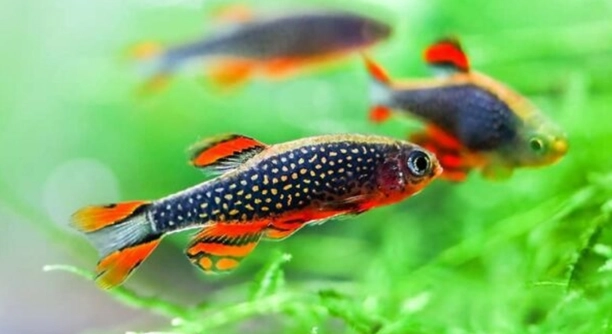
Many fish owners enjoy keeping danios because of their lively behavior and bright colors. Watching them swim can be relaxing, but noticing changes in their eating habits or energy levels can be worrying.
Danios may require a diet change when signs such as weight gain, bloating, lethargy, uneven growth, fin deterioration, or digestive issues become apparent. Adjusting their nutrition ensures optimal health, proper growth, and overall well-being in their aquatic environment.
Monitoring their behavior and appearance can reveal subtle issues early, allowing for timely adjustments to keep danios healthy and active for years to come.
Sudden Weight Gain
Danios that gain weight quickly often need a closer look at their diet. Overfeeding or offering too many high-fat foods can lead to bloating and obesity, which may harm their organs. I once noticed my own danios becoming rounder within a few weeks. I adjusted their feeding schedule, offering smaller portions twice a day. Slowly, they returned to a healthier size, and their swimming improved. Watching them regain their energy reminded me how sensitive fish can be to what they eat. Even small changes, like switching from flake food to a balanced mix of flakes and occasional live food, can make a noticeable difference. Observing their behavior after adjusting meals is crucial. If weight gain continues, it might indicate underlying health issues beyond diet. Regular monitoring and consistent feeding practices are key to preventing further problems. Keeping a log of feeding amounts and behavior changes helped me catch issues early, ensuring my danios remained lively and healthy.
Excessive weight in danios can indicate overfeeding or poor nutritional balance, necessitating immediate diet adjustments to prevent health complications.
Paying attention to their movement and appetite helps identify when their meals need modification. Tracking portions ensures they stay active and healthy.
Loss of Energy
Danios that appear lethargic are often not receiving the nutrients they require. When mine started resting at the bottom of the tank, I realized the flakes I offered were low in protein. Increasing protein-rich foods like brine shrimp or daphnia helped restore their vitality. Lack of energy can also result from overfeeding, which stresses the fish’s system and reduces swimming activity. Temperature and water quality can also impact energy, but diet is often a primary factor. Adjusting meal frequency and portion size encouraged them to explore the tank more. Over a few days, I noticed them swimming energetically and interacting more. Vitamins in specialized foods can also aid in boosting energy levels. Consistent observation is essential. By paying attention to subtle signs such as slower movement or reduced response to feeding, it becomes easier to prevent long-term health problems. A healthy, well-fed danio exhibits bright colors, agile swimming, and a strong appetite, signaling that the diet meets their needs.
Uneven Growth
Uneven growth in danios often signals an imbalanced diet. Some fish may grow faster while others lag behind, which can affect their overall health and behavior. Adjusting their meals to ensure all receive proper nutrition is essential.
In my tank, I noticed that one danio remained noticeably smaller than the others despite eating alongside them. I realized that the larger fish were consuming most of the flakes before the smaller ones could get enough. I started separating feedings and adding finely crushed flakes to make it easier for the smaller danio to eat. Over time, its growth began to catch up. I also included occasional live food to provide extra protein and stimulate appetite. Monitoring growth patterns weekly helped me adjust portions and food types, ensuring every fish received balanced nutrition. Proper diet management prevented long-term growth disparities and kept all the danios thriving. Watching the smaller danio finally swim confidently among its peers was rewarding.
Providing a consistent feeding routine and observing behavior ensures each danio receives enough nutrients for balanced growth.
Fin Deterioration
Fin deterioration often results from poor nutrition or vitamin deficiencies. I noticed ragged edges on my danios’ fins when their diet lacked variety, particularly missing protein and essential vitamins. Adjusting their food quickly improved the situation.
I began incorporating high-quality flakes and occasional live foods like daphnia and brine shrimp. These changes strengthened their fins, improved coloration, and encouraged more active swimming. In addition, I added supplements designed for aquarium fish, which provided the missing nutrients. Over a few weeks, the fins regrew and appeared healthier. Poor diet can also make danios more prone to infections, as weak fins are less capable of protecting against minor injuries or bacterial growth. Watching the improvement was satisfying, especially when previously torn fins healed fully. Keeping a balanced and varied diet is essential for fin health, along with maintaining clean water to prevent additional stress on damaged fins. Consistent observation and adjusting diet based on appearance prevented further deterioration and supported long-term well-being.
Bloating
Bloating in danios can occur when they eat too much or consume foods that are hard to digest. I noticed one of my fish swelling slightly after several days of overfeeding. Reducing portion size helped it return to normal.
Keeping meals small and spaced out prevents digestive stress. I switched to sinking pellets and occasional vegetables, which improved digestion and reduced bloating.
Uneaten Food
Uneaten food can quickly pollute the tank, leading to poor water quality. I realized some flakes were left behind after feeding, causing cloudy water. Removing excess food immediately helped keep the tank clean and the fish healthy.
Color Fading
Color fading often indicates insufficient nutrition. My danios’ bright hues became dull when they lacked carotenoids and protein in their diet. Introducing color-enhancing flakes and live foods restored their natural vibrancy over several weeks.
Irregular Swimming
Irregular swimming patterns, such as floating sideways or struggling near the surface, can point to dietary imbalance. Adjusting food type and portion size improved stability and activity in my danios.
How often should I change my danios’ diet?
Danios benefit from a consistent but varied diet. I usually rotate between high-quality flakes, frozen or live foods, and occasional vegetable matter. Changing their diet every few weeks keeps their nutrition balanced and prevents boredom. Sudden changes can stress them, so I introduce new foods gradually. Observing their reaction helps me know if they accept it well. Consistent monitoring ensures each danio receives enough nutrients and maintains healthy growth, color, and energy.
What are the signs that danios are not getting enough protein?
Low protein can lead to lethargy, stunted growth, and pale coloring. In my experience, danios lacking protein swim less and appear less interested in food. Adding protein-rich options like brine shrimp, daphnia, or bloodworms helps restore vitality. Over a few days, I noticed improved energy levels and regained vibrant colors. Protein is crucial for fin development and overall strength, so I make sure at least one meal a day contains a protein source.
Can overfeeding be harmful to danios?
Yes, overfeeding is a common cause of bloating, uneven growth, and poor water quality. I once fed my fish too many flakes, and some developed swollen stomachs. Reducing portion sizes and feeding two small meals a day corrected the issue. Overfeeding can also encourage algae growth and bacteria in the tank, harming water quality. Watching the tank closely and removing uneaten food prevents long-term health issues.
Is it necessary to provide live food?
Live food is not strictly required, but it significantly improves nutrition and stimulates natural hunting behaviors. I often offer brine shrimp or daphnia once or twice a week. Danios enjoy the movement, which encourages activity and mental stimulation. It also supplements their diet with proteins and vitamins that flakes may lack. A mix of live and prepared foods ensures a balanced diet and supports healthy coloration, growth, and fin development.
How do I know if my danios’ diet is balanced?
Balanced diets show through energy, vibrant color, and regular growth. My danios appear active, swim energetically, and show no signs of bloating or fin deterioration. Uneaten food is minimal, and water quality stays stable. I keep a feeding log to track portions and variety, adjusting if any signs of deficiency or excess appear. Observing each fish individually ensures that smaller or slower eaters are not left behind.
What foods should I avoid feeding danios?
I avoid bread, processed human food, and anything too oily or sugary. These can cause digestive issues and water pollution. Stick to high-quality flakes, frozen or live foods, and occasional vegetables. Avoid sudden large changes in diet, as this can stress danios and reduce appetite. Monitoring their response to new foods ensures safety and health.
Can diet affect danios’ lifespan?
Absolutely. A poor diet leads to obesity, disease, and weakened immunity. Providing balanced nutrition, including proteins, vitamins, and occasional live foods, helps prevent these issues. In my experience, danios on a varied diet live longer, remain active, and maintain bright coloration. Consistent monitoring of food intake and overall health is key to supporting a full, healthy lifespan.
How should I introduce new foods to my danios?
I introduce new foods gradually, mixing small amounts with familiar flakes over a few days. This prevents rejection and reduces stress. Watching how each fish reacts allows me to adjust portions and frequency. Gradual introduction also prevents digestive issues that can occur when switching foods suddenly. Maintaining variety without overwhelming them helps support balanced nutrition over time.
Are supplements necessary for danios?
Supplements are useful if natural foods lack certain vitamins or minerals. I occasionally add liquid vitamins designed for aquarium fish, especially when relying heavily on flakes. This supports fin health, coloration, and energy. Over-supplementing can be harmful, so I follow recommended dosages carefully. Supplements are a helpful addition but cannot replace a varied diet.
What is the best way to monitor the effects of a diet change?
I watch for energy levels, growth, fin condition, and color. Tracking feeding habits and any leftover food provides insight into their acceptance of new meals. Weekly observations help catch problems early. Recording subtle changes ensures that adjustments can be made before serious health issues develop, keeping the tank environment stable and healthy for all danios.
Maintaining the health of danios requires consistent attention to their diet and daily behavior. Over time, I have learned that small changes in feeding routines can make a big difference in their overall well-being. A well-balanced diet helps prevent common issues like bloating, lethargy, and uneven growth. It also supports strong fins, vibrant colors, and active swimming. Watching the fish thrive after adjusting their meals is a clear sign that nutrition plays a key role in their daily life. Even minor modifications, such as offering smaller portions or incorporating occasional live food, can improve their energy levels and encourage natural behaviors like chasing and exploring within the tank. Paying attention to each fish individually ensures that all danios receive enough nutrients, especially smaller or slower eaters who might struggle when feeding alongside more aggressive individuals. Over time, these consistent observations and adjustments build a healthier and more stable aquarium environment.
A balanced diet is not just about variety; it also requires careful timing and portion control. Feeding too much or too little can quickly lead to digestive issues, weight problems, or loss of color. I found that feeding two small meals a day works best for my danios, allowing them to digest food fully while keeping the tank clean. Rotating between flakes, frozen foods, and occasional live foods provides the nutrients they need without overwhelming their system. Vegetables or plant matter can also be a helpful addition to their diet, adding fiber and supporting digestion. Observing behavior after each feeding, like swimming activity, appetite, and interactions with other fish, helps me understand whether the diet is effective. When these signs indicate imbalance, adjusting portion size or type of food quickly resolves the problem. By keeping a careful watch on feeding habits, I can prevent long-term health issues and ensure that all danios grow evenly and remain energetic.
Consistency and observation are the most important factors in maintaining a healthy diet for danios. Each fish responds differently to certain foods, so it is important to notice subtle changes in behavior, appearance, or appetite. I have learned that a proactive approach—introducing new foods slowly, monitoring leftover food, and providing a mix of nutrients—prevents many common health problems. Supplements can be used occasionally to fill in gaps, but they are not a replacement for a well-planned diet. Keeping the tank clean and ensuring water quality remains stable are equally important, as poor conditions can amplify the effects of a weak diet. Over time, attentive feeding routines, combined with consistent observation, create a thriving environment where danios are energetic, colorful, and healthy. Proper nutrition may seem simple, but its effects on longevity, activity, and appearance are significant, and maintaining it is one of the most rewarding aspects of caring for these lively fish.

Hello,
If you enjoy the content that we create, please consider saying a "Thank You!" by leaving a tip.
Every little bit helps us continue crafting quality advice that supports the health, happiness, and well-being of pets around the world, for pets of all shapes, sizes, and species.
We really appreciate the kindness and support that you show us!