
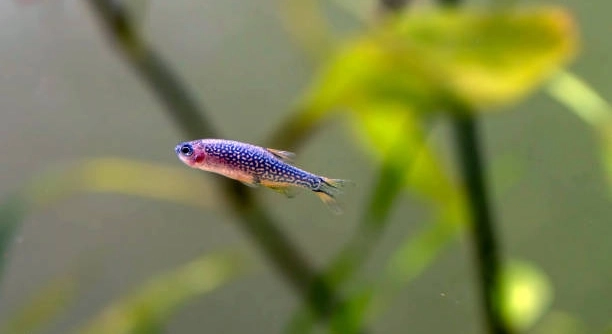
Danios are small, active fish that often bring energy to a community tank. Their bright colors and constant movement make them enjoyable to watch and can brighten any aquarium environment with their presence.
Danios exhibit several key traits that make them suitable for community tanks. They are peaceful, adaptable to various water conditions, hardy against diseases, fast swimmers, socially interactive, non-aggressive, and compatible with many other freshwater species.
These traits make it easier to maintain a balanced and lively tank. Understanding how danios behave helps ensure they thrive alongside other fish.
Active and Energetic
Danios are always on the move, darting across the tank and exploring their surroundings. Their activity encourages other fish to stay alert and swim more, which can improve overall tank health. Watching them zip around is calming, and their speed makes the aquarium feel alive. They rarely hide for long periods, preferring open spaces where they can interact with other fish. This constant motion also helps them stay healthy and reduces stress levels. Danios’ energy can influence the behavior of tank mates, often creating a dynamic but balanced environment. Their presence is noticeable even in larger tanks, as they rarely stay in one spot. The way they swim together in small groups highlights their social nature. They tend to follow each other, creating patterns that are simple yet captivating. This movement is both entertaining and beneficial for keeping water circulation consistent throughout the tank.
Their energy ensures a lively tank without disrupting other fish, making them ideal companions.
Observing their active nature can help guide tank layout and plant placement. Their movement encourages swimming paths that keep other fish engaged. Over time, danios can influence the activity level of more sedentary species, promoting overall health. Their constant motion reduces boredom, and they rarely compete aggressively for food. Placing plants and decorations to allow open swimming areas lets danios move freely while giving shy fish hiding spots. They adapt well to different tank sizes, maintaining activity without stress. Watching their patterns can be relaxing, almost like a natural rhythm. Understanding their need for space ensures all fish coexist peacefully, creating a vibrant and balanced community tank that thrives together.
Hardy and Resilient
Danios can tolerate a variety of water conditions, making them less prone to stress. Their resilience reduces the need for constant monitoring and sudden interventions.
They are less sensitive to changes in pH or temperature compared to many tropical fish. This hardiness makes them reliable for beginners and experienced aquarists alike. While they still need proper care, their robust nature allows them to survive minor mistakes in water management. They handle fluctuations that might stress other species, and they recover quickly from minor illnesses if the tank environment is stable. Their immunity to common fish diseases is higher than some delicate species, which contributes to their suitability in mixed tanks. Because of their resilience, danios can coexist with other fish without frequent health issues. Regular maintenance is still important, but the overall risk of complications is lower. This strength allows owners to focus on observing behavior and enjoying the tank rather than constantly troubleshooting problems. Hardiness, combined with peaceful interaction, makes danios a dependable choice for nearly any community aquarium.
Peaceful Temperament
Danios generally avoid conflict and do not harass other fish. Their calm nature allows them to share space with many species, reducing stress in a community tank.
Because they are non-aggressive, danios can thrive alongside slower or more delicate fish. They rarely chase or nip fins, which helps maintain harmony in mixed-species tanks. Their peaceful temperament also makes feeding times easier, as they compete without causing harm or panic. Even in smaller tanks, their interactions remain friendly, allowing shy fish to feel safe. Maintaining a calm environment with danios is simple, as their behavior is consistent and predictable. Observing them interact with other species shows how naturally they fit into a balanced community, where each fish can coexist without tension.
Even when startled, danios tend to swim away rather than attack, maintaining a low-stress environment. This contributes to overall tank stability and reduces aggression-related injuries among tank mates.
Social and Interactive
Danios prefer to swim in groups, showing strong schooling behavior that adds movement and interest to the tank. Their interactions create natural patterns that feel lively.
Swimming together helps danios feel secure and encourages natural behaviors that are visible and enjoyable to watch. Their schooling reduces stress for all fish, as coordinated movement signals safety and predictability. Group living also strengthens their immune systems and mental well-being, as they are constantly engaged with each other. When combined with other peaceful species, these social fish contribute to a dynamic, yet harmonious, tank environment. Providing a minimum of five danios allows them to display these behaviors fully. Their presence supports a healthy rhythm in the aquarium and promotes interaction among other compatible fish.
Social behavior also influences feeding and activity cycles, encouraging other fish to swim and explore. By observing danios’ interactions, it becomes easier to gauge tank health and make small adjustments to maintain balance. Their natural curiosity encourages them to investigate plants and decorations, which can lead to more diverse movement throughout the aquarium. Schooling provides a sense of safety, as the group moves in coordination, making them less likely to hide or become stressed. These interactive qualities make them a valuable addition to community tanks, improving both aesthetics and fish welfare.
Adaptable to Various Conditions
Danios adjust well to different water temperatures and pH levels. They tolerate minor fluctuations, which makes caring for them simpler compared to more sensitive fish.
Their adaptability extends to tank size and decorations. They can thrive in both small and medium aquariums, as long as swimming space is sufficient.
Easy to Feed
Danios accept a wide variety of foods, from flakes to live or frozen options. They do not require specialized diets and will readily eat what is provided, simplifying feeding routines.
Compatible with Other Fish
Danios coexist well with most peaceful freshwater species. Their moderate size and gentle behavior minimize conflicts, helping maintain balance in community tanks.
Hardy Against Common Illnesses
Danios resist many common freshwater diseases. Their strong immune systems and resilience reduce the risk of illness spreading in a mixed-species tank.
FAQ
How many danios should I keep in a community tank?
Danios are social fish and thrive in groups. Keeping at least five together allows them to display natural schooling behavior. Smaller numbers can cause stress and lead to hiding or unusual behavior. A larger group also balances their energy, helping them interact peacefully with other tank mates.
Can danios live with slower or delicate fish?
Yes, they are peaceful and usually avoid chasing other species. Their small size and calm nature make them compatible with slower fish, as long as tank mates are not overly aggressive. Careful observation during the first few days ensures no conflicts arise.
What water temperature do danios prefer?
Danios are adaptable, but they do best in water between 68°F and 75°F (20°C to 24°C). They tolerate small fluctuations, which makes them easier to maintain in a standard freshwater tank. Sudden temperature changes, however, should be avoided to prevent stress.
How often should I feed danios?
Feeding once or twice a day is sufficient. They are not picky and will eat flakes, pellets, frozen, or live food. Overfeeding can cause water quality issues, so provide only what they can consume in a few minutes.
Do danios require special tank decorations or plants?
No special setup is required, but they enjoy open swimming space. Plants, rocks, and hiding spots are beneficial for tank enrichment and provide shelter for shy species. Balancing decorations with open areas supports their active nature and reduces stress.
Are danios prone to diseases?
Danios are generally hardy and resistant to many common freshwater diseases. Maintaining clean water, proper feeding, and avoiding overcrowding further reduces risks. Early detection of unusual behavior or signs of illness ensures quick treatment.
How long do danios typically live?
With proper care, danios can live 4 to 6 years, sometimes longer. A stable environment, balanced diet, and consistent tank maintenance contribute to their longevity and overall well-being.
Can danios breed in a community tank?
Yes, but breeding may be challenging in a mixed tank because adults might eat eggs or fry. Providing a separate breeding tank with spawning mops or plants increases survival rates. Eggs usually hatch within 2 to 3 days under proper conditions.
Do danios need strong water currents?
They enjoy moderate currents as it mimics their natural habitat, but strong flows are unnecessary. Gentle movement keeps them active and helps with oxygen circulation, benefiting all tank inhabitants.
How do danios behave at night?
Danios tend to slow down but remain active, exploring hiding spots or swimming gently. Unlike nocturnal species, they do not become completely inactive, so they maintain a visible presence even in dim lighting.
Can danios live with larger, more aggressive fish?
It is not recommended. While danios are peaceful, larger aggressive fish may stress or attack them. Choosing compatible, similarly sized, and calm species ensures a harmonious community tank.
What is the best tank size for danios?
A minimum of 20 gallons is ideal for a small group. This provides enough swimming space for their energetic behavior and allows them to interact naturally while coexisting with other peaceful species.
How do I know if danios are stressed?
Signs of stress include hiding excessively, loss of appetite, erratic swimming, or fading color. Ensuring proper water quality, group size, and a balanced environment helps prevent these issues. Early attention keeps them healthy and active.
Do danios jump out of the tank?
Danios are known to be jumpers. Using a secure lid or cover is important to prevent escapes, especially in tanks with open tops or active setups. This simple step ensures their safety while maintaining tank integrity.
Can danios live in cold water tanks?
They tolerate slightly cooler water, but very cold conditions are harmful. Keeping temperatures within a moderate range ensures proper metabolism, activity, and immune function. Sudden drops can lead to illness or stress.
Are danios suitable for beginners?
Yes, their hardiness, peaceful nature, and adaptability make them ideal for new fish keepers. They tolerate minor mistakes and provide a reliable, engaging addition to community tanks. Their schooling and social behavior also make them easy to observe and enjoy.
How do I introduce danios to a new tank?
Acclimate them gradually by floating the bag in the tank and slowly mixing tank water over 20-30 minutes. This reduces stress and helps them adjust to temperature and water chemistry changes, improving survival and comfort.
Do danios need companions of the same species?
Yes, keeping them in groups enhances their social behavior and reduces anxiety. They thrive best with at least four to six tank mates of the same species to display natural interactions and active schooling.
Can danios tolerate brackish water?
Danios prefer freshwater and cannot handle significant salinity. They do best in stable, clean freshwater conditions with minimal changes in water chemistry to maintain health and long-term survival.
What kind of lighting is best for danios?
Moderate lighting works well, enough to show their colors and support live plants if present. They do not require intense light, but a natural day-night cycle helps maintain normal activity patterns and reduces stress.
Final Thoughts
Danios are a reliable choice for a community tank because they combine energy, hardiness, and a calm temperament. Their constant swimming and social behavior add life to any aquarium without causing tension among other fish. Watching them move in groups is relaxing, and their interactions with other species make the tank feel balanced. These fish are not demanding in terms of water conditions or tank setup, which makes them suitable for both new and experienced fish keepers. They adjust well to different tank sizes, decorations, and minor changes in temperature or pH, making daily maintenance simpler. Their ability to tolerate fluctuations in their environment reduces stress for both the fish and the owner.
Another key point is their peaceful nature. Danios do not chase or nip other fish, so they coexist easily with slower or more delicate species. Their compatibility with a wide range of freshwater fish allows for a diverse tank without the constant worry of aggression. Feeding them is straightforward since they accept flakes, pellets, and live or frozen food. This adaptability in diet further supports their overall health and reduces the effort required to care for them. Observing a group of danios swim together or interact with plants and decorations can be engaging. Their schooling behavior is not only visually appealing but also contributes to a sense of security, which is important for their well-being.
Finally, their resilience and strong immune systems make them less likely to fall ill, which is an important factor in a community tank. They recover quickly from minor stressors and can thrive even if minor mistakes occur in tank maintenance. Longevity is another benefit, as danios can live for several years with proper care, allowing owners to enjoy their presence for a long time. Whether placed in a beginner-friendly tank or a more complex community setup, their energy, social behavior, and adaptability make them a valuable addition. Choosing danios means bringing a lively, hardy, and low-maintenance fish into the tank, creating an environment that feels vibrant yet manageable. Their combination of traits demonstrates why they are often recommended for community aquariums, offering both visual appeal and reliable behavior.

Hello,
If you enjoy the content that we create, please consider saying a "Thank You!" by leaving a tip.
Every little bit helps us continue crafting quality advice that supports the health, happiness, and well-being of pets around the world, for pets of all shapes, sizes, and species.
We really appreciate the kindness and support that you show us!