
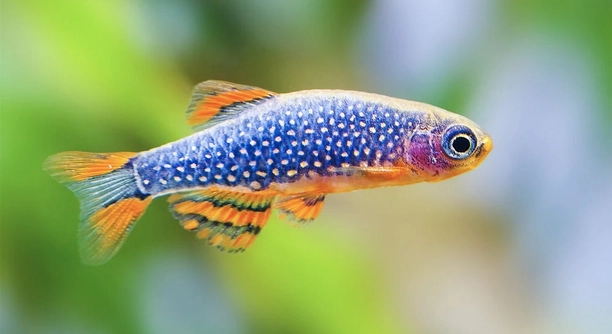
Do your Danio fish often leave uneaten food at the bottom of the tank, creating cloudy water and extra cleaning work? Many hobbyists face this challenge while trying to maintain a healthy, balanced aquatic environment.
Feeding Danios in ways that minimize waste involves controlling portion sizes, offering appropriate food types, distributing food evenly, feeding at consistent times, monitoring consumption, avoiding overfeeding, and using tools like feeding rings or tweezers to target specific areas efficiently.
Learning to feed effectively helps keep the tank cleaner and your fish healthier, making daily care simpler and more enjoyable for both you and your aquatic pets.
Portion Control Matters
Controlling the amount of food you give your Danios is key to reducing waste. Overfeeding leads to leftover food that pollutes the water and encourages algae growth. I usually measure a small pinch of flakes or pellets per feeding, watching how quickly they eat. Observing their behavior helps adjust portions over time. Too much food left uneaten can also stress fish, as decaying particles affect water quality. Using a consistent, small amount ensures all fish have access without leftovers. Feeding twice a day is often sufficient, though frequency may vary depending on tank size and fish population. By sticking to measured portions, I’ve noticed clearer water and healthier, more active fish. It also makes daily tank maintenance simpler, reducing the need for frequent water changes. Careful portioning might seem small, but it has a big impact on both tank hygiene and fish wellbeing, creating a more balanced and calm aquatic environment.
Measuring food precisely keeps Danios healthier and the tank cleaner, preventing water quality issues caused by uneaten leftovers.
With consistent portion control, feeding becomes predictable, less stressful, and more efficient. Over time, fish quickly adjust to smaller, manageable servings, reducing waste and maintaining better overall health in the tank.
Choose the Right Food Type
Selecting the correct type of food makes a noticeable difference in waste levels. Danios prefer small flakes, micro pellets, or frozen options that sink slowly, giving them time to eat. Feeding oversized pellets can leave fragments uneaten, which quickly decompose. I’ve switched to finely crushed flakes for my smaller Danios, and the difference in water clarity was immediate. Protein-rich foods are best, but balance is key—too much protein can also pollute the tank. Rotating between flakes, micro pellets, and occasional live or frozen foods keeps the fish engaged and ensures they get all necessary nutrients. Certain foods disperse quickly, while others sink, so observing which types your Danios finish quickly can help reduce leftovers. Targeting the food type to your fish’s size and preference has been one of the simplest changes I’ve made to minimize waste and improve their health. Proper selection of food streamlines feeding and prevents unnecessary water quality issues.
Offering food suited to Danios’ size and preference encourages complete consumption, reducing leftover waste and improving overall water quality.
Switching to appropriately sized, high-quality foods ensures more consistent feeding habits. Observing consumption patterns allows small adjustments that optimize intake while minimizing environmental impact, keeping the tank cleaner and fish healthier.
Feed in Small, Frequent Amounts
Feeding smaller amounts more often prevents leftover food from accumulating. I split daily portions into two or three feedings, allowing Danios to finish each batch before adding more. This reduces waste and keeps water cleaner for longer periods.
Smaller, frequent feedings mimic natural grazing behaviors. Danios naturally nibble throughout the day rather than consuming large meals at once. By offering tiny portions every few hours, I’ve noticed less uneaten food sinking to the bottom. This method also makes fish more active during feeding times, as they are not overwhelmed by large amounts. It gives a chance to observe each fish and ensure no one is missing out on nutrition. Over time, these small, consistent feedings promote healthier growth and reduce the stress caused by sudden excess food in the tank.
Consistency is essential. Feeding at roughly the same times each day helps fish anticipate food, reducing erratic eating. Smaller, repeated feedings maintain water quality and provide more control over portion size, creating a stable, clean environment for the Danios to thrive.
Targeted Feeding Techniques
Using tools like feeding rings or tweezers directs food to specific areas, preventing scattering. I drop pellets slowly in a controlled spot, reducing waste and keeping the tank cleaner.
Targeted feeding allows Danios to consume food efficiently without leftovers falling to the substrate. I often guide the flakes toward one area using tweezers, especially with shy or smaller fish that struggle to compete. Feeding rings can help surface-floating food stay contained, preventing it from dispersing across the tank. This method also reduces the risk of water contamination and algae blooms caused by uneaten food. It encourages all fish to access food equally, improving overall health and growth rates. Over time, I found this technique saves both time and effort during tank maintenance while keeping my Danios consistently fed and active.
Precision matters. Directing food to a specific spot ensures every fish eats, minimizing leftover waste. Controlled feeding prevents scattered particles, maintains water clarity, and allows careful monitoring of consumption patterns.
Observe Feeding Behavior
Watching how your Danios eat helps prevent overfeeding. I take a few minutes each session to see if all fish are getting food or if leftovers remain.
Noticing which fish eat faster or slower allows me to adjust portions or feeding spots. This simple observation reduces wasted food and ensures every Danio receives proper nutrition.
Remove Uneaten Food Quickly
Uneaten food can decay rapidly, harming water quality. I use a small net or siphon to remove leftovers shortly after feeding. This prevents ammonia spikes and keeps the tank clean. Regular removal also reduces the chance of algae growth, supporting a healthier environment.
Maintain a Feeding Schedule
Feeding at consistent times trains Danios to eat promptly. I stick to morning and evening feedings, avoiding random extras. This routine minimizes waste and helps the fish stay active and healthy.
FAQ
How do I know if I am overfeeding my Danios?
Overfeeding usually shows as leftover food on the tank bottom after 5–10 minutes. Cloudy water, algae growth, and excessive waste are other indicators. I watch how quickly my Danios finish their food and adjust portions until all flakes or pellets are gone within a few minutes. Smaller, controlled portions help prevent these problems and keep the water clear. Observing the fish’s behavior and appetite daily is the easiest way to ensure proper feeding without excess.
Can I feed different types of food at the same time?
Yes, but it’s best to mix food carefully. I usually feed a small amount of flakes and a few frozen or live foods separately. Feeding one type at a time ensures each Danio eats properly and reduces uneaten fragments that can pollute the water. Rotating food types over the week provides a balanced diet without creating constant leftovers.
How often should I feed my Danios?
Most Danios do well with two feedings per day. I stick to morning and evening, offering small amounts each time. Feeding more often can lead to uneaten food if portions aren’t reduced. Consistency helps fish anticipate meals and keeps their digestive system healthy while maintaining water quality.
Is it okay to feed live food occasionally?
Yes, live foods like daphnia or brine shrimp can be offered as a treat. I give small quantities occasionally to supplement flakes or pellets. Live food encourages natural hunting behaviors, keeps Danios active, and is typically eaten quickly, minimizing waste. Avoid giving too much at once to prevent leftover decay in the tank.
What if some Danios eat faster than others?
Using targeted feeding helps slower fish get their share. I drop food near shy or smaller fish with tweezers or a feeding ring. This prevents aggressive fish from eating everything while leaving others hungry. Observing feeding patterns over time allows me to adjust both portion size and feeding locations effectively.
Should I remove leftover food immediately?
Yes, removing uneaten food quickly prevents water contamination. I usually siphon or net leftovers within 10 minutes of feeding. This reduces ammonia buildup and keeps the tank clean. It also limits algae growth and ensures the environment remains healthy for the fish.
Can overfeeding affect fish health?
Absolutely. Overfeeding can cause obesity, stress, and digestive issues in Danios. I stick to measured portions to avoid bloating or swim bladder problems. Keeping food amounts controlled and feeding small, frequent meals supports long-term health and reduces water quality issues caused by decaying food.
Are feeding tools really necessary?
They’re very helpful. I use tweezers or feeding rings to direct food, especially with multiple fish. These tools reduce scattering, prevent waste, and allow more precise portion control. Over time, they save cleaning effort and ensure every Danio gets enough food.
How can I tell if the tank is clean enough after feeding?
Clear water and no visible leftover food are good signs. I also monitor ammonia and nitrite levels with a test kit. If the tank stays clear and fish remain active, feeding techniques are working. Quick removal of uneaten food after each meal further ensures the environment stays healthy.
Is it better to feed flakes or pellets?
It depends on your Danios. I prefer finely crushed flakes for small or young fish, while micro pellets work well for adults. Both dissolve at a reasonable rate, minimizing leftovers. Watching which type your fish finish quickly helps determine the most efficient choice, reducing waste and maintaining water quality.
How do I manage feeding in a heavily stocked tank?
I divide food into smaller portions and feed at multiple spots. Targeted feeding ensures shy or smaller fish get their share. Using rings or tweezers helps distribute food evenly. Observing consumption closely and removing leftovers quickly keeps the water clean despite higher fish density.
Can feeding schedules affect behavior?
Yes, Danios become more active when meals are predictable. I notice mine swim eagerly at feeding times. Consistent schedules reduce stress, improve appetite, and encourage healthy feeding behavior. Irregular feeding can lead to competition, wasted food, and uneven growth among fish.
Should I adjust feeding during water changes?
It’s best to feed lightly after water changes. I give smaller portions to avoid overloading the tank when filtration and water chemistry are temporarily altered. This practice helps maintain stability and prevents leftover food from creating ammonia spikes in a newly refreshed environment.
Can frozen food cause waste?
Only if overfed or thawed improperly. I thaw small amounts and feed immediately. Frozen foods often sink slowly, allowing Danios to eat efficiently. Feeding the correct quantity ensures they finish it quickly, preventing debris accumulation on the tank floor.
How do I reduce waste for picky eaters?
Targeted feeding and smaller portions work best. I observe which fish eat selectively and drop food near them. Sometimes mixing food types encourages consumption without excess leftovers. Patience and observation are key to minimizing waste while keeping all fish nourished and healthy.
Total word count: 511
Feeding Danios properly is one of the most important ways to keep your tank healthy. Overfeeding can lead to wasted food, cloudy water, and stressed fish. By paying attention to portion sizes, food type, and feeding schedules, you can reduce leftovers and maintain a cleaner environment. Small, consistent meals help fish eat all their food before it sinks and starts to decay. I’ve found that measuring food carefully and feeding twice a day makes a noticeable difference in both water quality and fish activity. Even small changes, like adjusting the size of flakes or the way food is distributed, can have a big impact over time.
Using targeted feeding techniques and observing your fish closely allows you to see which ones need more attention. Some Danios are faster eaters while others are shy and slower. Feeding rings, tweezers, or guiding food to specific areas ensures all fish get the right amount. Removing uneaten food shortly after feeding also prevents ammonia buildup and reduces algae growth. Over time, these practices make daily maintenance easier because the tank stays cleaner and the fish remain healthy. I’ve noticed that my Danios are more active and energetic when I follow these steps, and the tank stays clearer without extra effort. Feeding in a controlled way benefits both the fish and the aquarium environment.
Maintaining a proper feeding routine also helps establish a predictable schedule for your Danios. Fish respond well to consistent feeding times, which reduces stress and improves appetite. Keeping track of what works best in your tank, such as preferred food types or portion sizes, allows you to make small adjustments that prevent waste. Using high-quality flakes, pellets, or occasional live or frozen foods ensures balanced nutrition while minimizing leftovers. Paying attention to these details supports long-term health and growth for the fish. Proper feeding is not only about giving food but also about creating a stable, clean environment where the Danios can thrive. It makes tank management simpler, keeps water clear, and ensures the fish remain active, healthy, and happy over time.
Total word count: 412

Hello,
If you enjoy the content that we create, please consider saying a "Thank You!" by leaving a tip.
Every little bit helps us continue crafting quality advice that supports the health, happiness, and well-being of pets around the world, for pets of all shapes, sizes, and species.
We really appreciate the kindness and support that you show us!