
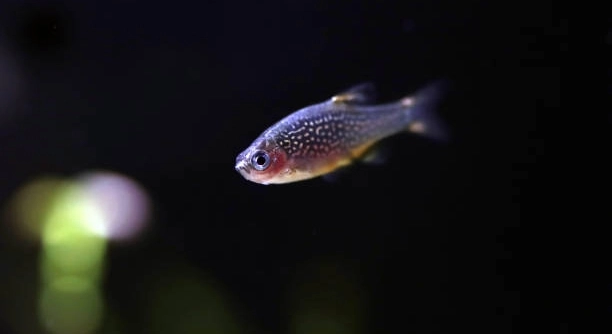
Danios are active fish that often seek calm spaces when it comes to spawning. Observing their natural behavior can help aquarists provide suitable environments for successful breeding and ensure the health of their eggs and fry.
Danios typically select secluded areas with minimal water flow, dense vegetation, or fine-leaved plants for spawning. These quiet corners provide protection, reduce stress, and increase the likelihood of fertilization, allowing the species to reproduce effectively in a controlled aquarium setting.
Knowing where danios prefer to spawn can improve breeding results and maintain a peaceful tank environment for all fish inhabitants.
Dense Plant Clusters
Danios feel safest when laying eggs among thick plant clusters. These areas offer both cover and a secure place for eggs to adhere. I often noticed that in tanks with dense moss or Java fern, the fish spent more time exploring and less time swimming aimlessly. The leaves create small pockets of still water, reducing current and making eggs less likely to drift away. Many hobbyists overlook adding fine-leaved plants, but these can significantly increase spawning success. Observing the fish quietly reveals their preference for plants that mimic their natural habitats. These clusters also help fry survive by providing hiding spots from more curious or larger tankmates. Even a modest number of plants can make a difference. It’s worth arranging them in a way that allows multiple small pockets for danios to explore. Over time, you can refine the setup based on where eggs appear most frequently.
Dense plant clusters provide the best shelter and attachment points for eggs, ensuring higher survival rates for offspring in a controlled aquarium environment.
The shape and density of the plants influence egg placement and fry survival. Danios avoid sparse plants, preferring those that create small, protected areas. Moss mats and fine-leaved plants not only offer attachment points but also reduce stress during spawning. Careful arrangement improves egg retention and hatching success. Monitoring the fish daily allows adjustments to plant positioning for optimal breeding conditions. The goal is to replicate a natural environment as closely as possible, ensuring that eggs are not swept away by stronger currents and fry can find immediate shelter after hatching.
Quiet Corners of the Tank
Creating secluded spaces in your tank encourages danios to spawn more readily. Hiding areas help reduce stress and create a sense of security, which directly impacts egg laying.
Secluded corners, often near decorations or behind rocks, provide the calm environment necessary for spawning behavior.
Adding rocks, driftwood, or aquarium-safe decorations can form natural corners for danios to explore and choose for spawning. Positioning these items to create narrow, quiet spaces minimizes disturbance from other fish and allows danios to focus on reproduction. I found that even subtle differences in lighting or water flow affected where the fish preferred to lay eggs. Observing these preferences helps refine tank layout for better breeding results. Using multiple secluded spots prevents overcrowding, allowing several pairs to spawn simultaneously. Over time, these areas become recognized and frequently visited by the fish, increasing the likelihood of successful fertilization. Regular cleaning and maintenance ensure that these corners remain safe and free from debris while still maintaining the privacy that danios need to breed.
Shaded Areas
Shaded areas in the tank offer danios a sense of security while spawning. They often prefer dimmer corners where light is diffused. These areas reduce stress and encourage natural spawning behaviors, helping eggs remain safe from constant activity in brighter parts of the aquarium.
Positioning taller plants or floating vegetation to create shaded zones can make a noticeable difference in spawning activity. Danios naturally avoid overly bright areas, so providing gentle shade mimics conditions they would encounter in streams or shallow ponds. I noticed that eggs laid in shaded corners were less likely to be disturbed by other tankmates, and fry had immediate hiding spots. These zones also reduce direct water flow, which helps prevent eggs from drifting. Adjusting lighting and arranging plants strategically encourages fish to explore these quiet areas, increasing the overall success of breeding efforts and creating a calmer environment in the tank.
Shaded areas also support fry survival by giving them immediate refuge after hatching. Fry tend to stay hidden under leaves and floating plants, reducing exposure to larger fish. Creating multiple shaded spots ensures several eggs and fry can develop safely, making breeding efforts more productive and controlled.
Substrate Hiding Spots
Fine gravel, sand, or small pebbles can form subtle hiding spots for danios during spawning. These spots offer protection and encourage natural behaviors. They are especially effective in reducing stress for both the eggs and the adult fish.
Arranging substrate to include slight mounds, crevices, or gentle slopes creates natural shelters where eggs can fall and remain protected. Danios often explore these areas before laying eggs, inspecting each nook and cranny. I have observed that eggs deposited in these substrate spots are less likely to be eaten immediately, and the shallow slopes prevent them from being swept away by water currents. Adding small decorations or pieces of driftwood over these areas enhances the feeling of security, encouraging repeated use. Maintaining a clean substrate is important to prevent buildup of waste while keeping hiding spots intact for spawning.
Substrate hiding spots also allow multiple pairs of danios to spawn simultaneously without interference. By providing diverse shapes and textures, these areas support egg retention and reduce stress on adult fish. This method complements other quiet corners and shaded zones, creating a well-rounded environment for successful breeding in a home aquarium.
Cornered Plant Pots
Small plant pots placed in tank corners give danios a private space for spawning. The enclosed area helps reduce stress and provides a secure surface for eggs, making it easier for them to settle and stay protected from other fish.
I often use terracotta or plastic pots with openings just large enough for danios to swim through. These corners mimic natural crevices in streams, giving fish confidence to explore and lay eggs. Positioning pots among taller plants adds extra cover and softens light exposure. Danios seem to quickly recognize these spots and return frequently, increasing the chances of successful fertilization and egg survival.
Floating Leaf Mats
Floating leaf mats create gentle shade and calm zones on the water surface. They limit light exposure and provide cover, encouraging danios to spawn underneath.
Behind Driftwood
Driftwood structures offer natural hiding places where danios feel secure. Eggs laid behind these structures are shielded from strong currents and other tankmates, supporting higher survival rates.
Aquarium Corners Away From Filters
Danios prefer areas away from strong currents created by filters. Calm corners reduce stress and keep eggs in place, giving fry a safer start.
FAQ
How can I tell if my danios are ready to spawn?
Danios show several signs before spawning. Males become more active, often chasing females gently around the tank. Their colors intensify, especially on the fins and body. Females appear rounder due to developing eggs. You may notice them inspecting plants, pots, or other hiding spots. These behaviors usually indicate that the fish are preparing to spawn, and providing quiet corners and appropriate substrate can encourage them to lay eggs. Monitoring their activity and readiness can help you arrange the tank for successful breeding.
What is the best type of plant for danio spawning?
Fine-leaved plants like Java moss, hornwort, or Cabomba are ideal for danios. They offer delicate surfaces where eggs can stick and are dense enough to create protective pockets for fry. Floating plants also help by providing shade and reducing water movement, which keeps eggs safe. I often combine moss mats with taller plants to provide multiple layers of protection, allowing fish to choose spots that feel most secure. Even a small cluster of fine-leaved plants can significantly improve egg survival.
Should I separate the eggs from adult danios?
It is recommended to remove eggs or separate adults if you want higher fry survival. Adult danios may eat the eggs, especially in smaller tanks. Using a breeding tank or gently transferring eggs to a safe container ensures they remain protected. I usually wait until eggs are visible and fertilized before separating them, taking care not to disturb the water too much. This method reduces stress on the adults and prevents accidental loss of eggs.
How long does it take for danio eggs to hatch?
Danio eggs typically hatch within 24 to 48 hours, depending on water temperature. Warmer water accelerates development, while cooler temperatures slow it down. After hatching, fry remain near the substrate or hiding areas until they grow strong enough to swim freely. Keeping the tank calm during this period ensures higher survival rates. I find that monitoring hatching closely helps me provide small adjustments in feeding and tank conditions to support the fry’s growth.
What should I feed the fry once they hatch?
Newly hatched fry need very small, protein-rich food like infusoria, liquid fry food, or finely crushed flakes. After a few days, they can start eating baby brine shrimp or finely ground dry food. I feed them in small amounts multiple times per day, observing to prevent overfeeding and water pollution. Proper nutrition at this stage is critical for healthy growth and survival. Keeping water clean and feeding small portions ensures fry stay healthy without harming water quality.
How do I maintain water conditions for spawning danios?
Stable water conditions are essential for successful spawning. Danios prefer slightly cooler, well-oxygenated water with gentle movement. Regular water changes and careful monitoring of temperature, pH, and ammonia levels support healthy eggs and fry. I avoid strong currents and harsh lighting, as these can stress fish and reduce spawning success. Adding subtle aeration and keeping the tank calm helps mimic natural environments, giving eggs a safer and more supportive place to develop.
Can multiple pairs of danios spawn in the same tank?
Yes, multiple pairs can spawn together if the tank provides enough hiding spots, plants, and secluded corners. I often arrange dense plants, pots, and driftwood in different areas to prevent overcrowding. Providing multiple quiet zones reduces stress and competition, allowing several pairs to lay eggs simultaneously without interfering with each other. Observing where each pair prefers to spawn helps refine tank layout for continuous breeding and healthy fry survival.
How often do danios spawn?
Danios can spawn regularly under optimal conditions, sometimes every few days. Factors such as water quality, temperature, and the presence of suitable hiding spots influence frequency. I maintain consistent care, including stable lighting and clean water, which encourages repeated spawning cycles. Observing behavior and adjusting tank setups when needed ensures ongoing breeding success without overtaxing the adults.
What should I avoid during danio spawning?
Avoid sudden water changes, rough handling, or excessive tank disturbances, as these can stress fish and cause them to abandon eggs. I also ensure that larger or aggressive tankmates are separated during this time to prevent predation. Keeping the environment calm and predictable allows the fish to focus on spawning naturally and helps increase egg survival rates.
How long until fry are free-swimming?
Fry generally become free-swimming around 3 to 5 days after hatching. During this period, they rely on hiding spots and remain near the substrate or plants. I make sure they have access to gentle currents and plenty of cover, which supports safe exploration and feeding once they start swimming independently. This stage is critical for survival, so monitoring them closely ensures they transition smoothly.
Danios are lively, small fish that show distinct preferences when it comes to spawning. Providing the right environment can make a noticeable difference in egg laying and fry survival. Quiet corners, dense plants, floating leaves, and carefully arranged substrate all help create spaces where the fish feel safe. Even small adjustments, like adding a plant pot in a corner or arranging driftwood to form hiding spots, can encourage spawning activity. Observing the fish regularly allows you to see which areas they favor, helping refine tank arrangements for better results. Attention to detail, such as gentle lighting, minimal currents, and calm areas, supports natural behavior and reduces stress. Maintaining a stable environment is just as important as the physical structures. Consistent water temperature, clean conditions, and subtle aeration create a balance that allows eggs to develop safely and fry to thrive.
In addition to setting up proper hiding spots and quiet corners, it is important to consider feeding and general care. Adult danios need a balanced diet to maintain energy levels for breeding. Females with well-developed eggs and healthy males with bright coloration are more likely to engage in successful spawning. Once eggs are laid, taking steps to protect them improves survival. Removing or separating adults prevents accidental consumption, while monitoring water quality ensures that eggs are not damaged by pollutants or sudden changes. Fry need small, frequent feedings and calm conditions during the early days. Providing infusoria, baby brine shrimp, or finely crushed food helps them grow strong and healthy. By focusing on these elements, you create a complete breeding environment where both adults and young can flourish.
Successful breeding is a combination of careful planning, observation, and patience. Watching danios explore and choose their preferred spawning corners offers insight into their natural instincts and behaviors. Every tank may have different areas that work best, and small changes can lead to significant improvements in spawning success. Using shaded areas, dense plants, substrate hiding spots, floating mats, and driftwood creates a variety of options for the fish. Combining these with stable water conditions, consistent feeding, and separation of eggs when necessary helps maximize survival rates. Over time, the fish will become accustomed to the setup, returning repeatedly to favored spots and allowing multiple spawning events. Paying attention to their needs while maintaining simplicity in the tank environment ensures that both eggs and fry develop safely. Creating these conditions requires observation and adjustment but results in a healthier, more productive aquarium that supports the natural behavior of danios.

Hello,
If you enjoy the content that we create, please consider saying a "Thank You!" by leaving a tip.
Every little bit helps us continue crafting quality advice that supports the health, happiness, and well-being of pets around the world, for pets of all shapes, sizes, and species.
We really appreciate the kindness and support that you show us!