
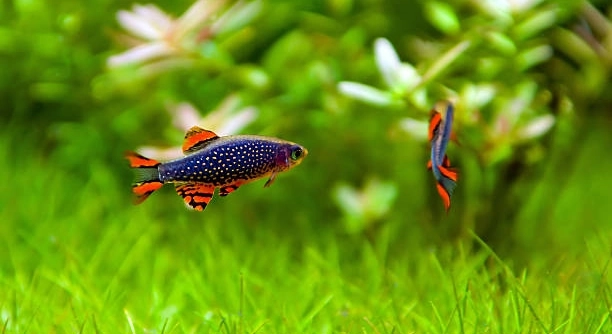
Keeping Danios healthy in a home aquarium requires more than feeding them regularly. Water quality plays a key role in their well-being. Regular testing helps prevent diseases and ensures a stable environment for these active fish.
Testing water regularly helps maintain appropriate levels of ammonia, nitrites, nitrates, and pH. Monitoring these parameters ensures Danios remain healthy, reduces stress, and prevents sudden deaths. Consistent water testing is essential for sustaining a balanced and safe aquatic environment.
Small habits can make a big difference in your fish tank’s overall health. Learning how simple checks affect your Danios can save time and stress later.
Test Water Weekly
Checking your aquarium water every week is one of the simplest ways to keep Danios healthy. I started doing weekly tests after noticing small changes in my fish’s behavior. Testing for ammonia, nitrites, nitrates, and pH helps catch problems early before they become serious. It only takes a few minutes, but the results make a big difference. I keep a small notebook to record each reading. Seeing patterns over time helps me understand when water changes are needed or if adjustments to feeding or filtration are necessary. Skipping tests even for a week can lead to unnoticed spikes that stress the fish. Weekly testing also makes me feel more confident about the tank’s stability. Once you get into the habit, it becomes an easy part of caring for your Danios. Small, consistent checks prevent major issues and keep the tank safe and predictable for them.
Regular weekly testing prevents unnoticed water changes that could harm Danios and keeps the environment stable.
Having a routine for weekly water tests reduces stress for both you and your fish. By keeping detailed records, I can compare trends, notice any unusual shifts, and respond quickly. Observing results over time has helped me adjust feeding amounts, cleaning schedules, and filter maintenance more accurately. A stable routine also ensures that water parameters stay within a safe range, which directly affects Danios’ health, activity levels, and coloration. Even small fluctuations can impact sensitive fish, so consistency is important. Testing weekly is manageable and prevents larger problems that may require stressful interventions later. This simple habit has improved my confidence in maintaining a healthy aquarium and keeps my Danios active and thriving.
Use Reliable Test Kits
Not all test kits are the same. Using a kit with clear instructions and consistent results is important for accurate readings.
Reliable test kits reduce errors and ensure water parameter readings reflect actual conditions in your tank.
I’ve tried several brands of test kits over the years and learned that cheaper kits often give inconsistent results. Investing in a reliable kit saves time and avoids guessing whether the water is safe. I use liquid test kits for ammonia, nitrites, nitrates, and pH because they are more precise than strips. When the colors match the guide, I feel confident making decisions about water changes or adjustments. I also keep an extra set of reagents to avoid running out unexpectedly. Consistent, accurate readings allow me to track long-term trends, detect early signs of imbalance, and make informed changes. Over time, this simple habit has prevented stress-related health issues in my Danios and made tank maintenance more predictable. Having a trusted test kit makes monitoring water less stressful and more effective.
Monitor Temperature Consistently
Danios need stable water temperatures. Sudden changes can stress them and affect their immune system. I keep a thermometer in the tank at all times and check it daily to ensure consistency.
I noticed my Danios become less active when temperatures drop too low. By keeping the water around 72–78°F, I see steady behavior and vibrant coloration. Small heaters or room adjustments help maintain this range. Even a few degrees off can make feeding patterns inconsistent. Recording temperature readings alongside water tests helps me spot patterns and respond before problems arise. Consistency is key, and I’ve found that daily monitoring prevents unnecessary stress on my fish.
Tracking temperature is not just about comfort; it also impacts metabolism and overall health. In one instance, a power outage caused a slight drop in tank temperature. Because I check daily, I caught it early and added a temporary heater. The Danios recovered quickly, and I avoided potential illness. Maintaining a stable temperature requires only a small daily effort but results in a healthier, more active tank. Over time, this habit has reduced sudden behavioral changes and keeps the fish thriving, ensuring a predictable environment that supports growth and reproduction.
Check Ammonia Levels
Ammonia can build up quickly and harm Danios. Regular testing prevents toxic conditions and keeps fish safe.
Ammonia is highly toxic to fish, even at low levels. I test the tank several times a week initially, especially after cleaning or adding new fish. Observing small increases early allows me to do partial water changes before levels become dangerous. I’ve learned that filters alone aren’t always enough to remove excess ammonia, especially in crowded tanks or during feeding surges. Tracking ammonia levels helps me balance tank maintenance with fish health.
When ammonia spikes occur, quick action is essential. I perform partial water changes and ensure the filter is functioning properly. Using biological additives can also help break down waste more efficiently. Consistent monitoring prevents stress and physical damage, like gill irritation or lethargy, which often result from ammonia exposure. By keeping levels at zero, my Danios remain active and healthy. Daily observation combined with routine testing ensures early detection and minimizes risks, creating a stable environment that supports long-term wellbeing. Accurate ammonia checks have become a simple habit that drastically improves tank safety and the fish’s overall health.
Test pH Levels
Danios thrive in slightly acidic to neutral water. Regular pH checks prevent stress and support healthy growth.
I keep a small color chart near the tank. Comparing readings each week helps me maintain stable water conditions. Small fluctuations can be corrected with partial water changes.
Track Nitrite Concentrations
Nitrites can rise unnoticed after cleaning or adding fish. Monitoring nitrite levels helps prevent poisoning. I test at least twice a week. When I detect even small increases, I do partial water changes and check the filter. Keeping nitrites at zero ensures Danios remain active and disease-free.
Observe Fish Behavior
Sudden changes in swimming, appetite, or coloration often indicate water issues. Watching behavior complements chemical tests.
How often should I test my Danios’ water?
Testing frequency depends on tank stability and fish density. I test my Danios’ water weekly under normal conditions. After adding new fish, doing a water change, or cleaning the tank, I test more frequently for at least a few days. Weekly testing helps catch small changes before they stress the fish. Over time, keeping a log of readings makes it easier to spot trends and avoid sudden issues. Consistency is more important than testing multiple times a day. This simple habit keeps water stable and supports the health of the entire tank.
What parameters are most important to monitor?
Ammonia, nitrites, nitrates, and pH are the key parameters. I focus on keeping ammonia and nitrites at zero because even small amounts can harm Danios. Nitrates should remain below 20–40 ppm to prevent long-term stress or algae growth. pH should stay in the slightly acidic to neutral range, around 6.5–7.5. Temperature is also critical; sudden changes can weaken the immune system and affect behavior. Tracking these parameters together gives a clear picture of water quality. I also occasionally monitor hardness if I notice long-term changes in behavior or plant growth.
What do I do if ammonia levels are high?
Partial water changes are the first step. I remove 20–30% of the water and replace it with dechlorinated water at the same temperature. Ensuring the filter is running efficiently is important because biological filtration helps break down ammonia. Adding beneficial bacteria can also accelerate recovery, especially after a spike. High ammonia often occurs after overfeeding or adding new fish, so I reduce feeding and monitor closely. Daily testing during recovery ensures ammonia returns to zero. Acting quickly prevents gill damage, lethargy, or deaths, making early detection and intervention critical for Danios.
How can I maintain stable pH?
Using buffered water or commercial pH stabilizers helps, but partial water changes are the most effective. I test the tap water first, then match it with the tank’s pH to avoid sudden shifts. Drift is normal but should remain slow. Sudden swings stress Danios and reduce immunity. Plants, driftwood, or certain substrates can slightly alter pH over time, so monitoring is key. Keeping a record of weekly pH readings helps me detect gradual changes and adjust water preparation or tank maintenance accordingly. Stable pH creates a predictable environment for the fish.
How do nitrites affect Danios?
Nitrites are toxic even at low levels and interfere with oxygen transport in the blood. I monitor nitrites closely, especially after cleaning or adding fish. If nitrites rise above zero, I perform a partial water change immediately. Maintaining strong biological filtration also reduces nitrite accumulation. In my experience, nitrite poisoning shows up as lethargy, gasping at the surface, or pale gills. Prompt action restores a safe environment, prevents long-term health problems, and keeps Danios active and stress-free.
Can I rely on test strips instead of liquid kits?
Test strips are convenient but less accurate than liquid kits. I’ve found strips useful for a quick check but always confirm suspicious readings with liquid tests. Liquid kits provide clearer results and allow me to detect small changes early. Reliable readings guide better decisions on water changes, feeding adjustments, and filter maintenance. Accuracy matters for sensitive fish like Danios, so I consider liquid kits a worthwhile investment for consistent tank health.
What if I notice unusual fish behavior?
Behavior changes often signal water issues. I immediately check ammonia, nitrites, nitrates, pH, and temperature. Lethargy, loss of appetite, or hiding can indicate stress or toxin buildup. I perform partial water changes, ensure proper filtration, and observe over the next few days. Combining behavioral observation with regular testing helps me catch problems before they become severe, keeping Danios healthy and active.
How do temperature fluctuations affect Danios?
Danios thrive in 72–78°F water. Even small drops or spikes can cause stress, reduce appetite, and increase susceptibility to disease. I monitor the temperature daily with a reliable thermometer. During winter or heatwaves, I adjust heaters or room conditions gradually. Stable temperature keeps metabolism normal, encourages consistent feeding, and reduces aggression or lethargy. Maintaining steady heat is simple but has a big impact on their overall health.
Are water changes necessary if I test regularly?
Yes, testing guides when and how much water to change. I never skip water changes even with perfect readings because they remove waste and replenish minerals. Regular partial changes prevent ammonia or nitrite spikes, control nitrate buildup, and keep pH stable. Testing ensures water changes are timely and effective. Combining both practices protects Danios and maintains a consistent, healthy environment for long-term aquarium success.
Can plants help maintain water quality?
Live plants absorb nitrates and provide natural filtration. I’ve noticed that tanks with healthy plants have more stable water parameters. Plants also provide hiding spots and reduce stress, encouraging natural behavior. While they don’t replace testing or water changes, they complement regular care. Choosing hardy plants compatible with Danios further improves overall tank balance and supports healthy fish.
This FAQ covers most common questions I face when maintaining Danios. Applying these strategies together—testing regularly, observing behavior, and taking corrective action—keeps the tank safe and fish thriving over time.
Caring for Danios goes beyond simply feeding them. Their health depends largely on water quality, which can change quickly without regular checks. By developing simple habits like weekly water testing, monitoring temperature, and tracking ammonia, nitrite, nitrate, and pH levels, you create a stable environment that supports their well-being. Small steps, like using reliable test kits and keeping records of readings, make it easier to notice subtle changes before they become problems. Even minor fluctuations in water chemistry can stress Danios, affecting appetite, coloration, and activity levels. Consistency in monitoring helps prevent sudden issues and reduces the need for emergency interventions, making aquarium care more predictable and less stressful. Over time, these habits become second nature, ensuring that the fish thrive in a balanced and safe habitat.
Observing your Danios’ behavior is another essential aspect of maintaining a healthy tank. Changes in swimming patterns, appetite, or interaction can indicate water problems even before chemical readings show a problem. Watching for these signs allows you to respond quickly with partial water changes, filter checks, or temperature adjustments. Temperature stability is equally important because Danios are sensitive to sudden shifts. Keeping water within the recommended range and avoiding abrupt changes ensures their metabolism remains normal and stress is minimized. Combining behavioral observation with routine testing creates a comprehensive approach to care. Each small habit, whether it’s daily observation or keeping plants in the tank to help stabilize water parameters, contributes to the overall health and activity of your fish.
Maintaining a clean and balanced tank also involves regular partial water changes, proper filtration, and avoiding overfeeding. Even with perfect test readings, water naturally accumulates waste and dissolved substances that can affect fish over time. Partial water changes help remove these substances and maintain mineral balance. Reliable filters and careful monitoring of water levels further support a healthy environment. Habits such as noting long-term trends, tracking parameters, and adjusting care based on fish behavior create a proactive approach that reduces risks. By implementing these strategies consistently, your Danios remain active, colorful, and resilient. Simple, steady practices in water testing, temperature control, and behavior observation combine to ensure long-term health, making aquarium care manageable and rewarding.

Hello,
If you enjoy the content that we create, please consider saying a "Thank You!" by leaving a tip.
Every little bit helps us continue crafting quality advice that supports the health, happiness, and well-being of pets around the world, for pets of all shapes, sizes, and species.
We really appreciate the kindness and support that you show us!