
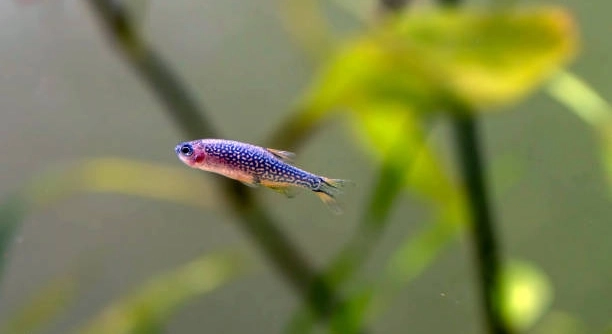
Celestial Pearl Danios are small, colorful fish that brighten any aquarium. Watching them swim gracefully is enjoyable, but even these hardy fish can show subtle signs when their health begins to decline. Early recognition is important.
The earliest indicators of illness in Celestial Pearl Danios include changes in behavior, appetite, coloration, and swimming patterns. Observing these signs promptly allows for timely intervention, reducing stress and preventing more serious health complications within the aquarium environment.
Being able to spot these early signs helps maintain a healthy tank. Understanding what to watch for ensures your fish thrive and remain vibrant.
Lethargy and Reduced Activity
I noticed that my Celestial Pearl Danios sometimes stop moving as much, lingering at the bottom of the tank. Lethargy is one of the first signs something may be off. Healthy danios are typically active swimmers, exploring their environment and interacting with tank mates. When a fish becomes unusually quiet or slow, it often indicates stress, illness, or poor water conditions. Changes in activity may also be accompanied by hiding more frequently or avoiding areas they usually enjoy. Observing these behaviors over a few days can help determine if it is temporary or a persistent issue. Even minor changes in movement patterns can signal internal problems or an infection starting. Early attention can prevent more serious complications, keeping your aquarium balanced and your fish healthy. Adjusting water quality, diet, and tank conditions can help reverse lethargy and restore normal behavior quickly.
Noticing reduced activity early can prevent long-term health issues and keep your fish lively and thriving.
Monitoring your danios’ daily movement patterns is key. Regular observation ensures you can react quickly to subtle signs before they escalate.
Loss of Appetite
A sudden refusal to eat is often one of the first obvious signs that something is wrong. Fish that normally eat eagerly may avoid food entirely, showing disinterest or only nibbling at small portions. Loss of appetite can be caused by poor water quality, sudden temperature changes, internal infections, or parasites. In my experience, even minor stressors like overcrowding or aggressive tank mates can trigger this behavior. Addressing feeding habits and monitoring water parameters can help identify the underlying issue. Infected fish often need prompt treatment to avoid rapid deterioration. Offering varied, high-quality food in small amounts can encourage eating. Observing each fish during feeding ensures that weaker or affected individuals are not overlooked, allowing timely intervention and reducing the risk of disease spreading.
Consistent monitoring helps detect appetite loss quickly, keeping your fish healthier.
Checking feeding patterns daily reveals which fish may need extra care or adjustments to their diet and environment.
Faded Colors
When my Celestial Pearl Danios’ vibrant hues started to dull, it was hard to ignore. Faded coloration often signals stress, poor nutrition, or the early stages of illness, making it a visible warning that something needs attention.
Color loss can result from a variety of factors. Poor water quality, low oxygen levels, or imbalanced pH can directly affect pigment expression. Stress from overcrowding or aggressive tank mates also causes fish to appear paler. Illnesses, such as bacterial or parasitic infections, often reduce energy levels, which in turn dulls their natural coloration. Addressing water parameters, ensuring a balanced diet, and maintaining a calm environment can help restore vibrancy. Monitoring color changes closely allows early detection before more serious symptoms appear, improving the chances of a quick recovery.
I found that gradually adjusting water conditions and improving diet helped my danios regain brightness. Consistent observation of their colors can indicate overall health trends.
Clamped Fins
Clamped fins are an immediate sign something is wrong, often caused by stress or illness. Fish tuck their fins close to the body rather than spreading them normally, making them appear smaller or stiff.
This behavior frequently indicates discomfort, infection, or environmental stress. Poor water quality, high ammonia, nitrite, or nitrate levels, sudden temperature changes, and overcrowding can trigger fin clamping. Infections like fin rot or parasites also make fish keep their fins tight to minimize movement and irritation. Observing the tank closely helps identify which factor might be responsible. Isolating affected fish and treating the environment promptly can prevent worsening conditions. Gradually improving water quality, adjusting temperatures, and providing stress-free spaces encourages recovery.
In my experience, clamped fins often precede other symptoms like lethargy or appetite loss, making early detection critical for treatment and maintaining a healthy aquarium.
Rapid Gill Movement
I noticed my danios’ gills moving faster than usual. Rapid gill movement often indicates stress, poor water quality, or oxygen deficiency, and should not be ignored.
It can also signal internal infections or parasites. Monitoring oxygen levels and water conditions immediately can help prevent serious health issues.
Spots or Lesions
Small white or red spots appearing on the body or fins usually indicate bacterial, fungal, or parasitic infections. Prompt treatment is essential to stop the condition from spreading. Maintaining clean water and a balanced diet supports recovery.
Erratic Swimming
Erratic swimming, such as darting, spinning, or crashing into decorations, often signals neurological problems, stress, or parasite infestation. Observation of patterns and behavior is crucial for early intervention.
Hiding More Than Usual
When my danios started hiding frequently, it was a clear sign of discomfort. Excessive hiding often indicates stress, illness, or poor tank conditions that need attention.
FAQ
How can I tell if my Celestial Pearl Danios are sick?
I usually look for changes in behavior, color, or appetite. Lethargy, faded colors, clamped fins, rapid gill movement, and hiding more than usual are the most common signs. Monitoring these changes daily helps detect illness before it becomes serious.
What should I do if my danio shows faded colors?
Faded colors often point to stress, poor water quality, or nutrition issues. I adjust water parameters, ensure the diet is varied and high-quality, and reduce stress by checking tank mates and decorations. Gradual improvement usually restores their natural vibrancy.
Why are my danios hiding constantly?
Hiding is a natural response to stress or discomfort. Overcrowding, aggressive tank mates, sudden changes, or illness can cause this behavior. Creating calm spaces and observing tank conditions often helps them feel safer and more active.
How do I treat clamped fins?
Clamped fins often indicate stress, poor water quality, or infection. I first check water parameters and improve conditions immediately. If an infection is suspected, I isolate affected fish and use appropriate treatments such as antibacterial or antiparasitic solutions.
What causes rapid gill movement in danios?
Rapid gill movement usually signals low oxygen, poor water quality, or illness. I always test water parameters first, increase aeration if needed, and observe for signs of parasites or bacterial infections that could affect breathing.
Can diet affect the health of Celestial Pearl Danios?
Yes, nutrition is crucial. A balanced diet with varied foods strengthens the immune system and maintains vibrant colors. I supplement flake or pellet food with occasional live or frozen options, which supports overall health and reduces susceptibility to illness.
How often should I check water parameters?
Daily observation of fish behavior is important, but I test ammonia, nitrite, nitrate, and pH at least weekly. Consistent monitoring ensures early detection of issues that could lead to disease, keeping my fish healthy.
Are there preventive measures to avoid illness?
Maintaining clean water, avoiding overcrowding, providing a balanced diet, and observing fish regularly are key. I also quarantine new fish before introducing them to the main tank to prevent the spread of disease.
What signs indicate a serious illness?
If I notice persistent lethargy, severe appetite loss, visible lesions, or continuous erratic swimming, I treat it as serious. Quick intervention, water adjustments, and proper medication are necessary to prevent mortality.
Is isolation necessary for sick fish?
Yes, isolating affected fish can prevent disease spread. I use a quarantine tank when treating infections or when a fish shows multiple symptoms. It allows targeted care and helps maintain overall tank health.
How long does recovery usually take?
Recovery time depends on the illness and treatment. Minor stress or dietary issues may improve within days, while infections or severe conditions can take weeks. Regular observation during recovery is essential to adjust care as needed.
Can stress cause multiple health problems?
Absolutely. Stress weakens the immune system, making fish more vulnerable to infections. I ensure stable water conditions, proper tank mates, and minimal disturbances to reduce stress and support overall wellbeing.
What is the best way to prevent parasite infestations?
Quarantining new fish, maintaining a clean tank, and monitoring water quality are the most effective measures. I also observe behavior daily to catch early signs of parasites before they spread.
Are Celestial Pearl Danios sensitive to temperature changes?
Yes, sudden fluctuations can stress them and trigger illness. I keep the tank temperature stable, around 22–26°C, to maintain comfort and prevent health issues.
Can I tell if my fish are stressed before they get sick?
Yes, signs like clamped fins, hiding, reduced activity, and pale colors often appear before illness. Early detection lets me adjust conditions and prevent disease before serious symptoms develop.
Celestial Pearl Danios are small but remarkable fish that bring life and color to any aquarium. Observing them daily can reveal subtle changes in behavior, appetite, or appearance that often signal health issues. Lethargy, faded colors, clamped fins, rapid gill movement, hiding, loss of appetite, and erratic swimming are the most common early signs of illness. Paying attention to these details allows for prompt action, which can prevent minor problems from turning into serious health complications. Maintaining consistent observation is essential, as these fish often hide their discomfort until it becomes more pronounced. I have found that keeping a close eye on their daily patterns provides insight into their overall wellbeing and helps me respond quickly when something seems off.
Water quality, tank conditions, and diet play critical roles in keeping Celestial Pearl Danios healthy. Stable water parameters, proper filtration, and regular cleaning reduce stress and minimize the risk of infection. A balanced diet, including high-quality flakes, pellets, and occasional live or frozen foods, supports immune function and vibrant coloration. Overcrowding or aggressive tank mates can also stress danios, making them more susceptible to illness, so careful planning of the aquarium setup is important. Stress reduction, a clean environment, and proper nutrition work together to maintain a strong, healthy population. I have seen how minor adjustments in water conditions and diet can restore energy, color, and appetite even when early signs of illness appear. Early intervention is always more effective than waiting until symptoms worsen.
Recognizing early signs of illness and acting promptly helps maintain a healthy aquarium and prolongs the life of Celestial Pearl Danios. By observing changes in activity, color, fin position, breathing, and appetite, problems can be addressed before they become severe. Quarantining new fish, isolating sick individuals, and using appropriate treatments are all practical steps that protect the entire tank. Monitoring water quality, maintaining stable temperatures, and providing a calm environment reduce stress and prevent many health issues. I have learned that patience, attentiveness, and a proactive approach are key to keeping these small fish thriving. Consistent care, careful observation, and timely responses ensure that Celestial Pearl Danios remain lively, colorful, and healthy for years.

Hello,
If you enjoy the content that we create, please consider saying a "Thank You!" by leaving a tip.
Every little bit helps us continue crafting quality advice that supports the health, happiness, and well-being of pets around the world, for pets of all shapes, sizes, and species.
We really appreciate the kindness and support that you show us!