
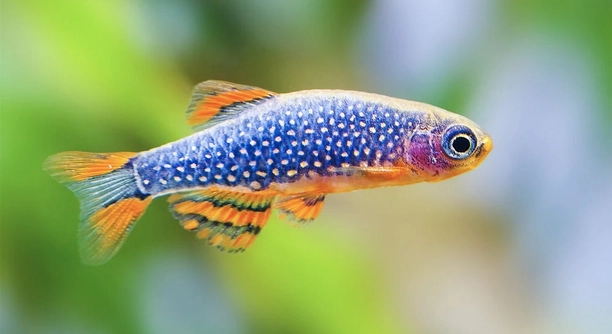
Adding plants to a Danio tank can completely change the look and feel of your aquarium. The greenery provides hiding spots and enriches the environment, creating a more natural and calming space for your fish to explore.
Introducing plants to a Danio tank requires adjustments in lighting, water flow, feeding routines, and maintenance practices. Ensuring proper plant care while monitoring fish behavior is essential to maintain water quality, prevent algae growth, and support the health of both flora and fauna.
These adjustments can improve the overall harmony in your tank, creating a balanced and thriving environment for your Danios and their new plant companions.
Adjusting Lighting for Plant Growth
When adding plants to a Danio tank, lighting becomes one of the most important factors to manage. Plants need sufficient light to perform photosynthesis, but too much light can encourage algae growth. Start by choosing a light designed for freshwater aquariums. Position the light to cover the entire tank evenly, ensuring all plants receive the necessary exposure. Observe how your Danios respond, as some species may become more active or stressed depending on light intensity. A timer can help maintain a consistent day-night cycle, preventing sudden fluctuations that can affect both fish and plants. Gradually increase lighting over the first week to allow plants to acclimate. Trim any dead or decaying leaves regularly, as they can block light from healthy foliage. Over time, you’ll notice the plants thriving and the Danios using them as hiding spots and activity areas, creating a more dynamic and healthy aquarium environment.
Proper lighting supports plant health and helps maintain water balance, reducing algae issues while keeping your Danios comfortable.
Lighting adjustments influence plant growth, fish activity, and tank aesthetics. Balancing intensity, duration, and placement ensures a thriving, healthy aquarium for both flora and fauna.
Managing Water Flow and Filtration
Water flow must be adjusted when adding plants to a Danio tank. Strong currents can uproot delicate plants and stress your fish, while stagnant areas may accumulate debris, affecting water quality.
A gentle but consistent flow ensures nutrients circulate to all plants, preventing dead zones where detritus collects. Consider adjusting your filter output or redirecting flow with decorations or stones to maintain circulation without disturbing plant roots. Check the filter regularly to prevent clogs from increased plant debris. Plants themselves can slightly reduce water movement, so monitoring oxygen levels is important. Adding floating plants or taller stems can provide natural breaks in flow, creating calmer areas for your Danios to rest. Over time, observing fish behavior and plant growth will guide further tweaks. Proper water management ensures that plants absorb nutrients efficiently, algae growth is minimized, and Danios remain active without stress, creating a balanced tank ecosystem.
Adjusting Feeding Habits
Adding plants can affect how your Danios feed. Plants may catch some floating food, requiring you to monitor portions more carefully.
Overfeeding can lead to decaying food caught in leaves, which harms water quality and encourages algae. Reduce the amount of food slightly and observe if the Danios are still getting enough nutrition. Feed smaller portions multiple times a day rather than one large feeding. Floating foods may need to be distributed around open areas to ensure all fish can access it without interference from dense plant clusters. Over time, the fish will adjust to the new layout, and plants will help absorb some nutrients, supporting tank balance. Monitoring waste and plant condition together provides insight into feeding adjustments, keeping both fish and plants healthy and maintaining water clarity.
Balanced feeding ensures Danios remain healthy while preventing leftover food from damaging plants or water quality in the aquarium.
Pruning and Maintenance
Plants grow quickly and require regular pruning to prevent overcrowding and shading other species.
Trimming plants promotes healthier growth and prevents decaying leaves from polluting the water. Remove older leaves and thin dense areas to allow light penetration. Use sharp, clean scissors or aquascaping tools to avoid damaging stems. Dead leaves should be removed immediately, as decomposing plant matter can release ammonia and increase algae risks. Rooted plants may need repositioning if they outgrow their initial spots or disrupt swimming paths. Observing how plants fill the tank over time helps decide when and what to trim, maintaining a balanced and open environment for your Danios. Routine maintenance also encourages aesthetically pleasing growth, ensuring the tank looks tidy and plants thrive without negatively affecting fish behavior.
Pruning and consistent maintenance help maintain a healthy ecosystem, allowing plants and Danios to coexist without stress or water quality issues.
Monitoring Water Parameters
Adding plants can slightly change water chemistry. Regularly check pH, ammonia, nitrite, and nitrate levels to ensure a stable environment.
Plants consume nutrients and release oxygen, which can affect readings. Keep a consistent testing schedule to catch shifts early and maintain a healthy balance for your Danios.
Controlling Algae Growth
Algae can increase when new plants are introduced due to extra light and nutrients. Maintaining proper lighting, limiting excess food, and pruning plants can help control algae naturally. Regular water changes and monitoring nutrient levels reduce the risk of overgrowth, keeping the tank clean and visually appealing for both plants and Danios.
Observing Fish Behavior
Plants can change how Danios interact with their environment. Watch for hiding, schooling, or new activity patterns.
Adjusting Tank Decorations
Dense planting may require moving decorations to ensure swimming space and hiding spots remain accessible. Reposition ornaments thoughtfully to maintain balance between aesthetics and functionality for your Danios.
FAQ
How often should I trim plants in my Danio tank?
Trimming frequency depends on plant growth rate. Fast-growing species may need pruning weekly, while slower growers can be trimmed every few weeks. Focus on removing dead or decaying leaves and thinning dense areas to ensure light reaches all plants and water circulation remains adequate.
Will my Danios eat the plants?
Most common aquarium plants are not eaten by Danios. However, delicate stems or soft leaves may occasionally be nibbled. Observe your fish and select hardy plants if you notice damage, such as Java fern or Anubias, which are more resistant to nibbling.
Do plants affect water chemistry?
Yes, plants absorb nutrients like nitrates and phosphates and release oxygen during the day. This can slightly increase pH during photosynthesis but generally stabilizes at night. Consistent testing is important to ensure stable conditions for both fish and plants.
How much light do my planted Danio tanks need?
Most freshwater plants thrive with 8 to 10 hours of light per day. Avoid exceeding 12 hours, as this can trigger algae growth. Using a timer ensures a stable day-night cycle, which helps both plants and fish adjust comfortably.
Can I use fertilizers with Danios in the tank?
Yes, but use liquid fertilizers cautiously and follow recommended dosages. Avoid fertilizers with copper, as it is toxic to fish. Root tabs are often safer for substrate plants and have minimal impact on water quality for Danios.
How do I prevent algae from taking over?
Maintaining balance is key. Avoid overfeeding, keep light duration moderate, prune plants regularly, and perform consistent water changes. Introducing fast-growing plants or floating species can compete with algae for nutrients, reducing its growth naturally.
Will adding plants reduce maintenance?
Plants can help absorb nitrates and improve water quality, but maintenance is still necessary. Regular trimming, water testing, and cleaning of debris are required to keep both fish and plants healthy. Plants make the tank look more natural but don’t eliminate work entirely.
Do Danios need hiding spots in planted tanks?
Yes, plants create natural hiding spots and resting areas. Danios are active and schooling fish, so tall or dense plants give them security and reduce stress, allowing natural behavior and more vibrant coloration.
Can I mix different plant species in a Danio tank?
Mixing species is possible, but consider growth rates and lighting requirements. Fast growers can overshadow slower ones, so position plants thoughtfully. Combining rooted plants, floating species, and hardy stems creates a balanced environment for both fish and plants.
How do I introduce plants without shocking my Danios?
Acclimate plants by rinsing them and trimming damaged leaves before placing them in the tank. Introduce plants gradually, ensuring water conditions remain stable. Observing fish behavior after planting helps ensure they adjust well to the new environment.
Are floating plants beneficial for Danios?
Floating plants provide shade and help diffuse light, reducing algae growth. They also create gentle currents and additional hiding areas, making the tank more comfortable for active Danios while helping maintain water quality.
What should I do if plants start decaying?
Remove decaying parts immediately to prevent ammonia spikes. Check for nutrient deficiencies or poor lighting. Adjust fertilization, trim affected leaves, and reposition plants if necessary to restore healthy growth and maintain tank balance.
Can adding plants affect fish breeding?
Yes, dense plants offer shelter and surfaces for eggs. For Danios, plants can provide safer areas for fry and reduce stress during spawning. Maintaining clean water and a well-lit environment supports both plant health and successful breeding.
How do I maintain a balance between plants and Danios?
Monitor feeding, light, and plant growth. Ensure swimming space remains accessible, prune plants regularly, and check water parameters frequently. Balancing plants’ nutrient needs with fish activity creates a healthy, stable tank ecosystem for both flora and fauna.
What are low-maintenance plants suitable for Danio tanks?
Java fern, Anubias, Hornwort, and Cryptocoryne are hardy choices. These species tolerate a range of conditions, require minimal trimming, and are less likely to be eaten, making them ideal for active Danios.
How do I handle sudden algae blooms?
Reduce lighting duration, remove excess food, prune affected plants, and perform partial water changes. Algae-eating species like snails or shrimp can help, but balancing nutrients and light is the most effective long-term solution.
Are live plants better than artificial ones for Danios?
Live plants provide oxygen, absorb nutrients, and create natural hiding spots. Artificial plants can offer visual appeal but do not contribute to water quality. Live plants support a more dynamic and healthier environment for Danios.
Can I change the substrate after planting?
Changing substrate is difficult once plants are rooted. If necessary, carefully remove plants, adjust the substrate, and replant. Minimizing disturbance reduces stress for fish and ensures plants survive the process.
Do plants affect water temperature?
Plants have minimal impact on water temperature but can provide shaded areas, creating microclimates that help Danios regulate activity. Proper lighting and heater settings are still essential for stable tank conditions.
Is CO2 injection necessary for Danio tanks?
CO2 injection is optional. Most low-light plants thrive without it. Only high-demand species may require supplemental CO2. For typical Danio setups, natural growth with standard lighting and fertilizers is sufficient.
How can I tell if a plant is thriving?
Healthy plants have vibrant color, steady growth, and firm leaves. Yellowing, melting, or holes indicate nutrient deficiencies, poor light, or water issues. Monitoring growth and adjusting care ensures plants flourish alongside your Danios.
Can plants help reduce fish stress?
Yes, plants provide shelter, reduce aggressive interactions, and create natural territory. Danios feel safer in planted environments, which promotes natural schooling behavior and overall well-being.
What is the best way to plant in a Danio tank?
Use fine substrate for rooted plants and place them strategically to allow swimming space. Group taller plants at the back and smaller plants in front. Floating species can be added for coverage and light control. Proper spacing prevents overcrowding and supports balanced growth.
How do I maintain a planted tank long-term?
Regular water testing, consistent trimming, balanced feeding, and light management are key. Observe both fish and plants for changes in behavior or appearance. Adjust care as needed to sustain a healthy, thriving ecosystem over time.
Are fertilizers necessary for all plants?
Not all plants need fertilizers. Hardy species can thrive on nutrients from fish waste and substrate alone. Fertilizers are helpful for fast-growing or nutrient-demanding plants but should be used carefully to avoid water quality issues for Danios.
How do I manage plant growth without stressing Danios?
Trim plants gradually, avoid sudden rearrangements, and monitor fish behavior. Maintain swimming space and ensure hiding areas remain accessible. Slow adjustments keep Danios comfortable while allowing plants to thrive.
Can I use tap water for planted Danio tanks?
Yes, tap water is fine if dechlorinated. Check for hardness and pH levels to ensure compatibility with both plants and Danios. Regular testing helps maintain stable conditions for healthy growth.
Do I need different care for floating versus rooted plants?
Floating plants mostly need sufficient light and minimal maintenance, while rooted plants require substrate nutrients and careful planting. Both benefit from pruning and water monitoring to thrive in a Danio tank.
Will adding plants reduce ammonia spikes?
Plants can absorb some ammonia and nitrates, helping stabilize water chemistry. However, they do not eliminate spikes entirely. Regular monitoring, water changes, and balanced feeding are still necessary to maintain safe conditions for Danios.
How do I choose plants for small Danio tanks?
Select compact or slow-growing species that won’t overcrowd swimming space. Use a mix of low-growing foreground plants, mid-height stems, and floating species to create structure without restricting movement.
Can plants survive in tanks with high Danio activity?
Yes, sturdy species like Java fern or Anubias withstand active fish. Dense or delicate plants may need extra anchoring or trimming to prevent uprooting, ensuring both plants and fish remain safe.
How often should I test water in planted tanks?
Test key parameters weekly or after significant changes. Monitoring pH, ammonia, nitrites, and nitrates ensures a balanced environment and allows early intervention if issues arise.
Can plants help with breeding Danios?
Yes, plants provide safe surfaces for egg-laying and shelter for fry. Dense foliage reduces predation risk and encourages natural breeding behavior.
What is the best way to clean a planted tank?
Remove debris carefully without disturbing roots. Use a siphon for substrate cleaning and perform partial water changes. Trim dead leaves and monitor plant health to maintain balance without harming fish.
Do plants require special substrates?
Rooted plants benefit from nutrient-rich substrates, while some species grow well in sand or gravel. Choosing the right substrate supports healthy root development and long-term growth.
How do I acclimate new plants to an established tank?
Rinse plants, trim damaged leaves, and plant gradually. Observe fish response and water quality to ensure a smooth transition without stress to either fish or plants.
Are all plants compatible with Danios?
Most common freshwater plants are compatible. Avoid delicate species that may be uprooted or easily eaten. Hardy plants like Java fern, Anubias, and Cryptocoryne are reliable choices for active Danio tanks.
Can plants affect water clarity?
Healthy plants can improve clarity by absorbing nutrients that cause cloudiness. Decaying plant matter or overfeeding can reduce clarity, so regular maintenance is important to keep water clear.
Is supplemental CO2 ever harmful to Danios?
Excessive CO2 can lower pH and reduce oxygen levels, stressing fish. Use careful monitoring if CO2 injection is implemented, ensuring levels remain safe for both plants and Danios.
How do I prevent plants from overtaking the tank?
Regular pruning, careful placement, and selecting slow-growing species help maintain balance. Floating plants can be thinned as needed to prevent overcrowding, keeping swimming space accessible for Danios.
Can live plants survive without fish in the tank?
Yes, but they require alternative nutrient sources, such as liquid fertilizers or root tabs. Fish provide natural nutrients, so plants in empty tanks need more careful management.
How do I know if my plants are getting enough nutrients?
Slow growth, yellowing, or melting leaves indicate nutrient deficiencies. Adjust fertilization, check substrate quality, and ensure proper light exposure to correct deficiencies and support healthy growth.
Can I move plants without harming Danios?
Yes, but do so carefully to avoid uprooting or disturbing the substrate. Gradual rearrangement minimizes stress for both fish and plants while maintaining tank balance.
Do plants affect the tank’s oxygen levels at night?
Plants consume oxygen at night, but in a well-aerated tank with proper filtration, this usually does not harm Danios. Ensuring adequate surface agitation helps maintain oxygen levels consistently.
How long does it take for plants to establish in a Danio tank?
Most plants begin showing stable growth within a few weeks. Full establishment may take one to two months, depending on species, lighting, and nutrient availability, providing a stable environment for Danios.
Are there any plants Danios prefer for hiding?
Tall stems, dense foreground plants, and floating species are ideal. Danios use these areas to rest, reduce stress, and establish territories, creating a comfortable and natural environment.
Can plants reduce tank odors?
Yes, by absorbing organic waste and nitrates, plants help minimize odor. Maintaining healthy growth and removing decaying material further supports a fresh, clean tank environment.
Do I need to worry about plant pests?
Occasionally, snails or algae can become pests. Inspect plants before adding them, remove unwanted organisms, and maintain balanced water conditions to reduce infestations.
Can I mix high-light and low-light plants?
Yes, but position them according to light needs. Low-light plants should be placed in shaded areas, while high-light species thrive under direct light, preventing stress and ensuring growth.
How do I handle sudden plant die-off?
Remove decayed plants promptly, check water parameters, adjust lighting or nutrients, and replace with hardy species. Investigate possible causes to prevent recurrence.
Are planted tanks harder to maintain than bare tanks?
They require more monitoring and pruning, but the benefits—better water quality, shelter, and aesthetics—often outweigh the extra effort, creating a balanced, healthy environment for Danios.
Can plants survive winter or seasonal changes?
Indoor tanks maintain stable conditions year-round, so plants generally thrive regardless of season. Light and temperature control ensures consistent growth for both plants and Danios.
Do I need special tools for plant care?
Basic tools like aquascaping scissors, tweezers, and a siphon are helpful. These tools make trimming, planting, and substrate maintenance easier without disturbing fish.
Can I use fertilizers designed for saltwater tanks?
No, freshwater plants require specific nutrients. Saltwater fertilizers may contain harmful elements that affect freshwater plants and Danios, so use freshwater-compatible products only.
How do I balance plant density with swimming space?
Strategically place taller plants at the back, smaller ones in the foreground, and maintain open areas for Danios to swim freely. Regular pruning prevents overcrowding and supports healthy tank dynamics.
Is it normal for plants to shed leaves after planting?
Yes, some initial leaf loss is common as plants acclimate. Trim decaying leaves, ensure proper light and nutrients, and healthy new growth will follow.
Can plants survive if Danios uproot them?
Hardy plants with strong roots can recover. Use anchors or reposition plants carefully to minimize damage and allow them to reestablish without stressing the fish.
How do I maintain a balance between fast- and slow-growing plants?
Trim fast-growing species regularly and monitor light and nutrient distribution. Position slow growers in areas where they receive adequate light without being shaded by faster-growing neighbors.
Are certain plants better for beginners with Danios?
Yes, Java fern, Anubias, Cryptocoryne, and Hornwort are forgiving, easy to maintain, and resistant to nibbling. These species help beginners establish a thriving planted Danio tank.
Can plants survive in tanks with strong filtration?
Yes, sturdy plants tolerate moderate flow. Redirect water or use decorations to reduce direct current on delicate species to prevent uprooting and support healthy growth.
Do I need to quarantine plants before adding them?
Quarantining or rinsing plants helps remove pests, snails, or algae spores, reducing the risk of introducing problems to your established Danio tank.
How do I adjust light for densely planted areas?
Increase exposure slightly or reposition plants to ensure lower layers receive enough light. Avoid excessive intensity that could stress Danios or encourage algae.
Can I use artificial CO2 supplements instead of injection?
Some liquid carbon products work for low-demand plants. Follow dosing instructions carefully, as overdosing can harm fish and alter water chemistry.
Are there plants that help oxygenate water more effectively?
Fast-growing species like Hornwort or Water Wisteria release more oxygen during photosynthesis. Incorporating a mix of plants ensures good oxygenation and nutrient absorption.
How do I ensure plants don’t block Danios’ swimming paths?
Arrange plants thoughtfully, leaving open corridors for swimming. Regular pruning prevents overgrowth and maintains accessible areas for activity, schooling, and natural behavior.
Can plants help reduce stress in newly introduced Danios?
Yes, dense or floating plants provide shelter and familiar surroundings, helping fish acclimate while reducing aggressive interactions and promoting natural schooling behavior.
How do I prevent plants from shading each other?
Place taller species at the back and shorter ones in front. Thin dense clusters regularly to allow light penetration and even growth across all plants.
Can I grow plants in low-light tanks with Danios?
Yes, choose low-light species like Java fern, Anubias, and Cryptocoryne. They require minimal lighting and are hardy enough to coexist with active Danios.
Do I need to remove fish during major plant rearrangements?
Not necessarily, but moving plants carefully prevents uprooting and reduces stress. Ensure swimming space remains accessible throughout the process.
How do I deal with melting or dying plants?
Trim affected leaves, check nutrient levels, adjust lighting, and monitor water quality. Replace with hardy species if necessary to restore healthy growth.
Can I mix fast- and slow-growing plants with Danios?
Yes, but monitor growth to prevent shading and overcrowding. Regular pruning ensures balance and maintains both fish activity and plant health.
Do floating plants reduce water evaporation?
Yes, they create a surface cover that slows evaporation and helps stabilize temperature and humidity in the tank.
How do I keep plants anchored in a sandy substrate?
Use root tabs, small rocks, or plant weights to prevent uprooting. Gently bury roots deep enough to secure plants without disturbing fish.
Are there plants that require minimal care?
Java fern, Anubias, and Hornwort grow with minimal trimming and fertilization, making them ideal for low-maintenance Danio tanks.
How do I prevent plants from decaying after fertilization?
Follow recommended dosages, monitor water parameters, and ensure adequate light. Removing dead material promptly prevents nutrient imbalances and supports healthy plant growth.
Can plants survive in tanks with fluctuating temperatures?
Hardy plants tolerate small fluctuations, but extreme changes can cause stress. Maintaining consistent temperature supports both plant health and Danio activity.
Do plants compete with Danios for oxygen?
During the day, plants produce oxygen, benefiting fish. At night, they consume oxygen, but in a well-aerated tank, Danios are not affected. Adequate circulation ensures balance.
How do I remove algae from plants without harming Danios?
Gently wipe leaves, prune affected areas, or use algae-eating snails/shrimp. Avoid chemical treatments that can harm fish or disrupt tank balance.
Are there plants suitable for breeding Danios?
Yes, fine-leaved plants or dense stems provide ideal surfaces for eggs and shelter for fry, supporting natural breeding behavior.
How do I prevent nutrient deficiencies in planted tanks?
Use liquid fertilizers or root tabs as needed, monitor growth, and ensure adequate light. Observing leaves and stems helps identify and correct deficiencies early.
Can plants survive without substrate nutrients?
Some species, like Java fern or Anubias, absorb nutrients from water and do not require substrate, making them ideal for simple planted tanks with Danios.
Do I need to trim roots as well as leaves?
Only if roots are overgrowing, tangled, or blocking filtration. Otherwise, trimming leaves is sufficient to maintain healthy plant growth and tank balance.
Can plants help reduce nitrate levels naturally?
Yes, they absorb nitrates produced by fish waste, contributing to better water quality. Maintaining
Adding plants to a Danio tank changes the environment in many ways. They provide hiding spots, create natural boundaries, and improve water quality. Observing how the fish interact with their new surroundings is important, as plants can alter swimming patterns and behavior. Over time, the presence of plants can reduce stress for Danios, giving them secure areas to rest and explore. Different species respond in various ways, so paying attention to activity levels, feeding habits, and schooling behavior helps ensure the tank remains balanced. Properly arranged plants also add visual appeal, making the tank look more natural and lively without overcrowding the swimming space.
Maintaining a planted Danio tank requires attention to several factors. Lighting, water flow, and nutrient levels need to be monitored regularly to support both plant and fish health. Pruning is essential to prevent overcrowding and ensure light reaches all areas of the tank. Feeding habits may need to be adjusted to account for plants capturing some food, and careful observation helps prevent waste from accumulating. Algae control is another key aspect, as excess nutrients or too much light can cause overgrowth. By managing these aspects consistently, the tank maintains a healthy ecosystem where plants and fish coexist harmoniously. Using hardy plant species such as Java fern, Anubias, and Cryptocoryne simplifies maintenance and reduces the risk of damage from active Danios.
Creating a thriving planted tank also involves regular monitoring and small adjustments. Checking water parameters, trimming plants, and repositioning decorations ensures a stable environment. Plants not only contribute to oxygenation and nutrient absorption but also enhance the overall atmosphere of the aquarium. Over time, understanding the interactions between plants and Danios allows for more precise care and a more sustainable setup. With consistent attention and thoughtful placement, a planted Danio tank can remain healthy, visually appealing, and enjoyable to maintain. The balance between plant growth and fish activity is key, and following simple maintenance practices helps the tank continue to flourish while supporting the long-term health and behavior of your Danios.

Hello,
If you enjoy the content that we create, please consider saying a "Thank You!" by leaving a tip.
Every little bit helps us continue crafting quality advice that supports the health, happiness, and well-being of pets around the world, for pets of all shapes, sizes, and species.
We really appreciate the kindness and support that you show us!