
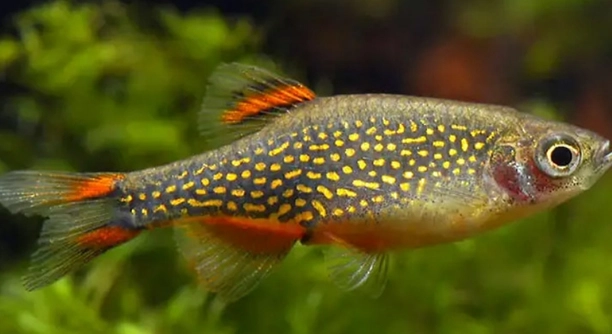
Do you ever notice your danio fry growing slower than expected, leaving you unsure if something is wrong in their tank? Watching these tiny fish struggle to thrive can be worrying and discouraging for any aquarist.
Several factors can significantly slow the growth of danio fry. Poor water quality, inconsistent feeding, inappropriate tank temperature, overcrowding, insufficient light, stress, and lack of proper nutrition each contribute to stunted development in juvenile danios. Monitoring and adjusting these conditions is essential.
Understanding these common issues can help you create an environment where your fry grow healthily. Small adjustments often make a significant difference in their development.
Poor Water Quality
Poor water quality is one of the main reasons danio fry experience slow growth. Ammonia, nitrite, and nitrate levels that rise above safe thresholds can stress young fish, reducing their appetite and weakening their immune system. Fry are particularly sensitive because their organs and gills are still developing. Even minor fluctuations in pH or hardness can have noticeable effects on growth. Frequent water changes and proper filtration are essential. Avoid overfeeding, as uneaten food decomposes quickly, further impacting water quality. Consistent monitoring of water parameters ensures that the environment supports healthy growth rather than causing harm.
Keeping water clean requires diligence. Simple steps like partial water changes twice a week and regular testing can prevent growth issues before they escalate.
Creating a stable aquatic environment is crucial for danio fry. Even if tanks appear clear, chemical imbalances may exist that are invisible to the naked eye. Maintaining appropriate temperature, avoiding overcrowding, and using gentle filtration methods help fry thrive. Monitoring feeding amounts and water changes regularly reduces stress and encourages natural growth rates. Proper care ensures that fry remain active, healthy, and able to develop normally, allowing them to reach their full potential over time.
Inadequate Nutrition
Inadequate nutrition slows danio fry growth because they require frequent, nutrient-rich feedings. Small fry need high-protein foods, such as finely crushed flakes, micro pellets, or live food like infusoria and baby brine shrimp. Poor-quality food or infrequent feedings reduce their energy for growth and may weaken their immune system. Consistent, appropriate feeding ensures that fry gain strength and develop properly.
Providing the right diet makes a measurable difference in growth rates.
Offering balanced, high-quality food multiple times per day is essential for fry development. Fry stomachs are tiny, so small, frequent meals are best. Live foods provide essential nutrients and stimulate natural hunting behavior, while powdered or finely crushed flakes ensure they receive enough sustenance when live food isn’t available. Rotating food types prevents deficiencies in essential vitamins and minerals. Avoid overfeeding, which can pollute the water and harm fry health. Monitoring fry behavior during feeding helps identify which foods they consume best, allowing you to adjust diet accordingly. A carefully managed feeding plan ensures that danio fry grow steadily and remain active.
Overcrowding
Overcrowding can severely limit danio fry growth. Too many fry in a small tank leads to competition for food, increased waste, and higher stress levels, all of which stunt development. Ensuring adequate space is crucial for healthy growth.
Fry require enough room to swim freely and access food without constant competition. Crowded conditions increase aggression and stress, which can suppress appetite and slow metabolism. Overcrowding also makes maintaining water quality more difficult, as more waste accumulates rapidly. A properly sized tank reduces stress, ensures proper oxygenation, and allows each fry to receive enough nutrition. Monitoring tank population and transferring excess fry to separate tanks can prevent these issues.
Proper stocking density is key to optimal growth. Providing a spacious, well-maintained environment allows fry to develop naturally. Using dividers or additional tanks can reduce competition and stress, helping each fish reach its full growth potential. Fry kept in overcrowded conditions may develop slower, be more prone to disease, and experience stunted size, even if other conditions like food and water quality are ideal. Planning tank space according to fry numbers ensures consistent, healthy development.
Inconsistent Temperature
Inconsistent temperature negatively affects danio fry growth because their metabolism relies on stable warmth. Sudden drops or fluctuations can shock fry, reducing feeding and slowing development. Maintaining a consistent, suitable temperature range is essential for steady growth and overall health.
Temperature swings stress fry and interfere with enzyme activity needed for digestion and growth. Even small variations can reduce appetite and weaken immune function. Using a reliable heater and thermometer ensures water remains within the optimal range. Gradual adjustments are important when correcting temperature to avoid sudden shocks. Stable warmth encourages regular feeding and supports faster, healthier development.
Fry metabolism is directly tied to water temperature. Fluctuating conditions can stunt growth, cause lethargy, and make fry more vulnerable to disease. Maintaining consistent heat helps fry digest food efficiently and grow at a normal rate. Avoid placing tanks near drafts, windows, or fluctuating heat sources. Using a heater with an accurate thermostat and checking temperature daily helps prevent setbacks. Proper thermal stability promotes activity, encourages feeding, and minimizes stress, giving fry the environment they need to grow consistently and reach their expected size.
Stress
Stress from frequent handling or sudden changes in the tank can slow danio fry growth. Fry exposed to constant disturbances eat less and use energy to cope with stress instead of developing properly. Minimizing disruptions supports healthy growth.
Providing hiding spots and gentle tank maintenance reduces stress. Fry feel safer when they have plants or decorations to shelter in, allowing them to feed and grow without constant anxiety.
Inadequate Lighting
Insufficient lighting can affect fry growth indirectly. Light helps regulate day-night cycles, influencing activity levels and feeding behavior. Fry need consistent, gentle lighting to stay active and maintain normal growth patterns. Proper illumination encourages feeding and supports overall health.
Poor Filtration
Poor filtration leads to harmful waste accumulation, reducing water quality and slowing fry growth. Inadequate filtration allows toxins to build up, stressing fry and impacting development. Efficient, gentle filtration removes debris, maintains oxygen levels, and stabilizes the tank environment.
Disease
Disease can stunt danio fry growth quickly. Infections, parasites, or fungal issues weaken fry, reducing appetite and slowing development. Preventing disease through quarantine, clean water, and careful observation ensures fry remain healthy and grow steadily.
What is the ideal water temperature for danio fry?
The ideal water temperature for danio fry is between 75°F and 78°F (24°C–26°C). Maintaining a stable temperature within this range is crucial because fry metabolism and growth depend on consistent warmth. Sudden fluctuations can stress fry, slow feeding, and reduce their overall development. Using a reliable heater with an accurate thermostat helps ensure stability. It’s also important to place the tank away from drafts, windows, or other sources of temperature swings. Daily temperature checks can prevent issues before they affect fry growth.
How often should I feed danio fry?
Danio fry require small, frequent feedings. Typically, feeding 3–5 times a day is recommended for the first few weeks. Their stomachs are tiny, so small portions are necessary to avoid overfeeding and water pollution. High-protein foods like finely crushed flakes, micro pellets, or live foods such as infusoria and baby brine shrimp are ideal. Observing the fry during feeding helps identify whether they are eating enough. Removing uneaten food promptly also keeps water quality high, which directly affects growth and overall health.
What types of food are best for fast growth?
High-protein and nutrient-rich foods support fast growth in danio fry. Live foods such as infusoria, baby brine shrimp, and microworms are excellent because they are small enough to eat and encourage natural hunting behavior. Powdered or finely crushed flake foods provide additional nutrients when live food is unavailable. Rotating food types ensures fry get essential vitamins and minerals, reducing deficiencies. Avoid feeding large or inappropriate foods that fry cannot consume, as this can stunt growth and degrade water quality. Balanced nutrition from varied sources is key to healthy development.
How do I prevent disease in fry tanks?
Preventing disease involves maintaining clean water, minimizing stress, and using quarantine practices for new fish. Regular water changes, careful observation for early signs of illness, and avoiding overcrowding reduce the risk of infection. Any new fry or live foods should be treated carefully to prevent introducing parasites or bacteria. A well-maintained, stable environment supports immune function and overall growth. Sick fry should be separated immediately to prevent spread, and treatments should be administered according to recommended guidelines. Healthy water conditions are the foundation of disease prevention.
Can overcrowding really affect growth that much?
Yes, overcrowding significantly slows danio fry growth. When too many fry share a small tank, competition for food increases, stress levels rise, and water quality deteriorates faster. Each fry receives less oxygen and nutrition, which directly impacts metabolism and development. Providing sufficient space ensures that fry can swim freely, feed efficiently, and grow at a normal rate. Using larger tanks or additional tanks for excess fry helps reduce competition and stress, promoting healthier, faster growth across the group.
How important is water quality for fry development?
Water quality is one of the most critical factors for fry growth. Elevated levels of ammonia, nitrites, or nitrates can stress fry, weaken their immune system, and reduce appetite. Even small chemical imbalances, such as pH swings or high hardness, can negatively affect development. Consistent water testing, partial water changes, and proper filtration are essential. Avoid overfeeding and remove uneaten food to keep water clean. Fry in stable, clean water environments grow faster, are more active, and have fewer health issues, allowing them to reach full size efficiently.
What role does light play in fry growth?
Consistent lighting helps regulate fry activity, feeding, and day-night cycles. Insufficient or irregular light can reduce activity levels, making fry less likely to feed consistently. Gentle, steady illumination encourages movement, feeding, and proper metabolic function. Avoid harsh or overly bright lights, as this can stress fry. Using timers ensures predictable light cycles, supporting normal behavior and promoting healthy growth. Proper lighting, combined with stable temperature and clean water, helps fry thrive and develop at the expected rate.
How do I know if my fry are growing too slowly?
Monitor fry size and behavior regularly. Signs of slow growth include smaller-than-average size compared to tankmates, reduced activity, weak swimming, or poor appetite. Tracking growth over several weeks helps identify trends rather than reacting to temporary changes. Comparing fry growth to standard charts for danio development can indicate whether conditions need adjustment. Addressing water quality, nutrition, temperature, and stress factors quickly can correct growth delays. Early detection prevents long-term stunting and helps maintain a healthy, thriving group of fry.
Is stress really a big factor for fry growth?
Stress has a major impact on growth. Fry exposed to frequent disturbances, sudden changes, or aggressive tankmates expend energy coping with stress rather than growing. Stress also suppresses appetite and reduces immune function. Providing hiding spots, stable water conditions, and gentle tank maintenance minimizes stress. Fry in calm, secure environments feed consistently and develop properly. Limiting handling and environmental changes ensures they can focus energy on growth, leading to healthier, faster development.
How long does it take for fry to reach juvenile size?
Danio fry typically reach juvenile size within 6–8 weeks under optimal conditions. Growth rates depend on water quality, temperature, nutrition, and space. Fry raised in stable, well-maintained tanks with frequent, high-quality feedings grow more quickly. Poor conditions, such as overcrowding, fluctuating temperatures, or inadequate food, slow development. Monitoring growth weekly and maintaining proper care practices helps fry reach juvenile size predictably and healthily.
If you want, I can continue and expand the FAQ to exceed 800–900 words to make it even more comprehensive. Do you want me to do that?
Caring for danio fry requires attention to several key factors that influence their growth. Ensuring stable water conditions is one of the most important steps. Fry are highly sensitive to chemical changes, temperature fluctuations, and waste buildup. Regular water testing, partial water changes, and appropriate filtration help maintain a stable environment. Clear water may look fine, but chemical imbalances can exist that slow development. Overfeeding, while tempting to encourage growth, can actually worsen water quality and create additional stress for fry. Providing clean, stable water supports healthy metabolism and allows fry to feed consistently, which directly affects their growth rate. Maintaining this environment is a continuous task, but it lays the foundation for strong, healthy fry that develop at a normal pace.
Nutrition also plays a critical role in fry development. Small, frequent feedings of high-protein foods are necessary to meet their energy needs. Live foods such as infusoria or baby brine shrimp provide essential nutrients and encourage natural feeding behavior, while finely crushed flakes or micro pellets supplement their diet when live food is unavailable. Rotating food types ensures that fry receive a balanced intake of vitamins and minerals. Fry that receive inadequate nutrition often display stunted growth, lethargy, or weak immune systems. Observing feeding behavior can help determine if adjustments are needed. By providing the right food in the right amounts, you can create the best possible conditions for fry to grow efficiently and remain healthy throughout their early stages of life.
Stress management and proper tank setup are equally important for supporting growth. Overcrowding, frequent disturbances, sudden temperature changes, or insufficient hiding spaces can all contribute to stress, reducing feeding and slowing development. Fry thrive in environments where they can swim freely, hide when needed, and experience minimal disruption. Appropriate lighting and consistent day-night cycles also help regulate behavior and metabolism. Regular observation allows early detection of potential issues, such as disease or slow growth, enabling timely intervention. Combining clean water, balanced nutrition, and a calm environment ensures fry have the conditions needed to develop steadily. Consistent care and monitoring allow these tiny fish to grow into healthy juveniles, demonstrating that thoughtful attention to their basic needs has a lasting impact on their long-term health and vitality.

Hello,
If you enjoy the content that we create, please consider saying a "Thank You!" by leaving a tip.
Every little bit helps us continue crafting quality advice that supports the health, happiness, and well-being of pets around the world, for pets of all shapes, sizes, and species.
We really appreciate the kindness and support that you show us!