
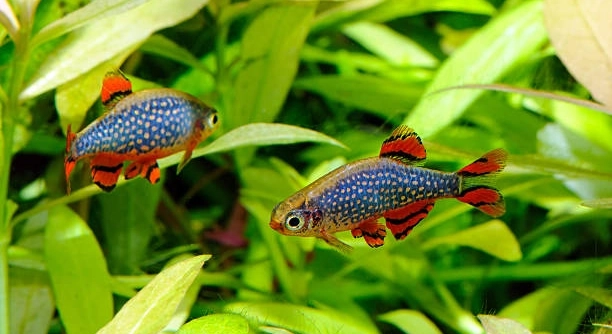
Danios are lively little fish that thrive in a well-planned aquarium. Many hobbyists enjoy keeping them, but it can be challenging to maintain a setup that keeps them healthy and stress-free every day.
Incorporating plants, hiding spots, gentle filtration, stable water temperature, balanced lighting, proper tank size, and regular feeding schedules are essential features that significantly reduce stress in a danio setup. Each element contributes to a stable and enriching environment.
Implementing these changes can improve your fish’s well-being and create a more peaceful tank environment overall. The benefits extend to both the fish and the owner’s experience.
Plants and Hiding Spots
Live plants and well-placed decorations provide danios with areas to explore and hide. They naturally seek shelter when feeling threatened or stressed, and plants give them that security. Additionally, hiding spots reduce aggressive interactions among tank mates. Tall plants or leafy stems near the edges of the tank create shaded areas that mimic natural environments. Small caves, driftwood, or ceramic ornaments offer additional retreats for shy fish. Overcrowding the tank with decorations can have the opposite effect, so balance is important. Regularly trimming plants ensures they do not overgrow and reduce swimming space. When arranging the tank, think about different levels of cover to accommodate various swimming patterns. By combining vertical plants with bottom-level hiding spots, you give danios a sense of safety. Stress levels drop when fish feel they have control over their space. This creates a calmer tank and more active, confident fish over time.
Well-placed plants and hiding spots keep danios safe and reduce stress consistently, improving their overall health.
Creating a mix of live plants, small caves, and shaded areas gives danios options to explore and rest. These features mimic natural habitats, letting them feel safe while swimming freely. Regular care ensures plants remain healthy and do not overcrowd the tank. Combining vertical and horizontal spaces helps all fish, from timid to active swimmers, feel secure. Over time, fish will display more natural behavior, moving confidently without constant hiding. This balance encourages better feeding habits and reduces aggression, making tank management easier. By observing how your danios use these spaces, you can adjust decorations to meet their needs. A thoughtfully arranged tank supports both activity and rest, making it a healthier environment.
Gentle Filtration
A gentle filtration system prevents strong currents that stress danios while keeping water clean.
Selecting the right filter helps maintain water clarity without disturbing the fish. Sponge filters or adjustable flow filters are ideal.
Strong currents force danios to swim constantly, causing fatigue and higher stress levels. Gentle filters maintain oxygenation and remove waste without creating turbulence. Positioning the filter output at the tank surface or behind plants reduces direct water flow, giving fish calm areas. Regular maintenance ensures the system runs efficiently, preventing sudden changes in water quality. By balancing flow and cleanliness, danios can swim freely and interact naturally. This also benefits tank plants, which thrive in stable water conditions. A stable environment lowers stress hormones in fish, improving immune response and coloration. Over time, consistent water conditions reduce the risk of disease and support healthy growth. Choosing a quiet, gentle filter contributes to a peaceful tank, making care simpler and enhancing the overall aesthetic. Observing fish behavior around filter areas helps adjust placement for maximum comfort.
Stable Water Temperature
Maintaining a consistent water temperature prevents stress and supports danios’ metabolism. Sudden changes can shock their system, making them more vulnerable to disease.
Using a reliable heater with a thermostat ensures the tank stays within the ideal range, usually 72–78°F. Monitoring daily with a thermometer avoids fluctuations that could affect behavior or appetite. Consistent temperature helps danios swim normally and interact without hiding. Avoid placing the tank near windows or vents that cause rapid heating or cooling. Gradual adjustments during seasonal changes keep fish comfortable. Temperature stability also supports beneficial bacteria, promoting a healthier environment and reducing ammonia spikes.
Danios’ immune systems respond better in stable temperatures, making them more active and vibrant. Sudden drops or rises can lead to lethargy or erratic swimming. Consistency prevents unnecessary stress, ensuring that feeding and social patterns remain regular.
Regular checks and careful placement of the heater prevent temperature swings, allowing the tank to remain calm. Consistent warmth contributes to proper digestion and reduces the likelihood of aggressive behavior. Observing the fish daily helps detect early signs of discomfort, letting you make adjustments quickly. This approach keeps the tank balanced and creates a predictable, safe environment for all fish.
Balanced Lighting
Proper lighting regulates danios’ natural rhythms and reduces stress during the day.
Consistent light cycles, usually 10–12 hours per day, encourage normal feeding and activity. Avoid overly bright lights or sudden changes that can startle fish.
Using LED or fluorescent lighting on a timer ensures stability and replicates natural day-night cycles. Too much light can promote algae growth, while too little may suppress activity. Dim or shaded areas give fish places to rest, helping reduce stress. Plants benefit from regular light, which supports photosynthesis and oxygen levels. Gradual transitions in light intensity, such as dawn and dusk simulations, help danios adjust without sudden surprises. Observing fish responses to lighting can guide adjustments for optimal comfort. Proper light management improves both health and visual appeal of the tank, making it a more pleasant environment.
Proper Tank Size
A spacious tank allows danios to swim freely, reducing stress and aggression. Crowded conditions increase competition for resources and can lead to disease.
Providing at least 10 gallons for a small group of danios supports natural schooling behavior and healthy growth.
Regular Feeding Schedule
Consistent feeding times prevent stress and maintain stable energy levels.
Feeding small amounts 1–2 times daily ensures all fish receive proper nutrition. Uneaten food should be removed to prevent water quality issues, supporting a healthy, calm tank environment.
Water Quality Maintenance
Regular water changes and testing maintain clean water and reduce harmful toxins. Keeping ammonia, nitrite, and nitrate levels in safe ranges prevents illness and stress. Testing weekly and changing 20–25% of the water helps create a stable environment. Consistent maintenance supports fish health, plant growth, and overall tank stability.
Social Environment
Danios are schooling fish and thrive in groups, which reduces anxiety and promotes natural behavior.
FAQ
How many danios should I keep together?
Danios are schooling fish and feel more secure in groups. Keeping at least five to six individuals together encourages natural swimming patterns and reduces stress. Smaller groups may result in shy or aggressive behavior, while larger groups enhance activity and social interaction.
What is the ideal water temperature for danios?
Danios thrive in water between 72–78°F. Consistent temperature is crucial, as sudden fluctuations can cause stress or illness. Using a reliable heater with a thermostat and monitoring daily with a thermometer helps maintain a stable environment. Avoid placing the tank near windows or vents.
How often should I feed my danios?
Feed small portions 1–2 times a day, ensuring all fish get food within a few minutes. Uneaten food should be removed promptly to prevent water quality issues. A balanced diet with flakes, micro-pellets, and occasional live or frozen foods keeps them healthy.
What type of filtration works best for a danio tank?
Gentle filtration is ideal to avoid strong currents. Sponge filters or adjustable-flow filters provide adequate cleaning without stressing the fish. Positioning the filter output behind plants or ornaments reduces direct water flow, giving fish calm swimming areas while maintaining proper oxygenation and cleanliness.
Do danios need live plants in their tank?
While not strictly necessary, live plants provide hiding spots and help mimic natural conditions. They improve water quality by absorbing nitrates and offer shaded areas for resting. Combining live plants with ornaments or driftwood creates multiple levels of cover, helping fish feel secure and reducing aggression.
How often should I change the water?
Partial water changes of 20–25% weekly maintain a healthy environment and prevent toxin buildup. Testing for ammonia, nitrite, and nitrate levels regularly ensures water remains safe. Clean water supports immune function, encourages natural behavior, and reduces stress in danios.
Can danios live with other fish?
Yes, danios are generally peaceful and compatible with other non-aggressive species. Avoid slow-moving or long-finned fish that may be stressed by fast-swimming danios. Providing ample space, hiding spots, and consistent water conditions helps maintain harmony among different species.
What signs show my danios are stressed?
Stress may appear as erratic swimming, hiding excessively, loss of appetite, faded colors, or fin clamping. Identifying and correcting environmental issues, such as water quality, tank size, or social stress, helps restore health. Consistent care and monitoring reduce the risk of long-term problems.
How important is lighting for danios?
Proper lighting supports natural rhythms and activity levels. A consistent 10–12 hour day-night cycle is recommended, avoiding sudden brightness or darkness. Dim areas or shaded spots give fish places to rest. Gradual changes, such as dawn and dusk simulations, make transitions smoother and reduce stress.
Should I use decorations in the tank?
Decorations like caves, driftwood, and plants provide hiding spots and enrichment. They help reduce aggression, give fish safe areas, and encourage exploration. Avoid overcrowding the tank, as too many decorations can restrict swimming space and increase stress instead of lowering it.
What is the best tank size for danios?
A minimum of 10 gallons is recommended for a small group of danios. Larger tanks allow for more stable water conditions and proper schooling behavior. Extra space reduces aggression, supports healthy growth, and makes maintenance easier over time.
How can I maintain a calm tank environment?
Stable water parameters, gentle filtration, proper lighting, consistent feeding, and appropriate social groups create a peaceful tank. Regular observation allows early detection of problems. A calm environment encourages active swimming, natural behaviors, and vibrant colors in danios.
Can danios live without a heater?
In cooler climates or indoor conditions, a heater is often necessary to maintain stable temperatures. Danios tolerate some variation, but sudden drops can stress them. Monitoring water temperature daily ensures safety and reduces the risk of illness.
Are danios suitable for beginners?
Yes, danios are hardy, adaptable, and active, making them good for those new to fishkeeping. Proper tank setup, consistent feeding, and attention to water quality ensure they remain healthy and stress-free. They provide both enjoyment and a manageable care routine.
Do danios need special water treatment?
Treating tap water with a dechlorinator is essential. Using a water conditioner removes chlorine and chloramine, making the water safe. Checking pH and hardness helps maintain optimal conditions. Clean, treated water supports immune health and overall vitality in danios.
What is the best diet for danios?
A varied diet including flakes, micro-pellets, and occasional live or frozen foods meets nutritional needs. Rotating food types prevents deficiencies, encourages natural foraging behavior, and maintains bright colors. Feeding small, frequent meals avoids overfeeding and keeps water quality high.
How do I reduce aggression among danios?
Maintaining proper group sizes, providing hiding spots, and ensuring enough swimming space reduce aggression. Avoid overcrowding and monitor interactions. Balanced feeding schedules and calm water conditions also help keep social behavior stable and reduce conflicts.
Can stress affect danios’ lifespan?
Chronic stress weakens the immune system, reduces growth, and shortens lifespan. Minimizing environmental stressors such as poor water quality, temperature fluctuations, and inadequate hiding spots is essential. A stable, enriched environment promotes long-term health and natural behavior.
How can I tell if my tank setup is ideal?
Healthy, active fish that swim naturally, eat consistently, and display bright colors indicate a well-maintained setup. Minimal aggression, clean water, and stable environmental conditions are signs that the tank meets danios’ needs. Regular observation and adjustments ensure continued well-being.
Final Thoughts
Creating a stress-free environment for danios requires attention to several small but important details. Each aspect of the tank, from water quality to decorations, affects how comfortable and healthy the fish feel. Maintaining a stable temperature and proper filtration is key. Sudden changes in water conditions or strong currents can easily stress these active fish. Consistency is important because it helps danios feel safe, encouraging natural swimming patterns and social behaviors. When water parameters, temperature, and light cycles are kept steady, fish are less likely to hide or display erratic behavior, which can indicate stress or illness.
Tank size and social environment are equally important. Danios thrive in groups, so keeping at least five or six together supports schooling behavior. Crowding or isolating them can lead to stress, aggression, or timid behavior. Providing enough space for swimming and multiple hiding spots creates a sense of security. Decorations, plants, and shaded areas allow fish to explore and rest safely. A well-thought-out layout not only reduces stress but also helps prevent conflicts among tank mates. Observing the fish regularly helps you notice any changes in behavior, letting you make adjustments before problems develop. By carefully arranging their environment and monitoring their needs, you can maintain a balanced, healthy tank.
Feeding, lighting, and water maintenance all contribute to long-term health. Regular feeding at consistent times keeps energy levels steady, while removing uneaten food prevents water quality issues. Proper lighting supports natural activity cycles and provides areas of shade for rest. Weekly water tests and partial changes maintain clean, safe water, reducing the risk of disease. Combining all these elements creates an environment where danios can thrive. Over time, consistent care will result in more active, colorful fish that display natural behaviors. Paying attention to these features allows you to enjoy a peaceful, vibrant aquarium while ensuring the fish remain healthy and stress-free.

Hello,
If you enjoy the content that we create, please consider saying a "Thank You!" by leaving a tip.
Every little bit helps us continue crafting quality advice that supports the health, happiness, and well-being of pets around the world, for pets of all shapes, sizes, and species.
We really appreciate the kindness and support that you show us!