
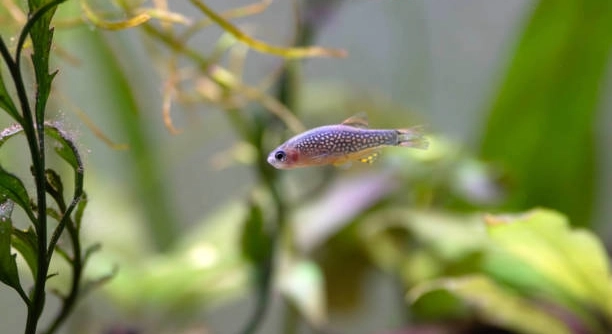
Fry are small and clever pets, often sneaking into spots you would not expect. Their playful nature makes them skilled at finding hiding places, turning ordinary spaces into secret retreats. Observing them can be both fun and surprising.
Fry often hide in tight corners, under furniture, inside plant pots, and behind household objects. These locations provide security, comfort, and a sense of control over their environment, allowing fry to rest and feel protected while minimizing exposure to perceived threats.
Learning about these hiding spots can improve how you care for your fry and create a safer, more comfortable environment. Their secretive habits reveal more than just playful behavior.
Under Furniture
Fry love to squeeze under couches, chairs, and tables. These areas provide shade and a sense of security, making them ideal hiding spots. You might notice missing fry only to find them resting under your furniture. It’s natural for them to seek enclosed spaces, as it reduces stress. Their small size and curiosity make under-furniture spots perfect for naps or quiet observation. Cleaning and moving furniture carefully can help avoid accidentally disturbing them. Sometimes they stay hidden for hours, making it seem like they vanished. Providing soft bedding or low hiding spaces elsewhere can encourage them to use safer areas. Observing quietly allows you to learn about their habits and comfort preferences. These moments are small but meaningful ways to understand how fry interact with their environment and why they prefer confined spaces.
Fry hide under furniture because it gives them safety and shelter. They feel less exposed and can rest without interruptions.
Watching them under furniture teaches patience and awareness. You learn how they choose safety, navigate spaces, and react to surroundings carefully. It’s a subtle, ongoing lesson in their behavior and comfort preferences.
Inside Plant Pots
Plant pots are cozy and enclosed, making them highly attractive to fry. They can slip between leaves or burrow into soft soil, using the plants as natural cover. This behavior is instinctive, offering protection while they explore. Pots with wide openings or dense foliage are particularly inviting. You may find them nestled in corners of the pot or hiding near roots, blending almost perfectly with their surroundings. It’s important to ensure the soil or plant material is safe for them, avoiding chemicals or sharp objects. Observing their preferences can guide you in arranging other hiding spots that are safe and accessible. Some fry prefer one pot repeatedly, showing attachment to certain spots. Others rotate between multiple pots depending on mood or time of day. Understanding their use of plant pots helps improve tank enrichment and overall well-being.
Plant pots provide a mix of shelter and stimulation for fry. They enjoy exploring and resting there.
Adding plant pots thoughtfully enhances their environment and safety. Fry use these spaces to hide, observe, or rest, showing natural instincts. By creating a variety of plant-covered or enclosed spots, you cater to their behavioral needs. Pots also encourage exploration and mental engagement. You can rotate plants or add new ones to keep their habitat interesting. Observing their preferred spots gives insight into comfort levels and personality traits. Providing these options reduces stress, keeps them active, and allows you to interact without forcing them out of their chosen shelter. A well-arranged tank with secure pots balances safety and stimulation, supporting healthy growth and natural behavior patterns. Proper care of plants ensures both fry and vegetation thrive together.
Behind Appliances
Fry often hide behind appliances like refrigerators, washers, or ovens. These areas are dark, quiet, and rarely disturbed, making them ideal for fry to feel secure and rest away from activity.
These spots are perfect for fry because they offer complete cover and minimal traffic. The small gaps between the appliance and wall provide a narrow, enclosed space, reducing stress and giving them a sense of safety. Fry may linger there for extended periods, making it easy to miss them. It’s important to check these areas carefully when cleaning or moving appliances to avoid startling or harming them. Understanding this behavior helps you create safer, more accessible hiding options elsewhere.
Hiding behind appliances also demonstrates their natural instinct to seek protection. Fry select these locations instinctively, showing preference for enclosed, quiet areas. Providing alternate, safe spots nearby can encourage them to use accessible areas while still respecting their need for privacy. These hiding habits reveal their cautious and curious nature, helping you understand their patterns and create a comfortable environment.
Inside Storage Boxes
Fry find storage boxes appealing because they are enclosed and provide a controlled environment. Cardboard or plastic boxes with small openings attract fry seeking privacy.
These boxes serve as mini shelters where fry can retreat without being disturbed. The contained space reduces anxiety and allows them to rest or observe quietly. Fry may rearrange items inside or simply stay curled up in a corner, blending with the box’s texture. Boxes stored in quiet areas are preferred, especially if they are slightly elevated or tucked away from daily activity. Monitoring their use ensures they remain safe and that boxes are free from hazards like sharp edges or residues.
Storage boxes also encourage natural exploration and activity. Fry use them not only for hiding but for experimenting with confined spaces. These spots can be rotated or modified to maintain interest and enrichment. Observing which boxes are chosen helps identify their comfort preferences, as fry may favor certain textures, sizes, or positions. Providing a variety of accessible, safe boxes enriches their environment, reduces stress, and supports natural behaviors. Proper placement and regular checks keep both fry and boxes clean and hazard-free.
Under Bedding
Fry often burrow under bedding to feel safe and warm. The soft layer provides a comforting barrier from light and movement, giving them a quiet place to rest.
This behavior is instinctive, offering protection and reducing stress. Fry may stay hidden under bedding for long periods, emerging only when they feel completely safe and undisturbed.
Inside Small Containers
Small containers attract fry because they provide an enclosed space with easy access. The tight area mimics natural shelters, giving them security. They often explore these spaces quietly, sometimes staying inside for hours. Monitoring these containers ensures they are clean and free of hazards, keeping the fry safe while allowing natural hiding behavior.
Between Books or Papers
Fry may wedge themselves between stacks of books or loose papers. These narrow gaps offer dark, tight spaces that make them feel secure and unseen, reducing stress in busy or open environments.
FAQ
Why do fry hide so often?
Fry hide frequently because it is a natural survival instinct. They feel safer in enclosed, quiet spaces where they are less visible to potential threats. Hiding reduces stress, provides comfort, and allows them to rest or observe their surroundings without interference.
Are there specific spots fry prefer in the house?
Yes, fry often choose places that are dark, quiet, and enclosed. Common spots include under furniture, behind appliances, inside plant pots, storage boxes, bedding, or even between books and papers. These locations offer protection and a sense of control over their environment.
Is it harmful for fry to hide for long periods?
Hiding itself is not harmful, as it is a natural behavior. However, it is important to ensure their hiding spots are safe and free of hazards. Check that there are no sharp edges, toxic materials, or areas where they could become trapped or injured.
How can I make my home safer for fry?
Creating safe hiding spots is key. Provide accessible enclosed spaces like small containers or plant pots. Avoid cluttered areas with potential dangers, and check under furniture and appliances before moving them. Rotating or adding new safe spaces can also keep fry engaged and reduce stress.
Should I try to coax fry out of hiding?
It is best to let them come out on their own. Forcing fry out can increase stress and make them fearful. Instead, make the surrounding area safe, calm, and comfortable, allowing fry to explore when they feel secure.
Can fry get lost in their hiding spots?
Fry can get trapped if the area is too narrow or blocked. Always check that hiding spots have easy access in and out. Avoid cluttered spaces where they could accidentally get stuck, and regularly inspect commonly used hiding areas.
Do fry prefer hiding alone or in groups?
Fry may hide alone or with others, depending on personality and comfort. Some fry feel safer alone in confined spaces, while others prefer the presence of companions. Observing their patterns helps you understand their preferences and ensures adequate space is provided.
How often should I monitor fry in hiding?
Monitoring should be regular but gentle. Frequent checks allow you to ensure their safety and observe behavior without causing stress. Avoid sudden movements or loud noises, as these can make fry retreat deeper into their hiding spots.
Can hiding indicate illness or stress?
Yes, excessive hiding, lethargy, or unusual patterns may indicate stress or health issues. Check for changes in appetite, appearance, or activity level. If these signs persist, consult a veterinarian or expert to ensure the fry are healthy and comfortable.
Do fry always return to the same hiding spots?
Often, yes. Fry tend to develop favorite hiding locations based on comfort, safety, and familiarity. Some rotate spots depending on time of day or environmental changes. Understanding these preferences helps in designing a safe and engaging space that meets their needs consistently.
What materials are safe for creating hiding spaces?
Safe materials include smooth plastic containers, untreated wood, soft bedding, and healthy potted plants. Avoid materials with chemicals, sharp edges, or small parts that could be swallowed. Always clean hiding spots regularly to maintain hygiene while preserving the fry’s comfort.
How can I encourage fry to explore new areas?
Introduce new hiding spots gradually and ensure they are safe and comfortable. Place these spaces near familiar areas, allowing fry to investigate at their own pace. Avoid sudden changes or excessive handling, which can make them hesitant to explore.
Can fry damage household items while hiding?
Fry are small and unlikely to cause serious damage, but they may move lightweight objects or soil from plant pots. Ensuring hiding spots are stable and secure minimizes potential mess and keeps fry safe while they explore.
Is it normal for fry to be invisible for hours?
Yes, fry can remain hidden for extended periods. This is a normal part of their behavior, as it allows them to rest, feel secure, and observe the environment quietly. Occasional absence is natural and not a cause for concern unless accompanied by other unusual behaviors.
Do fry prefer high or low hiding spots?
Fry usually prefer low, ground-level hiding spots where they feel enclosed and protected. Elevated spots may be used occasionally but are less common. Their choice depends on the balance between security, accessibility, and comfort.
How do hiding spots impact fry’s behavior?
Accessible and safe hiding spots reduce stress, encourage exploration, and support natural instincts. Fry are more likely to be active, healthy, and confident when they have reliable areas for retreat. Lack of hiding places can lead to anxiety, increased stress, or reluctance to explore their surroundings.
Can fry get bored with the same hiding spots?
Yes, fry may lose interest if hiding spots remain unchanged for long periods. Rotating locations, changing objects slightly, or adding new safe areas can keep their environment engaging and mentally stimulating while maintaining security.
How do I clean hiding areas without disturbing fry?
Clean hiding areas carefully and gently. Remove fry temporarily if possible, or clean around them slowly to avoid stress. Use safe, non-toxic cleaning methods and ensure the area is dry and safe before allowing fry back inside.
Are there signs that a hiding spot is unsafe?
Signs include trapped fry, sharp edges, unstable surfaces, or toxic materials. If a spot seems risky, remove or modify it. Regular inspection ensures the area remains a secure place for fry to retreat without danger.
Does temperature or light affect hiding habits?
Yes, fry prefer darker, cooler areas when resting and hiding. Bright light or excessive heat can encourage them to seek shaded or enclosed spaces. Adjusting lighting and temperature carefully can influence comfort and reduce stress while maintaining healthy activity levels.
Fry are naturally curious and cautious creatures, and their tendency to hide is a key part of their behavior. Observing where they choose to retreat gives insight into their comfort levels and instincts. They seek enclosed, quiet spaces that make them feel safe and reduce stress. These hiding spots are not just a preference but a necessity for their sense of security. When fry hide, it is their way of managing the environment and finding areas where they can rest or watch without feeling threatened. By understanding these behaviors, you can create a home or habitat that supports their natural instincts while keeping them safe and healthy.
Providing accessible and safe hiding spaces is essential for fry. Under furniture, inside plant pots, behind appliances, or even small containers can serve as secure retreats. These areas allow fry to regulate their exposure to activity and noise, helping them maintain low stress levels. It is important to ensure that these spaces are free from hazards such as sharp edges, chemicals, or tight gaps where they could become trapped. Regular observation without disturbing them allows you to monitor their habits and preferences. Rotating or adding new safe spots can help keep their environment interesting and mentally engaging while still giving them the privacy they need.
Understanding the hiding habits of fry also improves your ability to care for them over time. Knowing where they like to hide, how long they spend there, and what conditions they prefer can guide how you arrange living spaces. Safe, comfortable, and varied hiding spots encourage natural behaviors, support emotional well-being, and prevent stress-related issues. Fry use these spaces for both rest and exploration, which is vital for their overall health. Paying attention to their choices allows you to meet their needs more effectively, creating an environment where they feel secure, stimulated, and happy.

Hello,
If you enjoy the content that we create, please consider saying a "Thank You!" by leaving a tip.
Every little bit helps us continue crafting quality advice that supports the health, happiness, and well-being of pets around the world, for pets of all shapes, sizes, and species.
We really appreciate the kindness and support that you show us!