
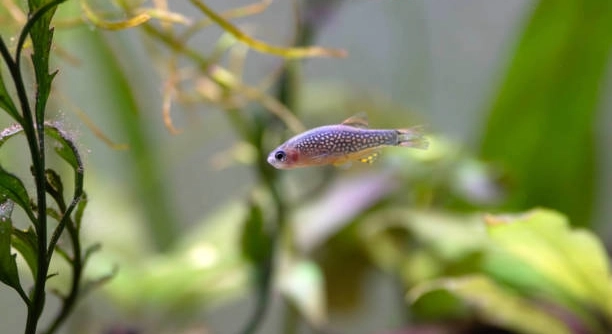
Danios are small, active fish that bring life to any aquarium. Their playful movements and striking patterns make them a favorite for first-time fish owners seeking a lively addition. Caring for them can be simple with proper guidance.
Maintaining a healthy environment for danios involves selecting appropriate tank size, regulating water temperature, providing a balanced diet, and ensuring compatible tank mates. Consistent water changes and monitoring water quality are essential to support their growth and wellbeing.
Knowing the right steps will make your experience with danios enjoyable and rewarding from the very beginning.
Choosing the Right Tank for Danios
Danios are active swimmers, so a tank that allows plenty of room is essential. A minimum of 20 gallons is recommended for a small group, giving them space to move without stress. Tall tanks can feel cramped for their swimming patterns, so a wider footprint is better. Adding plants, rocks, and open swimming areas creates a balanced environment that mimics their natural habitat. Proper filtration is also important, as danios produce a moderate amount of waste. Using a sponge or gentle filter helps maintain water clarity while keeping currents manageable. Temperature and pH stability are easier to maintain in a tank with stable decor and structure. Avoid overcrowding, as it can lead to aggression and stress, which affects their overall health. Providing hiding spots and open areas together ensures comfort and encourages natural behavior. Observing how they interact with the space can guide adjustments to improve tank conditions and overall well-being.
Keeping the tank spacious and structured ensures your danios stay active and healthy, reducing stress and promoting natural behavior.
Proper tank setup balances aesthetics, functionality, and comfort. Wide swimming areas paired with plant clusters allow danios to explore and hide naturally. Choosing the right substrate, decorations, and water flow ensures a stable environment. Monitoring water conditions regularly prevents sudden changes that may harm them. Temperature and pH consistency help support their immune system and daily activity. Introducing compatible tank mates gradually prevents territorial disputes and stress. Feeding a balanced diet with occasional live or frozen foods complements their energy needs. Observing interactions within the tank guides adjustments, whether moving decorations or refining feeding routines. Proper lighting and moderate flow encourage vibrant colors and active swimming. Over time, consistent care allows the danios to exhibit natural behaviors, creating a visually dynamic aquarium that is both lively and well-maintained. Every detail, from spacing to filtration, contributes to their long-term health.
Feeding Danios
Danios thrive on a varied diet of flakes, pellets, and occasional live or frozen foods. A mix of protein and plant matter ensures proper growth and vibrant colors.
Feeding small amounts twice daily prevents overfeeding and maintains water quality.
Monitoring their eating habits helps detect health issues early. Offering different textures and nutrients keeps them engaged and active. Avoiding leftover food buildup protects water clarity. Observing their response to diet changes allows you to adjust portions. Variety in diet supports immunity and reduces the risk of deficiencies. Live foods like daphnia or brine shrimp provide enrichment and stimulate natural hunting instincts. Frozen options like bloodworms or tubifex worms can supplement their nutrition without introducing unwanted pathogens. Balancing protein, vegetables, and occasional treats ensures they remain energetic and colorful. A consistent feeding schedule reinforces routine and encourages social interactions during mealtime. Being attentive to their dietary preferences fosters a thriving, visually appealing aquarium. Proper feeding directly impacts their lifespan and overall vitality, so monitoring both quantity and quality is key.
Water Quality and Maintenance
Regular water changes are essential to keep danios healthy. Changing 25% of the water weekly removes waste and toxins while maintaining stable conditions.
Testing water parameters frequently ensures pH, ammonia, nitrite, and nitrate levels stay within safe ranges. Danios prefer slightly alkaline water with a pH between 6.5 and 7.5, and a temperature range of 68–75°F. Sudden shifts in temperature or chemistry can stress the fish, making them more susceptible to disease. Using a dechlorinator during water changes protects their delicate gills, while a consistent schedule reduces fluctuations. Filtration efficiency directly affects water quality, so maintaining and cleaning filters regularly is critical. Removing uneaten food and debris prevents spikes in ammonia, and a gravel vacuum helps keep the substrate clean. Observing their behavior after water changes can signal any underlying issues. Overall, consistent water care ensures danios remain vibrant and active, with reduced risk of illness.
Monitoring tank conditions closely helps maintain a healthy environment, preventing stress and supporting natural activity patterns.
A clean, well-maintained tank encourages danios to explore and interact naturally. Regular partial water changes remove accumulated waste, preventing ammonia buildup and promoting stable water chemistry. Filters should be checked weekly to ensure optimal flow and prevent clogging. Observing fish behavior after maintenance provides insight into tank conditions, indicating if adjustments are necessary. Using test kits to track pH, nitrate, and nitrite levels allows proactive management, keeping the water within safe limits. Temperature consistency supports metabolism and energy levels, while a dechlorinator protects gills during water changes. Combined with proper feeding and decor placement, attentive water care creates a balanced, thriving habitat. Danios exhibit brighter colors, increased activity, and reduced stress when their aquatic environment is carefully maintained, making regular attention essential.
Selecting Tank Mates
Danios are generally peaceful, but tank mates must match their activity level. Small, non-aggressive species like tetras or rasboras work best.
Avoid slow-moving or territorial fish that could stress or harm them.
Compatibility depends on size, temperament, and swimming patterns. Active fish that occupy different areas reduce competition and aggression. Introducing new tank mates gradually allows danios to adjust and prevents conflicts. Overcrowding should be avoided, as it leads to stress and poor water quality. Observing interactions after adding new fish helps identify any issues early. Some bottom-dwelling fish, like corydoras, coexist well as they occupy different levels. Avoid large predatory species that may view danios as food. Maintaining a balanced mix encourages natural schooling behavior and enhances visual appeal. Proper pairing ensures a harmonious, stress-free aquarium.
Tank Decorations and Plants
Plants and decorations provide hiding spots and reduce stress for danios. Live or artificial plants, rocks, and driftwood create a natural environment and encourage exploration.
Open swimming areas are equally important. Balance decorations with space to maintain their active behavior and schooling patterns.
Lighting and Temperature
Consistent lighting and stable temperature are essential for danios. A 10–12 hour light cycle supports their natural rhythm and enhances coloration. Avoid direct sunlight, which can cause algae growth and temperature fluctuations. Maintaining a steady temperature within 68–75°F reduces stress and supports healthy metabolism. Using a reliable aquarium heater or thermostat ensures minimal fluctuations. Sudden changes in temperature can weaken their immune system, making them prone to disease. Observing fish activity under different lighting helps identify ideal conditions, while dimming lights gradually prevents startling them. Proper lighting and temperature management creates a stable, visually appealing, and healthy environment for active danios.
Observing Behavior
Watching your danios regularly helps detect illness or stress early. Changes in swimming patterns, appetite, or coloration indicate potential issues.
FAQ
How many danios should I keep in one tank?
Danios are schooling fish, so keeping at least five is recommended. A small group allows them to interact naturally and reduces stress. More than that is fine if the tank size supports it, as overcrowding can harm water quality and lead to aggression.
What temperature is best for danios?
A stable temperature between 68–75°F is ideal. They tolerate slight variations, but sudden shifts can cause stress and weaken their immune system. Using a reliable heater or thermostat helps maintain consistency. Avoid placing the tank near drafts or direct sunlight.
What should I feed my danios?
A varied diet is best. Flakes and pellets form the staple, while occasional live or frozen foods like daphnia, brine shrimp, or bloodworms provide extra protein. Feeding small amounts twice daily prevents overfeeding and keeps water quality stable.
How often should I change the water?
Partial water changes of 25% weekly are recommended. This removes waste and keeps ammonia, nitrite, and nitrate levels low. Always use a dechlorinator to protect gills and avoid shocking the fish with sudden temperature or pH changes.
Can danios live with other fish?
Yes, but choose compatible tank mates. Small, peaceful species like tetras or rasboras work well. Avoid slow-moving or territorial fish that may stress them. Bottom dwellers like corydoras are usually compatible since they occupy different tank levels.
What signs indicate illness in danios?
Look for changes in swimming, loss of appetite, clamped fins, or faded colors. White spots, redness, or unusual growths are also warning signs. Early detection allows treatment before the condition worsens. Observing behavior daily helps catch problems quickly.
Do danios need live plants?
Live plants aren’t required but provide hiding spots, improve water quality, and reduce stress. Artificial plants can also work if they offer similar cover. Open swimming areas must still be maintained to support their active nature.
How long do danios live?
With proper care, they typically live 3–5 years. Maintaining stable water conditions, a balanced diet, and a clean tank supports their longevity. Stress, poor diet, and fluctuating water quality shorten their lifespan.
How can I encourage natural behavior?
Provide open swimming areas, hiding spots, and compatible tank mates. Feeding live or frozen foods stimulates hunting instincts. Observing their schooling behavior and interactions helps ensure they feel secure and active.
Is tank size important?
Yes, a minimum of 20 gallons for a small group is recommended. A wider tank allows horizontal swimming, which matches their natural movement patterns. Taller tanks without space for swimming can lead to stress and reduced activity.
How do I prevent algae growth?
Control light exposure and avoid overfeeding. Regular water changes, proper filtration, and adding live plants help compete with algae for nutrients. Occasional cleaning of decorations and glass keeps the tank clear without disturbing the fish.
What filtration system works best?
A gentle sponge or hang-on-back filter works well. Strong currents can stress danios. The filter should remove debris while maintaining stable water chemistry. Regular maintenance ensures efficient operation and prevents buildup of waste.
Can danios breed in a home aquarium?
Yes, they can, but they need a separate breeding tank. Provide fine-leaved plants or a spawning mop. Remove adults after spawning to prevent eating the eggs. Raising fry requires high-quality food and clean water for survival.
How do I introduce new fish to a danio tank?
Quarantine new fish for at least two weeks. Introduce them slowly to reduce stress and aggression. Observe interactions closely to ensure compatibility. Gradual acclimation prevents sudden changes in water chemistry that could harm both new and existing fish.
How often should I check water parameters?
Test water at least once a week for pH, ammonia, nitrite, and nitrate. Monitoring helps prevent issues before they affect fish health. Keeping records can track trends and make maintenance more predictable.
What are common mistakes first-time danio owners make?
Overcrowding, overfeeding, and sudden water changes are common errors. Using inappropriate tank mates or ignoring water quality also leads to stress and disease. Consistency in care and observation is key to preventing problems and ensuring healthy fish.
Are danios suitable for beginners?
Yes, they are hardy, active, and forgiving of minor mistakes. With proper tank setup, diet, and water maintenance, they adapt well and provide a lively, enjoyable aquarium experience. Regular observation and care maximize their health and happiness.
Can danios live in a community tank?
Yes, if tank mates are peaceful and active. Avoid slow or aggressive species. Mixing fish that occupy different tank levels reduces competition and stress. Properly sized tanks and monitoring interactions ensure a harmonious community environment.
Do danios need hiding spots?
Yes, they feel safer with plants, rocks, or decorations to retreat to. Hiding spots reduce stress and encourage natural behavior, even in active swimmers. Providing variety in the environment supports both exploration and security.
How do I maintain color vibrancy in danios?
A balanced diet, stable water, and moderate lighting enhance colors. Live or frozen foods provide nutrients that support pigmentation. Stress reduction and proper tank conditions also keep their natural coloration bright and appealing.
Danios are lively, hardy fish that can bring movement and color to any home aquarium. Their small size and active nature make them suitable for first-time fish owners, provided the proper environment is maintained. Choosing the right tank size, setting up a reliable filtration system, and providing open swimming areas with hiding spots are essential for their wellbeing. Regular water testing, partial water changes, and consistent temperature management help keep them healthy and reduce the risk of disease. Observing their behavior daily allows for early detection of potential issues, ensuring that minor problems do not become serious. Providing a stable and balanced environment is the foundation of successful danio care, and attention to these details can make the experience enjoyable and straightforward.
Feeding plays a significant role in keeping danios vibrant and active. A combination of high-quality flakes or pellets with occasional live or frozen foods meets their nutritional needs while encouraging natural behaviors. Feeding small portions twice daily prevents overfeeding and maintains water quality, which is crucial for their health. Including a variety of foods supports their immune system and coloration, while also stimulating energy and activity. Alongside proper feeding, choosing compatible tank mates helps minimize stress and promotes social interactions. Danios are schooling fish, so keeping them in small groups of at least five encourages natural movement patterns and reduces aggression. Providing plants and decorations not only adds aesthetic appeal but also creates a sense of security for them, balancing open swimming areas with places to retreat.
Consistency in care is key to long-term success with danios. Regular maintenance, including filter cleaning, water testing, and monitoring of tank conditions, creates a stable environment that encourages healthy growth and behavior. Avoiding sudden changes in temperature, water chemistry, or tank population helps reduce stress, which can otherwise compromise their immune system. Paying attention to their activity, appetite, and coloration provides important feedback about their overall wellbeing. Small adjustments, whether in tank setup, diet, or water management, can make a noticeable difference in their health and vitality. With patience and attention, keeping danios can be a rewarding experience, offering a lively and visually appealing addition to a home aquarium. Their active nature, vibrant colors, and relative ease of care make them an excellent choice for those looking to maintain a healthy and engaging aquatic environment.

Hello,
If you enjoy the content that we create, please consider saying a "Thank You!" by leaving a tip.
Every little bit helps us continue crafting quality advice that supports the health, happiness, and well-being of pets around the world, for pets of all shapes, sizes, and species.
We really appreciate the kindness and support that you show us!