
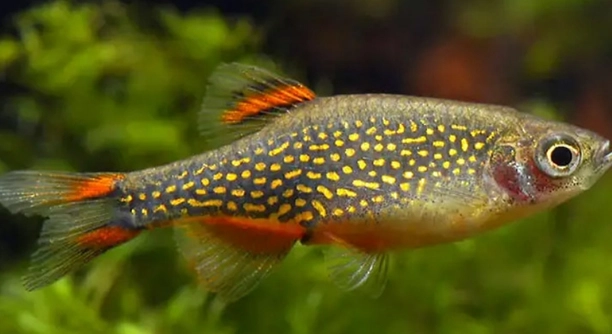
Do you ever notice your Danios acting differently than usual, swimming erratically or hiding more than normal in their tank environment? These small fish can sometimes display sudden changes that catch even experienced aquarists off guard.
Danio behavior becomes unpredictable due to several environmental and physiological factors. Variations in water temperature, lighting, tank mates, feeding schedules, and stress levels can all influence activity patterns, social interactions, and overall health, leading to noticeable changes in behavior.
Recognizing these shifts early can help maintain a healthy aquarium and prevent potential issues from escalating. Observing subtle signs ensures your Danios thrive in their aquatic environment.
Sudden Flaring or Darting
Danios sometimes dart around the tank without warning, often moving rapidly from one corner to another. This behavior can occur when they are startled, stressed, or experiencing discomfort. Changes in water quality, sudden noises, or new objects in the tank can trigger these bursts of energy. Even minor disturbances, like tapping on the glass, may provoke them to swim erratically. It is common to notice several fish reacting simultaneously, creating a chaotic scene that can be alarming at first. Monitoring their environment and minimizing abrupt changes can reduce this type of behavior. Sometimes, darting is a normal expression of energy, especially when the fish are exploring or competing for food. Observing the frequency and context of these movements helps determine whether they are signs of stress or just playful activity. Maintaining stable tank conditions ensures Danios feel secure and move more predictably throughout the day.
Flaring and darting often indicate temporary stress rather than long-term issues. Watching patterns can prevent future health problems.
Keeping water parameters consistent and limiting disturbances helps Danios feel safe. Ensuring they have enough space and hiding spots can reduce sudden flaring. Regular observation allows you to respond quickly when erratic movements appear.
Unexpected Aggression
Even peaceful Danios may show sudden aggression toward tank mates. This behavior usually emerges when territories overlap, resources like food are limited, or social hierarchies shift. Minor nips or chasing may escalate if fish feel threatened or crowded. Environmental changes, including new additions to the tank, can heighten tensions. Properly distributing food, maintaining adequate space, and observing fish interactions can reduce incidents of aggression. Isolating highly aggressive individuals temporarily allows calmer fish to recover. Tracking aggressive behavior over time helps in managing social dynamics and preventing stress-related illnesses.
Aggression can also stem from dominance struggles among similarly sized fish. Careful monitoring is essential.
Ensuring a balanced tank setup is critical to minimizing conflicts. Danios thrive in groups with enough room to swim freely. Strategically placed plants or decorations can break sightlines, giving fish personal space. Consistent feeding schedules reduce competition over food, and maintaining water quality prevents irritability linked to poor conditions. Regularly assessing tank dynamics ensures harmony among fish and decreases unpredictable aggressive behavior, creating a more stable and healthy environment for all inhabitants.
Sudden Hiding
Danios may suddenly hide for extended periods, often retreating to plants, decorations, or corners of the tank. This behavior can indicate stress, illness, or changes in their environment. Observing the triggers can help identify the cause.
Hiding is often a response to discomfort or fear. Changes in water temperature, lighting, or tank decorations can make Danios feel insecure, prompting them to seek shelter. Illness or parasites may also cause this behavior, as affected fish attempt to conserve energy and avoid confrontation. Tank mates that are overly aggressive can push Danios into hiding as well. Consistent monitoring of their environment and interactions helps in spotting patterns and addressing underlying issues before they worsen. Regular water testing ensures the habitat remains stable, which can reduce stress-related hiding behaviors.
Creating a tank with ample hiding spots is important. Plants, rocks, and decorations give Danios security. Observing their habits over time allows you to distinguish between normal rest periods and concerning stress responses. Adjusting lighting, reducing sudden movements, and maintaining stable water conditions all contribute to a calmer environment where fish feel safe and exhibit predictable behaviors.
Changes in Feeding Behavior
Danios sometimes change how eagerly they eat, either slowing down or refusing food entirely. This can reflect stress, illness, or a shift in water conditions.
Reduced appetite may indicate disease or internal stress. Water quality changes, such as fluctuating pH or temperature, can disrupt feeding habits. Stress from overcrowding or aggressive tank mates may also cause Danios to eat less, avoiding competition at feeding times. Observing how individual fish respond during feeding helps identify patterns and potential problems. Gradually adjusting food types and portions can encourage healthier eating while ensuring nutrition remains balanced. Monitoring their response over several days gives a clearer picture of underlying causes.
Sudden increases in feeding behavior can also occur, often triggered by heightened energy or competition for food. Fish may dart quickly to the surface or devour portions more aggressively than usual. This behavior can be influenced by seasonal changes, minor environmental shifts, or social interactions. Careful observation of both reduced and excessive feeding ensures timely adjustments to tank management. Consistent feeding schedules, balanced diets, and attention to water conditions help maintain stable eating patterns and overall health for your Danios.
Swimming Against the Current
Danios may swim against the filter or water flow more than usual. This behavior often signals stress, irritation, or a reaction to tank conditions. Monitoring tank parameters helps identify potential issues early.
Excessive swimming against currents can also result from boredom or lack of stimulation. Providing decorations or plants can redirect their energy and reduce constant resistance.
Color Changes
Sudden fading or darkening of Danio colors is a common sign of stress or illness. Water quality, diet, or social dynamics often influence these changes.
Maintaining stable water conditions and a balanced diet supports consistent coloration. Observing fish daily allows you to spot early signs of stress or disease before more serious issues develop.
Erratic Breathing
Rapid or irregular gill movement may indicate oxygen fluctuations, stress, or illness. Monitoring water oxygen levels and filtration is crucial.
Why do my Danios suddenly dart around the tank?
Sudden darting is often caused by stress or environmental changes. Loud noises, sudden movements, or tapping on the glass can startle them. Water parameters like temperature, pH, or ammonia levels that fluctuate too quickly may also trigger this behavior. Even minor disturbances in their surroundings can make Danios swim erratically.
Frequent darting may indicate ongoing discomfort or stress. Ensuring stable water conditions, reducing sudden changes, and providing enough space and hiding spots helps limit this behavior. Observing the context of the movements allows you to determine whether the bursts are playful or stress-related.
Why are my Danios hiding more than usual?
Hiding is a natural response to stress, illness, or perceived threats. Changes in tank layout, new decorations, or aggressive tank mates can make Danios retreat more often. Poor water quality, temperature swings, or disease can also drive them to seek shelter.
Providing ample hiding spaces such as plants, rocks, or decorations gives them a sense of security. Monitoring their behavior over several days helps distinguish normal resting periods from stress-induced hiding. Stable tank conditions and gentle handling reduce the likelihood of prolonged hiding.
Why do Danios sometimes refuse to eat?
A sudden decrease in appetite often signals stress, illness, or environmental issues. Poor water quality, aggressive tank mates, or sudden changes in lighting or temperature can cause them to stop eating. Disease or internal parasites may also impact feeding behavior.
Adjusting food types, ensuring a balanced diet, and maintaining stable water parameters encourages regular feeding. Gradual observation of individual fish during feeding times can reveal patterns of reduced appetite. Promptly addressing environmental and health issues prevents malnutrition and keeps the group healthy.
Why do my Danios change color unexpectedly?
Color changes can indicate stress, illness, or diet deficiencies. Fading colors may result from poor water quality, overcrowding, or social stress within the tank. Darkening can signal illness, heightened stress, or aggression from other fish.
Maintaining clean, stable water conditions and providing a balanced diet helps preserve natural coloration. Observing daily behavior alongside color changes allows early detection of problems. Adjusting tank conditions and minimizing stressors can restore vibrant colors.
Why are my Danios breathing rapidly?
Rapid or irregular gill movements usually indicate oxygen deficiency, stress, or illness. Poor water circulation, overcrowding, high temperatures, or a malfunctioning filter can reduce oxygen levels. Certain diseases or gill parasites also affect breathing patterns.
Monitoring water oxygen levels, keeping the tank clean, and ensuring proper filtration helps maintain healthy breathing. Providing adequate surface agitation improves oxygen exchange. Observing behavior alongside gill movement helps identify whether the cause is environmental or health-related.
Why do my Danios show aggression suddenly?
Even peaceful Danios may display aggression due to territory disputes, limited resources, or changes in social hierarchy. New tank additions or overcrowding can provoke chasing, nipping, or flaring among fish.
Providing sufficient space, evenly distributed food, and visual barriers like plants or decorations reduces conflicts. Observing interactions and isolating overly aggressive fish temporarily can restore balance. Tracking aggressive behavior over time helps prevent prolonged stress and ensures a harmonious tank environment.
Why do Danios swim against the current constantly?
Swimming against currents may indicate boredom, stress, or irritation. Fish often engage in this behavior to release energy or respond to environmental discomfort. Strong filter flows, limited tank size, or lack of stimulation may contribute to persistent resistance.
Adding plants, decorations, and varied swimming spaces allows Danios to explore and expend energy naturally. Observing patterns of resistance helps distinguish between normal activity and stress-related behavior. Stable water conditions and a well-structured tank reduce constant resistance.
Why are my Danios schooling less than usual?
Danios are social fish that usually swim in groups. Reduced schooling may signal illness, stress, or disruption in social hierarchy. Environmental changes, aggressive tank mates, or overcrowding can make them avoid group behavior.
Ensuring consistent water parameters, adequate space, and balanced social groups encourages natural schooling. Observing interactions helps identify fish that may be sick or stressed. Maintaining stable tank conditions supports overall group harmony.
Why do some Danios suddenly leap out of the tank?
Jumping is often a reaction to stress, sudden disturbances, or poor water conditions. Fish may attempt to escape aggressive tank mates, high ammonia levels, or overcrowded spaces.
Covering the tank, maintaining water quality, and providing hiding spots reduce the risk of jumping. Observing behavior and addressing environmental stressors keeps fish safe and comfortable in their habitat.
Why do Danios sometimes behave unpredictably at night?
Nocturnal activity or irregular nighttime movements can occur due to tank lighting, reflections, or stress from nearby activity. Changes in water temperature or oxygen levels at night may also affect behavior.
Monitoring nighttime patterns and adjusting lighting or aeration helps create a stable environment. Understanding these factors ensures Danios remain calm and predictable, even during low-activity periods.
Danios are small, lively fish that bring energy and beauty to any aquarium. Their behavior can sometimes seem unpredictable, ranging from sudden darting to hiding, aggression, or changes in feeding and color. While these behaviors can be concerning, they often reflect how Danios respond to their environment and tank conditions. Observing their daily patterns closely provides valuable insight into what might be influencing their actions. Minor environmental changes, stress, or social interactions can all have a noticeable impact, and understanding these factors helps in maintaining a balanced and healthy aquarium. Taking the time to note shifts in swimming patterns, appetite, or coloration allows you to respond appropriately and make adjustments that support their well-being.
Maintaining stable water conditions is essential to ensuring predictable Danio behavior. Factors such as temperature, pH, oxygen levels, and filtration play a significant role in their comfort and activity levels. Sudden fluctuations or prolonged exposure to poor water quality can trigger stress, illness, or erratic behavior. Providing a structured environment with ample swimming space, hiding spots, and proper social arrangements reduces tension and encourages natural, consistent behavior. Feeding practices also influence their actions, as irregular schedules or limited food distribution can lead to aggression or competition. Monitoring water parameters and observing interactions within the tank creates a supportive environment that minimizes unpredictability and allows Danios to thrive.
Patience and careful observation are key to understanding and managing Danio behavior. While sudden movements, hiding, or changes in color may seem alarming, they often serve as signals from the fish about their comfort and health. Addressing environmental factors, providing proper care, and maintaining a consistent routine helps reduce these unpredictable behaviors over time. Over time, noticing patterns and small changes equips you to make informed adjustments, supporting the overall health and harmony of the tank. By remaining attentive and responsive, it becomes easier to ensure that your Danios live in a stable, secure environment, allowing them to exhibit their natural behaviors without unnecessary stress or disruption.

Hello,
If you enjoy the content that we create, please consider saying a "Thank You!" by leaving a tip.
Every little bit helps us continue crafting quality advice that supports the health, happiness, and well-being of pets around the world, for pets of all shapes, sizes, and species.
We really appreciate the kindness and support that you show us!