
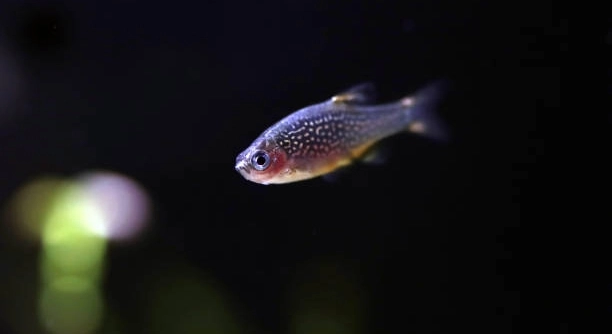
Have you ever noticed how tiny fry seem more active in some tanks than others? The choice of substrate in their habitat can quietly shape their behavior, growth, and overall well-being from the very start.
Fine substrate provides numerous advantages for fry development. It improves water quality by trapping debris, offers surfaces for beneficial microorganisms, reduces stress by creating a natural environment, and supports healthy feeding, growth, and survival rates consistently.
Even small changes in substrate can make a big difference, influencing fry health, activity, and the success of your aquarium setup overall.
Improved Foraging Opportunities
When fry have access to fine substrate, they can explore and feed more naturally. The small grains allow tiny food particles to settle, giving fry a chance to pick at them at their own pace. This encourages natural foraging behavior and helps fry get enough nutrition without competition from older fish. Fine substrate also provides surfaces for microfauna, which many fry enjoy nibbling on. I noticed in my own tanks that fry seemed calmer and more active when the bottom was covered with fine sand rather than bare glass. It also prevents food from sinking too quickly, reducing waste and keeping the water cleaner. Over time, this leads to healthier fry and a more balanced tank environment. The substrate indirectly supports their growth by allowing consistent access to food while reducing stress, which is essential for young fish during their early stages of life.
The texture of fine substrate encourages exploration and helps fry feed more efficiently, supporting steady growth and activity levels.
Fry raised with fine substrate tend to develop faster and appear healthier. The small grains mimic natural habitats, making them feel secure. They can sift through the sand to find food, which keeps them engaged and less stressed. This also prevents overcrowding in certain areas of the tank because fry spread out while feeding. Additionally, beneficial bacteria establish easily on fine substrate, helping maintain water quality. A stable environment with adequate nutrition reduces disease risk and supports strong development. I observed that fry in tanks with fine sand grew more evenly and had higher survival rates compared to those in tanks with bare bottoms. Choosing the right substrate is not just about aesthetics; it directly impacts feeding behavior, growth, and overall tank health. Regular cleaning of the substrate ensures it continues to provide these benefits while preventing harmful buildup, making maintenance easier for the keeper.
Reduced Stress and Injury
Fine substrate softens the bottom surface, making it safer for fry to move around and rest without harm.
A soft layer at the tank bottom protects delicate fins and scales. Fry are less likely to get scratched or injured while swimming, which reduces stress and promotes stronger growth over time.
Soft, fine substrate also encourages natural hiding behavior. Fry can partially bury themselves or explore small depressions, which makes them feel safe and reduces constant agitation from tankmates. In bare tanks, fry often bump into hard surfaces, increasing stress and vulnerability to infections. Fine substrate also keeps debris from accumulating in sharp corners, minimizing the risk of contamination and disease. Over weeks, fry develop steadier swimming patterns and appear calmer overall. The small particles cushion their movements and create a more natural habitat, which improves mental well-being. Observing fry interact with a soft substrate shows clear differences in activity and comfort. Maintaining the substrate properly ensures it remains effective, allowing fry to thrive while giving the tank a healthy, balanced environment. This simple change supports both physical protection and behavioral health simultaneously.
Enhanced Water Quality
Fine substrate traps leftover food and waste, preventing it from floating around the tank. This keeps water clearer and reduces ammonia spikes that can harm fry.
In my experience, tanks with fine sand or small gravel maintain better water quality over time. The particles allow debris to settle while still letting water flow through. Beneficial bacteria also colonize the substrate easily, helping break down waste naturally. This reduces the frequency of water changes and lowers stress for fry. Cleaner water means healthier gill function and less risk of disease. Watching fry thrive in a tank with fine substrate confirmed how much it supports their overall environment.
Regular cleaning is still necessary, but the substrate’s filtering effect makes maintaining a stable tank much simpler. It keeps water balanced, minimizes sudden chemical changes, and creates a safer space for delicate fry to grow.
Fine substrate also reduces surface agitation from filtration, preventing young fry from being tossed around. It stabilizes the bottom layer, supporting consistent water conditions and healthier development in small tanks.
Encourages Natural Behavior
Fry interact more with fine substrate, exploring and sifting through grains. This encourages instinctive behavior that is often missing in bare tanks.
I noticed that my fry spent more time swimming along the bottom and gently moving sand with their mouths. This activity simulates foraging in nature, helping them develop coordination and feeding skills. Fry that can engage with their environment tend to be less stressed and grow more evenly. Fine substrate also allows small hiding spots, giving shy fry a chance to rest safely. Tanks without substrate often leave fry exposed, making them more skittish and prone to stress. Over time, a natural bottom layer promotes healthier social interactions, balanced activity, and even stronger immune systems.
Providing fine substrate creates a more stimulating environment. Fry are naturally curious, and the texture encourages exploration, sifting, and hiding. This simple change supports their mental well-being, feeding efficiency, and overall growth.
Supports Healthy Growth
Fine substrate creates a stable environment that promotes steady growth in fry. The small grains reduce stress and allow for consistent feeding, which helps fry develop evenly over time.
It also supports beneficial bacteria growth, which improves water quality. Cleaner water reduces illness risk, giving fry a better chance to grow strong and healthy.
Natural Shelter and Hiding Spots
Fry use the fine substrate to partially bury themselves or slip into small depressions. This provides protection from tankmates and reduces stress, helping them feel secure.
Easier Maintenance
Fine substrate makes tank cleaning simpler. Waste settles in small gaps, making it easier to siphon without disturbing fry or removing large amounts of water.
Reduces Aggression
With fine substrate, fry are less exposed and can retreat when needed. Hiding spots reduce conflicts and competition, leading to calmer interactions and a more peaceful tank environment.
What type of substrate is best for fry?
Fine sand or very small-grain gravel works best for fry. The particles are gentle on their tiny fins and allow for natural foraging behavior. Coarser substrate can trap fry or cause injuries, while bare tanks leave them exposed and stressed. In my own experience, using fine sand resulted in calmer, healthier fry that explored their environment more actively. It also supports beneficial bacteria, which improves water quality and reduces the need for constant maintenance. Fine substrate creates a safer and more natural setting, helping fry grow evenly and survive at higher rates.
How often should I clean the substrate?
Regular cleaning is necessary to maintain water quality but should be gentle to avoid disturbing fry. I usually siphon debris once or twice a week, focusing on the surface layer of sand. Avoid deep digging, as it can uproot beneficial bacteria and create cloudy water. Cleaning too rarely allows waste to accumulate, raising ammonia and nitrite levels, which are harmful to fry. On the other hand, over-cleaning can stress fry and strip away helpful microorganisms. Fine substrate makes this process easier because debris settles in small gaps, letting me remove waste efficiently while keeping the environment stable and safe for young fish.
Can fine substrate prevent fry diseases?
Yes, fine substrate indirectly reduces disease risk. It traps uneaten food and organic waste, preventing it from decomposing freely in the water, which can lead to harmful bacteria or fungal growth. Additionally, the substrate supports colonies of beneficial bacteria that break down harmful compounds like ammonia and nitrites. In my tanks, fry raised over fine sand were less prone to fin rot or fungal infections compared to fry in bare-bottom tanks. While it doesn’t eliminate disease entirely, a clean, well-maintained substrate contributes significantly to a healthier environment, lowering stress levels and giving fry stronger immune systems.
Will fry eat the substrate?
Fry may pick at fine sand or gravel while feeding, but this is generally harmless. They often sift through the grains looking for tiny food particles or microorganisms, which is natural behavior. I noticed that my fry spent a lot of time gently moving sand with their mouths, which helped them develop coordination and foraging skills. However, it’s important to avoid substrates that are too sharp or large, as these can injure fry if swallowed. Fine, smooth grains allow safe exploration, support feeding, and keep fry active, all of which contribute to healthier growth and behavior in the tank.
Is substrate necessary for all types of fry?
While some hardy species can survive in bare tanks, most fry benefit from fine substrate. It provides security, encourages natural behavior, and supports water quality, all of which improve survival rates. In my experience, fry of small tropical species thrived better over fine sand compared to bare glass. Substrate also reduces aggression and gives shy fry places to hide, lowering stress and improving growth consistency. Even if bare-bottom tanks are easier to clean, the benefits of fine substrate often outweigh the extra maintenance, creating a more balanced and supportive environment for delicate fry.
Can fine substrate affect water parameters?
Fine substrate can influence water chemistry, especially if it’s made of certain minerals. For example, some sands may slightly raise pH or hardness. I prefer neutral, inert sand for most tropical fry because it maintains stable water parameters. Stable conditions reduce stress and support consistent growth, which is vital during the early stages. Fine substrate also traps debris, preventing sudden spikes in ammonia or nitrite, which can harm fry. Monitoring water regularly ensures the substrate continues to provide benefits without causing imbalances. Overall, when chosen carefully, fine substrate supports both fry health and tank stability.
How deep should the substrate be?
A depth of 1–2 inches is usually sufficient for fry. It’s deep enough to allow sifting and hiding but shallow enough to prevent anaerobic pockets that can accumulate harmful gases. I maintain around 1.5 inches in my tanks, which gives fry room to explore while keeping cleaning manageable. Deeper layers can trap more waste and require extra attention, while very shallow substrate doesn’t provide much benefit. Maintaining the right depth ensures fry can forage naturally, feel secure, and stay healthy while making maintenance easier for the tank keeper.
Does substrate impact fry growth speed?
Yes, a fine substrate can indirectly promote faster growth. It allows consistent access to food particles and microfauna, reduces stress by providing hiding spots, and maintains cleaner water. I noticed that fry raised over fine sand tended to grow more evenly and appear healthier than those in bare tanks. Reduced stress and a natural environment contribute to stronger immune systems and better overall development. While feeding quality and water conditions remain important, the substrate plays a subtle but significant role in creating conditions that support steady and healthy growth for young fish.
Can fine substrate be used with live plants for fry tanks?
Absolutely. Fine substrate works well with live plants, providing a medium for roots to anchor. Plants, in turn, improve water quality and offer additional hiding spots for fry. In my experience, combining sand with hardy plants like java moss or small ferns created a very safe and stimulating environment. Fry could explore without risk of injury, feed on microorganisms around the roots, and retreat when feeling threatened. This combination mimics natural habitats and encourages healthy behavior. Proper plant selection and maintenance ensure the substrate remains effective while supporting a thriving, balanced fry tank.
How do I transition fry to fine substrate from a bare tank?
Transitioning requires careful introduction to avoid stress. I gently add a thin layer of fine sand to the existing tank and allow fry to explore gradually. In my tanks, spreading the sand slowly over a few days helped fry adjust without sudden changes. It’s important to monitor water parameters during the transition, as fine particles can temporarily cloud water. Siphoning lightly afterward keeps the environment stable. Most fry quickly adapt and begin using the substrate for foraging and hiding. Gradual introduction ensures minimal stress while providing all the long-term benefits of fine substrate.
What common mistakes should I avoid with fine substrate?
Avoid using coarse or sharp materials, overfilling the tank, or neglecting cleaning. Coarse particles can harm fry, and deep substrate can trap harmful gases. I’ve seen beginners assume fine sand doesn’t need maintenance, but waste buildup can still occur. Gentle siphoning and monitoring water parameters are key. Also, avoid aggressive digging with large equipment, which can disturb fry or beneficial bacteria. Maintaining the right depth and texture, combined with regular cleaning, ensures the substrate continues to provide safety, comfort, and water quality benefits. Following these steps prevents stress, disease, and uneven growth in fry tanks.
Fine substrate plays a quiet but important role in raising healthy fry. It provides a natural and soft bottom layer, which reduces stress and protects delicate fins and scales from injury. When fry have a safe surface to explore, they spend more time swimming, feeding, and interacting naturally. The small grains also help trap leftover food and waste, keeping the water cleaner and supporting beneficial bacteria that break down harmful compounds. In my own experience, tanks with fine sand consistently had calmer, more active fry compared to bare tanks, and survival rates were noticeably higher. Using fine substrate is not just about making the tank look nicer—it directly affects fry health and development.
In addition to physical protection, fine substrate encourages natural behavior. Fry can sift through the grains in search of food, which strengthens their coordination and supports feeding efficiency. They can also hide or partially bury themselves, which reduces stress and creates a sense of security. Even shy fry or those lower on the food chain benefit from having spaces to retreat and feel safe. This reduces aggression and competition in the tank, leading to a calmer environment overall. I noticed that when my fry had fine sand to explore, they appeared more confident and active. The substrate works together with other tank elements, like plants or hiding spots, to create a balanced habitat that supports both physical and mental well-being. Over time, this combination contributes to healthier growth, stronger immune systems, and a more stable aquarium environment.
Maintenance with fine substrate is simpler than it might seem. While it does require gentle siphoning to remove debris, it reduces the amount of waste floating in the water, which makes keeping water quality stable easier. The substrate also supports beneficial bacteria that naturally break down harmful chemicals like ammonia and nitrites. Choosing the right depth and grain size ensures that fry can explore safely while minimizing anaerobic pockets that could create problems. Even small adjustments, like using sand instead of coarse gravel or keeping a shallow layer, can make a big difference. By providing a supportive, safe, and natural environment, fine substrate improves fry survival and growth while making tank maintenance manageable. Over time, this small investment pays off in healthier, more active, and more resilient fry.

Hello,
If you enjoy the content that we create, please consider saying a "Thank You!" by leaving a tip.
Every little bit helps us continue crafting quality advice that supports the health, happiness, and well-being of pets around the world, for pets of all shapes, sizes, and species.
We really appreciate the kindness and support that you show us!