
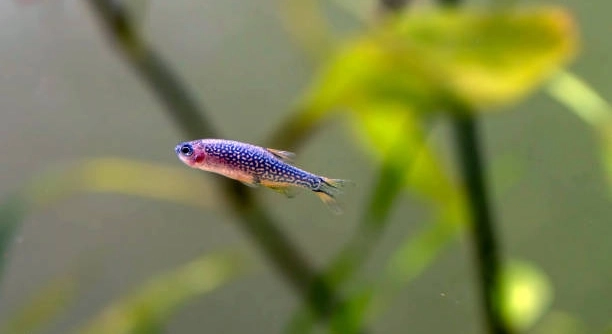
Do you ever find yourself setting up a new aquarium for your danios and worrying about the water balance? Choosing the right decorations can feel overwhelming, especially when trying to maintain a stable environment for your fish.
Certain types of driftwood, such as Malaysian, Mopani, Cholla, and Brazilian, have been identified to have minimal impact on water pH. These selections provide natural aesthetics while keeping water chemistry stable for delicate species like danios.
Even small choices in aquarium design can influence your fish’s comfort and long-term health. Paying attention to driftwood types ensures a balanced and harmonious tank environment.
Malaysian Driftwood
Malaysian driftwood is one of the most popular choices for danio tanks because it’s very stable and doesn’t significantly alter water pH. I first used it in a small community tank, and I noticed how natural it made the environment feel without causing any sudden chemical changes. Its dark, rich tones provide contrast against bright fish, and it slowly releases tannins that can slightly soften water without pushing the pH outside safe ranges. This type of wood is dense and sinks easily, making it convenient for aquascaping. It can also serve as a hiding spot or resting area for smaller fish, which helps reduce stress. Regular soaking before adding it to the tank can reduce initial discoloration of water. Over time, Malaysian driftwood maintains its structure, resisting decay better than softer woods. Its combination of aesthetic appeal and chemical stability makes it a reliable choice for long-term tank setups.
This driftwood is safe for most danio species and adds a natural look without affecting water chemistry.
When preparing Malaysian driftwood for the aquarium, it’s helpful to clean it thoroughly and soak it for a few days. Boiling can remove some of the tannins faster, although this step isn’t always necessary. Once submerged, it slowly releases mild tannins that slightly tint the water, creating a calm environment for the fish. Unlike softer driftwoods, it doesn’t break down quickly, which reduces the need for frequent replacement. Its density makes it ideal for heavier plants or attaching mosses, giving the tank a fuller, more natural appearance. Over time, it becomes a stable feature in the aquarium, supporting both the aesthetic and ecological balance. By using Malaysian driftwood, I’ve seen improved behavior in my danios, likely because they feel safer and less stressed. It’s a reliable choice for anyone aiming to keep pH levels steady while enhancing the tank’s visual appeal.
Mopani Driftwood
Mopani driftwood is dense and heavy, sinking easily and requiring minimal preparation before use.
This wood has two contrasting colors, light and dark, which makes it visually interesting in tanks. Its structure is sturdy, providing hiding spots for fish and surfaces for plants to attach. Mopani releases fewer tannins than other woods, helping maintain stable pH for danios. I often place it near corners or behind plants to create depth, which gives the tank a natural layered effect. Because of its hardness, it can last for years without breaking down, making it low-maintenance. Soaking Mopani before adding it to the tank reduces initial water discoloration, though some mild tint may persist. Its shape and density also allow for creative aquascaping, letting me design areas for swimming and resting. Using Mopani driftwood has consistently resulted in calmer fish behavior, likely because it provides secure spaces while keeping the water chemistry predictable. Its balance of aesthetics, durability, and minimal impact on pH makes it a practical choice.
Cholla Wood
Cholla wood is light, hollow, and perfect for small danio tanks. Its porous structure gives fish plenty of hiding spots and surfaces for beneficial bacteria, supporting a healthy aquarium environment.
I started using Cholla wood in one of my smaller tanks, and it quickly became a favorite. Its light weight makes it easy to move and arrange, and it doesn’t release chemicals that would alter pH. Over time, it develops a natural texture that fish enjoy exploring. Cholla wood also encourages biofilm growth, which some fish nibble on, providing a supplemental food source. Because it’s hollow, it can be stacked or placed inside decorations to create secure hiding spaces without taking up too much room. I often combine it with moss or small plants to enhance its visual appeal. Even after months in water, it maintains its shape and functionality, making it both practical and attractive.
Unlike heavier driftwoods, Cholla doesn’t need long soaking before use. Its minimal effect on water chemistry allows me to focus on aquascaping rather than constantly monitoring pH levels. I’ve noticed my danios spend more time exploring and resting around Cholla pieces, likely because it mimics natural structures they would encounter in streams. Its texture and lightweight nature make it versatile for creative arrangements, whether I want floating structures or small caves. Cholla is also easier to clean, as it doesn’t trap as much debris as dense wood. The overall effect is a dynamic, safe, and visually interesting environment that keeps both fish and plants thriving.
Brazilian Driftwood
Brazilian driftwood is dense and long-lasting, ideal for larger tanks with active danios. Its smooth surfaces and natural curves provide excellent hiding and resting areas.
I often use Brazilian driftwood for tanks where I want both aesthetics and stability. Its slow tannin release gently softens water without causing sharp pH swings, which is important for sensitive fish. The wood’s durability allows it to support plants or mosses, creating natural, layered aquascapes. It can be partially submerged or fully immersed depending on tank size, and its curves give plenty of swimming space. I’ve noticed that my danios tend to gather near Brazilian driftwood, using it as a reference point in their territory. Over months, it remains intact and visually appealing, requiring minimal maintenance while supporting the tank’s ecological balance. The combination of structure, stability, and subtle water chemistry effects makes it a reliable choice for keeping danios healthy.
Mopani Branches
Mopani branches are smaller offshoots of larger driftwood, perfect for creating hiding spots or pathways for danios. Their solid structure keeps them in place, and they don’t affect water pH noticeably.
I like using Mopani branches to add layers in my tanks. They fit well between plants and rocks, giving fish a sense of security. Their dark color contrasts nicely with bright fish, and they stay intact over long periods. Even after months underwater, they remain sturdy and visually appealing. These branches also provide surfaces for moss and other small plants to attach, creating a natural, textured environment.
Bogwood
Bogwood is moderately dense, with natural curves and crevices that encourage exploration. Its slow release of tannins can slightly tint water without raising pH, making it suitable for danios.
I often place bogwood near the back of tanks to create depth and structure. It serves as a resting area and shelter for fish, and its rough surfaces encourage biofilm growth, which some fish nibble on. Over time, it develops a natural, worn look that blends well with plants and rocks. Preparing bogwood involves soaking to reduce initial discoloration, but once submerged, it remains stable and durable. Its size and shape allow for creative placement, from horizontal layouts to leaning positions, offering both function and aesthetic appeal. Bogwood’s presence makes the tank feel more natural while supporting a balanced environment for danios.
Cholla Pieces
Cholla pieces are small, lightweight, and provide excellent nooks for danios to explore. Their porous structure encourages biofilm growth and does not alter pH significantly.
What is the best way to prepare driftwood for my danio tank?
Before placing any driftwood in your aquarium, it’s important to clean and soak it properly. I usually scrub the wood under running water to remove dirt and debris. Soaking for several days helps release tannins slowly, which prevents sudden water discoloration. Boiling smaller pieces for an hour can further sterilize the wood and speed up tannin release. Large or dense driftwood might take weeks to fully soak, but it’s worth the effort to maintain stable water conditions. Preparing driftwood carefully ensures that your danios have a safe, chemical-balanced environment from the start.
How often should driftwood be replaced in a danio tank?
Driftwood does not need frequent replacement if chosen carefully. Hardwoods like Malaysian, Mopani, and Brazilian can last for years without breaking down. I inspect mine every few months for signs of decay or mold. Soft woods, or pieces that start to crumble, should be removed promptly. Regular monitoring keeps your tank clean and prevents water chemistry changes. Cleaning driftwood by gently brushing off algae or debris is usually enough to maintain its condition. In my experience, high-quality driftwood can stay in place for a long time, providing both shelter and aesthetic appeal without raising pH.
Can driftwood affect water color and pH?
Yes, driftwood can release tannins that slightly tint the water, often giving it a warm, amber hue. This is natural and safe for danios. Woods like Cholla or Mopani release minimal tannins, which keeps water color light and pH stable. I’ve seen my fish thrive in tanks with a subtle brown tint, and it can even reduce stress by simulating natural conditions. However, some driftwoods can affect pH if not prepared properly. Soaking and boiling helps limit these effects. Choosing the right type of driftwood ensures your aquarium remains healthy and visually appealing without unwanted chemical changes.
Is it necessary to soak all types of driftwood?
Soaking is recommended for nearly all driftwood types, especially new pieces. I always soak Malaysian or Mopani driftwood for a few days to a week before adding it to my tank. Cholla wood may need less time due to its lightweight structure, but a short soak still helps remove dirt and surface tannins. Skipping this step can lead to cloudy water and a faster release of tannins, which might stress danios. Preparing driftwood properly ensures it is safe and maintains stable water chemistry, creating a calm environment for fish and plants alike.
Can I combine different types of driftwood in one tank?
Combining different driftwoods can create a more natural and visually interesting aquascape. I like mixing Mopani branches with Cholla or Bogwood to provide a variety of hiding spots and textures. It’s important to monitor tannin levels and pH when using multiple types, but selecting low-impact woods generally keeps the water stable. Placement should also consider fish swimming patterns and territory needs. Using a combination allows for layered designs, better plant attachment, and more exploration opportunities for danios. Overall, careful selection and placement of driftwood types can enhance both aesthetics and the fish’s comfort.
Do driftwoods require maintenance once in the aquarium?
Maintenance is minimal but necessary. I rinse driftwood occasionally to remove accumulated debris or algae. Hardwoods require less attention, while lighter or porous woods like Cholla may need more frequent cleaning. Observing the wood for cracks or decay is essential. Soaking pieces outside the tank can help remove algae or dirt buildup. I also trim moss or plants attached to driftwood to prevent overcrowding. Regular maintenance keeps driftwood looking natural and ensures it continues to provide shelter without affecting water quality. Proper upkeep supports both the longevity of the wood and the overall health of my danios.
Will all danio species react the same way to driftwood?
Most danio species benefit from driftwood as it provides hiding spaces and surfaces for exploration. In my experience, active species like zebra danios use driftwood for swimming boundaries, while more timid species may prefer shaded areas beneath it. Observing fish behavior helps determine which wood types and placements work best. Some danios may nibble on biofilm forming on porous driftwood like Cholla, which adds minor nutritional value. Overall, driftwood offers both enrichment and security for danios, though individual reactions can vary slightly depending on species and personality.
Can I attach plants to driftwood safely?
Yes, attaching plants is easy and enhances the aquarium’s natural feel. I use moss, Anubias, or Java fern tied with thread or fishing line. Over time, roots secure themselves to the wood. Hardwoods provide sturdy surfaces, while lighter woods may need support. This technique adds shelter for fish, increases oxygen, and improves aesthetics without affecting pH. Plants also benefit from the microhabitats driftwood creates, making the tank a healthier environment. Proper attachment ensures both plants and wood remain stable, creating a balanced and visually appealing setup.
How do I prevent driftwood from floating?
Dense driftwoods like Malaysian, Mopani, and Brazilian sink naturally. Lighter types such as Cholla may need to be weighted. I place stones or attach suction cups to hold them down initially. Soaking also helps remove trapped air, reducing buoyancy. Proper placement avoids floating problems while creating secure hiding spots and pathways for danios.
Can driftwood harbor harmful bacteria or pests?
Properly prepared driftwood is safe, but untreated pieces may carry bacteria or pests. I always clean, scrub, and soak wood before introducing it. Boiling small pieces further reduces risk. Once in the tank, a healthy biofilm develops, supporting beneficial bacteria. Regular observation ensures driftwood remains safe, preventing harmful organisms from affecting water quality or fish health.
Does driftwood impact water hardness?
Driftwood has little effect on water hardness. It primarily releases tannins that may slightly soften water over time. I monitor my aquarium occasionally but have not noticed significant changes in hardness with Malaysian, Mopani, or Cholla. Selecting dense hardwoods ensures minimal impact on both pH and hardness, keeping conditions stable for danios.
Is there a risk of driftwood rotting in the tank?
Hardwoods like Malaysian and Mopani resist decay for years. Softer woods or poorly prepared pieces may rot faster. I inspect wood for softness, foul odors, or mold growth. Replacing or removing compromised driftwood prevents water quality issues. Proper soaking, selection, and maintenance minimize rotting risks and help maintain a healthy tank environment.
Can driftwood be combined with rocks safely?
Yes, combining driftwood with rocks creates natural hiding spots and structures. I use stones to stabilize lighter wood or to build caves. The combination adds layers and swimming routes while keeping water chemistry stable. Proper placement avoids crushing fish and creates an engaging environment.
How do I know if driftwood is affecting my danios?
Monitor behavior and water parameters. If fish seem stressed, hide excessively, or water tests show abnormal pH changes, driftwood may need preparation or replacement. I track pH and observe fish daily, ensuring driftwood contributes positively to the tank’s balance.
What are the long-term benefits of using driftwood in a danio tank?
Driftwood provides shelter, surfaces for plants and biofilm, and a natural environment that reduces stress. Over time, it helps maintain mild water softness, encourages healthy exploration, and adds visual depth. I’ve found that tanks with well-chosen driftwood support calmer, more active, and healthier danios while requiring minimal maintenance.
This FAQ covers common concerns, preparation tips, and long-term considerations, offering practical guidance for creating a safe, visually appealing, and balanced environment for danios using driftwood.
Choosing the right driftwood for a danio tank is an important step in creating a healthy and comfortable environment for your fish. Different types of driftwood have different effects on water chemistry, and selecting woods that do not significantly raise pH is essential. Malaysian, Mopani, Cholla, Brazilian, and Bogwood are all good options because they are dense, durable, and release minimal tannins over time. Using these woods allows you to design an attractive and natural-looking tank while keeping water conditions stable, which is particularly important for sensitive species like danios. Driftwood also adds hiding spots, resting areas, and surfaces for beneficial bacteria and moss, which contribute to a balanced and thriving aquarium ecosystem. Over time, it becomes a stable part of the tank, enhancing both the visual appeal and the overall well-being of your fish.
Proper preparation of driftwood is equally important to ensure the health of your danios. Soaking, cleaning, and in some cases boiling driftwood before adding it to the tank can prevent sudden water discoloration or chemical changes. Even lightweight woods, like Cholla, benefit from a short soak to remove dirt and surface tannins. Hardwoods such as Malaysian and Mopani generally require longer soaking to allow trapped air to escape, making them sink naturally. These steps may seem time-consuming, but they ensure that your tank remains stable and safe for your fish. Regular inspection and minimal maintenance, such as rinsing debris or trimming attached moss, help keep the driftwood in good condition for years. By taking these precautions, you create an environment that supports fish activity, reduces stress, and promotes overall health.
Using driftwood thoughtfully also gives you the opportunity to improve the aesthetics and structure of your aquarium. Combining different woods, adding moss or plants, and arranging them to create hiding spots or open swimming areas can make the tank feel more natural and engaging. Fish often use driftwood for navigation, shelter, or exploring biofilm, and providing a variety of textures and shapes encourages natural behaviors. Dense hardwoods provide stability, while lighter or hollow woods can offer unique textures and spaces. Over time, a well-planned arrangement of driftwood adds depth and dimension to the tank, creating a balanced and visually appealing environment. Overall, driftwood is more than just decoration—it is a functional, long-lasting feature that supports the physical and psychological needs of your danios while maintaining safe and stable water conditions.

Hello,
If you enjoy the content that we create, please consider saying a "Thank You!" by leaving a tip.
Every little bit helps us continue crafting quality advice that supports the health, happiness, and well-being of pets around the world, for pets of all shapes, sizes, and species.
We really appreciate the kindness and support that you show us!