
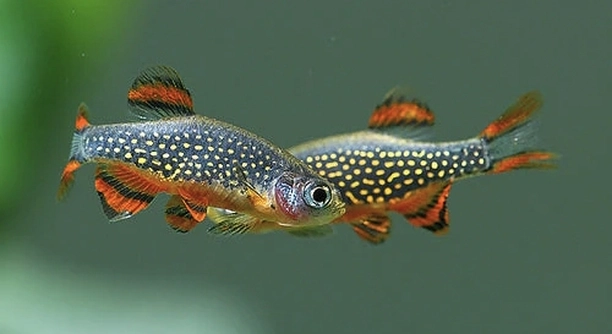
Danios are lively fish that thrive in groups, but sometimes their playful energy can turn into competition. Watching them swim together can be fun, yet it may hint at underlying tensions within the tank.
When Danios compete for space, they display behaviors such as chasing, nipping, and darting rapidly between areas. Territorial disputes arise when the tank is crowded, leading to stress, reduced growth, and potential injuries if not addressed promptly.
Observing these subtle signs can help you maintain a peaceful and balanced aquarium environment for your fish.
Increased Chasing and Darting
Danios are naturally active swimmers, but when chasing becomes constant, it signals competition. You may notice one fish repeatedly following another, or a group zipping around the same area, leaving no room for others. This behavior often starts subtly, with short bursts of speed and quick movements around the tank. Over time, it can escalate into longer, more frequent chases that stress the fish and disturb their feeding and resting patterns. Stress from constant chasing can weaken immune systems, making fish more prone to illness. Territorial behavior may also develop, especially if the tank is too small or lacks hiding spots. Plants, rocks, and decorations can help create boundaries and reduce constant movement. Adjusting the number of fish or adding space often calms this hyperactive chasing. Observing these changes early allows you to respond before stress-related injuries occur, helping your Danios stay healthier and more relaxed in their habitat.
Constant chasing among Danios is a clear indicator of competition and can escalate if the tank lacks space or enrichment.
Providing proper tank layout and space can significantly reduce tension and create a calmer environment for all the fish.
Nipping at Fins
Nipping often occurs when Danios compete for attention or space. It may start as quick, occasional bites during feeding times, but repeated nipping damages fins, leaving them frayed and prone to infection. This behavior is more common in overcrowded tanks or when there are fewer hiding spots.
Repeated fin nipping can lead to stress, disease, and slower growth. Fish may avoid feeding or retreat constantly, affecting their overall health. Ensuring a balanced number of Danios, plenty of plants, and visual barriers can reduce these conflicts. Adding more space between swim areas helps fish avoid repeated contact, decreasing the chance of injury. Observing which fish are aggressive allows you to separate the most dominant individuals temporarily. Providing consistent feeding schedules and monitoring interactions ensures that all Danios have equal access to food without intense competition. Regular water changes and maintaining a clean environment also minimize stress, allowing fins to heal and preventing secondary infections. Paying attention to these details keeps your tank peaceful and the fish active without harm.
Hiding More Than Usual
When Danios compete for space, some fish start hiding more often. They may retreat behind plants or decorations, avoiding areas where others swim aggressively.
Hiding behavior can be a response to stress caused by constant chasing or nipping. Fish that remain in secluded spots may eat less and show slower movements. Over time, this can affect growth and overall health. Adding more hiding spaces or rearranging decorations can reduce conflict. Observing which fish hide most helps identify dominant individuals and areas of tension. Providing an evenly distributed environment ensures all fish feel safe and reduces unnecessary stress.
Some Danios may hide for long periods, avoiding open areas entirely. This prolonged seclusion can indicate severe competition or overcrowding. Adjusting tank population, adding visual barriers, or increasing the size of the tank often encourages shy fish to return to normal activity, restoring balance and reducing stress-related behaviors.
Sudden Loss of Appetite
Danios under pressure from competition often eat less. They may miss meals or dart away when others approach food. Stress reduces their willingness to feed, affecting energy levels and growth.
Prolonged appetite loss can have serious consequences. Fish that consistently avoid food may weaken, making them more susceptible to disease. Stress hormones can further disrupt digestion and metabolism. Ensuring even distribution of food and reducing aggressive interactions can help maintain proper nutrition. Observing feeding behavior helps identify stressed fish quickly. Temporary separation or creating multiple feeding zones allows all Danios to access food safely. Over time, calmer conditions encourage normal eating patterns and better overall health, while reducing aggression.
In some cases, appetite loss is subtle, with fish nibbling only occasionally or at the edges of feeding areas. Monitoring these patterns is essential to prevent malnutrition. Introducing extra hiding spots, adjusting the number of fish, or spacing out feeding times can encourage timid fish to eat. Maintaining water quality and reducing sudden changes also helps fish regain appetite, supporting growth and overall vitality in a competitive tank environment.
Chasing Away Newcomers
New or smaller Danios often face immediate chasing from more dominant fish. This behavior is a direct way for established fish to protect their space and resources.
Repeatedly being driven away can stress newcomers, limiting their access to food and resting areas. Observing interactions closely can help prevent long-term harm and ensure all fish adjust safely.
Increased Restlessness
Danios competing for space often swim continuously, rarely staying still. This restlessness is a sign of stress and territorial tension. Aggressive fish patrol the same areas, while timid fish dart constantly to avoid encounters, disrupting normal behavior patterns and reducing time spent feeding or resting.
Clinging to the Tank Edges
Some Danios avoid central areas when space is limited, staying close to the tank walls. This edge preference helps them escape more aggressive swimmers and find temporary safety.
How can I tell if my Danios are stressed from competition?
Stressed Danios often show multiple behaviors simultaneously. You might notice constant chasing, nipping, or fish hiding more than usual. Appetite changes are also common, with some fish eating less or avoiding food completely. Restlessness, such as swimming constantly or clinging to tank edges, can indicate tension. Observing these patterns over time helps determine whether the stress comes from competition or another issue. Tracking which fish are aggressive and which are shy can guide adjustments in tank layout, population, or feeding practices to reduce conflict and improve overall health.
What tank size is ideal to prevent space competition?
A larger tank provides more swimming space and reduces conflict among Danios. For a small group of five to six Danios, a minimum of 20 gallons is recommended. Increasing the number of fish requires a proportionally larger tank to avoid overcrowding. Visual barriers, plants, and decorations help create separate territories, making fish feel more secure. Overcrowding is the main reason for chasing and nipping, so monitoring population and tank dimensions is essential. Adequate filtration and water flow also contribute to a calmer environment, as fish have enough oxygen and clean water to thrive.
Can rearranging the tank reduce aggression?
Yes, changing the layout can make a significant difference. Adding plants, rocks, or decorations creates visual breaks, which prevent dominant fish from constantly chasing others. Hiding spots give timid fish places to rest and recover. Rearranging frequently enough keeps territories unpredictable, reducing the chance that one fish controls a particular area. However, avoid stressing the fish too often with constant changes. Balancing stability with new hiding areas encourages calmer interactions and makes the tank feel less crowded. Even small adjustments can reduce tension and support healthier, more active fish.
How can I manage aggressive Danios without separating them?
Providing multiple feeding areas and spreading food evenly can reduce competition at mealtime. Adding plants or floating decorations allows fish to escape without needing full separation. Maintaining high water quality and stable temperature minimizes stress, which often worsens aggression. Observing which fish are the most dominant helps target interventions, such as adjusting hiding spots or tank layout. While separation is an option for extreme cases, these measures often calm aggressive fish and restore balance without splitting the group, ensuring everyone has access to space, food, and rest.
Is diet related to competition and aggression?
Yes, feeding practices affect behavior. Fish that feel hungry may become more aggressive, chasing others to secure food. Providing high-quality, balanced meals in sufficient quantity reduces competition. Feeding small portions multiple times a day can also limit chasing at a single feeding time. Observing fish during feeding helps ensure all individuals eat adequately. Sometimes, slow or shy fish need special attention to prevent them from being bullied away from food, which can worsen stress and aggression. A consistent feeding routine supports calmer behavior and healthier growth for all Danios.
When should I consider adding more hiding spots?
If you notice fish hiding excessively or being chased constantly, adding decorations, plants, or caves is necessary. Hiding spots allow timid fish to rest, reducing stress and preventing injury. Spread them evenly to create multiple safe zones and avoid one area becoming dominated by aggressive fish. Visual breaks also help fish establish territories without constant direct competition. Regularly assess your tank as fish grow or population changes, adjusting hiding spots accordingly to maintain balance and peace in the aquarium environment.
Are certain Danio species more prone to competition?
Some species, like Zebra Danios, are naturally more active and fast, which can lead to frequent chasing. Other varieties may be calmer but still compete if space is limited. Mixing species should be done carefully, considering temperament and activity level. Observing interactions after introducing new fish ensures compatibility. Choosing species with similar energy levels and providing enough room reduces stress and aggressive encounters, helping maintain a harmonious tank where all fish can thrive without constant tension.
Can stress from competition affect fish health long-term?
Yes, prolonged stress weakens the immune system, slows growth, and increases susceptibility to disease. Fin damage from nipping can lead to infections. Fish that hide constantly may fail to feed properly, causing malnutrition. Maintaining a spacious, enriched tank and observing social behaviors closely prevents long-term health issues. Early interventions, like rearranging decorations, adjusting population, or adding feeding zones, help stressed fish recover and maintain vitality. Monitoring water quality and providing consistent care supports overall well-being, reducing the negative effects of chronic competition in the tank.
Danios are energetic and social fish that can bring life to any aquarium, but their lively nature sometimes leads to competition. When space is limited or the tank environment is not carefully arranged, these small fish may begin chasing, nipping, or hiding from one another. Observing their behavior closely is the first step in keeping a peaceful tank. Changes in swimming patterns, resting areas, and feeding habits often indicate that competition is affecting their daily routine. Recognizing these signs early allows for small adjustments, such as adding plants or rearranging decorations, to create more room and reduce tension. Even minor changes can have a significant impact on the overall atmosphere in the tank.
Providing enough space is one of the most effective ways to minimize conflict among Danios. Overcrowding is the main cause of chasing and aggressive behaviors, so choosing the right tank size is essential. Adding visual barriers, such as rocks or floating plants, can give fish places to hide and establish small territories. Multiple feeding zones also reduce competition at mealtime, ensuring that all fish have access to food without being constantly chased. A calm and balanced environment not only reduces stress but also supports better growth and healthier behavior. It is also important to monitor water quality, temperature, and lighting, as these factors affect both mood and activity levels. Healthy conditions make Danios less irritable and more likely to swim together harmoniously.
Regular observation and small interventions go a long way in keeping a Danio tank balanced. Adjusting population size, providing enrichment, and ensuring adequate nutrition are practical steps that reduce stress and competition. Fish that have enough space and resources are more active, eat consistently, and display natural behaviors without constant aggression. Even subtle signs, such as hiding at the edges or resting more than usual, should be addressed before they turn into serious problems. By paying attention to their daily habits and making thoughtful changes, you can create an aquarium where all Danios thrive together. Consistency and careful care ensure a peaceful and healthy environment, allowing these lively fish to show their playful personalities without conflict.

Hello,
If you enjoy the content that we create, please consider saying a "Thank You!" by leaving a tip.
Every little bit helps us continue crafting quality advice that supports the health, happiness, and well-being of pets around the world, for pets of all shapes, sizes, and species.
We really appreciate the kindness and support that you show us!