
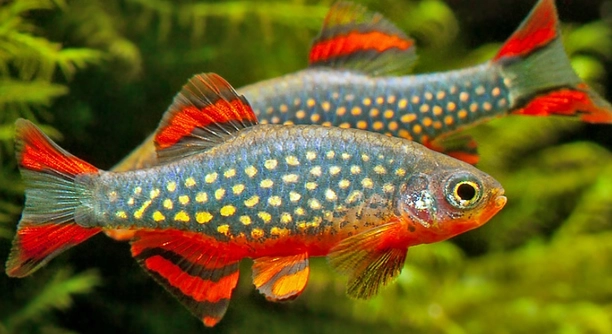
Danios are small, lively fish that often brighten up home aquariums with their playful movements. Observing them closely can reveal subtle clues about their mood and overall well-being in their aquatic environment.
Happy Danio behavior is typically indicated by smooth, active swimming, regular schooling patterns, consistent feeding responses, vibrant coloration, and normal interaction with tank mates. Recognizing these behaviors helps ensure their environment meets both physical and social needs.
Recognizing these subtle signs will help you create a balanced and comfortable environment for your Danios to thrive.
Active and Playful Swimming
Danios that swim actively and explore their tank consistently are generally happy and healthy. They move around in a fluid, confident way without hesitation or unusual pauses. Observing them glide through the water, dart around plants, and weave between decorations shows they are comfortable in their environment. Stress or illness often slows their movements, making them cling to corners or hover near the surface. A happy Danio will also respond quickly when other fish swim near, showing awareness of its surroundings. Swimming patterns can vary slightly depending on the time of day and feeding schedule, but a noticeable lack of movement or erratic bursts may signal discomfort. Providing enough space in the tank and ensuring water quality is stable encourages these behaviors. Decorations and hiding spots add interest, keeping Danios mentally stimulated and reducing boredom, which often affects their activity levels. Watching them swim freely can be surprisingly calming for anyone maintaining the aquarium.
Active swimming reflects proper exercise and mental stimulation for Danios, helping them stay healthy and alert in the aquarium environment.
Maintaining this behavior involves consistent tank maintenance, balanced feeding, and ensuring the fish have adequate space. Overcrowding or poor water conditions can quickly disrupt active swimming patterns, leading to lethargy or stress. Adjusting the tank setup with plants, rocks, and open areas gives Danios opportunities to explore, exercise, and interact naturally. Regular monitoring of water temperature, pH, and filtration ensures a stable environment that supports their energetic behavior. By paying attention to swimming patterns daily, it becomes easier to detect early signs of stress or illness. Additionally, pairing Danios with compatible tank mates encourages schooling behavior, which further promotes movement and social interaction. Active and playful swimming is not only a sign of happiness but also a reflection of overall health and proper care. Encouraging these behaviors creates a more dynamic and engaging aquarium for both the fish and the caretaker.
Vibrant and Consistent Coloration
Healthy Danios show bright, consistent coloration without dull patches or faded areas. Their colors should appear even across their bodies, indicating proper nutrition and low stress levels.
Color vibrancy can signal well-being, as stressed or sick Danios often lose brightness and appear washed out.
Providing a varied diet rich in nutrients supports natural coloration. Avoiding sudden changes in environment or water chemistry also helps maintain their vibrant appearance. Consistent observation ensures that any dulling or discoloration is addressed quickly, preventing potential health issues. Adding natural lighting or moderate aquarium lighting highlights their colors while keeping them comfortable. Fish with strong, vivid coloration often interact more confidently with tank mates, swim energetically, and feed readily. Supporting these conditions involves combining quality food, stable water parameters, and thoughtful tank decor. Regular maintenance and careful observation make it easier to notice even subtle changes in color. Vibrant Danios reflect not only aesthetic appeal but also physical and mental wellness, contributing to a lively and balanced tank atmosphere.
Regular Schooling Behavior
Danios that swim together in coordinated groups are showing normal social behavior. Schooling keeps them safe and reflects comfort with their environment and tank mates.
Schooling is a natural instinct for Danios. They feel more secure moving in unison, which reduces stress and promotes confidence. Tanks that allow enough space for free movement encourage this behavior. Lack of schooling or isolated swimming can indicate stress, illness, or discomfort with water conditions. Observing their patterns helps in adjusting tank layout or introducing more compatible tank mates. Regular schooling is a strong indicator that your Danios feel secure, healthy, and mentally stimulated.
Encouraging schooling involves creating an open swimming area with minimal obstacles while providing hiding spots for occasional retreats. Grouping Danios in proper numbers ensures they maintain natural social structures, reducing aggression and anxiety. Consistent water quality and balanced feeding further support schooling behavior. Watching them move as a cohesive group also provides insight into their health, as any disruption in coordination often signals underlying issues. When schooling is maintained, the aquarium feels dynamic, and the fish thrive, showing confidence and happiness in their shared space.
Healthy Appetite
A healthy Danio eagerly accepts food and shows consistent feeding patterns. Lack of interest or irregular feeding can indicate stress or illness.
Regular, enthusiastic feeding demonstrates proper nutrition and mental engagement. Danios with a good appetite are generally strong, active, and resilient. Monitoring their food intake helps detect early health problems.
Providing small, frequent meals of high-quality flakes, pellets, or live foods supports appetite and overall well-being. Sudden changes in diet or overfeeding can affect feeding behavior, so consistency is important. Observing how each Danio approaches food gives insight into individual health and social dynamics within the tank. Maintaining clean water, proper temperature, and compatible tank mates also encourages confident feeding. When Danios feed actively, it reflects both physical health and comfort in their environment, allowing them to grow, display vibrant colors, and interact naturally. Tracking feeding behavior regularly ensures any issues are addressed promptly, keeping the group balanced and content.
Interaction with Tank Mates
Danios that engage calmly with other fish show comfort and confidence. Aggressive chasing or hiding can indicate stress or territorial issues within the tank.
Consistent, peaceful interactions demonstrate that the tank environment supports social behavior. Compatible tank mates encourage natural schooling and reduce anxiety, keeping Danios active and healthy.
Exploring the Tank
Happy Danios explore plants, decorations, and open swimming areas regularly. Curiosity shows mental stimulation and confidence in their surroundings.
Normal Breathing Patterns
Breathing should be steady and unlabored. Rapid gill movement or gasping at the surface may indicate poor water quality or stress.
How can I tell if my Danios are happy?
Happy Danios exhibit active swimming, vibrant coloration, consistent feeding, and smooth interaction with tank mates. They often school together and explore their environment without hesitation. Regular, steady breathing and curiosity toward tank decorations also indicate comfort and well-being. Observing these patterns daily helps identify subtle signs of happiness.
Why is schooling behavior important for Danios?
Schooling is a natural instinct that gives Danios a sense of security. Moving together reduces stress, encourages exercise, and helps maintain social bonds. Tanks that provide enough open space and compatible companions promote schooling. If schooling breaks down, it may indicate stress, overcrowding, or illness. Encouraging coordinated movement creates a balanced and healthy environment.
What does active swimming show about my Danios?
Active swimming reflects physical fitness and mental engagement. Danios that dart around plants or glide confidently through the tank are generally stress-free and comfortable in their environment. Lethargy, clinging to corners, or irregular bursts of movement may signal poor water quality, illness, or discomfort with tank conditions.
How does diet affect their happiness?
A balanced diet supports energy, color vibrancy, and appetite. Danios fed high-quality flakes, pellets, or occasional live food maintain healthy activity levels. Irregular feeding or food rejection can be a sign of stress or illness. Providing small, consistent meals encourages natural foraging behavior and keeps them mentally stimulated.
Can tank size influence Danio behavior?
Yes, a proper tank size is essential. Overcrowding restricts movement, reduces schooling, and increases stress levels. Providing open swimming areas with hiding spots allows exploration while reducing aggression. Tanks that are too small can lead to erratic swimming, lethargy, or disrupted social patterns, negatively affecting overall happiness.
How does water quality impact their well-being?
Stable water parameters are critical for happy Danios. Temperature, pH, and ammonia levels influence breathing, activity, and coloration. Poor water quality causes stress, rapid gill movement, and unusual behavior. Regular testing, proper filtration, and consistent maintenance ensure a healthy environment that supports both physical and social behaviors.
Why do Danios explore the tank?
Exploration shows curiosity, mental engagement, and comfort. Happy Danios investigate plants, rocks, and decorations, balancing activity with occasional rest. Restrictive or empty tanks can reduce exploration and increase stress. Adding varied elements encourages natural behavior, stimulates their senses, and keeps them active and confident.
How do tank mates affect Danio happiness?
Compatible companions reduce stress and support schooling. Aggressive or incompatible fish can disrupt social patterns, causing hiding, chasing, or reduced activity. Selecting peaceful species and maintaining a balanced ratio encourages positive interaction. Observing how Danios interact helps assess whether the tank environment is suitable for all inhabitants.
What are early signs of stress in Danios?
Signs include erratic swimming, hiding, loss of color, rapid gill movement, and reduced feeding. Stress often results from poor water conditions, incompatible tank mates, or insufficient space. Detecting these behaviors early allows for quick adjustments in tank care, restoring comfort and promoting long-term well-being.
How often should I monitor their behavior?
Daily observation is ideal. Checking swimming patterns, feeding response, color vibrancy, and interaction with tank mates helps identify changes quickly. Consistent monitoring ensures prompt action for health issues or environmental adjustments. Tracking behavior over time builds understanding of individual and group well-being.
Can I encourage happy behavior in Danios?
Yes, through proper diet, clean water, adequate space, compatible companions, and environmental enrichment. Providing plants, hiding spots, and open swimming areas encourages activity and social interaction. Small, consistent care practices support both mental stimulation and physical health, creating a balanced environment for content Danios.
How do I know if my Danios are stressed?
Stress is shown by erratic or slowed swimming, isolation, dull coloration, rapid breathing, or loss of appetite. These behaviors indicate discomfort, environmental issues, or health problems. Addressing water quality, tank size, diet, and social dynamics often restores normal behavior and promotes happiness.
What role does lighting play in their behavior?
Consistent, moderate lighting supports natural activity and color display. Too bright or irregular light can stress Danios, affecting swimming and feeding behavior. Light cycles that mimic natural day and night patterns encourage normal activity, exploration, and rest, contributing to overall well-being.
How do I maintain long-term happiness for my Danios?
Maintaining water quality, balanced feeding, adequate space, compatible companions, and mental stimulation ensures ongoing contentment. Regular observation helps identify subtle changes before they escalate. By creating a stable, engaging environment, Danios continue to display active swimming, vibrant color, schooling, and social interaction consistently.
What should I do if a Danio shows unusual behavior?
Immediate assessment of water parameters, diet, tank mates, and environmental conditions is crucial. Isolation may be necessary for sick fish. Early intervention prevents stress escalation or illness. Consistent monitoring and timely adjustments restore normal behavior, supporting both health and happiness within the aquarium.
Observing Danios closely can tell a lot about their well-being. These small fish display happiness in ways that are subtle but consistent. Active swimming, coordinated schooling, exploring the tank, and interacting calmly with tank mates are clear indicators that they feel comfortable. Even the way they eat and breathe offers insights into their mood and health. By paying attention to these behaviors, you can make informed adjustments to their environment to support their comfort. Small changes like adding plants, decorations, or open swimming areas can have a meaningful impact on their daily behavior. Consistency in care helps the fish feel secure and reduces stress, which is reflected in their behavior and appearance. When Danios are happy, they display energy, vibrant coloration, and confidence in interacting with their surroundings.
Maintaining water quality and proper tank conditions is essential for supporting happy behavior. Danios thrive when temperature, pH, and ammonia levels remain stable, and regular cleaning prevents harmful buildup that can affect their health. Feeding practices also play a significant role. A balanced diet given in proper portions ensures they remain energetic and engaged. Overfeeding or underfeeding can impact appetite and activity, leading to changes in behavior that may be subtle at first. Tank size and arrangement matter as well. Overcrowded tanks or inadequate swimming space can stress Danios, while thoughtfully placed decorations, plants, and hiding spots provide opportunities for exploration and reduce anxiety. Paying attention to these aspects creates a more natural and comfortable habitat, which supports both mental stimulation and physical health.
Finally, monitoring Danios over time is crucial. Daily observation of swimming, schooling, feeding, color, and interaction allows you to notice small changes that might indicate stress or illness. Early detection and adjustment can prevent problems from escalating and help the fish remain active and happy. Each Danio may behave slightly differently, but a general sense of calm confidence, social interaction, and consistent activity shows that they are thriving. By combining attention to environment, diet, tank mates, and water conditions, you can provide a setting where Danios not only survive but flourish. Their subtle behaviors give meaningful clues about their comfort, and taking the time to understand these signals ensures that your aquarium remains a healthy, balanced, and pleasant home for these lively fish.

Hello,
If you enjoy the content that we create, please consider saying a "Thank You!" by leaving a tip.
Every little bit helps us continue crafting quality advice that supports the health, happiness, and well-being of pets around the world, for pets of all shapes, sizes, and species.
We really appreciate the kindness and support that you show us!