
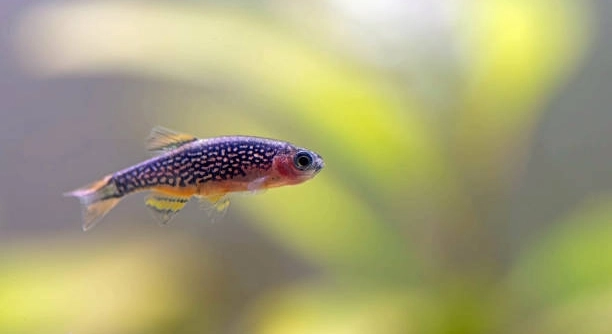
Danios are active and colorful fish that thrive in well-planned environments. Their natural behaviors and health can be supported by carefully chosen decorations that mimic aspects of their natural habitat. Proper care improves both their activity and longevity.
Providing natural decorations such as live plants, smooth rocks, driftwood, and dense foliage creates shelter, encourages exploration, and maintains water quality. These elements reduce stress, promote natural behaviors, and enhance the overall well-being of danios in home aquariums.
Selecting decorations with both aesthetics and function in mind ensures a healthier, more stimulating environment. The right choices contribute to the enjoyment and long-term care of your danios.
Live Plants
Live plants are one of the most beneficial decorations for danios. They provide hiding spots, which help reduce stress and mimic natural environments. Plants also improve water quality by absorbing excess nutrients and producing oxygen. Varieties like Java fern, Anubias, and Hornwort are hardy and easy to maintain. They grow well under moderate light and do not require complex care, making them ideal for beginner aquarists. Plants create gentle currents as danios swim around them, encouraging natural activity and exploration. They also serve as surfaces for beneficial bacteria to grow, supporting the aquarium’s ecosystem. Floating plants can offer shade and soften lighting, which reduces agitation in the tank. Arranging plants in layers allows danios to swim freely while having ample cover. Healthy plants contribute to clearer water, better fish coloration, and more natural behavior patterns. Over time, well-planted tanks tend to be visually appealing and support a balanced aquatic environment for the fish.
Live plants support danios’ natural behaviors while improving overall water conditions and tank aesthetics.
In addition to visual appeal, live plants foster a healthier aquarium environment. They help control algae growth and provide subtle filtration through nutrient absorption. Danios interact with plants by swimming through leaves, exploring hiding spots, and grazing on biofilm. This interaction reduces boredom and stress, which can improve immune responses and reduce aggressive behavior. Plants also stabilize the tank substrate by anchoring roots, preventing soil from clouding water during swimming or cleaning. Regular trimming and care encourage dense growth and prevent decay, which could otherwise pollute the water. By selecting a variety of plant types and arranging them thoughtfully, the aquarium achieves a natural balance that benefits both the fish and the tank’s ecosystem. Over time, plants can create microhabitats for small organisms, further enriching the environment. For danios, this combination of shelter, activity space, and improved water quality leads to healthier, more active, and visually striking fish.
Smooth Rocks
Smooth rocks are excellent additions that provide both shelter and visual interest. Danios enjoy swimming around them, and the rocks can create small caves or hiding spots.
Rocks stabilize substrate areas and break up open swimming space, creating secure zones. They help maintain territorial balance and prevent stress among multiple fish.
Smooth rocks are safer than jagged or sharp stones, reducing the risk of injury. When placing rocks, it is important to ensure they are aquarium-safe and properly cleaned to avoid introducing toxins. Layering rocks or creating small clusters can simulate natural environments, giving danios areas to explore and hide. Rocks can also serve as surfaces for algae growth or biofilm, which danios may nibble on for supplementary nutrition. Arranging them thoughtfully can improve water flow and provide visual depth in the tank. Over time, rocks become part of the tank’s ecosystem, hosting beneficial bacteria and supporting plant growth nearby. Their weight and stability also help prevent substrate from shifting during cleaning or fish activity. Smooth rocks combine safety, aesthetics, and functional benefits, making them a versatile decoration choice for danio habitats.
Driftwood
Driftwood adds natural texture and shelter for danios. It creates hiding spots and surfaces for beneficial bacteria while softening water slightly, which supports overall fish health.
Driftwood can be arranged to form tunnels or low caves that danios enjoy swimming through. It slowly releases tannins into the water, slightly lowering pH and mimicking conditions of their natural habitats. This can make the tank feel more comfortable and secure for them. Driftwood also serves as a surface for biofilm growth, which danios may graze on, adding variety to their diet. Choosing pieces that are smooth and fully water-safe prevents sharp edges and harmful substances from entering the aquarium. Boiling or soaking driftwood before placement removes excess tannins and prevents discoloration of the water. Properly positioned, it stabilizes plants and other decorations, helping maintain an organized, natural-looking aquarium that encourages activity.
In addition to shelter, driftwood contributes to the aquarium’s visual depth. Danios use it for exploration, hiding during rest, and interacting with other fish around its structure. Combining driftwood with rocks or plants enhances the tank’s overall layout and provides multiple microhabitats. Over time, it integrates with plants and substrate, creating a dynamic environment that changes subtly as the wood ages. This encourages natural behaviors like schooling, foraging, and playful darting. Driftwood also reduces stress by breaking open swimming areas into smaller zones, giving timid fish a place to retreat. Its presence supports both fish health and the aesthetic balance of the tank.
Dense Foliage
Dense foliage offers cover and security, giving danios places to hide and feel safe while reducing stress levels in the aquarium.
Thick plant clusters, such as Vallisneria or Cabomba, create vertical and horizontal layers for swimming and shelter. These areas allow danios to explore at different levels, supporting natural behavior while providing shaded spaces that reduce agitation. Dense foliage also helps maintain water quality by absorbing excess nutrients, limiting algae growth, and producing oxygen. When arranging plants, leaving open swimming lanes ensures activity without overcrowding. Combining different leaf shapes and heights provides a varied environment, encouraging curiosity and playful interaction among the fish. Regular trimming keeps plants healthy and prevents decay, maintaining both function and appearance. Over time, these plants establish small ecosystems, supporting microorganisms that contribute to the tank’s biological balance. The result is a more natural, stimulating habitat that benefits danios physically and mentally.
Floating Plants
Floating plants create shaded areas, helping danios feel secure and reducing stress. They also absorb excess nutrients, improving water quality and limiting algae growth.
Plants like duckweed or frogbit allow danios to swim underneath, providing shelter and a sense of safety. They can also create gentle surface currents that stimulate natural movement.
Leaf Litter
Leaf litter introduces natural textures and safe hiding spots in the aquarium. Leaves such as Indian almond or oak slowly decompose, releasing beneficial tannins that soften water and lower pH slightly. This creates conditions similar to danios’ native habitats. The litter also serves as a microhabitat for small microorganisms that danios may feed on, adding variety to their diet. Properly prepared leaves should be rinsed and soaked before adding to prevent clouding. Over time, the litter breaks down naturally, enriching the substrate and supporting a balanced ecosystem. Leaf litter encourages foraging and exploration, reducing boredom and stress, while contributing to healthier, more active fish.
Pebbles
Small, smooth pebbles provide secure footing for plants and decoration while offering surfaces for algae and biofilm growth.
Small Caves
Small caves give danios private spaces to retreat, reducing aggression and stress while encouraging natural exploration.
FAQ
What decorations are safest for danios?
Smooth rocks, driftwood, live plants, and small caves are the safest options. Avoid sharp or rough materials that could injure them. Decorations should be aquarium-safe and cleaned before placement to prevent harmful chemicals or debris from entering the tank.
How do live plants benefit danios?
Live plants provide shelter, reduce stress, and encourage natural behaviors. They also improve water quality by absorbing nutrients and producing oxygen. Danios interact with plants by swimming around and grazing on biofilm, which adds variety to their diet and keeps them active.
Can floating plants help with stress?
Yes. Floating plants like duckweed or frogbit create shaded areas, giving danios a sense of security. They reduce direct lighting, which can calm the fish, and also provide surfaces for algae growth, offering an additional food source and stimulating natural behaviors.
Are leaf litter and pebbles necessary?
Leaf litter adds natural hiding spots and slowly releases tannins, softening water and lowering pH slightly. Pebbles stabilize plants and decorations while providing surfaces for biofilm and algae growth. Both enhance the tank’s ecosystem and give danios more areas to explore.
How should I arrange driftwood and rocks?
Position driftwood and smooth rocks to create tunnels, caves, or clusters. This breaks open swimming space into smaller zones, offering privacy and reducing aggression. Ensure pieces are stable to avoid shifting that could harm fish or disrupt the substrate.
Do decorations impact water quality?
Yes. Live plants, leaf litter, and driftwood improve water conditions. Plants absorb nutrients and produce oxygen, leaf litter releases beneficial tannins, and driftwood can soften water slightly. Proper cleaning and maintenance prevent decay and ensure these benefits remain consistent.
Can decorations encourage natural behaviors?
Decorations encourage exploration, foraging, hiding, and schooling. Danios interact with plants, rocks, and caves, which keeps them active and mentally stimulated. A varied environment reduces stress and promotes healthier, more natural swimming patterns.
How often should decorations be maintained?
Live plants need trimming, driftwood and rocks require occasional cleaning, and leaf litter should be monitored for decay. Regular maintenance prevents water contamination, encourages healthy growth, and ensures decorations continue to support danios’ well-being.
Are artificial decorations safe?
Some artificial decorations are safe if they are smooth, non-toxic, and aquarium-approved. Avoid sharp edges, rough surfaces, or painted items that could leach chemicals. They may not provide the same ecological benefits as natural decorations but can be used carefully for aesthetics.
How do I combine different decorations effectively?
Mix plants, rocks, driftwood, caves, and floating elements to create layers and zones. Leave open swimming lanes while providing hiding spots. This arrangement balances activity and security, supporting natural behaviors, reducing stress, and creating a visually appealing, functional habitat for danios.
What is the best substrate to pair with decorations?
Fine gravel or sand works well. It supports plant roots, stabilizes rocks, and allows leaf litter to settle naturally. Avoid substrates that are too sharp or coarse, as they could injure danios or trap waste, affecting water quality.
How many decorations should I add?
Balance is key. Too many decorations can crowd the tank, limiting swimming space and increasing stress. Too few can leave danios exposed and bored. Aim for a mix of hiding spots, open areas, and varied textures to create a comfortable, natural environment.
Do decorations influence breeding behavior?
Yes. Dense foliage, caves, and leaf litter provide sheltered spaces for laying eggs. These elements reduce stress and mimic natural conditions, encouraging spawning behavior in danios. Open areas nearby allow adults to swim freely while protecting eggs or fry.
Can decorations reduce aggression?
Providing hiding spots, caves, and layered plant coverage helps reduce aggression by giving subordinate fish retreat areas. Breaking the tank into visual zones limits territorial disputes, supporting a calmer and more balanced community.
How do I know if decorations are working for my danios?
Healthy, active, and curious fish indicate that decorations are beneficial. Observing natural behaviors like schooling, exploring, and grazing shows that the environment meets their needs. Regularly reassessing and adjusting decorations ensures continued comfort and stimulation.
Are there any decorations to avoid?
Avoid sharp, rough, or chemically treated items. Painted ornaments or metals that can leach toxins should be skipped. Anything that could trap waste, injure fish, or disrupt water chemistry is best left out. Stick to smooth, natural, or aquarium-safe materials for safety and health.
How do decorations affect aquarium cleaning?
Decorations create microhabitats that can trap debris, so regular cleaning is necessary. Remove and rinse driftwood, rocks, and artificial items periodically. Plants may need trimming to prevent decay. Proper cleaning preserves water quality and maintains the benefits of decorations without stressing danios.
Can small caves be made at home?
Yes. Smooth rocks stacked carefully or hollowed driftwood pieces can form small caves. Ensure stability to prevent collapse, which could harm fish. These DIY caves provide cost-effective hiding spots and allow customization for tank layout while mimicking natural environments.
What role do microorganisms on decorations play?
Microorganisms on plants, rocks, and leaf litter form biofilm that danios may graze on. This contributes to nutrition, supports the tank’s ecosystem, and encourages natural foraging behavior. Maintaining healthy surfaces ensures that microorganisms remain beneficial rather than harmful.
Is it necessary to rotate decorations?
Rotating or rearranging decorations occasionally can stimulate exploration and reduce boredom. Changes should be gradual to avoid stressing fish. Adjusting the layout maintains novelty, encourages natural behaviors, and ensures all areas of the tank are used effectively.
How do decorations help with lighting control?
Floating plants and dense foliage provide shade, softening harsh light. This reduces stress for danios and creates a more natural day-night rhythm. Shaded areas also protect timid or resting fish while still allowing open swimming lanes for activity.
Can decorations impact tank temperature?
Decorations themselves have minimal effect on temperature but can influence water flow and circulation. Proper placement ensures even distribution of heat, avoiding hotspots or stagnant areas. Dense plants and caves may create microzones, which can slightly vary temperature but mostly contribute to comfort.
Are natural decorations better than artificial ones?
Natural decorations offer ecological benefits such as improved water quality, surfaces for microorganisms, and support for natural behaviors. Artificial decorations are mainly aesthetic and safe if chosen carefully. Combining both can create visually appealing and functional habitats.
How do I start decorating a new tank for danios?
Begin with substrate, add large structures like driftwood or rocks, then place plants and floating elements. Leave open swimming areas and ensure hiding spots. Monitor water parameters and adjust placement as needed, maintaining balance between aesthetics, function, and fish comfort.
How often should I update decorations?
Update when plants overgrow, wood or leaves decay, or fish behavior indicates stress. Changes should be gradual, maintaining a stable, stimulating environment. Regular adjustments keep the aquarium functional, visually appealing, and supportive of danios’ well-being.
What are the most recommended natural decorations?
Live plants, driftwood, smooth rocks, leaf litter, floating plants, and small caves. These options provide shelter, stimulate natural behaviors, improve water quality, and reduce stress, making them ideal for a thriving danio tank.
Final Thoughts
Creating a natural environment for danios is essential for their overall health and happiness. Choosing decorations that mimic their natural habitat allows them to exhibit normal behaviors, such as swimming actively, hiding, and exploring. Elements like live plants, driftwood, smooth rocks, and dense foliage not only provide aesthetic appeal but also contribute to a stable and functional aquarium. Each decoration has a role, whether it is offering shelter, supporting beneficial bacteria, or enhancing water quality. A well-thought-out tank encourages mental stimulation and physical activity, both of which are important for preventing stress and promoting longevity. Observing danios interact with their environment can be satisfying, as they make use of the spaces, currents, and hiding spots created through careful decoration.
Proper planning and arrangement of decorations also ensure a balance between open swimming space and secure hiding areas. Danios are naturally active fish, so leaving room for free swimming while providing sufficient cover is necessary. Live plants improve oxygen levels and absorb excess nutrients, reducing the risk of algae overgrowth. Driftwood and smooth rocks create shaded areas and microhabitats, supporting calmer fish behavior and providing surfaces for grazing. Floating plants and leaf litter offer both shelter and subtle environmental enrichment, replicating conditions similar to their natural rivers and streams. Small caves or crevices give timid or smaller fish areas to retreat, which can prevent conflicts and reduce stress levels among the group. Each element works together to form a balanced ecosystem that benefits the fish and maintains a cleaner, more stable aquarium.
Maintaining the tank and decorations is as important as the initial setup. Regular cleaning, plant trimming, and monitoring of leaf litter or driftwood ensure the environment remains healthy and free of decay that could affect water quality. Observing the fish and adjusting the layout if necessary helps sustain comfort and encourages natural behaviors. Rotating or slightly rearranging decorations over time can keep the environment stimulating, preventing boredom while maintaining a safe space for all tank inhabitants. By carefully selecting and maintaining natural decorations, aquarists create a space where danios can thrive, showing vibrant colors, active behavior, and healthy growth. A thoughtful, balanced approach to decoration ultimately improves both the fish’s well-being and the overall enjoyment of the aquarium.

Hello,
If you enjoy the content that we create, please consider saying a "Thank You!" by leaving a tip.
Every little bit helps us continue crafting quality advice that supports the health, happiness, and well-being of pets around the world, for pets of all shapes, sizes, and species.
We really appreciate the kindness and support that you show us!