
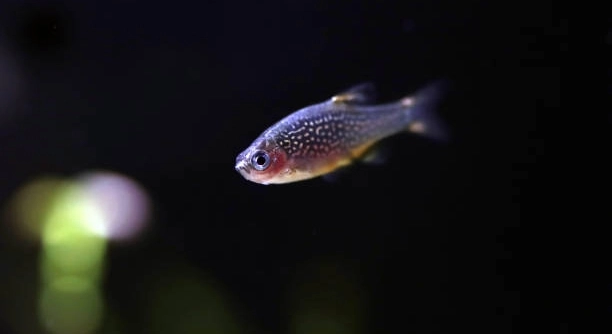
Danios are lively fish that react quickly to changes in their environment. Even small adjustments in their tank can influence their behavior, making it important to understand how they respond to sudden shifts. Observing their reactions can reveal valuable insights.
Danios react instantly to changes such as water temperature fluctuations, lighting adjustments, new decorations, altered flow patterns, introduction of tank mates, sudden feeding changes, and variations in water chemistry. Each factor can trigger immediate behavioral responses reflecting stress, curiosity, or adaptation.
Learning how these changes impact your fish helps maintain a healthy environment and ensures your danios remain active, balanced, and comfortable in their aquatic home.
Water Temperature Shifts
Even minor changes in water temperature can cause danios to react immediately. A sudden drop may make them sluggish, while a rapid increase can trigger frantic swimming or darting across the tank. Danios thrive in stable conditions, usually between 72 and 78 degrees Fahrenheit. Gradual adjustments allow their metabolism and behavior to remain balanced. Rapid shifts may increase stress hormones, weaken their immune system, and reduce feeding interest. Heating devices and coolers should be monitored closely. Seasonal changes, direct sunlight, or new equipment placement can create unnoticed fluctuations. Observing your fish during these times helps identify if the temperature is affecting their behavior. Sudden cloudiness or tank equipment malfunctions can also influence their comfort, making temperature stability essential. Even slight changes can impact breeding behavior and social interactions, highlighting the need for consistency. Ensuring a reliable thermometer and routine checks supports a calm and predictable environment for your danios, promoting overall well-being.
Gradual temperature adjustments reduce stress and support natural behavior, helping danios stay healthy and active over time.
Monitoring temperature consistently prevents unexpected reactions and encourages a stable, comfortable environment for your fish.
Lighting Adjustments
Changes in lighting can influence danios’ daily rhythm and activity levels. Sudden increases may cause hiding, while dimmed lighting often leads to slower movement.
Danios are sensitive to light intensity and duration. Rapid changes can trigger stress, reflected in erratic swimming, jumping, or avoidance of exposed areas. Using timers ensures predictable light cycles. Light positioning and tank cover can prevent glare and sudden brightness shifts. Seasonal daylight variations should be considered, especially if the tank is near a window. Observing their responses to artificial and natural light helps maintain stability. A consistent schedule supports feeding patterns and social interactions. Certain colors and wavelengths can affect mood, so experimenting carefully is recommended. Avoid turning lights on and off abruptly; gradual dimming or timed transitions encourages calmer behavior. Light intensity impacts not only activity but also coloration, enhancing visual health. Maintaining predictable light conditions ensures your danios feel secure, remain active, and exhibit natural behaviors consistently throughout the day.
New Decorations
Adding new decorations can instantly catch danios’ attention and trigger curiosity or caution. They may swim around cautiously, inspect new objects, or temporarily hide. The material, size, and placement influence how quickly they adapt.
Danios respond to changes in their environment, and new decorations are no exception. Smooth surfaces are generally accepted quickly, while rough or sharp items may cause hesitation. Placement near open swimming areas can encourage exploration, whereas objects in corners may make them retreat. Some danios may even use new plants or structures for temporary hiding. Observing their behavior after introducing decorations ensures they are adjusting without stress. Gradual placement and spacing help reduce sudden anxiety. Properly placed items can also improve territory perception and social interactions among tank mates, supporting a balanced and dynamic tank environment.
Monitoring how each fish reacts individually helps identify preferences and comfort levels. Some may embrace changes quickly, while others need more time to adjust. Adjustments in placement can prevent persistent hiding or aggression. Providing familiar resting spots near new additions allows gradual adaptation.
Altered Flow Patterns
Danios react immediately to changes in water flow, often adjusting swimming speed or direction. Increased flow can encourage active swimming, while reduced current may lead to slower movement.
Flow changes affect oxygen distribution and behavior. Sudden increases may stress some fish, causing them to dart or cluster. Others may enjoy the challenge and exercise, using currents for stimulation. Flow alterations influence feeding, as danios may struggle to capture food in strong currents. Using pumps or filters with adjustable output helps control flow without creating chaotic conditions. Observing fish in various parts of the tank ensures they can navigate currents comfortably. Placement of obstacles can redirect water flow and prevent dead zones. Balanced flow supports overall health, activity, and natural swimming patterns, allowing danios to thrive while remaining calm and alert.
Introduction of Tank Mates
Adding new tank mates can instantly change danios’ behavior. They may become more cautious, swim in groups, or explore cautiously around the newcomers.
Compatibility is important. Aggressive or overly large fish can stress danios, while calm species encourage normal social behavior. Observing initial interactions prevents conflicts and ensures a peaceful environment.
Feeding Schedule Changes
Danios respond quickly to changes in feeding schedules. Sudden alterations may cause excitement, erratic swimming, or temporary hiding. Consistent timing helps maintain stable activity levels. Feeding smaller portions multiple times a day supports their energy and reduces stress caused by sudden hunger or overfeeding.
Water Chemistry Variations
Shifts in pH, hardness, or chemical composition trigger immediate responses. Danios may become more active, hide, or display signs of stress depending on the degree of change. Regular monitoring and gradual adjustments help maintain a stable environment, keeping fish healthy and behavior predictable.
FAQ
How do I know if my danios are stressed by changes?
Danios show stress through behavior like erratic swimming, hiding, or loss of appetite. Fin clamping and rapid gill movement are also common signs. Watching how they react after changes in temperature, flow, lighting, or decorations helps identify stress early. Quick observation ensures you can adjust the environment promptly to reduce tension and prevent long-term health issues.
Can danios adapt to sudden temperature changes?
They can tolerate minor fluctuations, but sudden shifts can trigger immediate reactions such as darting, freezing, or unusual clustering. Gradual adjustments of no more than 1-2 degrees Fahrenheit per day help them adapt safely. Using a reliable thermometer and maintaining consistent heater or chiller settings ensures stability, reducing stress and supporting normal behavior.
Do new decorations always stress danios?
Not always, but new items may cause cautious behavior initially. Smooth, familiar materials are usually accepted faster than rough or sharp objects. Placement matters—open swimming areas encourage exploration, while tight corners may trigger hiding. Introducing decorations gradually or rearranging familiar items first helps them adjust comfortably.
How can I introduce new tank mates safely?
Quarantine new fish before adding them to the main tank to prevent disease and monitor their behavior. Start with calm, similarly sized species. Observe interactions closely for the first few days. Avoid aggressive or overly dominant fish that may intimidate danios. Providing hiding spots and rearranging the tank slightly before introducing new fish can reduce territorial conflicts.
Will danios react to changes in water flow?
Yes, they respond immediately to flow variations. Increased currents can stimulate activity or cause stress, depending on individual temperament. Reduced flow may lead to slower swimming. Adjustable pumps and careful placement of obstacles help maintain balanced water movement, allowing danios to swim naturally without sudden disruptions.
How often should I monitor water chemistry?
Regular monitoring is essential. Check pH, hardness, and ammonia/nitrite/nitrate levels at least once a week, or more often after water changes or new additions. Sudden chemical shifts can stress fish, causing hiding, lethargy, or erratic swimming. Gradual adjustments and consistent water testing prevent harmful surprises.
Do lighting changes affect danios’ behavior long-term?
Yes, abrupt changes can disrupt their daily rhythm. Sudden bright or dim light may cause hiding, hyperactivity, or stress. Using timers for consistent light cycles helps maintain predictable patterns. Gradual adjustments in intensity and avoiding direct sunlight prevent long-term disruption of natural activity levels and feeding behavior.
How can I make feeding schedule changes less stressful?
Gradually shift feeding times instead of making sudden changes. Smaller, more frequent feedings help them adjust. Observing their response ensures they are eating properly and not exhibiting stress behaviors such as frantic swimming or refusal to eat. Consistency in type and quantity of food supports comfort during schedule adjustments.
Are there signs my danios dislike new tank mates?
Signs include chasing, constant hiding, loss of appetite, or visible fin damage. Dominant behavior from new fish may intimidate danios, leading to stress. If these behaviors persist, separating the fish temporarily or rearranging the tank to establish new territories can reduce conflict and restore balance.
Can minor adjustments in tank environment improve danios’ well-being?
Yes, even small changes like adding gentle currents, new hiding spots, or minor decor adjustments can enrich their environment. Positive changes stimulate natural behavior, reduce boredom, and enhance overall health. Observing responses ensures adjustments are beneficial and do not inadvertently cause stress or territorial issues.
Is it necessary to change all conditions gradually?
Gradual adjustments are preferred. Sudden changes in temperature, flow, lighting, or chemistry can cause immediate stress. By modifying one factor at a time and monitoring reactions, danios can adapt safely. This method reduces risk of illness, encourages natural behavior, and ensures a balanced, stable tank environment.
How can I tell if a danio is comfortable with its environment?
Comfortable danios swim actively, explore the tank freely, feed reliably, and interact normally with tank mates. Their colors are vibrant, fins remain extended, and stress behaviors are minimal. Observing consistent activity patterns over days helps confirm they are adapting well to any changes.
Do danios prefer certain types of decorations or plants?
They generally respond well to plants and smooth ornaments that provide hiding spots and open swimming areas. Live plants are especially beneficial, offering shelter and improving water quality. Observing which items they interact with most helps tailor the tank to their preferences, promoting natural behavior and comfort.
What should I do if danios show negative reactions to changes?
Identify the specific change causing stress and reverse or adjust it gradually. Ensure water parameters, temperature, and lighting are stable. Adding familiar hiding spots or rearranging decorations can reduce anxiety. Monitoring over the next few days confirms whether the adjustments improve behavior and overall well-being.
How can I prevent stress when multiple changes are needed?
Introduce one change at a time and allow several days for adjustment. Monitor reactions closely. Combining gradual adjustments with stable feeding and lighting schedules helps danios adapt without overwhelming stress. Patience ensures each change benefits their environment and encourages natural behavior.
Do danios react differently to environmental changes at different ages?
Yes, younger danios may be more active and curious, but also more sensitive to stress. Older fish may be less reactive but can still experience health issues from sudden changes. Adjustments should consider age, size, and temperament to maintain comfort and reduce risks of illness or stress behaviors.
Can observing danios improve my tank management skills?
Absolutely. Paying attention to subtle behavioral cues helps identify stress, preferences, and compatibility issues. Understanding these responses allows for better planning of decorations, tank mates, feeding, and environmental adjustments. Observing reactions ensures interventions enhance comfort, activity, and long-term health.
What is the best approach to a stable danio tank environment?
Consistency is key. Gradual adjustments in temperature, flow, lighting, and chemistry maintain stability. Careful introduction of decorations and tank mates, combined with regular monitoring, supports natural behavior and reduces stress. Creating predictable conditions ensures danios remain healthy, active, and comfortable in their environment.
Danios are active and sensitive fish that respond quickly to changes in their environment. Even small adjustments in temperature, lighting, water flow, or decorations can trigger immediate reactions. Observing their behavior provides insight into their comfort and well-being. Stress in danios can appear as erratic swimming, hiding, loss of appetite, or fin clamping. Noticing these signs early allows for adjustments that reduce tension and support long-term health. Maintaining consistent conditions helps them adapt gradually to new additions or environmental changes without unnecessary stress. By paying attention to their responses, it is possible to create a calm and balanced tank environment where they can thrive naturally.
Consistency in tank management plays a key role in keeping danios healthy. Gradual changes in water chemistry, feeding schedules, and temperature prevent sudden stress. Even changes that seem minor to the caretaker can impact the fish significantly. Using timers for lights, adjustable filters for flow, and reliable thermometers for temperature allows for precise control of the environment. Introducing decorations and tank mates carefully also supports a stable social structure. Providing hiding spots and open swimming areas encourages exploration while reducing anxiety. Monitoring daily behavior ensures that adjustments are effective and beneficial, helping maintain a predictable and comfortable habitat. Attention to detail in these areas contributes to the fish’s overall activity, coloration, and social interactions.
Understanding danios’ responses to tank changes is essential for creating a healthy aquarium. Observing how they react to various stimuli allows for more informed decisions about adjustments. Consistency, gradual implementation, and careful monitoring are key factors in reducing stress and supporting natural behavior. Over time, this approach helps maintain a thriving, balanced aquatic environment. By focusing on the needs and comfort of danios, it is possible to foster an environment that promotes activity, curiosity, and well-being. Maintaining stability while introducing occasional controlled changes allows them to remain engaged without unnecessary strain. Ultimately, attentive care and a structured approach create a tank where danios can live actively, comfortably, and safely.

Hello,
If you enjoy the content that we create, please consider saying a "Thank You!" by leaving a tip.
Every little bit helps us continue crafting quality advice that supports the health, happiness, and well-being of pets around the world, for pets of all shapes, sizes, and species.
We really appreciate the kindness and support that you show us!