
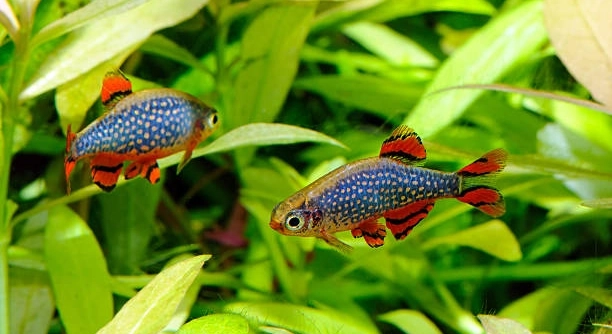
Have you ever tried raising danio fry and felt unsure about when or how to separate them to keep them safe and growing well in your tank without adding too much stress to their routine?
Separating danio fry with minimal stress relies on controlling water stability, reducing sudden changes, and moving them with gentle handling. Using a dedicated nursery tank helps maintain consistent conditions, promotes growth, and lowers the risk of injury or developmental setbacks.
These simple steps create a smoother process that protects their early development and helps them adjust comfortably as they grow.
Why Separation Matters for Danio Fry
Keeping danio fry in a controlled space supports steady growth and reduces the risks they face in a busy community tank. Larger fish can outcompete them for food, and strong currents may push them into areas where they struggle to swim comfortably. By placing them in a dedicated enclosure, you create predictable conditions that help them settle and develop without disruptions. Consistent feeding becomes easier, and you can monitor their progress with more clarity. The calmer environment also limits accidental injuries that may occur when fry are kept among active adults. Maintaining stable water parameters becomes more manageable, which is important for their delicate stage. These small adjustments make a noticeable difference in how well they adapt during their earliest weeks. A focused space provides structure, reduces stress, and gives you a clear view of their needs as they grow each day. (150 words)
Separating fry early helps maintain steady feeding, safer swimming conditions, and consistent water quality. This gives them the stability they need to grow at a healthy pace without competing with larger fish for space or food. (50 words)
A dedicated area also helps you spot small issues before they grow into bigger problems. With fewer distractions and calmer surroundings, the fry have room to develop properly, while you gain more confidence in supporting their early growth through simple adjustments. (100 words)
How to Create a Low-Stress Setup
A low-stress setup starts with calm water, stable temperatures, and gentle handling. Soft lighting and minimal disturbances help them settle quickly after the move. (50 words)
Creating a peaceful environment begins with choosing the right nursery tank size, using a gentle sponge filter, and matching the water parameters to the main tank before moving the fry. Keeping lighting subdued reduces sudden reactions, and offering small, easy-to-eat food encourages consistent feeding. Avoiding sudden water changes prevents unnecessary disruptions, while a steady temperature keeps the fry comfortable. Adding a few hiding spots, such as moss or soft plants, helps them feel secure without cluttering the space. Regular, light maintenance keeps the water clean without stirring up the tank. Observing their behavior daily allows you to adjust their environment when needed. These simple methods promote steady growth and make the entire process feel smoother for both you and the fry, helping them develop at a healthy pace without unnecessary pressure during their early phase. (200 words)
Preparing the Fry for a Safe Transfer
Handling the fry with slow movements keeps them calm and prevents unnecessary stress. Using a small container to scoop them rather than a net protects their delicate bodies and helps them adjust more comfortably during the transfer. (50 words)
Matching the water in the nursery tank to the main tank before moving the fry is an important step that keeps them stable. Gradually introducing them to the new space prevents sudden reactions. Keeping air pumps gentle and avoiding loud movements around the tank helps them settle more easily once they arrive. (100 words)
Providing a quiet atmosphere during the transfer allows the fry to regain their sense of comfort faster. Soft lighting helps them feel secure, and avoiding quick changes prevents their swimming patterns from becoming erratic. Once they are in the nursery tank, giving them time to explore at their own pace supports healthy adjustment and lowers the chance of stress-related setbacks. (100 words)
Maintaining Stable Water Conditions
Stable water conditions help the fry grow without unnecessary strain. Light feeding and frequent monitoring keep the environment clean, while gentle filtration prevents debris from collecting around them. These small efforts support their overall well-being throughout the separation period. (75 words)
Staying consistent with small water changes keeps the tank balanced and prevents harmful shifts that may affect their development. Using a sponge filter ensures soft movement in the water, reducing the chance of fry being pulled into strong currents. Testing the water regularly helps you notice changes early. Keeping temperature steady and avoiding chemical fluctuations allow the fry to remain active and comfortable. These simple routines create a predictable environment they can thrive in as they continue growing. (125 words)
Continue the article with the following outline and format. Do not write an intro for each header, get straight to the point. Do not use a greeting. Make it feel slightly personal. Write in a simplistic style. Do not greet the reader.; Outline and Format: ; Header: xxxxxxxxxxxxxxxxxxx; 50 words paragraph; 50 words paragraph; Header: xxxxxxxxxxxxxxxxxxx; 100 words paragraph; Header: xxxxxxxxxxxxxxxxxxx; 50 words paragraph; Note: Skip the intro, get straight to the point. The rest of the headers will be provided later, so do not write them yet. Skip the conclusion, and recap. Respect the given word count for every paragraph.
FAQ
How often should I feed danio fry?
Feeding small amounts multiple times a day works best. Tiny portions prevent overfeeding, which can cloud the water and stress the fry. Using powdered foods or freshly hatched brine shrimp ensures they can eat comfortably. Observing them during each feeding helps determine if adjustments are needed.
What type of tank is ideal for separating fry?
A small, quiet nursery tank with gentle filtration is ideal. A sponge filter avoids strong currents that can exhaust or injure the fry. The tank should match the water conditions of the main tank, including temperature and pH, to reduce sudden changes and stress during transfer.
How long should fry stay separated?
Fry should remain in the nursery until they are large enough to compete for food and avoid being eaten by adult fish. Typically, this is several weeks, depending on growth rates. Observing their size and behavior helps decide the right time for reintroduction.
How do I reduce stress during transfer?
Move fry slowly using a small container instead of a net. Gradually acclimate them to the nursery tank by matching water temperature and quality. Avoid sudden movements, loud noises, or strong lighting during the process to help them settle quickly.
How can I monitor water quality effectively?
Check water parameters daily, including temperature, pH, ammonia, nitrite, and nitrate levels. Regular light water changes maintain stability without shocking the fry. Using a sponge filter prevents debris accumulation while keeping currents gentle, helping fry thrive.
What signs indicate the fry are stressed or unhealthy?
Clamped fins, erratic swimming, slow movement, or loss of appetite are early signs. Observing these behaviors daily allows for timely intervention, such as adjusting water conditions, improving feeding schedules, or adding hiding spots to make the environment safer.
Can fry be housed with adult fish at any stage?
No, adult fish often outcompete fry for food or may accidentally injure them. Fry need a calm, protected space until they are large enough to swim confidently and feed efficiently among larger tank mates.
What are safe feeding practices for fry?
Feed tiny amounts several times a day, offering easily digestible foods. Remove uneaten food promptly to prevent water quality issues. Rotating food types, such as powdered food and live or freshly hatched brine shrimp, supports balanced growth without overwhelming the fry.
Is lighting important for fry tanks?
Yes, soft and consistent lighting reduces stress and encourages normal behavior. Sudden bright lights may startle them and cause erratic swimming. Plants or moss provide cover, creating a secure environment while still allowing observation and monitoring of growth.
How often should water be changed in the nursery tank?
Light water changes every few days are sufficient to maintain stability. Too much change can stress fry, while too little can lead to debris and harmful chemical buildup. Aim for small, regular adjustments that preserve temperature and water chemistry.
Can I use decorations or plants in the fry tank?
Yes, soft plants or moss provide hiding spots that reduce stress without taking up too much space. Avoid sharp or rough decorations that could harm delicate fry bodies. Plants also help maintain water quality by absorbing nitrates naturally.
What is the best way to gradually reintroduce fry to the main tank?
Once fry reach a steady size and swim confidently, gradually acclimate them to the main tank by adjusting water conditions. Introduce them slowly, allowing them to explore safely while observing interactions with adult fish. This ensures they adapt without sudden stress.
Are there common mistakes to avoid?
Avoid sudden water changes, overfeeding, using strong filters, or moving fry too early. Neglecting water parameter monitoring or overcrowding the nursery tank can also cause stress. Consistency, gentle handling, and patience are key to raising healthy danio fry successfully.
Can fry survive if separated for too long?
Extended separation is generally safe if the tank is properly maintained. However, keeping them too long may delay socialization with adult fish. Ensure their environment provides space, nutrition, and stimulation to support normal growth and readiness for the main tank.
How do I ensure fry growth is healthy?
Monitor size, behavior, and appetite regularly. Feed a variety of appropriate foods, maintain stable water conditions, and provide a calm environment. Adjust feeding and tank setup as needed to support steady growth without stress or competition from larger fish.
What should I do if water parameters suddenly change?
React calmly and gradually. Avoid sudden large water changes. Test and adjust temperature, pH, and chemical levels slowly. Small corrections prevent shock and allow fry to acclimate safely to their new conditions without undue stress.
How can I track progress effectively?
Observe daily for feeding habits, swimming patterns, and size increases. Keep notes on water changes, feeding schedules, and behavior. Tracking these details helps identify issues early and ensures fry are developing steadily and healthily.
Is quarantine necessary for new fry?
Yes, quarantining new fry or newly hatched batches prevents potential diseases from spreading to other fish. A separate, stable environment allows careful observation and intervention if health concerns arise before they join the main nursery or community tank.
How do I prevent fry from being injured in the nursery tank?
Use soft plants, avoid sharp decorations, and keep filter currents gentle. Limit handling and avoid overcrowding. Observing daily ensures any potential hazards are addressed before injury occurs, keeping fry safe as they grow in the protected environment.
What are the best temperature ranges for danio fry?
Maintain water temperature close to the main tank, generally around 24–26°C (75–79°F). Consistent temperature reduces stress and supports proper metabolism. Avoid sudden fluctuations, as fry are sensitive and may struggle to adjust quickly, affecting growth and overall health.
How do I know when the fry are ready for adult food?
Once fry are larger and can handle small pellets or flakes without difficulty, gradually introduce adult foods. Start with finely crushed or softened pieces and observe feeding behavior to ensure they can eat efficiently without choking or wasting food.
How do I maintain a calm environment overall?
Minimize noise, vibrations, and sudden light changes. Keep movements slow during feeding or maintenance. A calm and predictable environment helps fry remain active, feed consistently, and adapt well, supporting healthy growth and reducing stress during their early stages.
What should I do if fry show stunted growth?
Check water quality, feeding frequency, and nutrition. Ensure they are not overcrowded or stressed by tankmates or strong currents. Adjust food types, portion sizes, and environmental conditions gradually to encourage steady growth without causing additional stress.
How do I handle fry if I need to move them for cleaning?
Use a small container or cup and move them gently, avoiding nets if possible. Ensure water in the container matches the nursery tank and perform the transfer slowly to minimize stress. Quick or rough movements can injure fry and disrupt their adjustment.
Can fry tank water be reused in the main tank?
Yes, but only if water parameters are stable and free from excess waste. Partial reuse can reduce the shock of water chemistry changes, but it should be done carefully, balancing cleanliness with stability to protect both fry and adult fish.
How do I keep fry from hiding too much?
Provide some plants for cover but leave open swimming areas. Balanced hiding spots reduce stress while allowing observation and regular feeding. Overcrowding plants can make fry shy or inactive, so maintain a mix of safe spaces and open zones for healthy activity.
How long does it take for fry to reach a safe size for the main tank?
Growth rates vary by species and food quality, but most danio fry take several weeks to a few months. Observing size, swimming ability, and feeding efficiency helps determine readiness for reintroduction to the community environment.
What should I do if fry become lethargic?
Check water temperature, oxygen levels, and water quality first. Ensure feeding is appropriate and consistent. Lethargy can signal stress or early illness. Adjust conditions gradually, provide hiding spots, and monitor closely to support recovery while preventing further issues.
Can I mix fry of different ages in one tank?
It is not recommended, as older or larger fry may outcompete younger ones for food and space. Keeping similar-aged fry together ensures balanced growth and reduces stress caused by competition or bullying, supporting healthier development for all individuals.
How do I safely remove uneaten food?
Use a small siphon or turkey baster to carefully remove leftovers without disturbing the fry. Regular removal keeps water clean, prevents ammonia buildup, and reduces stress caused by poor water quality. This is important for maintaining a healthy and stable environment.
How important is daily observation?
Daily observation allows early detection of problems such as illness, poor feeding, or water issues. Noticing subtle changes in behavior or appearance ensures timely adjustments and supports steady growth. Consistent monitoring creates a secure environment where fry can thrive with minimal stress.
Can fry survive if I occasionally miss a feeding?
Occasional missed feedings are usually not harmful if they are healthy and well-fed otherwise. Consistency is important, but a single skipped feeding is manageable. Make sure the next feeding resumes normal portions and monitor the fry for any signs of stress or hunger.
Is it necessary to use live food only?
No, powdered or prepared fry foods work well and are often easier to manage. Live food can supplement nutrition but is not strictly necessary. Offering a balanced diet in small portions supports growth without creating extra stress or water quality issues.
What is the best way to acclimate fry to changes in water chemistry?
Introduce changes slowly, such as adjusting pH or temperature gradually over several hours. Rapid changes can shock fry, causing stress or illness. Using drip acclimation or small, incremental water additions helps them adjust safely while maintaining overall stability.
How do I prevent fungal or bacterial infections in fry?
Maintain clean water, avoid overcrowding, and quarantine new batches if possible. Monitor for early signs like white patches, bloating, or unusual swimming patterns. Promptly adjusting conditions or treating minor infections helps prevent spread and keeps fry healthy during separation and growth.
Can fry adapt to different light cycles?
Yes, but changes should be gradual. Sudden shifts in lighting can stress fry, so adjust on a daily schedule slowly. Consistent light and dark periods help regulate behavior, feeding, and activity, supporting normal development without disrupting their adjustment.
How can I encourage fry to swim actively?
Provide gentle currents, open swimming areas, and light stimulation during feeding. Avoid strong water flow that can exhaust them. Observing their natural movement patterns and adjusting the environment to support comfortable swimming promotes healthy muscle development and confidence.
What is the ideal population density in a fry tank?
Avoid overcrowding by keeping only as many fry as the tank can comfortably accommodate. Crowding reduces food access, increases stress, and can lead to poor water quality. A balanced number ensures each fry receives sufficient space, food, and oxygen for steady growth.
How often should I test water parameters?
Test daily during the early stages of separation, especially for ammonia, nitrite, and temperature. Frequent monitoring allows prompt corrections, maintaining a stable environment that prevents stress and supports healthy development for all fry.
What equipment is essential for a fry tank?
A sponge filter, thermometer, soft lighting, small container for transfers, and water testing kits are essential. Plants or moss provide cover, while gentle water movement prevents injuries. Having these items ensures a controlled, safe environment that supports growth and reduces stress effectively.
Can fry survive in tap water?
Tap water can be used if treated and adjusted for pH, chlorine, and temperature. Sudden chemical changes or unconditioned water can harm delicate fry, so always prepare water properly before introducing them to the nursery tank to maintain stability and health.
How do I prevent overcrowding in the nursery tank?
Keep batches small or use multiple tanks if necessary. Overcrowding reduces space, limits food access, and increases waste buildup. Ensuring each fry has room to swim freely and feed adequately supports healthier growth and lowers the risk of stress-related problems.
How do I know if fry are thriving?
Healthy fry swim actively, feed eagerly, and grow steadily without showing signs of stress. Observing consistent behavior, regular feeding, and normal development indicates that environmental conditions, feeding, and handling are supporting their early growth effectively.
How important is gentle handling during maintenance?
Extremely important. Rough or sudden movements can injure fry or cause panic. Using small containers, slow movements, and minimal disturbance ensures they remain calm and safe, preserving their energy and supporting steady growth.
How do I introduce new food types safely?
Start with small amounts and observe how fry react. Gradually increase portion sizes as they adjust. Mixing new foods with familiar ones encourages acceptance without overwhelming their digestive system, helping maintain consistent growth and nutrition.
What role does water temperature play in fry growth?
Consistent temperature supports metabolism and activity. Sudden changes can stress fry, slow growth, or cause illness. Maintaining a temperature similar to the main tank provides stability, allowing fry to feed, swim, and develop normally.
How do I prevent aggression among fry?
Provide sufficient space, avoid overcrowding, and use hiding spots. Feeding small portions frequently reduces competition. Balanced density and a calm environment limit stress-related aggression, allowing fry to focus on growth rather than conflict.
Is filtration necessary in a fry tank?
Yes, but it must be gentle. A sponge filter keeps water clean without creating strong currents that can tire or injure fry. Proper filtration helps maintain water quality, reduces stress, and supports healthy development throughout the separation period.
What are the consequences of ignoring stress signs?
Ignoring stress can lead to stunted growth, disease, or even mortality. Early observation and corrective action are critical. Addressing subtle signs promptly ensures fry remain healthy and grow steadily, reducing risks during this delicate stage.
Can fry survive in slightly varying pH levels?
Minor variations are usually tolerated, but sudden or extreme changes can stress fry and impact growth. Maintaining stable pH close to the main tank minimizes risk, ensuring their environment remains consistent for healthy development.
How do I balance feeding and water quality?
Feed small amounts frequently and remove uneaten food promptly. Excess food degrades water quality, which can stress fry. Regular monitoring, gentle filtration, and controlled portions maintain clean water while supporting steady, healthy growth.
What should I do if fry are not eating properly?
Check water quality, temperature, and food type. Try smaller portions or alternative foods like live or powdered options. Observe behavior to adjust feeding methods and ensure fry are comfortable eating without stress.
How can I prevent fungal growth in the fry tank?
Maintain clean water, avoid leftover food accumulation, and remove dead fry immediately. Keeping the tank lightly aerated with a gentle filter reduces stagnant areas, lowering the chance of fungus while supporting healthy growth and stability.
Can fry adapt to new tanks easily?
Gradual acclimation helps fry adjust to new tanks. Matching water parameters, gentle handling, and providing hiding spaces reduce stress, allowing them to explore and feed normally while maintaining stability during the transition.
How important is oxygenation for fry?
High oxygen levels support metabolism and activity. Gentle aeration, such as through a sponge filter, keeps oxygen consistent without strong currents. Adequate oxygen prevents stress, promotes healthy growth, and helps fry maintain normal feeding and swimming behavior.
What is the most common mistake with fry separation?
Moving fry too early, overfeeding, or causing sudden water changes are common mistakes. Each can increase stress, reduce growth, and create unstable conditions. Patience, gentle handling, and careful monitoring are essential to avoid these pitfalls.
How do I know if the nursery tank is too small?
Signs include overcrowding, poor swimming ability, and competition for food. Ensuring each fry has enough space to move freely and feed comfortably prevents stress, supports growth, and makes maintenance more manageable.
Can fry survive with minimal plants or cover?
Yes, but providing soft plants or moss reduces stress and creates safe zones. Lack of cover can make fry skittish, reduce feeding efficiency, and increase stress, so even minimal vegetation supports a calmer environment.
How do I ensure fry are developing evenly?
Feed consistently, maintain stable water conditions, and observe growth regularly. Address differences in size or behavior by adjusting food, space, or hiding spots. Balanced conditions and careful monitoring promote uniform development among all fry.
What adjustments are needed if fry are showing slow growth?
Check feeding, water quality, and temperature. Ensure they are not overcrowded or stressed. Introduce slight improvements gradually, like better nutrition, additional hiding spots, or gentle water adjustments, to encourage steady growth without causing shock.
How can I make cleaning easier without disturbing fry?
Use small siphons, remove debris carefully, and perform partial water changes. Avoid sudden movements or strong suction. Keeping the process slow and controlled preserves the calm environment necessary for fry growth and reduces accidental stress.
Are there any signs that fry are ready for social interaction?
When fry swim confidently, feed without hesitation, and show curiosity without panic, they are ready to interact more with tankmates. This indicates they are strong enough to handle mild activity and are prepared for gradual introduction to the main tank.
What is the best approach for multiple batches of fry?
Keep each batch in separate tanks to prevent competition, stress, and unequal growth. Monitor each group individually, providing tailored feeding, water management, and space adjustments. This approach ensures healthy development for all fry across different stages.
How do I maintain a stress-free environment consistently?
Keep water stable, feed small amounts regularly, handle fry gently, and limit disturbances. Consistent lighting, proper hiding spaces, and gradual changes in conditions help create a calm environment where fry can grow steadily and safely.
How do I safely handle sick fry?
Isolate sick fry immediately in a separate container with stable, clean water. Monitor closely, adjust parameters, and provide appropriate treatment. Gentle handling prevents further stress and reduces the risk of spreading illness to healthy fry.
Can fry be raised in the same tank as other small species?
Only if the species are peaceful, have similar water requirements, and won’t compete for food. Even then, monitoring is crucial, as fry are delicate and can be stressed or injured if the environment is not carefully managed.
How do I prevent sudden water temperature drops?
Use a reliable heater and avoid placing tanks near drafts, windows, or air conditioners. Consistent temperature prevents stress and supports stable growth. Gradual adjustments are safe, while sudden drops can shock the fry and impact health.
What is the best way to introduce live food?
Start with tiny amounts, ensuring all fry can access it without competition. Monitor closely to prevent leftover food from fouling the water. Introducing live food gradually helps fry adapt to different textures and improves nutrition without overwhelming them.
How do I avoid overcrowding when fry grow quickly?
Be ready to move fry into larger tanks or additional nurseries. Monitor growth rates and space availability, ensuring each fry has room to swim and feed comfortably. Proactive planning prevents stress, uneven growth, and water quality issues.
Final Thoughts
Raising danio fry successfully depends largely on maintaining a calm, stable environment. Keeping them separated from adult fish reduces stress and gives them room to grow without competition or risk of injury. Using a dedicated nursery tank with gentle filtration, consistent water parameters, and soft lighting creates a setting where fry can feed, swim, and develop safely. Small, frequent feedings of easily digestible food ensure that they receive proper nutrition while keeping the water clean. Observing the fry daily allows you to notice subtle changes in behavior, appetite, or swimming patterns, which can indicate if any adjustments are needed. By addressing these early signs, you prevent small problems from turning into major setbacks, giving the fry the best chance to grow steadily.
Handling the fry carefully during transfers or maintenance is another crucial factor. Moving them slowly in small containers rather than nets helps minimize stress and prevents accidental injuries. Gradual acclimation to the nursery tank’s water conditions ensures that sudden changes do not shock them, while a quiet, calm environment encourages normal behavior and reduces erratic swimming. Providing soft plants or moss gives them hiding spots, which makes them feel secure and less anxious. Even small details, like avoiding strong currents from filters or loud disturbances near the tank, contribute to their overall well-being. Paying attention to these factors allows the fry to grow in a stable, safe environment, which sets the foundation for long-term health.
Maintaining consistent routines over time supports steady growth and development. Regular light water changes, monitoring water chemistry, and adjusting feeding schedules as the fry grow ensures that they remain comfortable and well-nourished. When the fry reach a size that allows them to compete with adult fish without risk, gradual reintroduction to the main tank is safe and helps them continue developing confidently. Being patient, consistent, and observant throughout the process allows you to create an environment where fry thrive naturally, grow steadily, and develop the resilience needed for life in a community tank. Following these steps provides structure and care that directly impacts their success, making the effort of raising danio fry manageable and rewarding.

Hello,
If you enjoy the content that we create, please consider saying a "Thank You!" by leaving a tip.
Every little bit helps us continue crafting quality advice that supports the health, happiness, and well-being of pets around the world, for pets of all shapes, sizes, and species.
We really appreciate the kindness and support that you show us!