
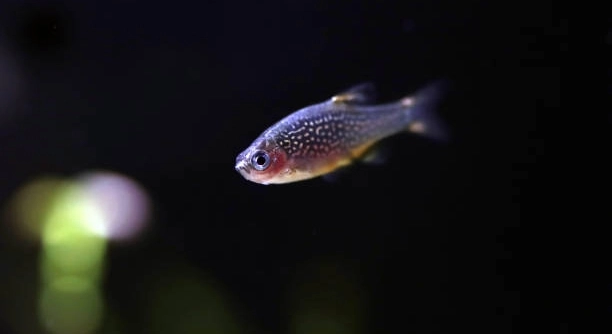
Have you ever wanted to successfully breed danios but felt unsure where to start? Setting up the right environment is key, and understanding the basic elements of a breeding tank can save time and effort.
A perfect danio breeding tank requires proper water temperature, pH balance, filtration, lighting, plants, hiding spots, and adequate space. Each element contributes to a stable environment, encourages natural spawning behavior, and ensures the health of both adult danios and their fry.
Knowing these foundational aspects makes managing a breeding tank much easier. The following guide will explain each element and its role in creating a thriving setup.
Water Temperature
Maintaining the right water temperature is essential for danio breeding. Danios prefer slightly warmer water, generally between 75°F and 78°F, which encourages spawning. A steady temperature helps reduce stress and promotes healthy activity. Sudden changes can cause shock, making them less likely to breed. Using a reliable heater with a thermostat ensures consistency. Regularly checking the temperature with a thermometer allows you to make small adjustments before problems arise. Consistency also supports fry development, as fluctuating temperatures can slow growth or affect survival. Keeping water in this range supports natural behaviors, including courtship displays, which are critical for successful mating. Observing your danios’ activity can indicate whether the temperature is suitable, as lethargy or hiding may signal discomfort. Proper temperature management is one of the most controllable factors in breeding success.
Stable temperature is key for healthy danios. Proper monitoring improves breeding success and reduces stress on the fish.
Keeping water consistent allows danios to spawn naturally. A reliable heater prevents sudden drops. Slight fluctuations are tolerable, but extremes reduce egg viability. During the breeding period, avoid unnecessary disturbances near the tank. Spawning activity usually peaks in the morning, so maintaining warmth overnight supports readiness. Consistent water temperature also benefits fry, preventing developmental issues and enhancing survival rates. Even small adjustments make a noticeable difference in fish behavior, encouraging frequent and healthier spawning.
Filtration and Water Quality
A proper filtration system is essential to maintain clean water. It removes debris, excess food, and waste, preventing harmful chemical buildup and promoting a healthier environment.
Using gentle filtration ensures eggs and fry are not disturbed. Strong currents can damage delicate eggs and young fry.
Choosing the right filter involves balancing flow rate and water quality. Sponge filters are ideal for breeding tanks because they provide gentle filtration without creating strong currents. Mechanical filtration traps debris, while biological filtration supports beneficial bacteria that break down waste. Regular partial water changes help maintain water quality and prevent spikes in ammonia or nitrites. Monitoring pH and hardness is also important, as danios are sensitive to chemical changes. A well-filtered tank reduces stress and disease risks, improving breeding outcomes. Keeping the tank clean, avoiding overcrowding, and using water conditioners when necessary further supports a stable environment. The combination of proper filtration and consistent water quality creates optimal conditions for spawning and fry growth.
Lighting
Consistent lighting encourages natural breeding behavior in danios. Around 10–12 hours of light per day helps regulate their daily activity and spawning cycles. Sudden changes or overly bright light can stress the fish, reducing mating activity.
Using soft, diffused lighting prevents excessive glare and simulates a natural environment. LED lights are effective because they provide stable brightness without heating the water. Timers can automate the schedule, ensuring consistency even when you are not near the tank. Proper lighting highlights plant growth and allows observation of eggs and fry without disturbing them. Observing the tank under gentle light shows when males are displaying to females, making it easier to track breeding activity.
Avoid keeping lights on at night, as this can disrupt rest periods and reduce fertility. During the day, adjusting light intensity to match room conditions helps maintain natural rhythms. Light combined with proper water conditions creates an environment where danios feel secure and motivated to spawn.
Plants and Hiding Spots
Live plants provide shelter for both adults and fry, reducing stress and preventing aggressive behavior during breeding. Floating or fine-leaved plants give eggs a place to attach safely.
Dense plant coverage mimics a natural environment, offering areas for fry to hide. Java moss, hornwort, and other fine-leaved plants work well. Placing plants strategically allows adults to move freely while providing security for developing eggs. Hiding spots prevent dominant fish from disturbing the breeding pair and reduce the risk of egg predation. Plants also help maintain water quality by absorbing excess nutrients and offering surfaces for beneficial bacteria. Artificial plants can supplement live plants if needed, but live plants contribute to oxygenation and water balance. Properly arranged plants create a calm environment, encouraging spawning while protecting fragile fry.
Hiding spots are as important as plants. Structures like small caves, leaf litter, or breeding mops allow danios to retreat. This reduces stress and promotes successful mating. Strategically placing these items ensures adults and fry coexist safely. Creating a balanced space with multiple layers of shelter increases egg survival rates and allows fry to explore gradually. Overcrowding the tank with too many plants or hiding spots can limit swimming space, so aim for a natural, open layout with protected areas. Observing fish behavior helps refine placement for optimal results, ensuring both safety and natural interaction.
Tank Size
A larger tank provides enough space for danios to swim freely and reduces stress during breeding. Crowded conditions can lead to aggression, skipped spawning, or damaged eggs.
A tank of at least 20 gallons is recommended for a small breeding group. Adequate space supports both adults and growing fry, giving them room to thrive.
Water Quality Monitoring
Regular testing of ammonia, nitrite, nitrate, and pH is essential. Stable water chemistry prevents stress and ensures healthy breeding conditions. Monitoring allows for timely adjustments and prevents harmful spikes that could affect eggs or fry survival.
Spawning Triggers
Raising the temperature slightly and performing a partial water change often encourages danios to spawn. Simulating seasonal changes can prompt natural breeding behavior.
FAQ
How often should I change the water in a danio breeding tank?
Partial water changes of 20–30% once a week are ideal. Frequent water changes remove excess waste and keep ammonia and nitrite levels low. During breeding, small but consistent changes help maintain stable conditions without stressing the adults or disturbing eggs.
What is the best diet for breeding danios?
High-quality live or frozen foods like brine shrimp, daphnia, and bloodworms improve breeding readiness. Supplementing with flake or pellet food ensures balanced nutrition. Feeding smaller portions multiple times a day helps maintain energy without polluting the tank.
How many males and females should be in a breeding tank?
A ratio of 2–3 males per female works best. Too many males can stress the female, while too few can reduce courtship displays. Maintaining this ratio encourages natural behavior and increases spawning success.
Can I use tap water for a breeding tank?
Yes, but it must be treated to remove chlorine and chloramine. Using a water conditioner prevents chemical damage to eggs and fry. Testing pH and hardness ensures it matches the preferred range for danios.
How long does it take for danio eggs to hatch?
Danio eggs usually hatch within 24–36 hours at the correct temperature. Fry are very small and require careful feeding immediately after hatching. Maintaining water quality is critical during this period to prevent mortality.
Do I need a separate tank for fry?
While not mandatory, a separate tank increases fry survival. Adults may eat eggs or fry, so transferring eggs or using a breeding net protects the young. Small, gentle filtration supports growth without harming fry.
What is the best temperature for egg development?
A stable temperature between 75–78°F ensures proper embryo development. Too low or too high temperatures slow growth or cause deformities. Using a reliable heater and checking regularly keeps conditions stable.
How can I tell if my danios are ready to spawn?
Males become more colorful and chase females, who appear slightly rounder when carrying eggs. Observing courtship behavior and increased activity in the morning often indicates readiness. Proper water conditions and lighting also play a role.
Is it necessary to remove eggs after spawning?
Removing eggs can protect them from being eaten by adults. Using a fine mesh or separate tank ensures maximum survival. Once hatched, fry can remain in the same environment with careful feeding and water management.
What should I feed newly hatched fry?
Infusoria, liquid fry food, or very finely crushed flakes work best initially. Gradually introducing brine shrimp or micro worms as they grow supports healthy development. Feeding small amounts multiple times a day ensures fry receive enough nutrients without fouling the water.
How long does it take for fry to grow into adults?
Danio fry grow quickly, reaching juvenile size in about 6–8 weeks. Full adult size occurs around 3–4 months. Proper feeding, clean water, and stable conditions accelerate growth and improve overall survival rates.
Can I breed multiple pairs in the same tank?
It is possible, but risks increase, including aggression and egg predation. Multiple pairs may require additional plants or hiding spots to reduce stress and ensure successful spawning. Close observation is necessary to prevent conflicts.
How do I prevent fungal infections on eggs?
Maintaining clean water and gentle filtration reduces the risk. Some breeders add antifungal solutions specifically designed for fish eggs. Removing debris and avoiding overcrowding also helps protect eggs during development.
Do danios spawn year-round?
Under controlled conditions with proper temperature, lighting, and diet, danios can spawn continuously. Seasonal triggers like temperature changes and water replacement often increase activity, but consistent care allows ongoing breeding opportunities.
How can I tell if fry are healthy?
Healthy fry are active, swim upright, and feed eagerly. Pale or lethargic fry may indicate water issues, improper feeding, or disease. Observing their development daily helps catch problems early and ensures better survival.
What is the ideal pH for a breeding tank?
A slightly neutral pH of 6.8–7.5 is ideal. Extreme acidity or alkalinity can stress adults and affect egg viability. Regular testing and minor adjustments with water conditioners keep the tank within this range.
Can I reuse water from the breeding tank for the main aquarium?
Yes, if water quality is high and free from disease. Some breeders use it as nutrient-rich water for plants. Always check parameters to ensure it won’t harm other fish.
How often should I clean the tank during breeding?
Light cleaning, like removing debris and doing partial water changes, should occur weekly. Avoid disturbing eggs or fry, and clean only what is necessary to maintain water quality without stressing the fish.
What signs indicate eggs are infertile?
Infertile eggs appear cloudy or white and often develop fungus. Removing them quickly prevents contamination of healthy eggs and maintains water quality. Regular observation helps identify and separate infertile eggs.
Can temperature changes trigger spawning?
Yes, slightly raising the temperature and performing a partial water change often mimics seasonal conditions, stimulating breeding behavior. Sudden extreme changes should be avoided, as they can stress the fish rather than encourage spawning.
Are there any supplements that help with breeding?
Vitamin-enriched foods and live foods high in protein promote fertility and energy. Regular feeding of nutritious food improves egg quality and fry survival, supporting overall breeding success.
How do I reduce stress during spawning?
Provide hiding spots, stable water conditions, and minimal disturbance. Avoid handling fish or making sudden changes during the breeding period. A calm, consistent environment encourages natural behavior and improves success rates.
Is it safe to keep multiple fry stages together?
Mixing sizes can lead to larger fry eating smaller ones. Separate fry by size if possible, or provide plenty of plants and hiding spaces to reduce predation. Regular observation ensures balanced growth and safety for all fry.
How long should I leave adults in the breeding tank?
Once eggs are laid, adults can be removed to prevent eating them. Keeping adults only until spawning reduces stress on both the parents and the developing eggs, ensuring a higher survival rate.
What is the best way to acclimate fry to a new tank?
Introduce fry slowly with matching water parameters. Avoid sudden temperature or pH changes. Gradually adjust over several hours to minimize stress and allow safe adaptation. Monitoring the fry closely after transfer ensures they remain healthy and active.
Can breeding success be improved by separating males and females beforehand?
Yes, isolating males and females for a few weeks can increase courtship intensity once they are reunited. This method encourages more active mating behavior and higher egg production, especially in tanks with multiple pairs.
What is the typical survival rate for danio fry?
With proper care, clean water, and protection from adults, survival rates can be 70–90%. Factors like overcrowding, poor water quality, or inadequate feeding reduce chances, so careful monitoring is essential.
How long do danios live?
Danios generally live 3–5 years with proper care. Breeding cycles do not significantly shorten lifespan if adults are healthy and stress is minimized. Proper diet and environment contribute to longevity.
Can I use artificial plants instead of live plants?
Artificial plants can provide hiding spots but lack benefits like oxygenation and nutrient absorption. Combining both gives protection for eggs and fry while maintaining water quality. Placement should mimic natural conditions for best results.
How often should I feed adult danios during breeding?
Feeding 2–3 small portions a day keeps adults energized without polluting water. Focus on high-protein foods to support reproductive health and encourage natural spawning behavior. Monitoring feeding response helps adjust portions.
What are common mistakes in danio breeding?
Overcrowding, unstable water conditions, improper temperature, and insufficient hiding spots are frequent issues. Observing fish behavior, maintaining stable parameters, and ensuring adequate space prevent most problems.
Can danios spawn without plants?
Yes, but eggs are more vulnerable. Spawning mops or mesh can substitute, providing attachment surfaces while protecting eggs from adults. Plants are preferred, but alternatives work with careful management.
Do lighting schedules affect breeding?
Yes, consistent 10–12 hour light periods support natural behavior. Timers help maintain routine. Sudden changes can stress fish, reducing spawning frequency. Observing activity under light guides adjustments for optimal breeding conditions.
Are there signs that fry are stressed?
Lethargy, erratic swimming, or reduced feeding indicate stress. Common causes include poor water quality, overcrowding, or sudden environmental changes. Prompt correction improves survival.
How do I separate adults after spawning?
Gently net or transfer adults to another tank. Avoid disturbing eggs. Leaving adults increases risk of predation, so separation ensures higher fry survival.
Is it necessary to aerate the tank during breeding?
Mild aeration supports oxygen levels, especially for fry. Strong currents should be avoided to prevent disturbing eggs. Sponge filters or gentle air stones work best.
How long should I keep eggs in the breeding tank?
Eggs should remain until hatching, usually 24–36 hours. After hatching, fry may need a separate environment to prevent being eaten by adults or injured by water flow.
What is the best way to track spawning activity?
Observing early morning behavior, courtship displays, and egg deposition provides clear indicators. Keeping a brief log helps identify patterns and refine tank conditions for future breeding.
Can I use a sponge filter for a breeding tank?
Yes, sponge filters provide gentle filtration and aeration without harming eggs or fry. They are easy to maintain and support beneficial bacteria, enhancing water quality for both adults and young fish.
How do I prevent adults from eating eggs?
Remove adults immediately after spawning or use a breeding net. Providing sufficient hiding spots may reduce predation, but separation is the most reliable method to ensure high egg survival.
Is water hardness important for breeding?
Yes, slightly soft to neutral water promotes egg viability and fry development. Extreme hardness can reduce hatching success, so regular testing and adjustments maintain suitable conditions.
Can temperature drops harm fry?
Yes, sudden drops can slow development or cause death. Stable warmth supports healthy growth and reduces vulnerability to disease. Monitoring daily helps avoid dangerous fluctuations.
How can I encourage repeat spawning?
Maintain optimal water conditions, feed high-protein foods, and simulate seasonal changes with water replacement and temperature adjustments. A stable, stress-free environment promotes frequent breeding cycles.
Are certain danio species easier to breed?
Zebra danios are generally easier due to hardiness and adaptability. Other species may require more specific conditions, but basic principles of water quality, temperature, and shelter apply across all types.
What is the recommended pH fluctuation tolerance?
Minor fluctuations within 6.8–7.5 are acceptable, but sudden shifts can stress fish. Gradual adjustments using water conditioners keep the environment safe for both adults and developing eggs.
How do I introduce new adults for breeding?
Acclimate slowly to avoid stress and aggression. Introduce them in the evening or after water parameters match their previous tank. Observe interactions carefully to prevent fighting or stress.
Can overcrowding affect spawning success?
Yes, overcrowding increases stress, reduces courtship behavior, and can lead to egg predation. Proper tank size and adult ratios improve overall breeding results.
What is the ideal morning routine for observing spawning?
Check water temperature, observe courtship, and monitor egg deposition. Minimal disturbance ensures natural behavior continues while giving insight into spawning success.
How long after feeding do danios spawn?
Spawning often occurs 1–2 hours after feeding when adults are active and energized. High-protein foods stimulate readiness and increase courtship activity.
Are there signs of stressed fry?
Slow movement, clamped fins, or pale coloring indicate stress. Causes include poor water quality, insufficient hiding places, or rapid environmental changes. Correcting these improves survival.
How can I gradually introduce fry to new foods?
Start with infusoria or liquid fry food, then slowly add finely crushed flakes or brine shrimp. Observe feeding behavior and adjust quantities to avoid water fouling while ensuring adequate nutrition.
Can breeding frequency reduce adult lifespan?
If adults are healthy and stress is minimized, frequent breeding has little impact. Proper diet, water quality, and recovery periods between spawnings maintain longevity.
Is it safe to mix danio species in a breeding tank?
Mixing species can lead to hybridization or aggression. It is safest to breed a single species at a time to ensure pure offspring and reduce stress.
What is the best way to store extra eggs?
Extra eggs can be left in a separate incubator with clean, conditioned water. Avoid overcrowding and monitor for fungal growth, removing any affected eggs immediately.
How do I know when to stop feeding adults high-protein foods?
After spawning, gradually reduce high-protein foods to avoid overfeeding. Maintain a balanced diet to support health and future breeding cycles without causing water quality issues.
Are danio eggs sensitive to light?
Eggs are not overly sensitive but excessive light can encourage algae growth and fungal infections. Moderate, consistent lighting is best for observation and healthy development.
Can I keep multiple breeding tanks in one room?
Yes, but ensure each tank has independent temperature control, filtration, and hiding spots. Close observation is necessary to manage stress and prevent disease spread.
How do I prevent fungal growth on fry?
Keep water clean, remove debris, and avoid overcrowding. Gentle filtration and proper feeding reduce the risk. Antifungal solutions can be used carefully if needed.
What is the best way to transition fry to juvenile tanks?
Gradually increase water volume, maintain similar temperature and pH, and provide plenty of hiding spots. Introduce new foods slowly while monitoring behavior and health.
Can overfeeding affect egg quality?
Yes, overfeeding may pollute water and stress adults, reducing egg viability. Feeding small, high-quality portions ensures healthy development and clean water conditions.
Are there behavioral signs of successful fertilization?
Fertilized eggs are clear and usually remain attached to plants or substrate. Adults may continue chasing and courting for multiple rounds. Fertilized eggs develop visible embryos within hours.
Is it necessary to use a breeding mop?
Not always, but breeding mops provide a safe surface for eggs in tanks without dense plants. They simplify egg collection and increase survival rates by keeping eggs out of reach of adults.
How do I maintain water temperature during winter?
Use a reliable heater with a thermostat. Avoid placing tanks near drafts or windows. Consistent temperature is crucial for both spawning activity and fry development.
Can sudden light changes stop spawning?
Yes, abrupt light changes can stress adults, reducing courtship and egg-laying activity. Gradual changes or timers maintain routine and encourage consistent breeding behavior.
How do I prevent cannibalism among fry?
Provide plenty of hiding spaces and feed small amounts frequently. Separating fry by size as they grow also reduces predation and ensures balanced growth.
Is monitoring pH more important than temperature?
Both are critical, but slight pH fluctuations can quickly affect egg viability. Temperature stability affects behavior, while pH impacts survival directly. Regular monitoring of both ensures optimal conditions.
Can artificial light mimic natural seasonal changes?
Yes, adjusting light duration and intensity can simulate seasonal shifts. This encourages spawning and aligns with natural reproductive cycles. Timers help maintain consistency.
How do I know when to remove adults after spawning?
Check for egg deposition and observe adult behavior. Once eggs are laid, removing adults prevents predation. Leaving them increases risk of egg loss, so separation is best.
Can breeding stress be reduced by music or sound?
Background noise should be minimal. Loud or sudden sounds can stress adults and fry. Calm environments with consistent routine support natural behavior.
How often should I test water during breeding?
Testing twice a week is sufficient under stable conditions. During high-density spawning, more frequent checks prevent issues and ensure eggs and fry remain healthy.
Are there seasonal differences in spawning success?
Danios can breed year-round under controlled conditions, but seasonal cues like temperature changes and water replacement can increase activity naturally. Adjusting care based on observed behavior improves outcomes.
What should I do if fry stop eating?
Check water quality, temperature, and food type. Stress, disease, or insufficient hiding spaces can cause refusal. Adjusting conditions and providing suitable food usually restores feeding behavior.
How do I handle sick adults during breeding?
Isolate sick fish immediately to prevent contamination. Treat according to diagnosis, and avoid introducing them back into the breeding tank until fully recovered to protect eggs and fry.
Can I reuse breeding equipment without sterilizing?
Clean thoroughly before reuse. Rinsing with conditioned water removes debris and potential pathogens. Sterilization helps prevent disease transfer between tanks and breeding cycles.
How can I reduce stress when introducing a new batch of fry?
Gradual acclimation, proper hiding spots, and minimal disturbance prevent stress. Match water parameters and monitor behavior to ensure a smooth transition.
What is the maximum number of eggs a female can lay?
A healthy female can lay dozens of eggs per spawning session. Numbers vary based on age, diet, and tank conditions. Providing optimal conditions maximizes output.
Are danio fry sensitive to water flow?
Yes, strong currents can damage delicate fry. Gentle sponge filtration or low-flow aeration protects them while maintaining oxygen levels. Observing fry behavior helps adjust flow appropriately.
How do I prevent overpopulation in breeding tanks?
Remove eggs or transfer fry to separate tanks as they grow. Monitor numbers and plan adult separation to maintain a healthy, manageable population.
Can breeding frequency affect egg quality?
Frequent spawning without proper recovery can reduce egg quality. Ensure adults have time to regain energy with proper feeding and stable conditions before the next session.
Is it safe to mix fry of different ages?
Mixing sizes increases cannibalism risk. Separating by age and size improves survival, reduces competition, and ensures even growth across all fry.
How do I remove dead eggs safely?
Use a small net or pipette to carefully extract dead eggs. Removing them quickly prevents fungal spread and maintains water quality for healthy eggs and fry.
Can light intensity affect fry growth?
Moderate light supports observation and plant growth. Excessive brightness stresses fry, while very dim light may reduce feeding activity. Balance intensity for optimal development.
How do I maintain consistent temperature during power outages?
Insulated tanks, backup heaters, or portable heat sources help maintain warmth. Rapid temperature drops can stress both adults and fry, so planning ahead ensures stability.
What are the signs of water contamination?
Cloudiness, foul smell, or sudden behavioral changes indicate contamination. Prompt water changes and filtration checks prevent damage to eggs, fry, and adults.
Can I breed danios in a community tank?
It is risky, as adults may eat eggs and fry.
Breeding danios can be a rewarding experience when the right conditions are set up. Understanding the essential elements of a breeding tank is the first step to success. From proper water temperature and quality to providing hiding spots and adequate space, each factor plays a role in encouraging natural spawning behavior. Paying attention to these details helps reduce stress on both adults and fry, leading to healthier fish and higher survival rates. Even small adjustments, like stabilizing temperature or adding a few plants, can make a significant difference in the overall outcome. Regular observation and maintenance ensure that problems are identified early, preventing losses and allowing the tank to function smoothly over time. By keeping the tank clean, monitoring water chemistry, and offering a balanced diet, breeders can create an environment that supports consistent and successful reproduction.
It is important to remember that danio breeding is not only about maximizing the number of eggs but also about supporting the well-being of the fish. Stressful environments, overcrowding, or improper water conditions can reduce spawning success and impact the health of the fry. Maintaining a calm and stable environment is crucial. Hiding spots, gentle filtration, and proper lighting contribute to comfort and encourage natural behaviors. Adult danios are active and can be energetic during courtship, so having enough space is essential to prevent aggression and competition. Providing a suitable ratio of males to females also supports natural mating patterns and reduces stress on individuals. Observing behavior, understanding the needs of the species, and responding to changes in water parameters or tank conditions ensures that both adults and fry thrive. A balanced approach helps prevent mistakes that could compromise the breeding process.
Lastly, breeding danios requires patience and consistency. It is not always immediate, and sometimes attempts may fail despite careful preparation. Learning from experience is part of the process, and gradual improvements in tank setup and care routines can lead to better outcomes over time. Careful feeding, monitoring water parameters, and offering the right environment for spawning and fry development will improve the success of each breeding cycle. Separating fry when necessary, preventing overfeeding, and maintaining clean water are all practices that support growth and survival. Even small improvements in daily routines, like consistent lighting schedules or careful temperature management, help create a reliable breeding environment. By focusing on stability, observation, and proper care, breeders can support healthy adults and thriving fry, ultimately achieving consistent and successful results. Consistency, attention to detail, and patience are the keys to making a danio breeding tank productive and safe for all the fish involved.

Hello,
If you enjoy the content that we create, please consider saying a "Thank You!" by leaving a tip.
Every little bit helps us continue crafting quality advice that supports the health, happiness, and well-being of pets around the world, for pets of all shapes, sizes, and species.
We really appreciate the kindness and support that you show us!