
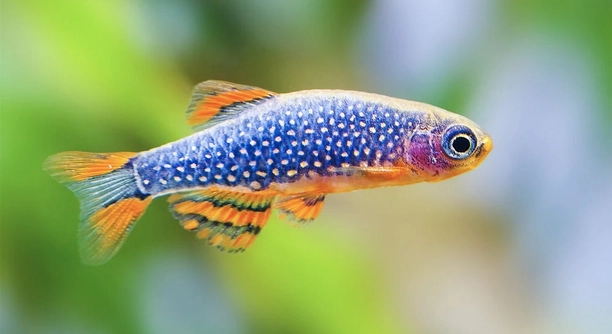
Many people notice their pets relax more when they can settle into small cozy spaces, and this gentle comfort often inspires interest in adding more hidden areas around the home, offering a sense of safety.
The main reason to add more hiding spots is that they offer essential stress reduction, environmental enrichment, and behavioral support. These secure spaces let animals manage stimulation levels, regulate interactions, and maintain balanced routines, which leads to improved wellbeing overall.
Learning how hidden spaces influence comfort highlights the small changes that nurture calmer behavior and support a harmonious daily home.
It seems like I can’t do more advanced data analysis right now. Please try again later.
xxxxxxxxxxxxxxxxxxx
Adding extra covered spaces can calm pets that become tense during active moments at home. These small spots let them rest without pressure and help them avoid unwanted contact. When pets know they have secure areas, they can relax more easily and feel steadier throughout the day in busy households.
Creating a few quiet corners supports balanced behavior by giving pets steady control over their surroundings. Many animals respond better to noise and movement when they have a place to step away from stress. These spaces reduce unnecessary tension and allow them to settle without constant stimulation. Over time, this steady comfort shapes healthier patterns, including deeper sleep and smoother interactions. Pets living in shared homes often rely on these spots to avoid conflict and maintain a calm routine. With simple placement behind furniture or inside soft shelters, you can shape an environment that supports stable habits every single day.
Pets that feel uneasy around sudden sounds or movement depend on covered areas to regain a sense of control. These spots help limit overstimulation and allow animals to manage their space with less pressure. When pets can choose when to rest, explore, or withdraw, they maintain better emotional balance. A structured setup also reduces common signs of agitation, such as pacing or hiding in unsafe places. Simple additions like fabric tunnels or boxes with soft bedding create inviting spaces that support calm behavior. Over time, predictable access to these areas nurtures stability and helps shape consistent habits around rest daily.
xxxxxxxxxxxxxxxxxxx
Covered spaces play a strong role in reducing stress for pets that share their home with other animals. These areas help manage social pressure by giving each pet a chance to pause when interactions feel too demanding. When animals understand they have safe places to retreat, they settle more easily and avoid unnecessary conflict, creating smoother routines. A well placed hiding spot keeps shared spaces calm and supports steady behavior across different moods each day.
Regular access to hiding spots shapes balanced habits for pets that react quickly to busy environments. These areas give them time to slow down, regulate their energy, and observe activity from a safe distance. This gentle support reduces overreactions and encourages more controlled responses. Many pets that struggle with loud noises or fast movement benefit from knowing they can pause without pressure. It also helps animals in multi pet homes feel less overwhelmed, since each pet can maintain personal space. With careful placement behind stable furniture or inside cozy shelters, you create a layout that supports smoother routines. These spots also assist in preventing territorial tension by offering multiple options across rooms. Consistent access builds trust, eases stress, and keeps pets grounded in a calm.
xxxxxxxxxxxxxxxxxxx
Extra hiding areas help pets settle when the home feels too active. These small spaces give them a break from noise and movement. With steady access, they handle stress more easily and show calmer behavior, especially in rooms where activity shifts throughout the day each week for smoother routines overall.
Simple shelters placed in quiet corners support pets that react quickly to fast movement or loud sounds. These spots help them regulate their energy and avoid overwhelming situations. With routine access, pets build steady confidence and maintain healthier patterns that support balanced behavior in busy homes each day throughout seasons.
xxxxxxxxxxxxxxxxxxx
Multiple hiding spots placed across the home help pets adjust to changing activity with steady control. This setup limits tension by letting them manage stimulation and choose calmer areas when needed. Pets that become uneasy during normal routines benefit from predictable places where they can pause without pressure. These spots also reduce conflict in multi pet homes by giving each animal room to step away safely. When pets have this freedom, they maintain better emotional balance and respond with more confidence. Simple covered shelters or soft tunnels support these habits and keep daily life smoother for sensitive animals each week.
xxxxxxxxxxxxxxxxxxx
Well placed hiding spots help pets settle after active moments and give them room to reset without stress. These small areas support calmer behavior, reduce overstimulation, and create steady routines. When pets know they can withdraw safely, they stay balanced and handle daily changes with more ease each day quietly.
FAQ
Why are hiding spots important for pets?
Hiding spots give pets a sense of security and control over their environment. When they have a place to retreat, they can manage stress, avoid overstimulation, and recover from activity. This support reduces nervous behavior, helps with sleep quality, and encourages steadier daily routines. Pets that live in shared spaces benefit from multiple areas to retreat to avoid conflicts. Covered areas or cozy corners make it easy for pets to feel protected and maintain balance throughout the day. Even confident animals rely on these spaces to step away when needed.
How many hiding spots should I provide?
The number of hiding spots depends on the number of pets and size of the home. Each animal should have at least one reliable space, with additional areas in high-traffic rooms or noisy spaces. In homes with multiple pets, offering several options reduces competition and territorial behavior. Different types of spaces, such as boxes, fabric tunnels, or small enclosed beds, keep animals interested and give them choices. The goal is to let every pet feel in control of its environment. More options also prevent overcrowding and make it easier to manage stress.
What types of hiding spots are most effective?
Covered spaces, small tents, boxes, and fabric tunnels are highly effective. They provide both visual cover and a sense of security. Soft bedding or blankets inside helps make the space inviting. Enclosures should be stable and safe, without sharp edges or loose materials that could be swallowed. Some pets prefer elevated hiding spots, while others like ground-level corners. Observing how your pet reacts to different setups helps determine the best option. Variety encourages pets to explore and use the spaces regularly, which supports consistent calm behavior throughout the day.
Can hiding spots help reduce behavioral issues?
Yes, hiding spots can reduce anxiety-driven behaviors like pacing, vocalization, and excessive scratching. Pets that have a safe retreat often exhibit less aggression or clinginess because they can manage interactions on their own terms. Regular access allows them to rest, recharge, and monitor activity without pressure. For animals that react to noise or fast movement, these areas create predictability, lowering stress levels and fostering more controlled responses. In multi-pet homes, hiding spots also reduce conflict by offering personal space for each animal, which supports harmony and steadier social interactions.
Where should I place hiding spots in my home?
Choose quiet corners, behind furniture, or in rooms with less foot traffic. Avoid high-activity areas like near doorways or kitchens where pets might feel exposed. Multi-level options, such as elevated shelves or under-bed spaces, work for animals that prefer height. Observe where your pets naturally retreat during busy times and use those areas to set up secure spots. Rotation of spots is helpful for pets that explore, but consistency is key for those that rely on predictability. Proper placement ensures pets use the spaces regularly and gain maximum stress relief.
How do I encourage my pet to use a hiding spot?
Introduce the space gradually by placing familiar bedding, toys, or treats inside. Allow pets to explore at their own pace without forcing them. Speaking softly or spending quiet time nearby can help them associate the area with safety. Avoid negative reinforcement; the goal is to make the space welcoming, not intimidating. Over time, pets will choose the hiding spot naturally during activity spikes or stressful moments. Observing their usage helps you adjust placement or comfort to meet their preferences.
Can hiding spots benefit all types of pets?
Yes, most pets benefit from safe, enclosed areas. Small mammals, cats, and even some dogs use these spaces to manage stress and regulate activity. Birds and reptiles may also enjoy covered or partially enclosed areas that mimic natural shelters. Adjust the design to fit species-specific needs. For example, cats often prefer elevated or dark areas, while rabbits enjoy ground-level tunnels. The key is giving pets a choice to retreat safely, which supports both mental and physical wellbeing.
Are there risks in providing hiding spots?
Risks are minimal if spaces are safe and well-maintained. Avoid small areas pets could get stuck in or materials that could be chewed and swallowed. Ensure stability so shelters do not tip over. Check bedding for wear or dirt, and replace as needed. Regular cleaning keeps the spots hygienic and comfortable. Observing your pets helps identify any issues, such as reluctance to use a space, which may indicate discomfort or improper placement. With careful setup, hiding spots are a low-risk way to support calm and balanced behavior.
How often should hiding spots be updated or changed?
Hiding spots do not need frequent replacement, but refreshing them with new bedding or toys helps maintain interest. Rotation can be useful for exploratory pets, but some rely on consistent spaces to feel secure. Monitor use patterns and adjust placement if pets stop using a spot or if the area becomes too exposed. Small adjustments can improve engagement and keep the benefits of reduced stress and steady routines. Consistent access is more important than constant change, so updates should focus on comfort and usability rather than variety alone.
Can hiding spots improve overall home harmony?
Yes, they help pets manage their own space and reduce tension in multi-pet households. By giving animals safe areas, interactions become calmer, stress decreases, and conflicts are minimized. Pets maintain better emotional balance and predictable routines, which makes daily life more manageable for both animals and their owners. Well-placed hiding spots support rest, reduce agitation, and promote smoother social dynamics, leading to a more peaceful and steady home environment for everyone.
Word count: 552
Adding more hiding spots in your home can make a significant difference for pets, especially in busy or multi-animal households. When animals have safe, covered areas to retreat to, they can manage stress and regain a sense of control over their surroundings. These spaces offer comfort during noisy or active times, allowing pets to rest without pressure. Even confident animals benefit from having a secure option to step away from activity, as it reduces overstimulation and helps maintain calm behavior. Small changes, like adding a box, fabric tunnel, or soft bed in quiet corners, can improve your pet’s daily routine and support healthier patterns overall. The effort needed to create these spots is minimal compared to the long-term advantages they provide, including steadier moods and better sleep.
Hiding spots also contribute to smoother interactions between pets in shared spaces. In homes with multiple animals, stress can increase when personal space is limited. Providing several hiding options reduces conflict by giving each pet a reliable retreat. This allows animals to step back from social pressure and manage their own comfort without interference. Predictable access to safe spaces helps pets adjust to new situations more easily, including visitors, household noise, or changing routines. Over time, animals develop a stronger sense of confidence and emotional balance. Offering hiding spots can also help prevent common anxiety-driven behaviors, such as pacing, excessive vocalization, or overreacting to minor stimuli. By giving pets a choice, owners can create a calmer and more harmonious environment for everyone in the home.
Finally, adding hiding spots is an investment in your pets’ overall wellbeing. These spaces provide not only immediate comfort but also long-term support for mental and physical health. Pets that can regulate stress through predictable retreats often sleep better, eat more consistently, and engage more positively with their environment. Even small additions can make a noticeable difference, especially in busy households or in homes with multiple pets. Observing your pets’ preferences and adjusting placement, type, or comfort level ensures these spots are used regularly. When pets know they have reliable places to retreat, they feel safer, calmer, and more confident. These benefits lead to a smoother daily routine for both animals and their owners, helping maintain balance, reduce stress, and promote a peaceful home overall.
Word count: 407

Hello,
If you enjoy the content that we create, please consider saying a "Thank You!" by leaving a tip.
Every little bit helps us continue crafting quality advice that supports the health, happiness, and well-being of pets around the world, for pets of all shapes, sizes, and species.
We really appreciate the kindness and support that you show us!