
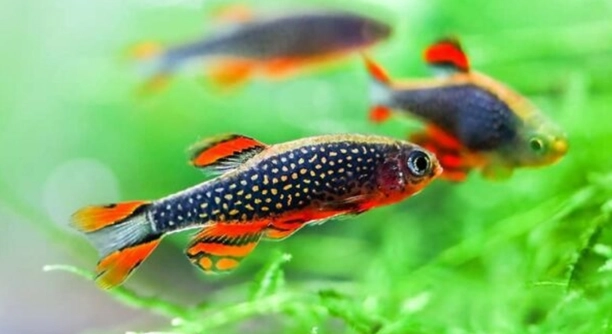
Many aquarium owners enjoy keeping danios for their lively behavior and bright colors. These small fish are generally hardy, but there are times when it is best to let them be and avoid interference in their routines.
Danios should be left alone in situations where they are stressed, spawning, establishing territory, or showing natural schooling behavior. Intervening during these periods can disrupt their social structure, health, and overall well-being, potentially causing unnecessary harm or aggression.
Recognizing these moments will help you maintain a peaceful aquarium and support the natural behaviors of your danios in a healthy environment.
When Danios Are Spawning
During spawning, danios become very focused on their reproductive behavior. They may chase each other aggressively or hide among plants to protect eggs. Interfering at this stage can stress the fish and reduce the success of spawning. It is best to observe quietly from a distance and let nature take its course. Sudden movements, tapping on the glass, or trying to move them can disrupt mating rituals and cause unnecessary stress. Providing plenty of hiding spots and maintaining stable water conditions will support their natural behavior. Even minor disturbances, such as adding decorations or rearranging plants, can interrupt spawning patterns. During this time, it’s essential to keep the tank calm, avoid overfeeding, and monitor water parameters closely. The fish are capable of handling this phase without human intervention, and stepping back ensures they remain healthy and reproduce successfully. Respecting these moments will help preserve their natural cycles and reduce aggression among the group.
Spawning danios need space and calm, so avoid handling or adjusting the tank during this period to prevent stress.
Proper timing, minimal interference, and consistent conditions increase the likelihood of successful egg fertilization, hatch rates, and healthy fry growth. Observing quietly also allows owners to enjoy natural behaviors without causing harm.
When They Are Schooling
Danios often move together in groups, showing coordinated swimming patterns that help them feel secure. Observing schooling behavior can be fascinating, but trying to separate or chase them can disrupt the group and increase stress levels.
Schooling is an instinctive behavior that helps danios avoid predators, navigate the tank, and maintain social order. Interfering with the group can lead to panic, erratic swimming, and even injury. It is important to maintain appropriate tank sizes, keep compatible tankmates, and ensure water quality is stable so the fish can school naturally. When fish feel threatened or overcrowded, schooling can break down, leading to stress or aggression. Owners should resist the urge to touch or rearrange them during these moments. Instead, create an environment with plants, decorations, and open swimming space that supports their group movement. Observing schooling behavior quietly allows you to appreciate their natural interactions without causing disturbances that could affect health or social bonds. Minimizing interference preserves their instinctive routines and encourages a balanced, calm aquarium environment.
When They Are Stressed
Danios under stress may hide, swim erratically, or show reduced appetite. It is important not to disturb them further, as human interference can worsen their condition and delay recovery.
Stress in danios can result from sudden changes in water temperature, poor water quality, overcrowding, or aggressive tankmates. Introducing new fish or decorations without proper acclimation can also trigger stress responses. Observing without touching, maintaining stable water parameters, and ensuring a calm environment are essential steps to help them recover. Overhandling, chasing, or trying to isolate the stressed fish can create additional tension and prolong their recovery. Providing plenty of hiding spots and reducing noise around the tank allows danios to regain a sense of security. Sometimes, simply leaving the tank alone for a few days is the best way to restore balance and prevent long-term health issues.
Allowing stressed danios to settle without interference supports their immune system and reduces the risk of disease or aggression within the tank.
When They Are Establishing Territory
Danios may display mild aggression or chase other fish while marking their space. Intervening during this process can confuse social hierarchies and trigger prolonged conflict.
Territorial behavior is common in crowded tanks or when new decorations are added. Danios naturally establish boundaries to protect feeding areas, resting spots, and spawning zones. Stepping in to separate fish or rearrange the tank during this period can increase tension and stress. Observing quietly, ensuring adequate space, and providing multiple hiding places help reduce aggressive encounters. Water quality and tank size play significant roles in supporting peaceful territorial behavior. Over time, fish usually settle into stable social groups once territories are clearly defined. Allowing this process to occur without human interference encourages a healthier, more balanced tank environment.
Creating sufficient territory and maintaining stability ensures danios can coexist peacefully while minimizing stress-related issues and aggression.
When They Are Eating
Danios focus intensely while feeding. Interrupting them during mealtime can cause stress and prevent them from getting proper nutrition.
Overhandling or tapping the glass while they eat may startle them and disrupt their natural feeding rhythm. Allowing them to feed undisturbed ensures all fish receive adequate food and stay healthy.
When They Are Resting
Danios need periods of rest where they reduce activity and stay near plants or decorations. Disturbing them during rest can increase stress and disrupt their natural sleep patterns. Providing a quiet environment with gentle lighting helps them recover energy and maintain overall health.
When Water Conditions Are Changing
Danios are sensitive to sudden changes in temperature, pH, or ammonia levels. Avoid handling or moving them while water conditions are unstable to prevent stress or illness. Monitoring parameters carefully allows them to adapt safely.
When They Are Molting or Shedding
Some danios may shed outer skin or slime layers during growth or after minor injuries. Interfering can cause stress or slow recovery. It is best to let the process occur naturally while keeping the tank clean and stable.
How do I know if my danios are stressed?
Danios show stress through several clear signs. They may hide more than usual, swim erratically, or show reduced appetite. Color fading, clamped fins, and rubbing against surfaces are additional indicators. Observing their behavior quietly without interference allows you to identify stress early.
Stress often results from sudden changes in water temperature, poor water quality, overcrowding, or aggressive tankmates. Even frequent tapping on the glass or sudden movements around the tank can trigger stress. Maintaining stable water parameters, providing hiding spots, and keeping a calm environment are essential steps. Sometimes, simply giving them space and leaving the tank undisturbed is the most effective way to help stressed danios recover.
Can I move danios while they are spawning?
Moving danios during spawning is not recommended. Spawning involves delicate behaviors, including chasing, hiding, and protecting eggs. Interference can disrupt the mating process, stress the fish, and reduce egg survival rates.
If eggs are already laid, moving the fish or rearranging the tank can destroy eggs or fry. It is better to maintain stable water conditions and leave decorations and plants in place. Observing quietly ensures you don’t inadvertently cause stress or harm. Allowing the fish to complete the process naturally leads to healthier fry and maintains the social dynamics of the group.
Is it safe to separate aggressive danios?
Separating aggressive danios should be done only when aggression threatens health or causes injury. Mild chasing during territory establishment is normal, but prolonged fighting needs intervention.
Providing plenty of space, plants, and hiding spots often reduces aggression naturally. If separation is necessary, use a divider rather than removing the fish entirely from the tank to minimize stress. Monitoring social behavior after separation ensures the group remains balanced and peaceful. Minimizing interference during normal territorial behavior helps danios establish stable hierarchies without ongoing conflict.
How can I support danios during water changes?
Danios are sensitive to sudden changes in water temperature, pH, and chemical composition. Gradual adjustments are critical. Adding new water slowly and matching temperature and pH helps prevent shock.
During water changes, avoid handling or chasing the fish. Ensure the new water is conditioned and free of chlorine or heavy metals. Maintaining regular partial water changes and stable conditions supports their immune system, reduces stress, and promotes overall health. A consistent routine keeps danios calm and allows them to adjust naturally to their environment.
What should I do if my danios are schooling tightly?
Tight schooling is a normal behavior indicating safety or mild stress. Avoid interfering, as trying to separate them can create panic and increase stress.
Ensure the tank has adequate space, stable water parameters, and compatible tankmates. Observing quietly allows you to enjoy their behavior without causing harm. Over time, as they feel secure, schooling patterns will stabilize naturally.
Can I feed danios during stress or molting?
Feeding should continue, but avoid overfeeding. Danios may eat less when stressed or shedding, which is normal. Provide small amounts and ensure food reaches all fish.
Maintaining clean water and stable conditions is more important during these times than changing feeding routines. Proper nutrition supports recovery, energy levels, and overall health. Avoid handling or disturbing the tank while feeding to reduce stress and allow natural behaviors to continue.
How do I know if a danio’s territory is established?
Territory is usually established when chasing and mild aggression decrease. Fish begin to patrol certain areas and interact more calmly with others.
Providing multiple hiding spots, decorations, and plants helps reduce conflicts and lets each fish claim a space. Once territories are set, the group becomes more stable, and aggressive behaviors are minimized. Respecting this period without interference ensures healthy social structures and a peaceful tank.
When should I contact a vet or expert?
If stress signs persist, aggression results in injury, or fish show signs of disease, professional advice is needed.
Symptoms like continuous hiding, faded colors, labored breathing, or abnormal growths indicate health issues beyond normal behavior. Prompt consultation ensures proper treatment and prevents worsening conditions. Maintaining regular observation and clean tank conditions reduces risk, but knowing when to seek help is essential for long-term health.
How do I maintain a calm environment for danios?
Keep noise and sudden movements around the tank to a minimum. Avoid tapping on the glass or frequent rearranging of decorations.
Stable lighting, clean water, adequate hiding spots, and consistent feeding routines support natural behavior. Minimizing disruptions allows danios to school, feed, and rest without unnecessary stress, promoting overall well-being and longevity.
Danios are lively, hardy fish, but they still require careful observation and a calm environment to thrive. Understanding when to leave them alone is essential for their health and natural behavior. Interfering at the wrong time, such as during spawning, resting, or establishing territory, can cause stress and disrupt their routines. Stress can lead to weakened immune systems, changes in appetite, and even aggression within the tank. By giving danios space during these sensitive periods, you allow them to maintain their natural cycles, feel secure, and interact with their tankmates in a healthy way. Watching quietly and avoiding unnecessary handling are simple steps that make a big difference.
Creating a stable environment helps danios feel safe and reduces the need for human intervention. Consistent water parameters, proper tank size, and suitable decorations give them the resources to thrive on their own. When they are feeding, schooling, or resting, small disturbances can escalate into stress or aggressive behavior. Providing plants, hiding spots, and gentle lighting encourages natural behaviors without interference. Even minor adjustments, like moving decorations or tapping the glass, can have a significant impact on sensitive fish. Maintaining a routine that supports their natural instincts ensures that the tank remains peaceful and that all the fish are healthy. Over time, this allows the danios to establish stable social hierarchies and interact without conflict.
Respecting these boundaries also benefits the overall aquarium environment. Healthy, stress-free danios are more active, vibrant, and responsive, which creates a more enjoyable viewing experience. Leaving them alone when needed teaches patience and observation skills for the owner, while the fish continue to live according to their natural instincts. By monitoring their behavior without unnecessary interference, you can anticipate problems before they escalate, from territorial disputes to stress-related illnesses. Simple actions, like maintaining clean water, providing proper nutrition, and giving them space during key activities, go a long way. Allowing danios to handle their own social and biological needs promotes long-term health, reduces conflict, and creates a more harmonious aquarium. Over time, this approach not only supports the fish but also builds a better understanding of their natural behavior, helping owners make informed care decisions.

Hello,
If you enjoy the content that we create, please consider saying a "Thank You!" by leaving a tip.
Every little bit helps us continue crafting quality advice that supports the health, happiness, and well-being of pets around the world, for pets of all shapes, sizes, and species.
We really appreciate the kindness and support that you show us!