
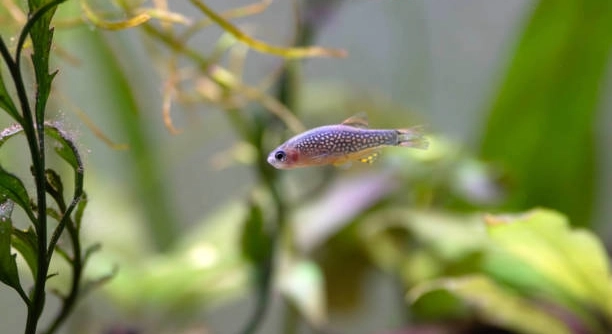
Are your Danios swimming in a tank that feels chaotic or uneven? Maintaining a harmonious group can make a big difference in both their health and the overall beauty of your aquarium. Observing their interactions is key.
A balanced Danio group is characterized by consistent social behavior, stable hierarchy, and uniform activity levels. Proper group composition reduces stress, minimizes aggression, and promotes natural schooling patterns, ensuring the fish thrive in a well-maintained aquatic environment.
Knowing these traits can help you create a thriving Danio community that is both lively and harmonious in your tank.
Consistent Activity Levels
Danios are active fish that thrive on movement. In a balanced group, you will notice that most individuals swim at a similar pace, exploring the tank without chasing or hiding excessively. Too much variation in energy can indicate stress or imbalance. A cohesive group will follow similar patterns, from feeding times to play around decorations. Observing activity levels over a week gives a clearer picture, as temporary fluctuations are normal. When all fish are moving in harmony, they use the space efficiently, reducing territorial disputes and ensuring every member gets access to food. Even minor differences in swimming habits can affect the group dynamic over time. Maintaining proper tank conditions, like clean water and adequate hiding spots, supports consistent activity. Lighting and temperature also play a role, as sudden changes can temporarily disrupt movement patterns. Keeping these factors stable promotes a healthy and active Danio group.
Balanced activity helps prevent injuries and stress, supporting the overall health of the group.
Regularly monitoring movement allows you to spot early signs of illness or social tension. Adjusting tank conditions keeps the group thriving and maintains natural behavior patterns.
Stable Social Hierarchy
A stable hierarchy reduces fighting and ensures that each Danio knows its place. Observing which fish assert dominance and which stay more reserved provides insight into the group balance.
A strong hierarchy promotes safety and predictability, which prevents unnecessary aggression. Fish that recognize their rank are less likely to challenge others, creating a calmer environment.
If a hierarchy is unstable, aggressive encounters increase and weaker fish may become stressed or hide excessively. In a balanced Danio group, dominant and subordinate roles are clearly established but not overly rigid, allowing for smooth schooling and cooperative swimming. Introducing new fish requires careful observation, as they can disrupt the existing order. Proper tank size, decorations, and hiding spaces support a stable social structure by reducing competition for territory. Over time, as the group adapts, you will see fewer chases and nips, with all fish engaging in regular swimming and feeding routines. Supporting this balance ensures both the health and happiness of every Danio in the tank.
Minimal Aggression
Aggression in Danios is often a sign of imbalance. A well-adjusted group shows minimal chasing or nipping, allowing all fish to swim freely without stress or injury.
Excessive aggression can result from overcrowding, incompatible tank mates, or uneven feeding. In a balanced group, dominant fish establish their place quickly and subordinate fish accept it, reducing conflict. Providing hiding spots and plants helps diffuse tension by giving timid fish space to retreat. Monitoring behavior over several days ensures that aggression is controlled and not situational. Feeding small amounts frequently keeps food competition low, which also minimizes fights.
When aggression is low, fish focus on schooling, exploring, and eating. This creates a calmer environment that supports health, reduces stress-related illness, and allows all members of the group to thrive in the same space without fear of injury or constant harassment.
Uniform Size and Age
Having Danios of similar size and age helps maintain group harmony. Large disparities can trigger bullying or uneven competition for resources, disrupting balance.
When all fish are roughly the same size, schooling is more cohesive, and no fish dominates feeding or territory. Younger or smaller fish can be overwhelmed in a mixed-size group, increasing stress and potential for injury. A consistent age and size range encourages smoother interactions, where fish can swim, feed, and explore together without disruption. This also simplifies tank management, as water requirements and feeding needs are more uniform. Maintaining a balanced group in terms of size ensures healthier development and reduces social stress.
Adding new fish should be done carefully, ideally matching the size and age of the existing group. Sudden introduction of larger or younger fish can upset the social structure, leading to increased aggression or hiding. Over time, keeping uniformity in size supports stability, making the tank environment predictable and safe for all Danios.
Healthy Coloration
Healthy Danios display vibrant, consistent colors. Dull or patchy scales can indicate stress, illness, or poor water conditions.
Balanced groups tend to maintain their natural coloration, as reduced stress allows proper pigment expression. Observing colors regularly helps identify potential issues early.
Active Schooling
Danios naturally swim in coordinated groups. Balanced groups maintain tight, synchronized schooling, moving together across the tank without leaving individuals behind. This behavior reduces stress and improves safety while enhancing the visual appeal of the aquarium. Regular observation ensures the group remains cohesive and alert.
Even Feeding
All Danios in the group should eat evenly. Unequal feeding can lead to weaker fish and social tension, disrupting the group balance.
FAQ
How many Danios should I keep together?
A minimum of six Danios is recommended to maintain natural schooling behavior. Smaller groups can become stressed, show aggression, or display irregular swimming patterns. Keeping at least six allows the fish to establish a stable social hierarchy and move cohesively without leaving individuals isolated.
Can I mix Danios with other fish species?
Yes, but choose compatible tank mates. Danios are active and sometimes boisterous, so avoid very slow or timid fish. Species with similar size and temperament, like other small, fast-moving community fish, tend to coexist well without triggering stress or territorial disputes.
What tank size is suitable for a Danio group?
A 20-gallon tank or larger is ideal for a group of six or more. Adequate space allows for schooling, exploration, and the establishment of territories, reducing aggression and stress. Providing enough room also makes feeding and maintenance easier.
How often should I feed my Danios?
Feed small amounts two to three times daily. Overfeeding can pollute the water, while underfeeding may cause competition and aggression. A balanced diet of high-quality flakes, pellets, and occasional live or frozen foods supports growth, coloration, and overall health.
How can I tell if my Danios are stressed?
Signs of stress include hiding, erratic swimming, faded colors, and increased aggression. Water quality, overcrowding, or incompatible tank mates are common causes. Observing behavior and making adjustments, like improving filtration, adding hiding spots, or correcting social imbalances, helps reduce stress.
Do Danios need a specific water temperature?
Yes, they thrive in temperatures between 64–75°F (18–24°C). Stable temperature supports metabolism, activity, and schooling behavior. Sudden changes can disrupt group harmony, trigger stress, and make fish more susceptible to illness. Consistent monitoring is essential.
How can I maintain a stable hierarchy?
Observe interactions carefully and ensure enough space for dominant and subordinate fish to coexist. Avoid overcrowding and provide plants or decorations for retreat. Avoid sudden introductions of new fish that may disrupt the existing social order.
Can Danios live long in a home aquarium?
With proper care, Danios can live 3–5 years. Maintaining a balanced group, stable water parameters, and a nutritious diet contributes to longevity. Reducing stress and minimizing aggression also helps prevent disease and early mortality.
Is it necessary to quarantine new Danios?
Yes, quarantining new fish for at least two weeks helps prevent disease spread. Monitor for parasites, unusual behavior, or discoloration before introducing them to an established group. This protects the health of both new and existing fish.
What decorations are best for a Danio tank?
Use a mix of open swimming space and hiding spots. Plants, rocks, and driftwood provide shelter and reduce tension. Avoid overcrowding, which can increase aggression and prevent proper schooling. Balance visibility and security to keep the group comfortable.
How often should I clean the tank?
Perform partial water changes of 20–30% weekly. Remove debris, vacuum the substrate, and monitor water parameters. Maintaining clean water reduces stress, prevents illness, and supports natural behavior, allowing the group to stay active and harmonious.
Can I breed Danios in a community tank?
Breeding in a community tank is possible but can be challenging. Eggs may be eaten by other fish. Separate breeding tanks with appropriate conditions improve survival rates and reduce stress on the adult group.
What are common signs of disease in Danios?
Look for white spots, frayed fins, lethargy, or rapid breathing. Early detection is crucial. Quarantine affected fish, improve water quality, and consider appropriate treatment to prevent spread and maintain group balance.
How do I prevent bullying in a Danio group?
Ensure uniform size and age, provide enough space, and avoid overcrowding. Adding hiding spots and distributing food evenly reduces competition. Regular observation helps identify aggressive behavior before it becomes a serious problem.
Can Danios adapt to different lighting conditions?
Yes, but moderate, consistent lighting is best. Sudden changes can cause stress and disrupt schooling behavior. A natural day-night cycle helps maintain regular activity and color vibrancy in the group.
How do I introduce new Danios to an established group?
Float the bag in the tank for 15–20 minutes to acclimate to temperature. Gradually mix tank water into the bag before release. Introduce one or two fish at a time to minimize stress and avoid upsetting the social structure.
What is the best way to monitor group balance?
Watch schooling behavior, feeding patterns, aggression levels, and coloration. Regular observation identifies early signs of imbalance or stress. Maintaining consistent water conditions, tank size, and compatible tank mates helps sustain a healthy, harmonious group.
Are Danios sensitive to water parameters?
They are moderately tolerant but thrive in stable, clean water. pH between 6.5–7.5 and low ammonia or nitrate levels are essential. Sudden changes can trigger stress, reduce activity, or provoke aggression. Consistent testing ensures group stability and health.
How do I encourage natural schooling behavior?
Keep at least six Danios together in a tank with open swimming areas. Avoid overcrowding and maintain similar sizes. Minimal aggression and proper feeding support cohesive, synchronized movement throughout the tank.
Can Danios live with plants?
Yes, live plants provide shelter, reduce stress, and encourage exploration. Hardy plants like Java fern or Anubias are ideal. Plants help maintain water quality and create a more natural environment for a balanced, active group.
What is the ideal water flow for Danios?
Moderate water flow mimics natural streams and keeps them active. Too strong a current can stress fish, while stagnant water may reduce swimming activity. Adjust filters to create a balanced environment that promotes schooling and exploration.
How do I recognize a balanced Danio group?
They swim together in harmony, show minimal aggression, maintain healthy coloration, eat evenly, and display consistent activity levels. Balanced groups establish stable hierarchies, adapt to tank conditions, and maintain overall health without persistent stress.
What steps help maintain long-term group stability?
Monitor behavior, maintain consistent water quality, feed appropriately, and avoid sudden changes in tank conditions. Regularly check for disease, aggression, or stress signs. Supporting a stable hierarchy and cohesive schooling ensures the group remains balanced for years.
How important is tank size for group balance?
Tank size directly affects stress levels, aggression, and schooling behavior. A larger tank provides space for exploration and territory establishment, reducing tension and promoting natural movement patterns, which supports overall group harmony.
Can Danios tolerate community tank noise?
They are relatively tolerant, but excessive disturbances can trigger stress. Keep the environment calm and avoid frequent tapping or sudden movements near the tank to maintain a balanced, comfortable group.
Do Danios need hiding spots?
Yes, even active fish benefit from shelter. Plants, rocks, or decorations give timid individuals space to retreat, reducing stress and aggression. Hiding spots help maintain stable group dynamics and overall health.
How can I tell if feeding is balanced?
Observe that all fish are eating evenly without dominating the food source. Consistent feeding times, small portions, and attention to individual behavior help prevent competition and support group harmony.
Are Danios sensitive to overcrowding?
Yes, overcrowding increases aggression, stress, and disease risk. Maintaining proper stocking density allows natural schooling, stable hierarchies, and healthier interactions among all fish. Proper planning prevents imbalance and ensures a thriving group.
What role does water temperature play in group balance?
Stable temperatures support metabolism, activity, and schooling behavior. Sudden fluctuations can disrupt hierarchy, provoke aggression, and reduce feeding efficiency. Maintaining a consistent range ensures the group remains healthy and cohesive.
How do I manage new introductions over time?
Introduce new fish slowly, match size and age, and observe interactions closely. Gradual acclimation minimizes disruption, preserves hierarchy, and maintains overall group stability. Avoid adding multiple fish at once to prevent aggression and stress.
Can I use tank mates to influence Danio behavior?
Compatible tank mates can encourage schooling and reduce aggression by sharing activity space. Avoid slow or territorial species that may hinder movement or trigger stress, which can disrupt group balance.
What common mistakes affect group stability?
Overcrowding, mismatched sizes, poor water quality, inconsistent feeding, and sudden introductions are frequent causes. Correcting these factors and monitoring behavior supports a balanced, healthy Danio group.
How can I tell if the hierarchy is healthy?
Minimal aggression, clear social roles, and cohesive schooling indicate a stable hierarchy. Dominant and subordinate fish interact predictably, allowing all members to feed and move freely without excessive stress or conflict.
What signs indicate a cohesive school?
Synchronized swimming, minimal isolation, even spacing, and coordinated movement show a cohesive school. Fish respond similarly to feeding and changes in the environment, demonstrating a well-balanced group.
Do Danios benefit from group enrichment?
Yes, plants, decorations, and open swimming space stimulate activity and reduce boredom. Enrichment encourages natural behavior, supports schooling, and helps maintain a balanced social structure.
How do I correct imbalance in a Danio group?
Identify the cause, such as aggression, size differences, or water quality. Adjust tank conditions, separate problematic individuals, and ensure proper feeding. Gradual changes help restore harmony and maintain long-term group health.
What are early warning signs of imbalance?
Frequent chasing, hiding, uneven feeding, faded colors, and irregular swimming are indicators. Addressing these signs quickly prevents stress, injury, and potential illness within the group.
How important is regular observation?
Daily monitoring allows early detection of stress, illness, or aggression. Consistent observation ensures quick intervention, helping the group remain balanced and healthy over time.
Can Danios recover from temporary stress?
Yes, with proper care, stable water conditions, and minimal aggression, temporary stress can be reversed. Observing behavior and providing consistent support helps the group regain balance quickly.
How do I prevent disease outbreaks?
Maintain clean water, quarantine new fish, feed appropriately, and monitor behavior. Healthy, stress-free Danios are less susceptible to illness, preserving group balance and long-term well-being.
Are Danios compatible with planted tanks?
Yes, plants provide shelter, reduce stress, and improve water quality. Balanced groups use plants for retreat without disrupting schooling behavior, contributing to a healthier environment overall.
What role does water chemistry play in behavior?
Stable pH, hardness, and low toxins support natural behavior and reduce stress. Fluctuations can disrupt hierarchy, increase aggression, and reduce feeding efficiency, destabilizing the group.
Can I keep a Danio group long-term?
Yes, with proper care, balanced composition, and attention to water quality, feeding, and hierarchy, Danios can thrive for several years while maintaining healthy social interactions.
How do I know if my group is thriving?
Active schooling, healthy colors, minimal aggression, even feeding, and stable hierarchies indicate a thriving group. Consistent observation ensures these behaviors continue, supporting long-term health and balance.
What steps ensure all Danios remain healthy?
Provide stable water conditions, a nutritious diet, sufficient space, hiding spots, and compatible tank mates. Regular observation allows early intervention, ensuring each fish contributes to a balanced, harmonious group environment.
Is it better to breed Danios in a separate tank?
Yes, breeding in a dedicated tank protects eggs and fry from adults. This prevents disruption to the main group and maintains long-term stability while supporting healthy offspring.
How can I reduce social stress in a group?
Maintain uniform size, provide enough space, hide decorations, and feed consistently. Observing interactions helps prevent dominance disputes and keeps the group balanced.
Can seasonal changes affect Danio behavior?
Yes, temperature and light fluctuations can temporarily alter activity, feeding, and schooling patterns. Maintaining stable conditions minimizes stress and supports consistent group dynamics.
Do Danios recognize tank mates?
They form social recognition over time. Stable groups develop predictable interactions, reducing aggression and promoting cohesive schooling. Introducing new fish disrupts recognition temporarily.
What is the best way to monitor health long-term?
Regularly check behavior, coloration, activity levels, and feeding patterns. Consistent observation allows early detection of stress or illness, helping maintain a balanced and thriving Danio group.
How do I support shy or timid individuals?
Provide hiding spots, sufficient swimming space, and gradual acclimation. Timid fish thrive when they feel secure and can avoid aggressive encounters, contributing to overall group balance.
Can Danios live peacefully in mixed-sex groups?
Yes, but maintain sufficient numbers and space to prevent dominance conflicts. Balanced sex ratios support natural breeding behavior without disrupting hierarchy or cohesion.
How often should I test water parameters?
Weekly testing of pH, ammonia, nitrite, and nitrate helps maintain stable conditions. Consistent monitoring supports behavior, health, and overall group stability.
Are Danios affected by sudden lighting changes?
Yes, abrupt shifts can trigger stress, reduce activity, and disrupt schooling. Gradual transitions or timers help maintain natural behavior and group balance.
Do decorations influence social behavior?
Yes, providing hiding spots and open swimming areas reduces aggression and encourages schooling. Properly arranged decorations support both exploration and hierarchy stability.
How do I maintain color vibrancy?
Provide a balanced diet, stable water, and low-stress environment. Healthy, unstressed Danios display brighter, consistent colors, indicating good group balance and overall well-being.
What is the role of oxygenation in a balanced group?
Adequate oxygen supports activity, schooling, and feeding. Insufficient oxygen can cause lethargy, stress, and increased aggression, disrupting group dynamics. Proper aeration ensures all fish remain healthy.
Can sudden feeding changes affect behavior?
Yes, abrupt changes in diet or feeding schedule can increase competition and stress. Gradual adjustments maintain stability and prevent imbalance within the group.
How do I know if aggression is normal or harmful?
Occasional nips during hierarchy establishment are normal. Persistent chasing, injury, or hiding indicates harmful aggression that must be addressed to maintain group harmony.
Do Danios need companions for mental stimulation?
Yes, they are social fish. Companionship promotes natural schooling, reduces stress, and prevents boredom, supporting healthy interactions and long-term balance.
How important is water movement for stress reduction?
Moderate flow mimics natural streams, encouraging activity and reducing tension. Stagnant water can increase aggression, while strong currents may exhaust fish, both affecting group balance.
Can Danios recover from imbalance caused by overcrowding?
Yes, by reducing numbers, improving tank conditions, and providing hiding spots. Recovery allows hierarchy and schooling to stabilize, restoring health and social harmony.
How do I keep feeding fair in larger groups?
Distribute food evenly, feed in multiple locations, and observe behavior. Ensuring all fish access food prevents stress, aggression, and uneven growth, maintaining group balance.
What is the impact of poor water quality on schooling?
Dirty or unstable water can disrupt movement, increase aggression, and reduce cohesion. Maintaining clean, stable conditions supports natural behavior and a harmonious group.
How can I identify a dominant fish without conflict?
Watch which fish consistently leads in swimming and feeding patterns. A clear but non-aggressive leader indicates a balanced hierarchy, supporting peaceful group interactions.
Do Danios benefit from seasonal light cycles?
Yes, consistent day-night cycles support activity, feeding, and coloration. Predictable lighting helps maintain schooling and reduces stress-related behavior changes.
How do I support a new fish in an established group?
Provide gradual introduction, matching size, and observation. Hiding spots and slow acclimation allow the new fish to integrate without disrupting social balance.
Can water hardness affect behavior?
Yes, extreme hardness can stress fish, altering activity and aggression. Maintaining moderate, stable hardness promotes schooling and overall harmony.
How often should I observe interactions?
Daily observation helps catch early signs of aggression, stress, or illness. Regular monitoring ensures the group remains balanced, healthy, and active.
Can Danios live in unplanted tanks?
Yes, but adding plants improves shelter, reduces stress, and encourages natural behavior. Even minimal planting supports group balance without restricting swimming space.
What is the effect of irregular feeding times?
Skipping or delaying meals can increase competition, stress, and aggression. Consistent feeding schedules support natural behavior and social stability.
Do all Danios in a group need equal attention?
Yes, monitoring each fish ensures health, proper growth, and balanced behavior. Neglecting individuals can create stress or aggression, affecting overall group harmony.
How can I prevent size-based bullying?
Maintain similar sizes within the group and introduce new fish carefully. Providing hiding spaces and evenly distributed food reduces dominance disputes and protects smaller fish.
Are Danios sensitive to chemical cleaners?
Yes, residues can stress or harm fish. Avoid strong chemicals near the tank and rinse equipment thoroughly to protect health and group balance.
What is the role of temperature stability in schooling?
Consistent temperatures maintain activity levels and synchronized movement. Fluctuations can disrupt cohesion, reduce feeding efficiency, and increase stress.
Can Danios live in slightly brackish water?
They tolerate minor salinity but prefer freshwater. Excess salinity can cause stress, affecting behavior, coloration, and group dynamics.
How do I correct uneven feeding in a group?
Feed small portions in multiple locations, monitor behavior, and adjust as needed. This prevents dominance, supports growth, and maintains harmony.
Do Danios require any social hierarchy enforcement?
No, a stable group self-establishes hierarchy. Providing adequate space, hiding spots, and consistent conditions allows natural order without interference.
Can sudden tank rearrangement cause stress?
Yes, abrupt changes in decorations or layout can disrupt schooling and hierarchy. Gradual adjustments minimize stress and maintain group balance.
How do I know if water flow is too strong?
Fish struggling to swim or constantly hiding indicate excessive current. Adjusting filter output allows natural schooling and reduces stress.
Do Danios recognize consistent feeding routines?
Yes, predictable feeding times reduce competition and stress. Routine supports balanced growth, proper activity, and group cohesion.
How long does it take for a new fish to integrate?
Integration varies, typically 1–2 weeks. Gradual acclimation, monitoring, and proper tank conditions support smooth adaptation into the established group.
Are Danios affected by sudden temperature drops?
Yes, rapid cooling can stress fish, disrupt schooling, and increase aggression. Gradual adjustments prevent imbalance and maintain healthy group behavior.
Can overfeeding affect group dynamics?
Yes, excess food encourages competition, fouls water, and increases aggression. Balanced portions support health, proper activity, and harmonious interactions.
What is the effect of bright lighting on Danios?
Intense light can stress fish, causing hiding or erratic movement. Moderate, consistent lighting promotes
Maintaining a balanced Danio group requires attention to both individual fish and the group as a whole. Observing behavior regularly is essential, as subtle changes can signal stress, aggression, or illness before they become serious problems. A harmonious group displays consistent activity levels, cohesive schooling, minimal aggression, and healthy coloration. Each Danio contributes to the overall balance, and understanding the way they interact allows you to provide the right environment for them to thrive. Providing sufficient space, hiding spots, and uniform conditions helps the group maintain stability. Even minor disruptions, such as introducing a new fish or sudden changes in temperature or water quality, can impact the group dynamic, so careful monitoring is always necessary. Attention to these details ensures that all fish remain active, healthy, and comfortable, supporting a natural and peaceful aquarium environment.
Diet and feeding practices play a crucial role in keeping a group of Danios balanced. Unequal feeding or competition for food can lead to stress, aggression, or slower growth in weaker fish. Providing small portions multiple times a day allows all individuals to access food without conflict. Including a varied diet of high-quality flakes, pellets, and occasional live or frozen food supports growth, coloration, and overall health. Proper nutrition not only maintains individual health but also reinforces social harmony by reducing competition and aggression. Alongside feeding, maintaining clean water conditions, stable temperatures, and a moderate water flow creates an environment that promotes natural behavior and reduces stress. Tank maintenance, combined with attentive feeding practices, ensures that each fish remains strong and contributes positively to the group dynamic. Over time, consistent care helps the group settle into a rhythm where hierarchy, schooling, and social behavior are balanced and predictable.
Long-term success with a Danio group depends on understanding the factors that influence social structure, activity, and health. Regular observation allows early detection of stress or illness, while careful management of tank conditions preserves the harmony of the group. Introducing new fish should always be done gradually, with attention to size and temperament, to prevent disruption of the existing social order. Similarly, maintaining uniformity in age, size, and activity levels reduces competition and supports cohesive schooling. Decorations, plants, and open swimming areas provide both security and freedom for exploration, further promoting natural behavior. By keeping aggression low, ensuring even feeding, and maintaining clean, stable water conditions, the Danio group can thrive for years. Understanding and meeting their needs fosters a lively, healthy, and balanced environment that benefits every individual fish and enhances the enjoyment of your aquarium.

Hello,
If you enjoy the content that we create, please consider saying a "Thank You!" by leaving a tip.
Every little bit helps us continue crafting quality advice that supports the health, happiness, and well-being of pets around the world, for pets of all shapes, sizes, and species.
We really appreciate the kindness and support that you show us!