
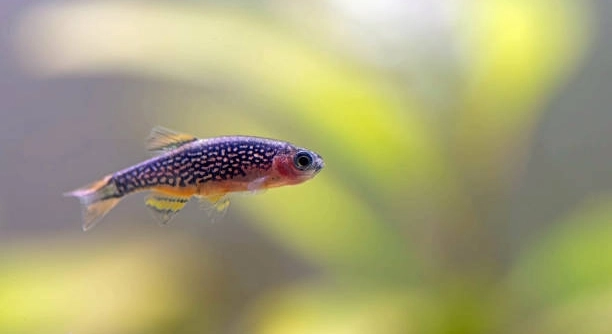
Do your danios sometimes seem restless or swim erratically, leaving you unsure about their well-being? Maintaining a calm environment for these small fish can help them thrive and remain healthy over time.
The key to keeping danio stress low involves monitoring water quality, maintaining proper temperature, providing sufficient space, offering balanced nutrition, minimizing sudden changes, ensuring compatible tank mates, and observing daily behavior for early signs of distress.
Understanding these basic checks will help you create a more stable and comfortable environment for your danios, supporting their long-term health and natural behavior in the aquarium.
Monitor Water Quality Regularly
Keeping your danios in clean water is essential for their health. Test ammonia, nitrite, and nitrate levels at least once a week. Regular partial water changes of 20–30% help maintain stability and reduce stress. Using a reliable water conditioner ensures chlorine and heavy metals are removed. Sediment or leftover food should be siphoned from the tank to prevent contamination. Avoid overfeeding, as uneaten food can quickly degrade water quality. Keep a consistent schedule for checking filters and cleaning them when needed, but do not remove all beneficial bacteria. Small fluctuations in pH or hardness can stress danios, so gradual adjustments are better than sudden changes. Proper monitoring creates a stable environment, allowing your fish to behave naturally and reduce anxiety caused by poor conditions. Observing water clarity and fish behavior can also indicate when additional measures are needed to maintain optimal health.
Maintaining clean water ensures your danios remain active, healthy, and stress-free while reducing the risk of illness or unusual behavior.
Even minor water quality issues can impact swimming patterns, appetite, and color. By keeping a routine, you can detect problems early and respond quickly. Monitoring parameters like pH, temperature, and nitrates allows for adjustments before stress becomes severe. Consistent water changes and filter maintenance build a reliable environment, promoting natural behavior and growth. A stable habitat minimizes sudden stress responses, helping danios interact normally with tank mates. Overfeeding and uneaten food are common sources of toxins, so removing leftovers promptly is critical. Testing water regularly provides peace of mind, while daily observation ensures fish remain healthy. Keeping logs of water parameters can reveal trends and prevent recurring issues. With careful attention, your danios can thrive without unnecessary stress, and maintaining the tank becomes straightforward. Consistency is key, as frequent but gentle maintenance supports both their physical and behavioral well-being.
Maintain Proper Temperature
Danios are sensitive to temperature changes. Keeping the tank stable within 72–78°F is ideal. Sudden shifts can trigger stress and weaken immunity.
Temperature fluctuations can cause erratic swimming and reduce appetite. Use a reliable heater and thermometer to monitor consistently.
A stable temperature is crucial for metabolic and immune functions. If the water drops too low, danios may become sluggish and prone to disease, while higher temperatures increase oxygen demand and stress. Avoid placing the tank near windows, heaters, or air conditioners that can cause rapid shifts. Gradual acclimation is necessary when moving fish between tanks. For larger aquariums, multiple heaters or circulation systems can help maintain uniform temperature. Monitoring daily allows quick intervention if readings drift. Maintaining consistency ensures proper digestion, growth, and breeding behavior, keeping your danios active and calm. Small changes over time are preferable to abrupt adjustments, which can cause lasting stress. Proper temperature management supports both long-term health and vibrant coloration, enhancing their natural appearance. A well-regulated tank prevents behavioral issues like hiding, darting, or aggression, making it easier to enjoy their lively movements.
Provide Sufficient Space
Overcrowding causes stress and aggressive behavior. Danios need at least 10 gallons for a small group, with extra space improving movement and social interaction.
Enough swimming space allows danios to school naturally, reducing stress and competition. Crowded tanks limit oxygen and increase waste buildup, which can harm their health. A spacious tank encourages active behavior, natural schooling, and exploration. Proper layout with plants and open areas helps them feel secure and reduces hiding due to stress.
When arranging the tank, balance decorations, hiding spots, and open swimming areas. Avoid overpopulating with too many fish at once. Monitoring fish interactions helps identify potential issues early. Adding extra space for each additional fish ensures consistent growth and reduces conflict. Schooling behavior depends on space, so the tank size directly impacts stress levels. Proper tank planning and attention to stocking density will support calmer, healthier danios over time, maintaining their vibrant colors and active behavior throughout the aquarium.
Offer Balanced Nutrition
Feeding high-quality, varied food keeps danios healthy. Include flakes, frozen, and live options to meet their nutritional needs and prevent deficiencies.
A balanced diet supports growth, immunity, and energy. Overfeeding leads to water pollution and stress, while underfeeding weakens fish and affects behavior. Rotate food types to provide essential nutrients.
Consistency in feeding schedule is crucial for reducing stress. Feed small portions two to three times daily, observing how quickly they eat. Remove uneaten food to maintain water quality. Live foods such as brine shrimp or daphnia can encourage natural hunting instincts and activity, keeping danios engaged. High-quality flakes or pellets ensure vitamins and minerals are provided, supporting overall health. A varied diet prevents monotony and helps maintain bright coloration. Avoid sudden changes in food type, as this can upset digestion. With careful feeding habits, danios remain energetic, resilient, and visually vibrant, reflecting a well-maintained tank environment.
Minimize Sudden Changes
Sudden changes in lighting, water, or decorations can stress danios. Keep adjustments gradual and consistent to help them adapt without panic.
Consistency in routine reduces fear and erratic behavior. Small, predictable changes maintain a calm environment, preventing unnecessary stress and health issues.
Ensure Compatible Tank Mates
Aggressive or overly active fish can stress danios. Select peaceful, similarly sized species to maintain harmony. Schooling fish like danios thrive with companions that do not compete aggressively for food or territory. Monitoring interactions daily helps catch early signs of conflict before it escalates. Proper pairing encourages natural behavior, social swimming, and reduces hiding or darting caused by stress. Observing each species’ tendencies ensures the tank remains balanced, safe, and calm for all inhabitants, supporting both physical and emotional well-being.
Observe Daily Behavior
Regular observation allows early detection of stress or illness. Watch swimming patterns, appetite, and color for any unusual signs.
How can I tell if my danios are stressed?
Signs of stress in danios include erratic swimming, hiding excessively, loss of appetite, faded color, and frayed fins. They may also cling near the water surface or gasp frequently. Observing their normal behavior daily makes it easier to notice changes early, allowing timely action to prevent worsening stress. Stress can weaken immunity, making fish more susceptible to illness.
What is the ideal tank size for danios?
A minimum of 10 gallons is recommended for a small group, with at least 2 gallons added per extra fish. Overcrowding leads to aggression, poor water quality, and increased stress. Sufficient space allows schooling behavior, natural swimming patterns, and healthier interactions among tank mates.
How often should I check water parameters?
Testing ammonia, nitrite, nitrate, and pH weekly is crucial. Temperature should be monitored daily. Consistent water quality prevents stress and disease. Partial water changes of 20–30% weekly maintain stability. Avoid sudden changes in parameters, as danios adapt better to gradual adjustments.
What foods are best for danios?
Provide a balanced diet of high-quality flakes, pellets, and occasional live or frozen foods like brine shrimp or daphnia. Rotating food types ensures proper nutrition and prevents deficiencies. Overfeeding should be avoided, as uneaten food pollutes water and increases stress levels. Feed small portions two to three times daily.
Can danios live with other fish?
Yes, but choose peaceful, similarly sized species. Avoid aggressive or territorial fish that may stress danios. Proper tank mates encourage schooling behavior, social interaction, and reduce hiding or erratic swimming. Monitor interactions daily to prevent conflict. Compatible companions maintain a calm and balanced tank environment.
How do I prevent sudden stress in the tank?
Keep lighting, temperature, and decorations consistent. Introduce changes gradually. Avoid tapping the glass, loud noises, or sudden water movements. Stress triggers can weaken immunity and alter behavior. Routine maintenance and gentle adjustments support a stable, safe environment, helping danios remain calm and active.
How important is observing daily behavior?
Daily observation is essential to catch early signs of stress or illness. Check swimming patterns, color, appetite, and interaction with tank mates. Noticing subtle changes allows quick interventions, preventing minor issues from becoming serious problems. Observation also helps track the effectiveness of tank adjustments.
What should I do if water parameters spike unexpectedly?
Perform partial water changes immediately to restore balance. Remove uneaten food and clean filters if necessary. Make adjustments gradually rather than all at once. Continuous monitoring ensures danios recover quickly, minimizing stress and avoiding long-term health impacts.
Can stress affect danio lifespan?
Yes. Chronic stress weakens the immune system, making fish more prone to disease. It can stunt growth, dull coloration, and shorten lifespan. Maintaining optimal water quality, proper diet, compatible tank mates, and stable conditions helps danios live longer, healthier lives.
Are there signs of recovery from stress?
Improved swimming, normal appetite, bright colors, and regular schooling behavior indicate recovery. Fish will explore more and interact naturally with tank mates. Consistent care, stable water, and proper nutrition support stress recovery and promote overall well-being.
How often should I clean the tank?
Partial water changes weekly and filter maintenance as needed keep the environment safe. Avoid complete water replacement or overcleaning, which can remove beneficial bacteria. Cleaning ensures low toxins, proper oxygen levels, and reduces stress for danios.
Is overcrowding the main cause of stress?
It is a major factor but not the only one. Poor water quality, sudden changes, incompatible tank mates, and improper feeding also contribute. Addressing multiple aspects of care is necessary to minimize stress and maintain healthy, active fish.
Can stress cause disease in danios?
Yes. Stress compromises the immune system, increasing susceptibility to infections like fin rot or ich. Preventing stress through proper care and observation reduces the likelihood of disease, keeping danios healthy and lively.
How can I make my tank more comfortable for danios?
Provide open swimming areas, hiding spots, and live or artificial plants. Stable water, a balanced diet, compatible companions, and consistent routines create a calm environment. Adjust decorations gradually and maintain proper temperature and water quality to support natural behavior.
What is the best way to introduce new fish?
Quarantine new fish for at least two weeks before adding them to the main tank. Gradually acclimate them to water parameters. This prevents disease transmission and reduces stress on both new and existing fish. Monitoring interactions after introduction ensures a smooth transition.
How do I manage feeding without stressing danios?
Feed small amounts multiple times daily. Remove uneaten food promptly. Avoid sudden changes in diet. Using varied, high-quality foods ensures nutrition while preventing water contamination and stress, supporting healthy behavior and growth.
Can tank decorations affect stress levels?
Yes. Too few hiding spots or too much clutter can increase anxiety. A balanced layout with open areas for swimming and safe spaces for retreat promotes calm behavior and reduces conflict among tank mates. Observing fish interaction with the environment helps optimize placement.
Are temperature changes a common stress factor?
Absolutely. Danios prefer 72–78°F. Sudden drops or spikes can cause erratic swimming, hiding, or loss of appetite. Use a reliable heater and thermometer, and avoid placing the tank near windows, heaters, or drafts that may cause rapid fluctuations.
How quickly do danios recover from mild stress?
Recovery can occur within a few days if conditions are stabilized, water is clean, diet is appropriate, and tank mates are compatible. Immediate attention to minor stress signs prevents escalation, supporting faster return to normal behavior.
Should I track water parameters over time?
Yes. Logging pH, ammonia, nitrite, nitrate, and temperature helps identify trends, anticipate problems, and maintain a stable environment. Historical records make it easier to respond before stress affects danios’ health and behavior.
Is it necessary to monitor schooling behavior?
Monitoring schooling behavior helps detect stress early. Disrupted schooling, isolation, or erratic swimming signals environmental or health issues. Regular observation ensures social needs are met and the tank remains harmonious.
Can overfeeding cause stress even if water is changed regularly?
Yes. Uneaten food decomposes, producing toxins and affecting water quality. Feeding appropriate portions prevents these issues. Even with regular water changes, excess food creates localized stress and reduces overall health.
How long does it take to stabilize a new tank for danios?
A properly cycled tank usually takes 4–6 weeks to stabilize. Testing water regularly and maintaining gradual adjustments ensures the environment is safe. Patience during this period reduces stress for newly introduced fish.
What should I do if my danios hide constantly?
Check water quality, temperature, tank mates, and feeding. Ensure adequate space and hiding spots. Frequent hiding often indicates stress or illness, so quick investigation and adjustments are necessary to restore calm behavior.
How important is consistent lighting?
Consistent lighting supports natural circadian rhythms. Sudden changes or irregular schedules can cause anxiety, affecting appetite and activity. Using timers ensures predictable light cycles and reduces stress.
Can stress affect reproduction?
Yes. Stressed danios may not breed or may produce weak offspring. Stable conditions, proper diet, adequate space, and low-stress environments are essential for successful breeding and healthy fry.
What role does observation play in stress prevention?
Daily observation detects early changes in behavior, appetite, or appearance. Prompt action prevents escalation. Observing interactions, swimming patterns, and responses to environmental changes is a simple yet powerful tool for maintaining a low-stress tank.
How do I reduce aggression among tank mates?
Provide enough space, hiding spots, and compatible companions. Monitor behavior and separate aggressive individuals if needed. Gradual introductions and stable routines minimize conflicts and maintain a peaceful environment.
Is water hardness a stress factor?
Yes. Extreme hardness or sudden changes can affect metabolism and behavior. Danios adapt best to stable, moderate water conditions. Testing and gradual adjustments prevent stress-related issues.
How can I tell if a diet is causing stress?
Symptoms include reduced appetite, lethargy, or unusual swimming. Introducing a balanced, varied diet gradually and observing responses helps identify potential problems and supports overall health.
Does tank size alone prevent stress?
No. While space is important, water quality, compatible tank mates, diet, temperature, and consistent care collectively determine stress levels. Addressing all factors ensures a healthy, low-stress environment.
How often should I rotate foods?
Rotating foods weekly or biweekly provides a variety of nutrients and prevents boredom. Gradual changes reduce digestive upset and support optimal health, activity, and coloration.
What are the consequences of prolonged stress?
Chronic stress can lead to weakened immunity, disease, stunted growth, poor coloration, and shortened lifespan. Maintaining stable water, proper diet, space, and compatible companions prevents long-term health issues.
Is quarantine essential for new fish?
Yes. Quarantine prevents disease transmission, reduces stress, and allows monitoring of health before introduction. A two-week quarantine is generally recommended for new arrivals.
How do I know if my danios are thriving?
Healthy danios display bright colors, active swimming, schooling behavior, regular appetite, and calm interactions with tank mates. Observing these behaviors consistently indicates low stress and proper care.
Can environmental enrichment reduce stress?
Yes. Plants, hiding spots, open swimming areas, and varied terrain allow exploration, natural behavior, and safe retreats. Proper enrichment reduces anxiety and encourages physical and mental well-being.
Are there signs of stress that are easy to miss?
Subtle signs include slight color fading, reduced schooling cohesion, minor fin clamping, or brief hiding. Careful daily observation ensures these minor changes are addressed before they escalate.
How do I gradually adjust water parameters?
Change temperature, pH, or hardness incrementally over several days. Sudden adjustments shock danios and increase stress. Small steps allow fish to acclimate safely while maintaining stability in the tank.
What is the best way to maintain a low-stress tank overall?
Maintain clean water, stable temperature, sufficient space, compatible companions, balanced diet, gradual changes, and regular observation. Consistent care and attention to detail prevent stress, supporting healthy behavior, vibrant coloration, and longevity for danios.
How can I encourage natural schooling behavior?
Provide enough tank mates, open swimming areas, and calm conditions. Avoid overcrowding or aggressive fish. Observing daily ensures schooling remains consistent and stress-free.
What common mistakes increase danio stress?
Overcrowding, poor water quality, sudden changes, incompatible tank mates, inconsistent feeding, and rapid temperature shifts all contribute. Addressing these factors prevents unnecessary stress and promotes healthier fish.
Can tank location affect stress?
Yes. Placing the tank near loud noises, direct sunlight, or frequent activity areas can cause anxiety. A quiet, stable location reduces disturbances and promotes calm behavior.
How do I know if stress is resolving?
Signs include normal swimming, bright colors, regular appetite, active interaction with companions, and reduced hiding. Consistency in care reinforces recovery and prevents relapse.
What are the best practices for long-term stress prevention?
Regular water testing, consistent feeding schedules, gradual changes, compatible companions, adequate space, and environmental enrichment maintain a stable, healthy tank, keeping danios calm and thriving for years.
How important is tank maintenance in preventing stress?
Critical. Proper filter cleaning, water changes, and debris removal maintain water quality. Routine care reduces toxins, supports oxygen levels, and prevents behavioral or health issues related to stress.
Can stress impact coloration permanently?
Prolonged stress can cause dull or faded colors. Stabilizing water, providing proper diet, and reducing environmental stressors restores vibrant coloration over time.
How often should I check filter performance?
Filters should be checked weekly to ensure proper flow and cleanliness. Malfunctioning filters reduce water quality and oxygen, increasing stress. Routine inspection prevents long-term problems.
Are there behavioral signs that indicate tank adjustments are needed?
Yes. Erratic swimming, hiding, aggression, loss of appetite, or clamped fins suggest environmental stress. Adjusting water quality, space, tank mates, or decorations can resolve these issues quickly.
Is it better to address multiple stress factors at once?
Yes, but make gradual adjustments when necessary. Sudden changes in multiple areas can worsen stress. Prioritize water quality, temperature, space, diet, and companions for best results.
Can danios recover fully from chronic stress?
Recovery is possible with consistent care, clean water, balanced nutrition, compatible companions, and stable environmental conditions. Early intervention improves outcomes and reduces long-term health impacts.
How do I track improvements in stress levels?
Observe swimming, color, appetite, schooling, and interactions. Keeping notes on behavior, water parameters, and diet helps track progress and ensures ongoing low-stress conditions.
What is the role of diet in stress recovery?
A varied, nutrient-rich diet supports immune function, energy, and overall health. Proper feeding accelerates recovery from stress, encourages natural behavior, and maintains vibrant coloration.
Can enrichment alone reduce stress?
Enrichment helps, but must be combined with stable water, proper temperature, sufficient space, compatible companions, and consistent care. A holistic approach ensures lasting low-stress conditions for danios.
How do I know if I am overfeeding?
Uneaten food after five minutes indicates overfeeding. Reducing portions and feeding small, frequent meals prevents water pollution and stress, supporting overall tank health.
What is the effect of sudden lighting changes?
Sudden bright or dark periods can startle danios, causing erratic swimming or hiding. Gradual lighting adjustments or timers create predictable cycles, reducing stress.
Are there seasonal considerations for stress?
Temperature fluctuations or room heating/cooling changes can affect water. Monitoring daily and adjusting heaters or shade prevents stress related to seasonal environmental shifts.
How important is quarantine for disease prevention?
Essential. Quarantining new fish prevents disease introduction, reduces stress, and allows observation before joining the main tank. Proper quarantine protects both new and existing danios.
Can I measure stress chemically?
Some indicators like cortisol can be measured in research, but for home care, behavior, color, appetite, and activity are practical signs to monitor and respond to.
Is it normal for danios to hide occasionally?
Yes, brief hiding is natural. Persistent hiding signals stress, poor water quality, or aggression. Addressing environmental factors restores normal activity and confidence.
How often should I observe interactions among tank mates?
Daily observation is ideal. Monitoring swimming patterns, schooling, chasing, or hiding helps detect early signs of stress or aggression and ensures the tank remains balanced and calm.
Can small water changes reduce stress immediately?
Yes, partial water changes improve water quality and reduce toxins, quickly easing stress. Gradual changes maintain stability while supporting healthier behavior and activity.
Do tank decorations need cleaning?
Yes, but avoid complete removal of all surfaces to preserve beneficial bacteria. Clean gently and regularly to maintain a safe, low-stress environment.
How can I reduce stress during maintenance?
Perform changes slowly, avoid sudden temperature shifts, handle fish minimally, and maintain routine. Predictable procedures prevent anxiety and support natural behavior.
Is group size important for danios?
Yes. Small groups of at least 5–6 promote schooling and reduce stress. Too few fish can cause loneliness, while overcrowding increases competition and aggression.
How can I improve oxygen levels in the tank?
Proper filtration, gentle water movement, and live plants support oxygenation. Avoid stagnant areas, as low oxygen increases stress and affects overall health.
Are there visual cues for environmental stress?
Faded color, frayed fins, clamped fins, or erratic swimming indicate environmental or health issues. Observing these cues allows timely corrective actions.
Can stress affect reproduction success?
Yes, stressed danios may not breed or produce weak fry. Stable conditions, low-stress environments, and proper diet improve reproductive outcomes.
What is the role of consistency in stress prevention?
Consistency in feeding, water quality, temperature, and routine care maintains predictable conditions. Predictable environments reduce anxiety and promote healthy, natural behavior.
How can I gradually introduce new tank mates?
Quarantine, acclimate slowly to water parameters, and observe interactions. Gradual introductions reduce conflict, stress, and potential aggression while ensuring compatibility.
Is there a recovery period after high stress events?
Yes. After disruptions like water changes, additions, or cleaning, monitor behavior. Recovery may take hours to days depending on stress severity. Support with clean water, proper diet, and calm conditions.
Can water chemistry directly cause stress?
Yes. Extreme pH, hardness, or ammonia spikes can impact metabolism, behavior, and health. Gradual adjustments prevent shock and maintain low-stress conditions.
What signs indicate improvement after interventions?
Return to normal swimming, schooling, bright colors, regular feeding, and calm interactions indicate recovery. Documenting behavior changes helps track progress and long-term stability.
How do I handle persistent stress despite care?
Check all environmental factors: water quality, temperature, diet, tank mates, and enrichment. Gradually adjust issues and monitor daily. Consultation with an aquatic specialist may be necessary for unresolved problems.
Does tank size affect schooling behavior?
Yes, smaller tanks restrict movement and disrupt schooling. Sufficient space supports natural formation, reducing stress and promoting social behavior.
How do I prevent stress during water changes?
Use preconditioned water at the same temperature, change small percentages gradually, and maintain gentle flow. Predictable, careful changes minimize disruption and anxiety.
Are stress indicators the same for all danios?
Most signs like hiding, erratic swimming, color fading, and reduced appetite are consistent. However, individual temperament may vary, so observation of each fish is important.
Can minor adjustments improve behavior significantly?
Yes. Small improvements in water quality, space, diet, or environment can reduce stress noticeably, supporting natural activity, coloration, and social interactions.
How do I keep stress low long-term?
Maintain consistent care, clean water, balanced diet, stable temperature, compatible companions, adequate space, enrichment, and daily observation. Preventing sudden changes and monitoring behavior ensures ongoing well-being and reduces chronic stress.
Is monitoring appetite a reliable stress indicator?
Yes. Sudden loss of appetite often signals stress, illness, or environmental issues. Observing feeding behavior helps identify problems early and supports timely intervention.
Can stress affect growth?
Chronic stress slows metabolism and development. Maintaining optimal conditions ensures proper growth, coloration, and overall vitality for danios.
How do I balance multiple stress prevention strategies?
Address water quality, temperature, space, diet, tank mates, enrichment, and routine observation simultaneously. Gradual adjustments ensure stability while supporting healthy, calm behavior.
Can stress lead to permanent behavioral changes?
Prolonged stress may cause long-term changes like persistent
Caring for danios requires attention to a variety of factors that influence their health and stress levels. Maintaining clean water, stable temperature, sufficient space, balanced nutrition, and compatible tank mates forms the foundation of a low-stress environment. Regular observation of daily behavior is equally important, as it allows for early detection of issues that may not be immediately visible. Even small changes in swimming patterns, coloration, or appetite can signal stress or underlying health problems. By addressing these signs quickly, you can prevent minor concerns from developing into more serious issues that impact the overall well-being of the fish. Consistency in care routines, such as scheduled water testing, filter maintenance, and feeding, plays a crucial role in creating a predictable and stable environment that danios can thrive in.
Providing proper space is another essential element for reducing stress. Overcrowded tanks limit natural swimming behavior and increase competition for resources, which can lead to aggression and anxiety. Ideally, each fish should have enough room to swim freely and interact socially with companions. Including decorations, plants, and hiding spots enhances the environment, giving fish opportunities to explore or retreat when they feel threatened. While it is important to offer enrichment, maintaining open swimming areas ensures that danios can school naturally, an activity that supports both physical and mental health. Avoiding sudden changes to the tank, whether it is rearranging decorations or introducing new fish, is equally important. Gradual adjustments allow danios to adapt without panic, preserving calm behavior and reducing stress-related health risks over time.
Nutrition and social interactions also significantly affect stress levels. A balanced diet that includes high-quality flakes, pellets, and occasional live or frozen foods ensures proper growth, immune function, and energy levels. Overfeeding or sudden changes in diet can negatively impact water quality and digestion, contributing to stress. Compatible tank mates are equally vital. Aggressive or overly active species can disrupt social harmony, while peaceful companions support schooling behavior and natural interaction. Monitoring relationships within the tank helps prevent conflict and ensures a stable social environment. Combining all these elements—consistent care, proper space, thoughtful diet, compatible companions, and careful observation—creates a low-stress habitat where danios can thrive. Focusing on these factors supports not only their physical health but also their natural behavior and longevity, making the aquarium a healthier and more enjoyable space for both the fish and the keeper.

Hello,
If you enjoy the content that we create, please consider saying a "Thank You!" by leaving a tip.
Every little bit helps us continue crafting quality advice that supports the health, happiness, and well-being of pets around the world, for pets of all shapes, sizes, and species.
We really appreciate the kindness and support that you show us!