
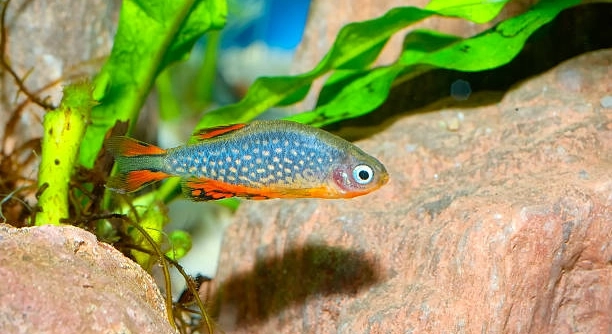
Danios are active, lively fish that often show interesting behaviors in a community tank. Observing their interactions can reveal patterns in their social and mating habits, especially when pairs begin forming connections. Watching them closely can be rewarding.
Pairing behavior in Danios is indicated by consistent swimming together, synchronized movements, chasing, and nuzzling. Dominant fish may guard a partner, and increased activity around plants or spawning areas often signals the formation of a mating pair.
Recognizing these subtle signs allows you to support healthy breeding behavior and maintain harmony within your aquarium community.
Observing Synchronized Swimming
Danios often pair off through synchronized swimming, which is a clear indicator of budding bonds. When you notice two fish mirroring each other’s movements consistently, it shows a developing connection. They glide side by side, turn together, and often follow the same path through the tank. This behavior can appear subtle at first but becomes more consistent as the pair strengthens their bond. Watching for these patterns is easier in a well-lit tank with minimal distractions. Plants and hiding spots can also influence where and how they swim together. Over time, the synchronized movements become predictable, and the pair may exclude other fish from their shared swimming areas. Even in larger groups, the bond between two Danios will stand out. Recognizing synchronized swimming early can help in understanding social structures and planning for potential breeding setups. Recording their movements occasionally can highlight patterns you might otherwise miss.
This behavior is often accompanied by short bursts of chasing, reinforcing their pair connection.
Noticing synchronized swimming can help aquarists distinguish pairs from general schooling behavior. Observing when the same two fish repeatedly swim together allows you to track compatibility and monitor for potential breeding readiness. By comparing their swimming patterns over several days, it becomes clear which fish are forming lasting bonds, helping to prevent conflicts in community tanks. It also ensures the pair has enough space and environmental support, such as plants for hiding or shallow areas suitable for spawning.
Chasing and Nuzzling
Chasing is a common sign of pairing, often directed at one fish following another persistently.
Chasing indicates that one Danio is showing attention toward a potential mate. It is usually gentle and not aggressive.
Chasing behavior in Danios is a form of courtship, often paired with nuzzling and close contact. The fish may swim rapidly around the tank, darting together and occasionally brushing against each other. Nuzzling can include gentle nudges or rubbing alongside fins and sides. This behavior is especially noticeable near plants or flat surfaces, where the pair may prepare for spawning. Observing chasing and nuzzling allows aquarists to identify pairs early and provide conditions that support breeding. It also helps prevent stress from other tank mates interfering. Over time, chasing becomes more purposeful, targeting only the chosen partner, and the intensity may increase around feeding or activity periods. Consistent observation over several days provides insight into which fish are forming bonds, helping maintain a peaceful and balanced community tank while encouraging natural behaviors.
Guarding and Territory
Danios may start guarding specific areas, often near plants or corners of the tank, signaling protective behavior toward a chosen partner.
Guarding behavior is a strong indicator that a pair is forming. One fish may hover near a favorite spot, ensuring no other Danios intrude, while the partner swims nearby. This is especially noticeable around plants, flat surfaces, or spawning areas. The guarding fish often displays subtle postures, such as flaring fins or positioning its body between intruders and its chosen companion. Over time, this behavior becomes more pronounced and consistent, showing that the pair is establishing a shared territory.
Territory guarding also affects social dynamics in the tank. Other fish tend to avoid the area, giving the pair space to swim together. Recognizing these spots and maintaining environmental support like adequate plants or hiding areas can reduce stress and support natural behaviors. Observing these behaviors consistently helps identify pairs and ensures peaceful interactions within the community tank.
Increased Activity Near Plants
Danios often become more active around dense plants or areas with shelter when pairing off, using these spots for social interaction and potential spawning.
Heightened activity near plants is a key sign that a pair is preparing for breeding. Fish may swim back and forth, inspect leaves, and occasionally rub against surfaces. The behavior often occurs in repeated patterns, indicating a developing bond. Environmental factors, such as lighting and tank layout, can amplify these displays. Providing adequate plant cover allows the pair to feel secure while exhibiting natural behaviors. Observing this activity helps distinguish casual swimming from purposeful pair interactions.
Monitoring plant-focused activity also ensures the pair has safe spaces to interact. Over time, this can lead to spawning behavior as the fish use plants for laying eggs and shelter. By tracking their movements and choosing appropriate plant placements, you can support the health and social development of your Danios. These patterns often reveal which fish are bonded, helping maintain harmony in community tanks and supporting natural breeding instincts.
Frequent Fin Display
Danios often display their fins more prominently when paired, signaling interest and attention toward each other.
Fin display includes flaring and spreading fins while swimming close together. This behavior reinforces the bond and communicates readiness to interact socially or breed.
Resting Side by Side
Paired Danios often rest next to each other, maintaining close proximity even during quiet periods. This consistent closeness is a strong indicator of a formed bond.
Spawning Preparation
Pairs may inspect flat surfaces or plant leaves repeatedly, rubbing or nudging areas as they prepare to spawn. This behavior shows readiness for reproduction and signals a deepening connection between the two fish.
Reduced Interaction With Others
When Danios form pairs, they often show less interest in other tank mates, focusing most of their attention on each other.
FAQ
How can I tell if my Danios are pairing off?
Danios show several signs when they are forming pairs. Look for synchronized swimming, chasing, nuzzling, and frequent fin displays. They often hover near the same plants or areas of the tank and may guard a specific territory together. Resting side by side and focusing less on other fish are also strong indicators. Observing these behaviors consistently over several days makes it easier to identify which fish are bonding.
Do all Danios pair off in a tank?
Not every Danio will form a strong pair. Social dynamics, tank size, and the number of fish present influence which individuals pair off. In larger groups, multiple pairs can form, or some fish may remain more independent. Ensuring adequate space, plants, and hiding spots supports natural pairing behavior while reducing stress or aggression.
What is synchronized swimming in Danios?
Synchronized swimming occurs when two Danios move together consistently, mirroring each other’s turns, speed, and direction. This is more than casual schooling behavior. It often signals a developing bond and helps establish social hierarchies. Watching this pattern over time provides insight into which fish are pairing off.
Why do Danios chase each other?
Chasing is a form of courtship and attention. It often involves one fish following another persistently but gently, sometimes combined with nuzzling or rubbing along the sides. This behavior indicates interest and strengthens the pair bond. Unlike aggressive chasing, it is controlled and repeated in patterns, typically involving only the selected partner.
How does guarding behavior show pairing?
Guarding involves one fish protecting a specific area of the tank from others. It usually occurs near plants, corners, or spawning surfaces. The partner swims nearby, and the two maintain a shared territory. This consistent guarding signals a strong bond and sometimes readiness for breeding. Observing these interactions helps differentiate pairs from casual tank mates.
Is increased activity near plants a sign of pairing?
Yes, pairs often become more active around dense plants or sheltered areas. This behavior supports social interaction and potential spawning. They may inspect surfaces, swim back and forth repeatedly, or rub against leaves. Providing adequate plant cover allows the pair to feel secure while expressing natural behaviors.
Do Danios show reduced interaction with other fish when paired?
Once a bond forms, pairs often focus their attention on each other, ignoring other tank mates. This behavior is a natural outcome of forming a stable pair. It also helps maintain social harmony, as the bonded fish establish their own space without unnecessary interference from others.
Can I encourage my Danios to pair off?
Providing a spacious tank with plants, hiding spots, and calm lighting encourages natural pairing. Avoid overcrowding and minimize stressors such as sudden movements or aggressive tank mates. Consistent feeding and a balanced diet also support health and readiness for pairing behaviors.
How long does it take for Danios to form a pair?
Pair formation can vary from a few days to several weeks, depending on the fish’s age, personality, and tank environment. Observing consistent behaviors like synchronized swimming, chasing, and guarding over time is the most reliable way to confirm a pair. Patience is key, as forcing interaction can cause stress.
Will paired Danios always breed successfully?
Not always. While pairing increases the likelihood of breeding, factors like tank conditions, water quality, diet, and overall health play a role. Providing proper spawning surfaces, stable water parameters, and minimal disturbances improves success. Observing pairing behaviors helps predict readiness, but environmental support is essential for actual reproduction.
How can I support paired Danios without disturbing them?
Minimize tank disturbances and provide plenty of hiding spaces. Avoid frequent rearranging of plants or decorations. Feeding small, consistent meals keeps fish healthy while allowing natural behavior. Observing quietly from outside the tank ensures the pair can bond naturally.
What signs indicate stress in paired Danios?
Signs of stress include rapid darting, excessive hiding, flared fins unrelated to pairing, and chasing that appears aggressive. Monitoring the pair closely and maintaining stable water conditions can prevent stress from interfering with bonding. Adjusting tank setup or separating overly aggressive fish may be necessary.
Can I separate a pair temporarily without causing issues?
Yes, but it should be done cautiously. Temporary separation for cleaning or medical treatment is fine, but prolonged separation may disrupt the bond. Providing visual barriers rather than physical separation helps maintain recognition between the pair.
Do male and female Danios behave differently when pairing?
Typically, males may chase more actively and display fins prominently, while females may respond by swimming closely and engaging in nuzzling. Both contribute to the pair bond through synchronized movements and shared territory behaviors. Observing these interactions helps identify male-female dynamics in the tank.
How can I track pairing progress over time?
Keeping a simple log of observed behaviors such as synchronized swimming, chasing, guarding, and plant-focused activity helps track which fish are bonding. Noting the frequency, location, and duration of these behaviors provides insight into pairing development and potential breeding readiness.
Danios are lively, social fish that show clear signs when they begin pairing off. Observing their behavior closely can help you understand their social structure and predict which fish are forming bonds. Synchronized swimming, chasing, nuzzling, and frequent fin displays are key indicators of a pair. Additionally, resting side by side, guarding specific areas, and spending more time near plants can show that a pair has formed. By noticing these patterns, you can better support their natural behavior and provide a healthy environment for both social interaction and potential breeding. Paying attention to these signs also helps prevent conflicts in the tank, as you can separate aggressive individuals or ensure that bonded fish have enough space to maintain their territory without interference. Recording behavior over several days can provide a clearer picture of pairing patterns that may not be obvious at first glance, and this ongoing observation is an important part of responsible aquarium care.
Providing the right tank conditions is essential to supporting Danio pairs. Adequate space, plants, and hiding areas allow the fish to feel secure while forming bonds. Lighting, water quality, and diet all play a role in encouraging natural behavior, as stress or poor conditions can interfere with pairing and breeding. Ensuring a calm and stable environment helps the fish express natural behaviors without disruption. Observing the pairs without disturbing them gives the fish confidence to interact, and it allows you to see the true nature of their relationship. Even small adjustments, such as adding a few plants or rearranging surfaces for spawning, can make a difference in how the pair interacts and maintains their bond. Understanding these factors is valuable for maintaining a peaceful community tank while supporting natural pairing behavior.
Recognizing the signs of pairing in Danios is not only interesting but also practical for maintaining a balanced aquarium. When you can identify which fish are bonded, you can plan for their needs, prevent unnecessary stress, and support potential breeding. The behaviors of paired Danios—chasing, guarding, synchronized swimming, and focused interaction—are all part of their natural social structure. Observing these behaviors closely allows you to respond appropriately, whether that means adjusting tank conditions or simply letting the pair enjoy their connection. Paying attention to the subtle cues in your aquarium strengthens your understanding of the species and ensures that the fish remain healthy, active, and socially satisfied. Over time, careful observation and proper care create an environment where Danios can thrive and maintain stable, harmonious pairs.

Hello,
If you enjoy the content that we create, please consider saying a "Thank You!" by leaving a tip.
Every little bit helps us continue crafting quality advice that supports the health, happiness, and well-being of pets around the world, for pets of all shapes, sizes, and species.
We really appreciate the kindness and support that you show us!