
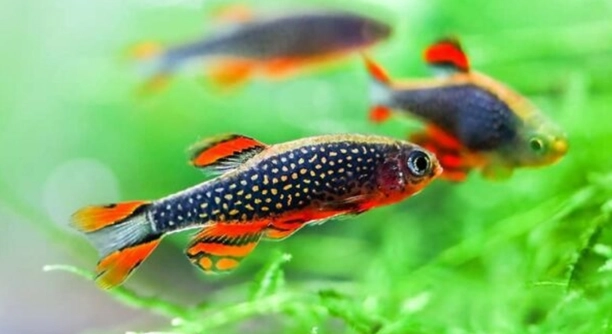
Celestial Pearl Danios are small, colorful fish that have gained popularity in home aquariums. Many new fish keepers find themselves unsure about the care these tiny fish need to thrive and remain healthy in tanks.
Despite their delicate appearance, Celestial Pearl Danios are relatively hardy. Misconceptions about their care, including diet, tank size, and water conditions, often lead to unnecessary worry. Understanding their natural behaviors and requirements ensures their proper maintenance in captivity.
Learning the truth about these fish will make keeping them simpler and more rewarding. The following myths highlight common mistakes and clarify proper care practices.
Myth 1: Celestial Pearl Danios Need Huge Tanks
Many people assume that these fish require large aquariums because they are active swimmers. In reality, Celestial Pearl Danios are tiny, measuring only about 1 inch in length. A 10-gallon tank is sufficient for a small school of six to eight fish. Providing hiding spots with plants and decorations helps them feel secure and reduces stress. Overcrowding can lead to aggression and water quality issues, so maintaining a proper number of fish per tank size is essential. Additionally, regular water changes and filtration are more important than sheer tank volume. They thrive in groups, so it is better to focus on creating a comfortable environment rather than a massive space. A well-planted tank mimics their natural habitat and encourages natural behaviors such as exploring and shoaling. Small aquariums can provide just as much stimulation as larger ones when carefully set up with care and attention to their needs.
A 10-gallon tank is usually enough for a small school, as long as water is clean and plants are present.
Even though they are small, Celestial Pearl Danios show more activity in the right environment. Dense planting and open swimming areas keep them healthy and happy. Observing their interactions within a modestly sized aquarium gives insight into their natural behavior. They enjoy moving through plants and around small hiding spaces, which helps reduce stress and aggression. Water quality is critical, as ammonia or nitrate spikes can quickly harm them in smaller volumes of water. Using gentle filtration ensures proper circulation without disturbing the fish. Regular water checks for temperature and pH help maintain stable conditions. Providing a balanced diet with tiny portions prevents overfeeding and keeps the fish active. By focusing on the tank setup and environmental enrichment, even a small aquarium can offer everything Celestial Pearl Danios need to thrive. Proper care leads to a healthy, colorful, and energetic school in any suitable tank size.
Myth 2: They Can Eat Only Live Food
While live food is beneficial, Celestial Pearl Danios can thrive on high-quality flake or micro-pellet food. A varied diet including frozen or freeze-dried options provides sufficient nutrition. Live food is optional, not mandatory.
Supplementing with frozen or freeze-dried options ensures they receive proper nutrients, reduces risk of parasites, and keeps feeding convenient.
A balanced diet is essential for long-term health and coloration. Feeding only live food can create dependency and introduce pathogens into the tank. Flakes and micro-pellets specifically designed for small tropical fish provide proteins, vitamins, and minerals needed for growth and immunity. Rotating food types prevents boredom and ensures that the fish receive diverse nutrients. Frozen foods like daphnia or brine shrimp can be offered occasionally to mimic natural feeding behavior without the risk of contamination. Overfeeding should be avoided, as leftover food can quickly pollute a small tank. Observing their feeding behavior helps determine portion sizes and ensures all fish get adequate nutrition. By combining commercial food with occasional live or frozen treats, Celestial Pearl Danios maintain bright coloration, active behavior, and overall health without relying solely on live prey.
Myth 3: They Require Warm Tropical Temperatures
Celestial Pearl Danios tolerate a range of temperatures, typically between 72°F and 78°F. They do not need overly heated water, and stable conditions matter more than hitting a precise tropical number.
While many assume tropical fish always need high heat, Celestial Pearl Danios are more adaptable. Maintaining a consistent temperature is more important than setting the thermostat to the upper limit. Sudden changes can stress them, even if the water is technically within a “tropical” range. Room temperature aquariums can support them if fluctuations are minimal, and a gentle heater is enough to avoid drops below 70°F. Their natural habitat includes cooler streams, so they are not as sensitive as other tropical species. Observing their activity and health is the best way to determine comfort.
Keeping the water stable prevents stress-related problems. Extreme warmth is unnecessary, and moderate temperatures support their longevity. Plants, hiding spaces, and clean water contribute more to their well-being than high heat.
Myth 4: They Are Fragile and Easily Sick
Celestial Pearl Danios are hardy if given proper care and a clean tank. Stress and poor water quality are the main causes of illness, not their natural fragility.
Good filtration, regular water changes, and attention to water parameters prevent most health problems. Overcrowding and sudden environmental changes make them more vulnerable.
These fish are resilient when kept in appropriate conditions. They tolerate minor fluctuations in water chemistry but require stable pH, ammonia-free water, and moderate temperature. Stress from overcrowding or aggressive tank mates weakens their immune system, making them more prone to infections. Balanced feeding ensures they receive enough nutrients to maintain health and coloration. Parasite exposure from live food or contaminated plants should be minimized. Observing behavior and coloration helps detect early signs of stress or illness. Their small size can make problems appear quickly, but preventive care keeps them robust. A clean, well-maintained aquarium with a small school of Danios often results in active, vibrant fish that rarely get sick.
Myth 5: They Need Constant Hiding Spots
Celestial Pearl Danios enjoy plants and decorations, but they do not require complete coverage to feel safe. Open swimming space is equally important.
A mix of open areas and clusters of plants allows them to explore freely while retreating when needed. Balance prevents stress and encourages natural behavior.
Myth 6: They Will School With Any Fish
These Danios prefer their own kind or similar small, peaceful species. Forcing them with aggressive or very different fish can cause stress and hiding.
Keeping them with compatible, non-aggressive species maintains harmony and allows their natural shoaling instincts to show.
Myth 7: They Grow Slowly
Celestial Pearl Danios reach their full size quickly compared to some other tropical fish. Growth is influenced by diet, water quality, and tank conditions.
Providing consistent feeding, clean water, and a proper environment ensures they develop vibrant colors and reach their adult size efficiently.
FAQ
How many Celestial Pearl Danios should I keep together?
These fish are schooling species, and they feel most comfortable in groups. A minimum of six is recommended, though eight to ten allows for natural shoaling behavior. Smaller groups may appear shy or stressed, while larger groups need a slightly bigger tank to prevent overcrowding.
What is the best diet for Celestial Pearl Danios?
They thrive on a varied diet. High-quality flakes or micro-pellets provide essential nutrients. You can occasionally supplement with frozen or freeze-dried foods like daphnia or brine shrimp. Live food is optional but can enrich their diet and encourage natural hunting behavior. Overfeeding should be avoided to maintain water quality.
Do they require a heater in the tank?
A gentle heater is helpful but not strictly necessary. These Danios tolerate temperatures between 72°F and 78°F. Stability matters more than heat. Sudden drops in temperature can stress them, so maintaining a consistent range is ideal, even in a moderately cool room.
Can they live with other fish?
They are peaceful and do well with other small, non-aggressive species. Avoid keeping them with large, territorial, or aggressive fish that could intimidate or harm them. Compatible tank mates include small rasboras, tetras, or peaceful bottom dwellers like Corydoras.
How often should I change the water?
Regular water changes are crucial. Weekly changes of 20-30% of the tank volume help maintain water quality and reduce stress. Small tanks are more sensitive to waste buildup, so consistency is key. Using a water conditioner ensures chlorine or chloramine doesn’t harm the fish.
What kind of tank setup is ideal?
A planted aquarium with open swimming space is best. Provide small caves or decorations for hiding, but avoid overcrowding the tank. A gentle filter and stable temperature create a safe environment. Substrate can be fine gravel or sand to mimic their natural habitat.
Are Celestial Pearl Danios sensitive to water parameters?
They tolerate minor fluctuations but prefer stable conditions. The ideal pH is slightly acidic to neutral, around 6.5–7.2. Ammonia and nitrite should remain at zero. Regular testing helps catch issues early. Stability supports their health and vibrant coloration.
How fast do they grow?
They reach full size quickly, around one inch, usually within a few months under proper care. Growth depends on nutrition, water quality, and tank conditions. Providing a balanced diet and clean, stable water ensures they develop healthy colors and reach adult size efficiently.
Can they breed in a home aquarium?
Yes, they can breed if conditions are right. A separate breeding tank with fine-leaved plants or spawning mops helps protect eggs. Water should be slightly softer and slightly warmer. Males display brighter colors, and after spawning, eggs can be carefully moved or the adults separated to prevent eating them.
What are common health issues?
Stress, poor water quality, or sudden environmental changes are the main causes of illness. Watch for lethargy, faded colors, or clamped fins. Parasites can occur from live foods or contaminated plants. Maintaining stable water conditions and a clean tank reduces most health risks.
How do I encourage natural behavior?
Provide a mix of hiding spots and open swimming areas. Shoaling groups feel safer and display active, playful behavior. Occasional floating plants or gentle currents simulate natural conditions. A proper environment encourages exploration and interaction without constant stress.
Is it difficult to maintain their color?
Color vibrancy depends on diet, water quality, and lighting. A varied diet rich in nutrients, combined with a clean and stable tank, helps maintain bright spots and iridescence. Stress or poor conditions can dull their colors.
How long do they live?
Celestial Pearl Danios can live up to five years with proper care. Regular feeding, stable water conditions, and a suitable tank environment contribute to their longevity. Monitoring behavior and maintaining a consistent routine helps them thrive throughout their lifespan.
Celestial Pearl Danios are small but captivating fish that can bring life and color to a home aquarium. Despite their delicate appearance, they are relatively hardy and can thrive in a well-maintained environment. Understanding their natural behaviors, dietary needs, and water requirements is key to providing proper care. Many common misconceptions make them seem difficult to care for, but most issues arise from preventable mistakes, such as poor water quality, overcrowding, or unstable temperatures. By addressing these concerns, even a beginner fish keeper can successfully maintain a healthy school of Danios. Their small size makes them suitable for modest aquariums, and their peaceful nature allows them to coexist with other small, non-aggressive species. Careful planning of tank setup and consistent attention to basic maintenance ensures these fish remain active, colorful, and happy.
Proper diet and feeding routines also play a major role in the health of Celestial Pearl Danios. They do not require live food exclusively, as high-quality flakes and micro-pellets can provide the necessary nutrients. Including frozen or freeze-dried options occasionally can simulate their natural feeding habits and support their overall well-being. Overfeeding should be avoided, as uneaten food can quickly affect water quality, especially in smaller tanks. A varied diet not only supports their growth but also helps maintain their bright coloration, which is one of the most appealing features of these fish. Observing their behavior during feeding provides insight into their health and can help detect potential problems early. Attention to nutrition combined with stable water conditions creates an environment where these fish can thrive naturally without constant intervention.
Finally, creating the right environment is more important than meeting exaggerated care myths. A planted aquarium with a combination of open swimming areas and hiding spaces allows Celestial Pearl Danios to express natural behaviors, reduces stress, and encourages social interaction within the school. Stability in temperature, water chemistry, and routine maintenance directly impacts their longevity and coloration. Regular water changes, gentle filtration, and careful observation prevent most health issues. While they may appear fragile, these Danios are resilient when their basic needs are met. Understanding the truth behind common myths helps remove unnecessary worry and makes their care manageable. With consistent care, attention to diet, and a stable environment, Celestial Pearl Danios can remain lively, vibrant, and a rewarding addition to any small community aquarium.

Hello,
If you enjoy the content that we create, please consider saying a "Thank You!" by leaving a tip.
Every little bit helps us continue crafting quality advice that supports the health, happiness, and well-being of pets around the world, for pets of all shapes, sizes, and species.
We really appreciate the kindness and support that you show us!