
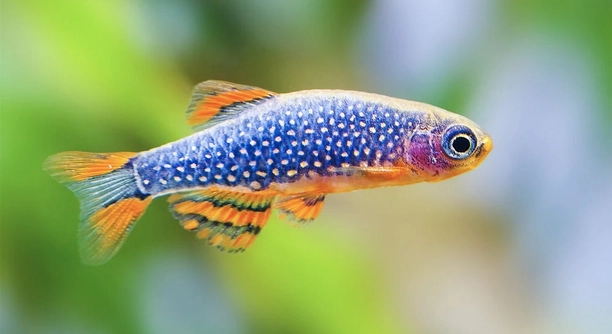
Danios are small, lively fish that bring movement and color to any aquarium. They thrive in groups and need consistent care to stay healthy. Paying attention to small habits can improve their overall well-being.
Proper tank maintenance, balanced nutrition, stable water conditions, and careful observation are crucial for Danios. Minor adjustments, such as regulating temperature, selecting appropriate tank mates, and providing hiding spots, significantly enhance their health, activity, and lifespan in captivity.
Even subtle changes in their environment can lead to noticeable improvements. These small details often separate thriving Danios from those that struggle.
Choosing the Right Tank Size
Danios are active swimmers and need space to move freely. A small tank can stress them and lead to health problems over time. For a small group of five or six, a tank of at least 20 gallons is recommended. Taller tanks are preferable because Danios like to swim in mid to upper water levels. Using a proper filtration system is essential to keep water clean and oxygenated, which helps prevent diseases. A spacious tank also reduces aggressive behavior, as Danios establish territories and enjoy room to explore. Decorations should not overcrowd the swimming area. Plants, rocks, and gentle hiding spots can enhance comfort without restricting movement. Regular water changes and careful monitoring of water parameters further support their growth and activity. Observing your Danios daily allows you to notice early signs of stress or illness, which can be addressed quickly.
A proper tank size ensures healthier, more active Danios. Space impacts both behavior and lifespan.
Maintaining an appropriately sized tank is not just about swimming room; it influences water stability, oxygen levels, and social dynamics. Crowded conditions can cause stress, reduce immunity, and increase disease risks. Selecting the right tank allows for filtration systems to work efficiently, keeps the water cleaner longer, and supports temperature consistency. Adding plants and decorations should enhance, not block, swimming space. By giving Danios room to move and interact naturally, their energy and color remain vibrant, and they develop normal behaviors. This setup also simplifies maintenance, reduces illness frequency, and makes monitoring easier, ensuring your fish stay lively and healthy.
Water Quality and Temperature
Stable water conditions are key to Danios’ health. They thrive in clean, well-oxygenated water with temperatures between 72 and 78°F.
Testing pH, ammonia, nitrite, and nitrate levels regularly prevents sudden changes that stress the fish. Proper filtration and partial water changes keep these levels balanced.
Temperature fluctuations can weaken immunity, leading to infections or slower growth. Using a heater or placing the tank away from drafts ensures a stable environment. Additionally, soft or slightly hard water suits most Danios, but avoiding sudden changes is crucial. Maintaining a routine cleaning schedule, vacuuming debris, and removing uneaten food supports healthy water chemistry. Aeration through filters or air stones keeps oxygen levels steady, which is vital for active swimming. Even small mistakes in water care can affect behavior and coloration, so attention to detail pays off. Keeping records of water parameters can help track trends and prevent potential problems. Healthy water conditions contribute directly to the fish’s longevity, energy levels, and overall appearance.
Balanced Diet and Feeding
Providing a varied diet keeps Danios healthy and colorful. Flakes, pellets, and occasional live or frozen foods supply essential nutrients for energy and growth.
Feeding should be done in small amounts two to three times a day. Overfeeding can pollute the tank and lead to obesity. Rotating food types ensures they receive proteins, vitamins, and minerals. Including live or frozen foods like brine shrimp or daphnia encourages natural hunting behaviors and adds stimulation. Vegetables like blanched spinach or zucchini can provide fiber and prevent digestive issues. Observing how quickly they eat each portion helps avoid leftovers that decompose. Clean the tank bottom after feeding to maintain water quality. Consistency in feeding times also reduces stress, as Danios recognize routines and remain active during feeding periods.
A balanced diet influences growth, energy, and coloration. It supports immune function and prevents common nutritional problems.
Proper nutrition directly affects health and activity levels. A monotonous diet may cause deficiencies, dull coloration, and weaker immune systems. Flakes or pellets alone can meet basic needs but rotating with frozen or live foods ensures complete nutrition. Protein-rich options like brine shrimp promote muscle development and vibrant colors, while plant matter adds fiber and aids digestion. Feeding schedules should be consistent but flexible to adjust for growth or tank size. Observing eating habits provides insight into health; sluggish or picky eaters may indicate stress or illness. Maintaining water cleanliness after feeding is equally important, as decaying food impacts water quality and can harm the fish over time.
Tank Decorations and Hiding Spots
Danios need places to hide to feel secure, but decorations should not restrict swimming space. Balance is key between open areas and cover.
Plants, rocks, and driftwood provide shelter and reduce stress. Floating plants can soften light and add a natural look, while small caves or ornaments offer resting spots.
Hiding spots also encourage natural behaviors. Danios will dart in and out of plants or decorations, which keeps them active and engaged. Avoid overcrowding the tank with too many items, as this limits movement and can cause aggression. Plants should be sturdy, as Danios may nibble or uproot them while swimming. Live plants help maintain water quality, absorb nitrates, and offer grazing surfaces. Artificial decorations should be smooth and non-toxic to prevent injuries. Creating zones within the tank allows each fish to claim a territory, supporting social balance and reducing conflicts. Proper arrangement also improves visual appeal, making the tank more enjoyable to observe while benefiting the fish’s overall well-being.
Proper Lighting
Danios benefit from a consistent day-night cycle. About 10 to 12 hours of light daily supports activity and natural rhythms.
Avoid harsh or direct sunlight, which can stress fish and encourage algae growth. Gentle, even lighting helps plants thrive and makes the tank more visually appealing.
Regular Observation
Watching Danios daily helps spot early signs of illness, stress, or aggression. Noticing changes in color, appetite, or swimming patterns can prevent serious problems. Regular checks allow quick adjustments to water, diet, or tank setup. Consistent observation keeps the fish healthy and responsive.
Choosing Tank Mates
Danios are social but can be stressed by overly aggressive or slow-moving species. Compatible tank mates enhance activity and reduce tension. Selecting fish with similar size and temperament ensures peaceful interactions, maintaining a calm and balanced tank environment.
How often should I feed my Danios?
Feeding small amounts two to three times a day works best. Overfeeding can foul the water and lead to obesity, while underfeeding slows growth. Use a variety of flakes, pellets, and occasional live or frozen foods to provide a balanced diet. Watch how quickly they finish their food and remove leftovers.
What tank size is ideal for Danios?
A minimum of 20 gallons is recommended for a small group of five to six Danios. Taller tanks are better because Danios swim in the upper and mid-levels. A larger tank helps maintain water quality, reduces stress, and allows for natural social behaviors and swimming patterns.
Can Danios live with other fish?
Yes, they are generally peaceful, but choose tank mates with similar size and temperament. Avoid slow-moving, long-finned, or aggressive species. Compatible companions reduce stress and encourage activity, while overcrowding or mismatched tank mates can lead to bullying and health problems.
How do I maintain proper water conditions?
Regular testing for pH, ammonia, nitrite, and nitrate is essential. Stable water temperatures between 72 and 78°F help prevent stress. Partial water changes, gentle filtration, and careful cleaning of debris maintain a healthy environment. Sudden changes in water chemistry can quickly harm Danios.
Do Danios need hiding spots?
Yes, decorations, plants, and small caves reduce stress. Open swimming space is equally important. Danios dart through plants and use hiding spots to feel secure. Proper placement of plants and ornaments encourages natural behaviors while preventing territorial disputes.
How important is lighting for Danios?
Consistent light for 10 to 12 hours daily supports activity, feeding routines, and plant growth. Avoid direct sunlight, which can stress fish and promote algae. Even, gentle lighting creates a natural environment and enhances the colors of the Danios.
What signs show my Danios are stressed or sick?
Changes in color, sluggish movement, loss of appetite, or erratic swimming indicate stress or illness. Observing daily allows you to react quickly with water adjustments, diet changes, or tank maintenance. Early detection often prevents more serious health issues.
Can Danios tolerate different water hardness?
They prefer soft to slightly hard water. Sudden changes in hardness or pH can cause stress or illness. Gradually acclimate new fish to the tank and maintain consistent water parameters for long-term health.
Should I use live or artificial plants?
Both can be used, but live plants improve water quality by absorbing nitrates and providing grazing surfaces. Artificial plants are low-maintenance and safe if smooth and non-toxic. A mix often works best, providing cover while keeping swimming areas open.
How do I prevent aggression in Danios?
Provide ample swimming space, proper tank size, and compatible tank mates. Avoid overcrowding and maintain consistent water quality. Multiple hiding spots and open swimming areas reduce territorial disputes. Stress-free conditions encourage peaceful social interactions and active behaviors.
How often should I clean the tank?
Partial water changes every one to two weeks are ideal. Remove debris and uneaten food daily or during water changes. Clean filters as recommended but avoid removing all beneficial bacteria at once. Consistent cleaning supports water quality and overall fish health.
Do Danios need a heater?
Yes, if your room temperature fluctuates. Stable temperatures between 72 and 78°F keep Danios active and healthy. Sudden drops in temperature can weaken immunity and slow growth. Using a reliable heater ensures consistent conditions, especially in cooler climates.
Can I breed Danios at home?
Yes, they are relatively easy to breed. Provide a separate breeding tank with slightly warmer water, gentle filtration, and fine-leaved plants for egg laying. Remove adults after spawning to prevent them from eating the eggs. Proper care increases survival rates of the fry.
How can I encourage natural behaviors?
Adding plants, hiding spots, and live or frozen foods encourages foraging, darting, and social interaction. Avoid overcrowding and provide open swimming space. Observing their natural movement patterns helps ensure their environment supports activity, reduces stress, and enhances coloration.
What is the typical lifespan of Danios?
With proper care, Danios can live 3 to 5 years. Good nutrition, stable water conditions, a suitable tank size, and compatible companions all contribute to their longevity. Monitoring daily ensures they remain healthy and active throughout their lifespan.
How do I know if my Danios are happy?
Active swimming, bright colors, social interactions, and regular feeding behavior indicate content Danios. Stress signs, lethargy, or hiding suggest the environment needs adjustments. A balanced diet, proper water quality, and enough space promote healthy, happy fish.
Are there any common mistakes to avoid?
Overfeeding, overcrowding, poor water quality, and incompatible tank mates are frequent issues. Ignoring tank maintenance or skipping daily observation can lead to disease. Small, consistent efforts in care prevent major problems and keep Danios thriving.
Can Danios live alone?
No, they are schooling fish and require groups of at least five or six. Solitary Danios become stressed, less active, and may develop health problems. A small group allows natural social behaviors and improves overall vitality and color.
What equipment is essential for a Danio tank?
A reliable filter, heater (if needed), thermometer, lighting, and test kits for water parameters are essential. Decorations and hiding spots enhance the environment. Basic equipment ensures stable water, appropriate temperature, and a healthy habitat for active fish.
How do I introduce new Danios to my tank?
Acclimate them slowly by floating the bag in the tank for 15–20 minutes and gradually mixing tank water. Avoid sudden changes in temperature or chemistry. Monitor closely during the first week to prevent stress and aggression. Proper introduction reduces illness risk and promotes smooth integration.
How can I improve coloration in Danios?
A varied diet with live, frozen, and high-quality flakes or pellets enhances color. Stable water conditions, proper lighting, and minimal stress contribute to vibrant, healthy fish. Observing behavior and adjusting environment also helps maintain brightness and overall appearance.
What should I do if a Danio becomes sick?
Quarantine the affected fish if possible. Test water parameters, remove potential stressors, and consider treatment based on symptoms. Early intervention and clean, stable conditions improve recovery chances and prevent the spread of disease to other tank mates.
How do I prevent algae growth?
Regular water changes, controlling light exposure, and avoiding overfeeding reduce algae. Live plants compete for nutrients, helping limit growth. Consistent cleaning of decorations and substrate prevents buildup while keeping the tank visually clean and healthy for Danios.
Caring for Danios requires attention to a few key details, but those small steps make a big difference in their overall health and happiness. Tank size, water quality, and diet are the foundations of proper care. A tank that is too small or overcrowded can stress the fish, leading to illness and short lifespans. Providing at least 20 gallons for a small group, along with open swimming space and some decorations for hiding, creates a balanced environment. Proper filtration and regular partial water changes keep water conditions stable, which is just as important as the size of the tank. Monitoring parameters like temperature, pH, ammonia, and nitrate ensures that the fish live in a safe, consistent environment, reducing the risk of disease. These steps may seem small, but they have a major impact on how active and vibrant Danios appear.
Nutrition also plays a central role in their well-being. A varied diet including high-quality flakes or pellets, as well as occasional live or frozen foods, provides the essential proteins, vitamins, and minerals Danios need. Rotating food types keeps them engaged and supports natural behaviors such as hunting or grazing. Overfeeding is a common mistake that can harm both water quality and fish health, so portion control is important. Observing how much they eat and removing uneaten food maintains a clean tank, which benefits everyone living in it. Vegetables like blanched zucchini or spinach can provide fiber to help digestion, while protein-rich foods support growth and color development. By consistently providing the right nutrition, Danios remain energetic, colorful, and resilient against common health issues.
The small details go beyond just diet and tank setup. Choosing compatible tank mates, maintaining a proper light cycle, and offering hiding spots all contribute to a calm and stimulating environment. Social behavior is important for Danios, as they are schooling fish and thrive in groups. Watching for early signs of stress, illness, or changes in behavior allows quick adjustments before problems become serious. Even subtle differences in water temperature, decoration placement, or feeding schedule can influence their activity levels and coloration. Paying attention to these elements ensures that Danios not only survive but thrive. When care is consistent and thoughtful, the fish display natural behaviors, interact peacefully, and live longer, healthier lives. These final steps may feel small, but together they create a harmonious tank environment where Danios can flourish.

Hello,
If you enjoy the content that we create, please consider saying a "Thank You!" by leaving a tip.
Every little bit helps us continue crafting quality advice that supports the health, happiness, and well-being of pets around the world, for pets of all shapes, sizes, and species.
We really appreciate the kindness and support that you show us!