
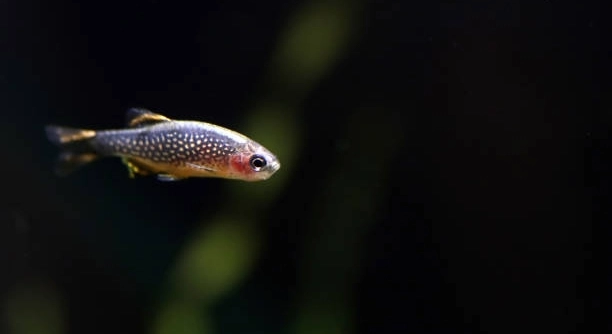
Feeding danios can be tricky when they pick and choose what they eat. Many owners notice their fish swimming past certain foods, leaving uneaten flakes or pellets behind in the tank.
Selective eating in danios often results from dietary preferences, stress, or environmental factors. Adjusting feeding techniques, introducing variety in food types, and creating a consistent feeding routine can significantly improve acceptance and ensure proper nutrition.
Learning a few simple feeding strategies can make mealtime easier and more enjoyable for both you and your danios.
Start with Small Portions
Many danios are hesitant to eat large amounts of food at once. I noticed that when I offered too much at a time, most of the food sank uneaten. Smaller portions encourage them to explore the food without feeling overwhelmed. By giving them just a few flakes or tiny pellets, they seem more willing to sample what’s offered. Over time, this also reduces waste and keeps the tank cleaner. Observing their eating habits closely helps to determine the right portion size. It may take a few days to adjust, but danios gradually respond to smaller, manageable servings. Consistency is important, so feed at the same times each day. It also helps to remove any leftover food promptly. Using small tweezers or a feeding stick can make it easier to place food near the fish. This method allows even shy eaters to have a chance to try new foods without competition.
Smaller portions also help prevent overfeeding, keeping your danios healthier and more active in the tank.
By reducing the amount offered at each feeding, danios are less likely to ignore the food. It creates a controlled environment where each fish can access the food without stress. Over time, they learn to recognize the smaller portions as regular meals. Combining this with observation allows you to notice if certain fish are still hesitant, giving the opportunity to introduce alternative foods gradually. This approach also maintains water quality because uneaten food decays less quickly, reducing ammonia spikes. Feeding in small amounts encourages natural foraging behavior, as the fish pick through the portions rather than being overwhelmed by a large pile of food. Introducing variety alongside small portions, like mixing flakes with occasional live or frozen options, increases acceptance. Patience is key, as some danios may need multiple attempts before they consistently eat new foods. Using tools like feeding sticks or tweezers provides control over placement, ensuring shy fish receive their share. Over time, consistent small feedings support healthier growth, reduce aggression at mealtime, and make the feeding process calmer and more manageable.
Rotate Food Types
Introducing different foods can spark interest in selective danios. Small changes, such as alternating flakes with frozen or live foods, often encourage them to eat.
Rotating food types prevents boredom and ensures a balanced diet, which supports their overall health and energy.
Consistency in rotation is essential. Offering a variety of textures, colors, and flavors keeps danios engaged and reduces selective behavior. Some fish may prefer certain foods, but gradual introduction allows them to accept more options. For example, mixing a few freeze-dried foods into flakes can increase curiosity. Over time, this method ensures that all nutritional needs are met while making mealtime less monotonous. Rotating foods also mimics natural feeding patterns, which helps stimulate appetite. Monitoring reactions to each new type helps determine preferences and avoid waste. Combining rotation with portion control and proper feeding techniques creates a structured feeding system. This reduces stress, supports digestion, and helps maintain water quality. Consistent rotation ensures that no single nutrient is overrepresented, supporting balanced growth and vibrant coloration in your danios.
Feed at Consistent Times
Danios respond well to routine. Feeding at the same times each day helps them anticipate meals and reduces selective eating.
Consistency builds trust and encourages regular eating habits. I found that my fish would gather near the feeding area exactly when expected. By keeping a strict schedule, even shy eaters start exploring food more readily. This predictability reduces stress and ensures all fish receive adequate nutrition. Consistent feeding times also make it easier to monitor intake, helping to identify picky individuals early. Over time, a steady routine creates calmer tank behavior during mealtime, improving overall health and energy levels. Small adjustments to the schedule can be made gradually, but maintaining regular intervals is key.
Keeping a schedule ensures that no fish goes hungry and helps maintain their natural feeding rhythms.
Even minor variations in timing can affect their appetite. By sticking to set intervals, danios become more confident and less selective, improving overall feeding efficiency.
Use Floating and Sinking Foods
Offering both floating and sinking foods caters to different eating preferences in danios. Some fish prefer picking from the surface, while others explore lower levels of the tank.
This method allows all danios to access food comfortably, reducing competition and stress. I noticed that shy eaters often avoided surface flakes but readily accepted sinking pellets near plants or decorations. Combining food types also mimics natural feeding patterns, encouraging activity and exploration. Floating flakes encourage surface swimming, while sinking foods stimulate foraging behavior near the bottom. Introducing a mix ensures balanced nutrition, as some nutrients are more abundant in specific types. Using both also keeps mealtimes interesting, reducing selectivity. Regularly alternating the placement of foods teaches danios to eat from different tank levels, helping them become more adaptable over time.
Observing which fish prefer which food type helps adjust offerings. Over time, the tank becomes calmer, and all danios consistently receive adequate nutrition without leftover waste.
Offer Live or Frozen Foods
Live and frozen foods often attract picky danios. Their movement and scent trigger natural hunting instincts.
I noticed that my selective fish quickly ate daphnia and brine shrimp, even ignoring flakes earlier. These options provide essential protein and stimulate appetite naturally.
Introduce Food Gradually
Introducing new foods slowly helps danios adjust without stress. Mixing small amounts with familiar foods encourages acceptance over time. Gradual changes reduce waste and improve nutrition. Observation is key to ensure all fish adapt well.
Feed Near Plants or Decorations
Placing food near plants or decorations can encourage hesitant fish to eat. Shy danios feel safer exploring these areas.
Monitor Water Quality
Uneaten food can quickly affect tank health. Maintaining clean water ensures your danios remain healthy and encourages regular eating. Regularly remove leftovers and check filtration to prevent ammonia spikes and stress.
FAQ
Why are my danios ignoring certain foods?
Danios may refuse food due to stress, sudden changes, or simply personal preference. I noticed mine avoided flakes if the water temperature fluctuated or if they were introduced to a new tank. Gradually adjusting food types and maintaining a stable environment encourages consistent eating.
How often should I feed selective danios?
Feeding twice a day in small portions works best. I found that splitting the daily amount into morning and evening meals prevents overeating and reduces selective behavior. This also allows observation of which fish are not eating enough.
Can danios survive on only flakes?
Flakes alone provide basic nutrition, but variety is important for overall health. Including frozen, live, or freeze-dried foods ensures they receive proteins and nutrients not always present in flakes. Rotating food types also stimulates appetite and reduces boredom.
What is the best way to introduce new foods?
Mix a small amount of the new food with their regular diet. I start with tiny portions and gradually increase over several days. Observing their reaction helps identify which foods are accepted and which require more patience to introduce.
Why do some danios eat only at certain tank levels?
Fish have natural preferences for feeding near the surface, mid-level, or bottom. Offering floating and sinking foods ensures all fish can eat comfortably. I place pellets near plants or decorations for shy bottom feeders, which improved their willingness to try new foods.
How do I know if my danios are getting enough nutrition?
Healthy danios are active, have vibrant colors, and grow steadily. I monitor behavior and appearance daily. Uneaten food or lethargy can indicate selective eating issues, and adjustments in portion size or food type may be necessary.
Will selective eating affect my danios’ growth?
Yes, consistent refusal of certain foods can lead to uneven growth. I observed smaller fish in the tank struggling to compete for preferred foods. Offering small portions, rotating food, and placing it strategically ensures all fish get enough nutrients.
Can stress make danios stop eating?
Absolutely. Changes in tank mates, water quality, or sudden movements often cause stress. I reduce disturbances and maintain stable conditions, which helps hesitant eaters regain appetite. Stress-free environments encourage healthier feeding habits.
Is it normal for danios to prefer live food over flakes?
Many danios are naturally drawn to live or moving foods. I noticed that even picky fish eagerly consumed brine shrimp or daphnia while ignoring flakes. Alternating between live, frozen, and flake foods balances their diet and keeps them interested.
How can I reduce food waste in a tank with selective eaters?
Feeding small portions, monitoring intake, and removing leftovers promptly helps. I also rotate food types and place it in areas where hesitant fish feed. This reduces uneaten food accumulation and maintains water quality.
Should I separate selective danios during feeding?
Sometimes separating shy or slow eaters temporarily ensures they get their share. I use a divider or feed them in quieter areas of the tank. This method prevents dominant fish from consuming all the food and encourages equal nutrition for all.
How long does it take for selective danios to accept new foods?
It varies, but gradual introduction usually takes several days to a few weeks. I mix new foods in small portions and observe reactions. Patience is key, as forcing foods too quickly often increases avoidance rather than acceptance.
Are there foods that all danios usually accept?
Frozen or live brine shrimp, daphnia, and high-quality micro-pellets are commonly accepted. I’ve seen most of my selective fish respond quickly to these options, making them reliable staples alongside flakes.
Can selective eating cause long-term health issues?
Yes, consistent nutrient deficiencies can lead to stunted growth, weaker immunity, and dull coloration. I monitor my tank closely and ensure variety to prevent these problems. Balanced feeding maintains energy, vitality, and overall well-being.
How can I tell if selective eating is caused by illness?
If a fish refuses food and shows other symptoms like lethargy, discoloration, or abnormal swimming, illness may be the cause. I isolate the fish, test water conditions, and consult reliable care sources to address health issues promptly.
Is it helpful to feed danios in groups or individually?
Both approaches have benefits. Feeding in groups allows natural behavior and interaction, but individual feeding ensures shy fish get food. I alternate between methods depending on the tank dynamics and observe which fish need extra attention.
Can temperature changes affect feeding habits?
Yes. Danios prefer stable, moderate temperatures. Sudden drops or spikes often reduce appetite. I maintain consistent water temperature and notice better acceptance of all foods when the tank remains stable.
Do danios need supplements if they are selective eaters?
Occasionally. If certain nutrients are missing from their diet, supplements like spirulina or vitamin-enriched flakes help. I use supplements sparingly, mainly when introducing new foods or addressing temporary dietary gaps.
How do I prevent selective eating from recurring?
Rotate foods, maintain routine, offer small portions, and observe behavior regularly. I found that consistent practices and occasional novelty in feeding keep selective behavior minimal while supporting healthy growth.
Is it normal for danios to eat slower than others?
Yes, individual differences exist. Some fish are naturally cautious. I adjust feeding locations and portions so slower eaters can access food without competition, promoting better overall nutrition.
What is the best way to combine live, frozen, and flake foods?
Mix small amounts together or alternate between meals. I often offer flakes with a few frozen or live pieces to encourage hesitant fish, gradually increasing the new food as they adapt. This balances diet and keeps feeding engaging.
How do I know if I’m feeding too much?
Leftover food and cloudy water are signs of overfeeding. I reduce portions and monitor intake closely. Properly measured feedings prevent waste, maintain water quality, and ensure fish do not become overweight.
Can selective eating be completely eliminated?
Not always, as preferences vary. With consistent care, rotation, portion control, and proper environment, selective behavior can be minimized. I focus on balance and observation rather than expecting all fish to eat everything consistently.
What’s the best tool for feeding selective danios?
Tweezers or feeding sticks work well. I can place food near shy fish or among plants without startling others, ensuring everyone has a chance to eat. This helps manage picky behavior efficiently.
Do all danios react the same way to food changes?
No, each fish has preferences and habits. I found that even within the same tank, some accept new foods immediately while others need repeated exposure. Patience and observation are key to success.
How long should leftovers stay before removal?
Remove uneaten food after a few minutes to prevent water quality issues. I usually wait 5–10 minutes, depending on fish activity. Prompt removal keeps the tank clean and encourages better feeding habits.
Can selective eating affect breeding?
Yes, poor nutrition can reduce energy and fertility. I make sure breeding pairs get varied, high-quality foods to support health and reproductive success. Nutritional balance is critical for vibrant eggs and active fry.
What are signs that a selective eater is finally adapting?
Increased appetite, trying new foods, and more consistent feeding behavior indicate adaptation. I notice subtle changes first, like approaching new foods more confidently, which shows progress toward a balanced diet.
How do I handle multiple selective fish at once?
Feed in multiple areas, offer different food types, and observe interactions. I place floating and sinking foods strategically to reduce competition and ensure that each fish receives adequate nutrition.
Feeding selective danios can feel challenging at first, but with patience and consistency, it becomes manageable. Every fish has its own preferences, and understanding those habits is important for maintaining a healthy tank. Observing your danios closely helps you identify which foods they prefer, which ones they ignore, and how they respond to changes in feeding routines. Small adjustments, such as offering tiny portions, introducing new foods gradually, and keeping a consistent schedule, can make a noticeable difference over time. Even minor changes in the tank environment, like water temperature, decorations, or plant placement, can affect feeding behavior. Paying attention to these details ensures that each fish receives proper nutrition and maintains overall health.
A key factor in feeding selective danios is variety. While flakes may be convenient, they should not be the only food offered. Incorporating live, frozen, or freeze-dried options adds protein, stimulates appetite, and encourages natural foraging behavior. Rotating food types keeps meals interesting for your fish and helps prevent boredom, which can lead to selective eating. Placement also matters; some danios prefer feeding near the surface, while others explore the bottom or mid-level of the tank. Providing both floating and sinking foods ensures all fish have access to nutrition in areas where they feel comfortable. Over time, this approach helps even the shyest or pickiest fish learn to try new foods and eat consistently. Maintaining water quality by promptly removing uneaten food is equally important, as clean water supports appetite and prevents stress-related feeding issues.
Consistency and observation are essential for long-term success. Feeding at the same times each day, using the right portion sizes, and monitoring behavior allows you to quickly identify any selective eating patterns or potential health concerns. If a fish shows signs of illness or persistent refusal of food, addressing the problem early is crucial. Using tools like tweezers or feeding sticks can help place food in safer areas for hesitant eaters and reduce competition among tank mates. Over time, these practices create a calmer, healthier environment where selective behavior is minimized. Feeding selective danios requires attention and patience, but the effort leads to stronger, more active fish that thrive in their tank. By combining careful observation, variety in food, and consistent routines, you can ensure that all your danios receive the nutrition they need for long-term health and vitality.

Hello,
If you enjoy the content that we create, please consider saying a "Thank You!" by leaving a tip.
Every little bit helps us continue crafting quality advice that supports the health, happiness, and well-being of pets around the world, for pets of all shapes, sizes, and species.
We really appreciate the kindness and support that you show us!