
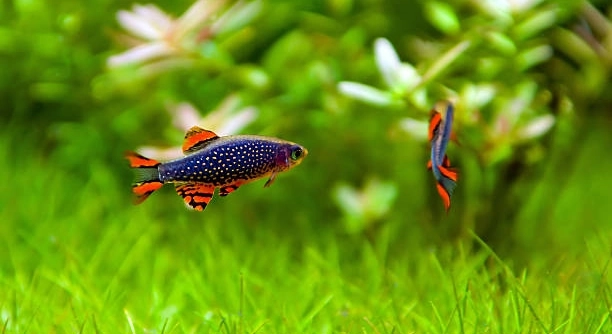
Celestial Pearl Danios are small, peaceful fish that bring vibrant colors to any community tank. Introducing new tankmates can create subtle shifts in behavior, which are often fascinating to observe for aquarists. These reactions reflect their natural instincts and social cues.
Celestial Pearl Danios respond to new tankmates through a combination of cautious observation, territorial displays, schooling adjustments, and feeding behavior changes. Their reactions are influenced by tank size, environmental complexity, and the temperament of both the danios and their introduced companions.
Observing these behaviors closely can help ensure harmony in your aquarium. Each interaction provides valuable insights into maintaining a balanced and healthy tank environment.
Initial Observation and Hiding
When I first added new fish to my Celestial Pearl Danios’ tank, I noticed them retreating to corners and dense plants. They moved cautiously, keeping a close eye on the newcomers. It was clear they were assessing the situation before fully interacting. This behavior is common, as these danios are naturally wary of unfamiliar tankmates. Hiding is their first line of defense, helping them feel secure while evaluating potential threats. Over time, they start venturing out, especially once they see the newcomers are not aggressive. Observing these initial reactions can give insight into the social dynamics of your tank. They rely heavily on visual cues, and their hesitation reflects an instinct to protect themselves. Even in a well-established tank, introducing any new species requires careful monitoring, as stress can affect their feeding habits and overall health. This early period of caution is brief, but important to understand.
Hiding helps them adjust safely and reduces immediate stress in the tank.
Patience is key. Allow them a few days to adapt, keeping interactions minimal and ensuring plants or decorations provide cover. Observing their cautious glances and slow movements gives reassurance that they are gradually accepting their new environment, which helps maintain harmony in the aquarium.
Schooling and Group Dynamics
Schooling behavior is a key indicator of comfort among Celestial Pearl Danios.
Once the danios feel secure, they adjust their schooling patterns around the new tankmates. Small groups may initially scatter when a new fish approaches, but they gradually regroup once they feel there’s no threat. Their swimming cohesion strengthens as they establish a social hierarchy, often forming tighter schools to navigate the shared space safely. This adjustment depends on tank size, the number of danios, and the nature of the newcomers. Aggressive or overly active fish can disrupt schooling, so careful selection of tankmates is essential. Over time, danios may lead or follow in the group, showing flexible social behavior that keeps the school stable. Their movements are both a defense mechanism and a social signal to others, helping maintain balance within the tank. Close observation allows aquarists to understand these patterns and intervene if stress or imbalance occurs. Even subtle shifts in speed, direction, or spacing reflect how well they are adapting.
Feeding Behavior Changes
Celestial Pearl Danios often alter their feeding habits when new tankmates are introduced. Some may eat less at first, staying close to hiding spots, while others may become more competitive, darting quickly for food to assert their presence.
During the first few days, I noticed my danios hesitated at the feeding area. They watched the new fish carefully, taking small bites and retreating when approached. This cautious approach prevents unnecessary conflict but can affect nutrition if prolonged. Gradually, as trust builds, they resume normal feeding patterns, sometimes even showing excitement when food is added. Timing and placement of food can help minimize stress, such as feeding near familiar zones and avoiding areas dominated by newcomers. These small adjustments ensure everyone gets enough to eat without causing tension.
Changes in feeding are not permanent. Patience, consistent feeding routines, and observing their comfort zones help them adapt smoothly, maintaining health and minimizing competition with new tankmates. Over time, they learn to coexist peacefully while maintaining their natural appetite and energy levels.
Territorial Displays
Celestial Pearl Danios may briefly show territorial behavior when a new fish enters their space.
In my tank, I noticed subtle chasing and fin flaring, usually near favorite hiding spots or decorations. These displays are not aggressive attacks but clear signals that boundaries exist. Understanding their preferred spaces is key. Providing multiple hiding areas and visual barriers reduces stress and prevents prolonged conflicts. Territorial behavior typically lasts a few days as social hierarchies form. Watching these interactions closely allows you to gauge comfort levels and ensure all fish are settling in properly.
Over time, the territorial displays become less frequent. Danios establish pecking orders, with dominant individuals gently asserting positions while others respect the space. Observing which areas are repeatedly claimed can inform rearranging decorations or plants to minimize overlap. Territorial behavior is a natural adjustment process, not a sign of persistent aggression. By maintaining a balanced tank setup, with ample room and hiding spots, danios and new tankmates can coexist with minimal conflict. These early interactions provide valuable insight into social structures, helping aquarists create a harmonious environment for all fish.
Curious Approaches
Celestial Pearl Danios often approach new tankmates slowly, inspecting them without immediate interaction. They hover nearby, swimming in short bursts, and retreat if anything seems unusual. This cautious behavior helps them assess whether the newcomer poses any threat.
After a few hours, I noticed my danios circling the new fish more confidently. Their movements became smoother, showing increased comfort. Curiosity is balanced with caution, allowing them to learn about the new tankmates while avoiding unnecessary stress.
Mimicking Behavior
Danios sometimes copy the movements of new fish to fit in. Swimming patterns, feeding positions, and even resting spots are subtly mirrored. This behavior helps them integrate socially and reduces tension. Mimicking shows adaptability and supports group cohesion within the aquarium environment, easing the introduction process effectively.
Interaction Peaks
As comfort grows, Celestial Pearl Danios begin interacting more with new tankmates. They swim closer, follow, and occasionally play near each other. These interactions indicate growing trust and social acceptance, helping maintain harmony in a shared space.
How long does it take for Celestial Pearl Danios to adjust to new tankmates?
Adjustment varies depending on the number of fish, tank size, and personalities. In my experience, most danios start showing normal behavior within three to seven days. Initially, they may hide, swim cautiously, or feed less. Over time, they resume regular swimming patterns, schooling behaviors, and feeding routines. Factors like sufficient hiding spots, minimal aggression from newcomers, and stable water conditions accelerate this adaptation. Observation is key; small signs of stress, like rapid darting or persistent hiding, indicate the need for more gradual introductions or additional cover in the tank.
Can Celestial Pearl Danios live peacefully with aggressive fish?
Danios are naturally peaceful, and pairing them with aggressive or territorial species often leads to stress or injury. I tried introducing a semi-aggressive fish, and my danios immediately retreated and barely ate for several days. Aggressive tankmates disrupt schooling and cause constant hiding, which can affect health over time. Selecting calm, similarly sized species is important. Dense plants, caves, and decorations provide escape routes and reduce stress, but they do not fully prevent aggression. Peaceful companions like small tetras, rasboras, or other non-territorial fish are better suited to maintain harmony in a community tank.
Why do some danios hide more than others?
Individual personality plays a role. Some Celestial Pearl Danios are naturally more cautious, while others are curious and outgoing. In my tank, a few always stayed near plants, while others explored the open areas quickly. Hiding can also reflect stress from new tankmates, insufficient space, or water condition fluctuations. Providing multiple hiding places and monitoring behavior ensures all fish feel secure. Over time, even shy danios often become bolder as they recognize the newcomers are not threatening. Temporary hiding is normal, but prolonged stress needs addressing through environmental adjustments or slower introductions.
Do Celestial Pearl Danios show aggression to new tankmates?
They are generally peaceful but may show mild territorial displays, especially around favorite hiding spots or feeding areas. I noticed occasional fin flaring and short chases in the first days after adding new fish. These behaviors are usually brief and do not result in injury if the tank has enough space and cover. Persistent aggression could indicate overcrowding or incompatible tankmates. Understanding preferred spaces, providing visual barriers, and ensuring multiple feeding zones reduce these interactions. True aggression is rare but monitoring early signs ensures stress is minimized and the community remains stable.
How can I encourage my danios to eat normally with new tankmates?
Feeding strategies help. I placed food in familiar areas and added small portions multiple times, allowing all fish access without overcrowding. Observation is important—some danios eat less if new fish dominate the area. Adjusting feeding locations and using floating or sinking pellets can accommodate different preferences. Patience matters; gradually, the danios resumed normal appetite. Maintaining consistent water parameters, reducing sudden disturbances, and providing plants or caves near feeding zones supports confidence and reduces stress.
Will schooling patterns change when introducing new fish?
Yes, initial schooling may be disrupted. In my tank, the danios split into smaller groups or paused movement when newcomers explored. Gradually, they reestablished coordinated schooling, sometimes following or mirroring the newcomers’ movements. Schooling provides security and social structure, and the patterns stabilize as fish recognize each other and space is adequate. Observation helps detect if disruption is temporary or if tank adjustments, such as adding more hiding areas, are needed.
Are there signs that my danios are stressed by new tankmates?
Stress can appear as hiding for prolonged periods, rapid darting, clamped fins, loss of appetite, or erratic swimming. In my experience, these signs were most noticeable in the first two days. Monitoring closely allows adjustments such as rearranging decorations, adding plants, or separating overly active tankmates. Mild stress is normal initially, but persistent signs require intervention to prevent health problems. A balanced environment and patient introduction are key to reducing stress.
How many hiding spots are enough for a new community tank?
Multiple hiding spots are crucial. I provided plants, caves, and decorations, ensuring each danio could find cover. A mix of tall plants, low cover, and open swimming spaces gives freedom of choice and reduces stress. Even when space seems ample, distributing hiding areas throughout the tank prevents crowding and supports peaceful interactions. This also helps balance territorial displays and feeding competition. Adequate hiding spots help shy fish gain confidence and adapt faster to new tankmates.
Can Celestial Pearl Danios form bonds with other fish?
They do not form bonds in the way mammals do, but danios can learn to recognize and respond positively to calm, compatible tankmates. In my tank, certain danios frequently swam near the same newcomers, following similar paths. These patterns reflect comfort and social compatibility rather than affection. Over time, predictable group behavior emerges, with danios adjusting their movements and schooling to include familiar tankmates. This social adaptation helps maintain stability and reduces stress across the aquarium community.
What is the best way to introduce new fish to a danio tank?
Quarantine new fish first to prevent disease, then introduce them gradually using a tank divider or slow acclimation. I floated the bag in the tank, then released the newcomers after observation. Providing multiple hiding spots and monitoring initial interactions minimized stress. Avoid overcrowding and aggressive species. Slow, careful introductions allow danios to assess newcomers safely, promoting harmonious coexistence.
How can I tell if my tankmates are compatible?
Compatible species share similar size, temperament, and activity levels. Peaceful fish that do not chase or dominate feeding areas are ideal. In my tank, small tetras and rasboras integrated well, while more aggressive species caused prolonged hiding. Observing reactions during the first few days reveals compatibility, and adjustments in space, hiding areas, or feeding locations can improve harmony if needed. Proper selection ensures balanced social dynamics and reduces stress for everyone.
Do danios ever reject new tankmates permanently?
Permanent rejection is uncommon. Initial caution or avoidance is normal, but most danios gradually accept new fish if conditions are suitable. In my experience, even the shyest fish eventually ventured near newcomers. Maintaining space, cover, and predictable routines supports integration. Persistent avoidance may indicate incompatibility, but usually minor adjustments solve the issue, allowing all fish to coexist peacefully.
How can I minimize stress during introductions?
Provide plenty of hiding spots, maintain stable water parameters, feed in familiar zones, and avoid sudden changes. I also introduced only a few new fish at a time to prevent overwhelming the danios. Slow acclimation and close observation are key to keeping stress low. Reducing disturbances, ensuring visual barriers, and allowing gradual exploration helps danios adapt naturally, promoting healthier behavior and feeding patterns.
Is monitoring behavior enough to ensure harmony?
Behavior observation is crucial. Watching schooling, feeding, hiding, and chasing patterns allows timely adjustments to prevent stress. In my tank, early detection of subtle aggression or persistent hiding guided rearranging plants and changing feeding locations. Continuous monitoring, combined with proper tank setup, ensures a peaceful community where all fish feel safe.
Can tank size affect how danios respond to newcomers?
Yes, small tanks amplify stress and territorial behavior. In a larger tank, my danios adjusted more quickly, with plenty of space to hide or explore. Overcrowding increases chasing, competition, and prolonged hiding. Ensuring enough swimming room and hiding areas is essential for smooth integration and overall well-being of all species in the tank.
What role does water quality play during introductions?
Stable water conditions reduce stress and support healthy adaptation. Sudden changes in temperature, pH, or ammonia levels intensify hiding and erratic behavior. In my experience, consistent filtration, regular testing, and careful monitoring during introductions minimized stress and promoted normal feeding and social behavior among danios and newcomers.
How can I tell if integration is successful?
Successful integration shows normal feeding, schooling, and exploration, with minimal hiding or chasing. My danios began swimming confidently near newcomers, sharing space without stress. Steady behavior over several days indicates acceptance. Signs of prolonged avoidance or stress suggest adjustments may still be needed, but most danios adapt smoothly if the environment is balanced and peaceful.
Can decorations or plants help with integration?
Yes, they provide necessary cover and reduce stress. I arranged plants, caves, and rocks strategically, giving each danio access to safe spots. This reduces competition, helps shy fish gain confidence, and prevents constant chasing. A mix of open areas and hiding spots encourages natural behaviors, promoting social stability.
Are there long-term effects of adding new tankmates?
With careful planning, long-term effects are minimal. Integrated danios maintain regular feeding, schooling, and playful interactions. In my tank, introducing new fish slightly shifted hierarchy, but the overall social structure stabilized. Adequate space, hiding spots, and compatible species prevent chronic stress, ensuring all fish remain healthy and active.
How often should I check on interactions?
Daily observation during the first week is essential. I watched hiding patterns, schooling, feeding, and mild chasing. After initial adjustment, weekly checks are usually sufficient unless signs of stress reappear. Consistent monitoring ensures early intervention and long-term harmony.
What if a danio refuses to come out of hiding?
Temporary hiding is normal, but prolonged seclusion may indicate stress, illness, or incompatibility. In my experience, adding more plants or rearranging decorations encouraged exploration. Gradual acclimation, gentle feeding nearby, and avoiding sudden disturbances help shy danios regain confidence over several days.
Do all danios react the same way to new tankmates?
No, individual personalities vary. Some explore immediately, others stay cautious. In my tank, a few were consistently shy while others integrated quickly. Observing each fish individually helps assess comfort and tailor tank setup, feeding, and hiding opportunities to support successful adaptation.
Can water temperature impact integration?
Yes, optimal temperature supports activity and reduces stress. My danios were slower and hid more when temperatures fluctuated. Maintaining a steady range suitable for all tankmates ensures energy, normal feeding, and smooth adaptation to newcomers.
How do I handle incompatible species?
If persistent aggression or stress occurs, separating tankmates is necessary. In my experience, using a divider or moving aggressive fish prevented injury and allowed danios to regain confidence. Compatibility is key; not all species can coexist safely in the same tank, so careful selection before introduction avoids long-term problems.
Are small adjustments enough to improve harmony?
Often yes. Slight changes to hiding spots, feeding locations, or tank layout can reduce chasing and stress. In my tank, minor rearrangements allowed danios to explore confidently and integrate with new fish, demonstrating that simple interventions are usually effective in maintaining a peaceful environment.
Do danios ever teach newcomers their routines?
Indirectly, yes. Over time, newcomers often mimic swimming paths, feeding spots, and resting areas. I noticed that new fish followed danios’ lead during feeding, helping them adjust more quickly. This natural social adaptation promotes cohesion and minimizes conflict in a community tank.
Can lighting affect how danios respond?
Bright or fluctuating lighting can increase hiding or erratic swimming. I kept lighting steady and moderate, which helped danios feel secure. Proper lighting ensures visibility without causing stress, supporting normal exploration and interaction with new tankmates.
How long should I observe behavior after introduction?
Observation should continue daily for the first week, then periodically for a few weeks. In my tank, this period allowed me to see normal schooling, feeding, and interaction patterns. Early intervention during this window prevents long-term stress or behavioral issues.
What role does diet play during adaptation?
A varied diet encourages normal feeding and reduces competition. I offered pellets, flakes, and occasional live foods near familiar areas. This helped danios maintain energy, reduced stress, and allowed newcomers to coexist without dominance conflicts. Proper nutrition supports healthy adaptation and social behavior.
Are there visual cues I should watch for?
Yes, changes in fin position, schooling distance, and darting speed indicate stress or comfort. My danios’ initial cautious glances and retreats signaled adjustment, while later relaxed swimming and close proximity to newcomers showed acceptance. Watching these cues helps manage interactions effectively.
Can gradual introduction prevent stress?
Absolutely. Floating bags, dividers, and slow acclimation allow danios to assess newcomers safely. In my experience, these methods reduced hiding and feeding issues, leading to smoother integration and stronger social stability among all tankmates.
Do all tankmates adapt at the same pace?
No, some adjust quickly while others need days or weeks. In my tank, outgoing danios explored almost immediately, while shy ones remained hidden for several days. Providing cover, space, and consistent routines helps slower adapters catch up without stress.
Is it normal for danios to chase newcomers briefly?
Yes, mild chasing is a way to establish boundaries. In my tank, these short bursts happened near favorite plants but did not escalate. Ensuring enough hiding spots and open swimming space prevents prolonged conflict and supports peaceful coexistence.
What is the key to long-term harmony?
Patience, observation, proper tank setup, compatible species, and consistent feeding routines. In my tank, these practices allowed danios and newcomers to coexist peacefully, maintaining normal behavior, health, and social structure for months without ongoing issues.
Can tank decorations influence social hierarchy?
Yes, visual barriers and multiple hiding spots reduce tension. In my experience, rearranging plants helped less dominant danios feel safe, reducing chasing and promoting balanced interactions with new tankmates. Thoughtful decoration placement supports healthy social dynamics in the aquarium.
How do I know when interactions are fully stable?
Stable interactions are seen when hiding decreases, schooling is coordinated, feeding is normal, and chasing is rare. In my tank, this occurred after about a week, signaling that danios and newcomers had accepted each other and the community was harmonious.
Is it normal for danios to explore new areas slowly?
Yes, cautious exploration is part of adaptation. My danios checked corners, decorations, and plants before swimming openly. Gradual exploration ensures comfort and reduces stress, allowing successful integration of new tankmates.
Can environmental enrichment help adaptation?
Absolutely. Plants, rocks, and decorations provide cover, stimulate natural behaviors, and reduce stress. In my tank, these additions helped danios gain confidence, interact more with newcomers, and maintain balanced social and feeding behaviors.
Do danios remember past interactions with tankmates?
They recognize familiar tankmates and adjust behavior accordingly. My danios interacted more confidently with established newcomers, showing reduced hiding and coordinated schooling. Memory of past interactions supports smoother integration and long-term social stability in the aquarium.
Should I remove aggressive newcomers immediately?
Yes, if aggression persists and causes stress or injury. In my experience, separating overly dominant fish restored calm, allowing danios to feed, school, and explore without prolonged hiding. Early intervention prevents long-term health or behavioral problems.
Is it normal for danios to hide even after a week?
Shy individuals may continue hiding slightly longer. In my tank, adding extra plants and rearranging decorations encouraged exploration. Persistent hiding beyond two weeks may indicate compatibility issues, stress, or illness, requiring closer attention and adjustments.
Can multiple small adjustments prevent major conflicts?
Yes, minor changes in layout, feeding, and hiding spots often resolve tension. In my experience, small interventions helped danios interact safely with newcomers, reducing chasing and stress while maintaining harmony in the community tank.
Do danios prefer certain types of hiding spots?
They favor dense plants, small caves, and shaded corners. In my tank, providing a variety of options ensured all fish could find shelter, reducing stress and supporting normal social and feeding behaviors during adaptation to new tankmates.
Can slow introductions impact long-term health?
Yes, minimizing stress during acclimation promotes normal feeding, immune function, and growth. In my tank, gradual introductions allowed danios to maintain energy levels, schooling behavior, and overall well-being, demonstrating the importance of careful integration.
How do I handle fish that avoid schooling with danios?
Provide extra cover and monitor interactions. Some fish naturally prefer solitude. In my experience, allowing space for both solitary and social fish reduces stress and maintains harmony, ensuring all species can coexist without forcing integration.
Are there signs of permanent incompatibility?
Persistent chasing, prolonged hiding, and refusal to feed may indicate incompatibility. In my tank, removing aggressive or overly timid newcomers resolved tension. Not all species are suitable for the same tank, and recognizing these signs early prevents long-term stress or health issues.
Can acclimation methods affect adaptation speed?
Yes, floating bags, gradual water mixing, and dividers reduce shock and stress. In my experience, careful acclimation led to quicker acceptance of newcomers, smoother schooling, and normalized feeding behavior among all tankmates. Proper methods set the foundation for peaceful integration.
Is it necessary to quarantine newcomers?
Yes, quarantine prevents disease introduction. In my experience, quarantining fish for two weeks before introduction protected existing danios and allowed observation for illness, ensuring a safe and healthy environment for all tankmates.
How often should I rearrange the tank during adaptation?
Minimal adjustments are best initially. I only added or shifted decorations when persistent hiding or chasing occurred. Gradual changes support exploration and reduce stress without destabilizing social hierarchy. Once interactions stabilize, frequent rearrangements are unnecessary.
Do danios ever refuse to interact after initial adaptation?
Some shy individuals may remain cautious. In my tank, gentle feeding, added cover, and time helped them gradually explore and integrate. Temporary avoidance is normal, but persistent refusal may signal compatibility issues or stress requiring attention.
Can lighting, temperature, and water quality influence social behavior?
Yes, stable conditions reduce stress, encourage normal schooling, and support feeding. In my experience, steady lighting, consistent temperature, and clean water promoted faster adaptation and more confident interactions with new tankmates.
Are there techniques to reduce initial stress?
Yes, provide cover, feed in familiar areas, introduce slowly, and monitor behavior closely. In my tank, these techniques minimized hiding and improved acceptance of newcomers, helping maintain normal activity, feeding, and schooling behavior.
Is it normal for danios to test boundaries initially?
Yes, mild chasing and fin displays help establish social structure. In my tank, these behaviors decreased within a few days as fish recognized personal space and accepted each other, promoting long-term stability and harmony in the tank.
How long does full adaptation usually take?
Typically one to two weeks. In my experience, most danios resumed normal schooling, feeding, and exploration within this period. Patience, observation, and proper tank setup ensure smooth integration and long-term peaceful coexistence with newcomers.
What should I do if a danio becomes sick during introduction?
Isolate the sick fish, maintain water quality, and treat appropriately. In my tank, early detection prevented spread to other fish. Stress from new tankmates can weaken immunity, so careful observation and prompt intervention are critical for health and recovery.
Can danios influence newcomers’ behavior?
Yes, they often model swimming paths, feeding habits, and resting spots. In my tank, new fish gradually followed danios’ lead, improving cohesion and reducing stress,
Final Thoughts
Introducing new tankmates to Celestial Pearl Danios is a process that requires patience, observation, and careful planning. These fish are naturally cautious, and their initial reactions—hiding, darting, or cautious swimming—are normal. Understanding these behaviors helps aquarists create a calm and secure environment. By providing enough space, hiding spots, and visual barriers, the danios can assess their new surroundings without feeling overwhelmed. Gradual acclimation, whether through dividers, floating bags, or slow water mixing, allows both the danios and newcomers to adjust safely. Even minor details, like the placement of plants or feeding areas, can make a significant difference in reducing stress and encouraging normal behavior. Observing their subtle cues, such as fin movement, schooling patterns, and feeding responses, provides valuable insight into how well they are adapting.
Once the initial adjustment period passes, most Celestial Pearl Danios resume normal activities, including feeding, schooling, and exploring. Their social interactions gradually stabilize as they learn to coexist with the new fish. Some may continue to be shy, while others quickly adapt and interact more openly. It is important to remember that individual personalities influence behavior, and a few days of cautious observation are necessary to understand each fish’s comfort level. Maintaining consistent water parameters, adequate tank size, and a variety of hiding spots helps prevent conflicts and ensures all fish remain healthy. During this period, minor territorial displays or mild chasing are typical, as the danios establish social hierarchies. These interactions usually settle quickly if the tank environment is well-structured, preventing long-term stress or aggressive behavior.
Long-term harmony in a community tank with Celestial Pearl Danios depends on careful planning and ongoing attention. Choosing compatible tankmates, monitoring interactions, and adjusting the environment when needed ensures peaceful coexistence. Over time, danios demonstrate remarkable adaptability, balancing curiosity with caution, and learning to respond appropriately to newcomers. By understanding their natural behaviors and providing a stable, supportive habitat, aquarists can enjoy a vibrant, active tank where all fish thrive. Patience and observation are the most important tools; minor changes in tank layout, feeding practices, or decoration placement can have a lasting impact on social stability. Overall, integrating new fish with Celestial Pearl Danios can be a smooth and rewarding experience when handled thoughtfully and deliberately, creating a healthy, balanced, and visually appealing aquarium.

Hello,
If you enjoy the content that we create, please consider saying a "Thank You!" by leaving a tip.
Every little bit helps us continue crafting quality advice that supports the health, happiness, and well-being of pets around the world, for pets of all shapes, sizes, and species.
We really appreciate the kindness and support that you show us!