
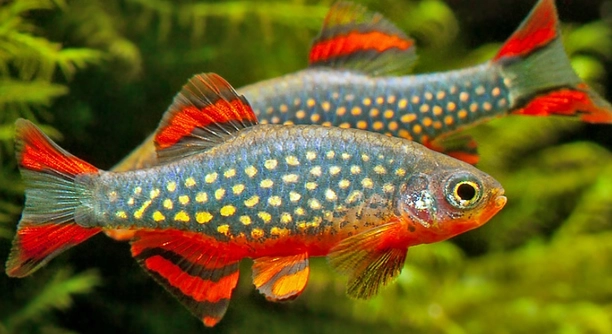
Danios are lively and social fish that enjoy exploring their environment. Feeding them in the right spots can reduce stress and create a calmer atmosphere. Quiet areas help them feel safe while they eat.
The seven quiet feeding areas that danios gravitate toward include corners with minimal water flow, densely planted zones, shaded sections, areas near gentle surfaces, spaces away from filters or pumps, secluded spots behind décor, and locations close to the substrate where they feel sheltered.
Identifying these spaces ensures a peaceful feeding routine and supports the overall well-being of your danios in the aquarium.
Corners with Minimal Water Flow
Corners in the aquarium where water movement is low provide a calm space for danios to feed. These spots reduce the stress caused by currents, allowing fish to focus on eating rather than swimming against the flow. I noticed that placing food near these areas helps even the more timid danios feel confident enough to approach. Over time, it became clear that these corners often become favorite feeding zones. Hiding behind décor or being near walls gives them a sense of security. When they feel protected, competition decreases and feeding becomes more peaceful. Gentle water movement combined with partial shade enhances their comfort. Observing these behaviors helped me understand how important calm spots are. They respond differently than when food is scattered in high-flow areas. Minimal flow areas also prevent food from being swept away, making feeding more efficient. Over several weeks, the corners consistently attracted the majority of the school. This simple adjustment improved their overall mood and appetite significantly.
Feeding in low-flow corners encourages calmer behavior and reduces stress, supporting healthier growth and more predictable eating patterns for your danios.
Danios naturally seek areas where energy expenditure is low. By placing food in corners, they spend less effort swimming and more time feeding. These spaces often coincide with tank decorations or plants that provide partial cover, making the fish feel safer. In my experience, even a small corner can attract most of the fish if it remains undisturbed. Food tends to stay in these areas longer, reducing waste. Over time, the fish begin to associate these spots with mealtime. This routine creates a sense of predictability and comfort. Observing which corners attract them most allows for minor adjustments to improve feeding efficiency. Minimal water flow combined with nearby shelter helps reduce aggressive interactions among fish. Fish can feed side by side without chasing or darting around. Providing multiple low-flow corners can prevent overcrowding and ensure that all members of the school get a fair share of food. Overall, corners with minimal current become essential zones for maintaining a harmonious tank environment.
Densely Planted Zones
Dense plants give danios a sense of safety and privacy while feeding. These areas allow shy fish to eat without interference, and the natural cover mimics their instinctual preferences in the wild.
Placing food near thick plant clusters encourages more timid fish to approach and increases overall feeding participation.
Thick plants not only provide hiding spots but also reduce visibility from dominant fish. Danios can graze slowly and without stress, which often leads to calmer behavior throughout the tank. I noticed that my fish linger longer near plant clusters, nibbling steadily instead of darting back and forth. Over time, these zones become consistent feeding locations. When plants are strategically arranged near low-flow areas, the benefits combine: reduced current stress and natural cover. Dense planting also helps prevent uneaten food from floating into open spaces where more aggressive fish dominate. Incorporating live or artificial plants ensures that even the most timid members of the school feel safe. Using these zones regularly encourages the fish to feed more consistently and can help maintain their health. Observing their patterns shows how strongly they respond to cover, reinforcing the importance of plants in the aquarium. With proper placement, dense planting enhances feeding efficiency while supporting natural behavior and reducing stress.
Shaded Sections
Shaded areas in the tank give danios a sense of security while feeding. They feel less exposed and are more likely to gather in these spots. Positioning food near these sections increases participation from shy fish.
Shadows created by décor or taller plants reduce light intensity and mimic natural hiding spots. Danios tend to feed longer in these areas because they feel protected. I often place floating leaves or small structures to create subtle shade. The effect is noticeable immediately, with more fish approaching calmly instead of darting around. Over time, shaded feeding zones become predictable spots where the school congregates. They also reduce aggressive chasing, allowing weaker or smaller fish to access food without being intimidated. These sections work best when combined with low water flow, making the area doubly attractive. Consistent placement of food here encourages routine feeding behavior, and the fish begin associating these spots with safety and nourishment. The shaded environment supports both stress reduction and feeding efficiency.
Using shaded zones consistently helps maintain calmer feeding patterns and encourages timid danios to participate fully without stress.
Shaded feeding spots can be enhanced with floating plants or strategically placed décor to create partial coverage. These spots are particularly effective for small schools, where aggressive fish might dominate open spaces. Over several weeks, I observed that shaded zones became primary feeding locations, with even the most cautious fish showing confidence. Positioning food near these areas reduces competition and prevents chasing, creating a more peaceful environment. Fish linger longer and feed more thoroughly, which improves overall nutrition. Combining shade with calm corners or planted areas maximizes their comfort. Repeated use establishes a reliable feeding routine, making it easier to monitor their health and behavior. Shaded sections support natural instincts, allowing the fish to eat with minimal stress, and the school quickly learns to associate these spots with safety and consistent food availability.
Areas Near Gentle Surfaces
Feeding near gentle surfaces allows food to settle slowly, giving danios time to graze without rushing. Smooth rocks, soft sand, or planted substrates create a calming environment for feeding.
Gentle surfaces prevent food from bouncing or scattering, reducing stress and competition among the fish. I place flakes or pellets where they can settle naturally. This approach encourages slower feeding and less frantic movement. Observing my school, I noticed more fish approaching these surfaces compared to harder or uneven areas. The slower settling also prevents smaller fish from being outcompeted, improving equity. Combining soft surfaces with low-flow areas enhances comfort further. Fish tend to linger longer, ensuring better intake and less waste. Maintaining clean, gentle surfaces keeps food accessible and reduces potential stress from debris accumulation. Over time, these spots consistently attract the school during feeding sessions. Gentle surfaces create an efficient and peaceful feeding environment that aligns with the danios’ natural behavior patterns.
Using gentle surfaces for feeding helps smaller or timid fish access food and reduces aggressive interactions in the tank.
Spaces Away from Filters or Pumps
Danios avoid areas with strong currents caused by filters or pumps. Feeding in calmer zones helps reduce stress and allows more fish to access food.
I place food in spots far from water movement. This prevents pellets from being swept away and ensures all fish have a chance to eat.
Secluded Spots Behind Décor
Hiding spots behind rocks, driftwood, or artificial decorations give danios a sense of safety. They feel less exposed and can feed without interruption, which reduces competition and stress. These secluded areas often become preferred feeding locations for the more timid members of the school, improving overall feeding participation.
Locations Close to the Substrate
Feeding near the tank’s bottom allows danios to graze naturally. Food that settles close to the substrate is easier for smaller fish to reach.
Substrate-level feeding supports calmer behavior and ensures the entire school gets access to nourishment.
FAQ
How often should I feed my danios?
I feed my danios twice a day, once in the morning and once in the evening. Small, consistent portions prevent overfeeding and reduce waste. They respond better to routine feeding, and it helps maintain a stable tank environment.
What types of food do danios prefer?
Danios enjoy a mix of high-quality flakes, micro-pellets, and occasional live or frozen foods like brine shrimp or daphnia. I rotate between these options to ensure balanced nutrition and to keep feeding time interesting for the fish.
How can I tell if my danios are stressed during feeding?
Signs of stress include frantic swimming, hiding, or avoiding food. I watch for sudden changes in behavior, such as one fish dominating feeding areas or others hiding. Adjusting feeding spots and ensuring calmer zones usually resolves these issues quickly.
Are there benefits to using multiple feeding areas?
Yes. Multiple feeding areas reduce competition and give shy or smaller fish a chance to eat. I place food near low-flow corners, shaded sections, and dense plants. Over time, the fish learn which areas are safe and feeding becomes calmer.
Should I remove uneaten food immediately?
Removing uneaten food is important to prevent water quality issues. I wait about 10-15 minutes, then gently siphon any leftover pellets or flakes. This keeps the substrate clean and reduces the risk of ammonia spikes, which can stress danios.
Can danios feed from the surface and the bottom at the same time?
Yes, danios are versatile feeders. I place floating flakes near gentle surfaces and pellets near the substrate. This approach allows all fish, including timid or smaller ones, to feed comfortably without conflict.
How do plants affect feeding behavior?
Plants provide cover and reduce visibility from aggressive fish. Dense or floating plants help timid danios feel safe while feeding. I often scatter food near plant clusters to encourage them to explore and eat without stress.
Is it okay to feed near décor or rocks?
Feeding near décor or rocks creates secluded spots for the fish. I place small amounts near driftwood or ornaments, which attracts more cautious fish. These areas often become favorite feeding zones and reduce aggressive chasing.
Do danios prefer feeding in shaded areas?
Yes. Shaded zones mimic their natural habitat and make them feel secure. I position floating plants or tall décor to create partial shade, which encourages calmer feeding and increases participation from all members of the school.
Can feeding in corners improve fish behavior?
Absolutely. Corners with minimal water flow act as safe spaces. I noticed that my danios gather there first during feeding. They spend more time eating and less time darting around, which reduces stress and improves overall tank harmony.
What should I do if some fish are not eating?
If a few danios avoid food, I place it near their favorite low-stress zones, like shaded areas or dense plants. Observing them over time helps identify which spots they prefer. Sometimes adjusting the feeding location slightly encourages them to join without forcing them.
Does water flow impact feeding efficiency?
Yes, strong currents can scatter food and intimidate smaller fish. I make sure to feed away from pumps and filters. Low-flow areas allow food to settle slowly, giving every fish a fair chance to eat, which supports healthier growth.
How can I maintain feeding consistency?
I stick to a regular schedule and place food in familiar spots. Consistent portions, predictable timing, and using preferred feeding areas help danios associate those zones with safety and nourishment, resulting in calmer, more reliable feeding behavior.
Is live food necessary for danios?
Not strictly, but occasional live food adds enrichment. I offer brine shrimp or daphnia once or twice a week. It encourages natural foraging behavior and adds variety, keeping the school active and engaged during feeding sessions.
Can I train danios to feed in specific areas?
Yes. Repetition is key. I always place food in the same calm, shaded, or planted spots. Over time, the fish learn to approach these areas first. This reduces stress, prevents overcrowding, and ensures that all members of the school have access to food.
What precautions should I take when introducing new feeding spots?
Introduce new spots gradually. I add small amounts of food and observe the fish’s response. If they hesitate, I combine new areas with familiar safe zones. This prevents stress and helps the fish adapt to different feeding locations naturally.
How do substrate types influence feeding?
Soft substrates like sand or smooth gravel prevent pellets from bouncing away. I feed near gentle surfaces, which allows smaller fish to graze easily. Hard or uneven substrates can scatter food and increase competition, so I prefer softer, even areas.
Should I feed danios differently in a community tank?
Yes, feeding strategy depends on tankmates. I separate food into multiple calm areas to prevent larger or more aggressive fish from dominating. Shaded zones, low-flow corners, and planted spots help timid danios feed safely alongside other species.
How important is observation during feeding?
Observation is crucial. Watching how danios respond to different spots allows me to adjust placement, flow, and portion size. Careful attention helps maintain a healthy, balanced tank where all fish can feed without stress or conflict.
Can feeding habits change over time?
Yes, danios may prefer new spots as the tank matures or plants grow. I monitor patterns and adjust feeding areas accordingly. Changes in behavior can indicate stress, water flow issues, or food preferences, allowing proactive care.
What are the signs of a successful feeding routine?
Calm, steady eating, minimal chasing, and participation from all fish indicate success. I also note less uneaten food and stable tank conditions. A consistent routine supports growth, reduces stress, and strengthens natural feeding behaviors.
How do I encourage shy fish to eat?
Shy fish respond to low-stress zones. I scatter small amounts of food in shaded corners, behind plants, or near gentle surfaces. Over time, they learn that these spots are safe and start feeding alongside the rest of the school.
Can I mix feeding areas to accommodate all fish?
Yes. Combining corners, shaded zones, dense plants, and gentle surfaces ensures every fish can access food. I rotate feeding locations while keeping a few familiar spots consistent, balancing comfort and accessibility for the entire school.
What is the biggest factor for peaceful feeding?
Calm, safe zones with predictable placement and moderate portions make the biggest difference. I found that low-flow corners, shaded areas, and planted spots together create an environment where all danios feed efficiently and comfortably.
How does stress affect feeding behavior?
Stress causes frantic swimming, hiding, and uneven food intake. I minimize stress by choosing quiet feeding areas, maintaining water quality, and observing behavior. Reducing stress supports healthier feeding patterns and improves the overall mood of the school.
What role does consistency play in feeding success?
Consistency in timing, portion size, and location helps danios associate feeding areas with safety. I maintain predictable routines, which encourages calmer behavior, reduces competition, and ensures that every fish gets proper nourishment.
Can temperature affect feeding habits?
Yes. Danios feed best in stable, moderate temperatures. Sudden changes can slow appetite or increase activity, leading to stress. I monitor water parameters carefully to maintain optimal conditions for consistent and calm feeding behavior.
How do I balance feeding multiple danios at once?
I divide food among several quiet zones to prevent aggression. Shy or smaller fish can feed alongside bolder ones without conflict. Observing interactions helps me adjust placement, ensuring equitable access and maintaining a peaceful tank environment.
Does tank size influence feeding strategies?
Yes. Larger tanks require multiple feeding areas to reduce competition and stress. I use corners, shaded spots, and planted zones to distribute food evenly. In smaller tanks, careful placement near calm zones ensures all fish have access without overcrowding.
How important is food type for danio health?
High-quality flakes or pellets provide essential nutrients. I supplement occasionally with live or frozen foods for variety. The right diet supports growth, vibrant colors, and active behavior while reducing aggression during feeding sessions.
Can feeding in quiet areas prevent aggression?
Absolutely. Calm zones reduce chasing and dominance displays. I place food near corners, plants, and shaded sections to give all fish space. This creates a more harmonious environment, allowing even timid danios to eat without stress.
How long should feeding sessions last?
I let food settle for 5-10 minutes, then remove leftovers. This gives fish enough time to feed thoroughly without overcrowding or overfeeding. Short, controlled sessions maintain water quality and support healthy eating behavior.
Can I use feeding spots to monitor fish health?
Yes. Regular observation at specific feeding zones helps track appetite, activity, and overall condition. Changes in feeding behavior can indicate illness, stress, or tank issues, allowing timely adjustments for their well-being.
What is the best way to introduce new feeding areas?
Start small and combine with familiar zones. I place a few pellets near a new corner or shaded spot and watch for fish response. Gradually, they learn to explore and feed in the new location comfortably.
Are there seasonal changes in feeding behavior?
Danios may slow down slightly in cooler months or eat more during warmer periods. I adjust portion sizes and monitor activity levels, ensuring they receive adequate nutrition year-round without overfeeding.
How can I encourage natural foraging?
Scattering food near plants, gentle surfaces, or décor mimics natural feeding. I vary placement slightly within safe zones, which encourages exploration and grazing behavior, keeping the fish active and engaged.
Should I feed danios before or after lights on?
Feeding after lights come on works best. Danios are more active and responsive once the tank is lit. I avoid feeding in the dark, which can increase stress and reduce participation from timid fish.
How do I prevent food from floating too long?
Using gentle surfaces and low-flow corners helps pellets or flakes settle quickly. I also break larger flakes into smaller pieces to prevent them from drifting and encourage feeding at desired zones.
Is it necessary to clean feeding areas regularly?
Yes. I remove leftover food and gently clean surfaces to prevent debris buildup. Clean feeding areas reduce stress, prevent disease, and maintain overall tank health.
Can feeding routines affect social behavior?
Consistent feeding zones reduce aggression and establish order within the school. I noticed calmer interactions and less chasing once quiet spots were consistently used for meals, improving harmony in the tank.
How do I handle picky eaters?
I try different food types and place offerings in their preferred safe zones. Gradually, they become more willing to feed alongside the group. Patience and observation are key to ensuring they receive adequate nutrition.
What is the role of observation during feeding?
Careful observation allows me to identify stress, competition, or health issues. Adjusting feeding spots, portion sizes, or food types based on what I see keeps the school calm and nourished.
How can I make feeding less stressful overall?
Combining low-flow corners, shaded zones, dense plants, and gentle surfaces creates multiple calm feeding areas. Consistency, proper portioning, and careful observation support relaxed and efficient feeding behavior for all danios.
Are there signs that feeding areas need adjustment?
Yes. If fish avoid certain zones, compete aggressively, or food is frequently scattered, I change placement or flow. Monitoring behavior ensures feeding areas remain effective and stress-free.
Can feeding spots improve long-term health?
Yes. Calm, accessible feeding areas promote proper nutrition, reduce stress, and encourage natural behavior. I’ve found that consistent, well-planned spots help my danios stay active, healthy, and vibrant over time.
What is the easiest way to start using quiet feeding areas?
Identify corners, shaded sections, planted zones, and gentle surfaces. I begin by consistently placing food in one or two calm spots, observing the fish, and gradually expanding to multiple areas for even distribution.
How do I balance feeding between bold and shy fish?
I use multiple zones, offering food in secluded spots for timid fish and open areas for bolder ones. This prevents stress, ensures equitable access, and maintains a peaceful tank environment.
What is the long-term benefit of observing feeding patterns?
Observing behavior reveals preferences, stress points, and social dynamics. I adjust feeding locations accordingly, supporting consistent nutrition, calmer interactions, and healthier overall behavior for the entire school.
How do I know when feeding adjustments are successful?
Signs include calmer behavior, even participation, minimal food waste, and healthier fish. I track patterns over several weeks to confirm improvements. Consistency and careful observation ensure feeding zones remain effective and supportive.
How does tank setup influence feeding success?
Tank layout, plants, décor, and water flow all affect feeding. I place food in areas that reduce stress and competition, creating calm zones that encourage natural, healthy feeding behavior.
Final Thoughts
Creating quiet feeding areas for danios is essential for maintaining a healthy and calm aquarium. These fish are naturally active and social, but they are also sensitive to stress, especially during feeding. By observing their behavior, you can identify which spots they prefer and adjust your feeding routine accordingly. Corners with minimal water flow, shaded sections, dense plants, secluded spots behind décor, gentle surfaces, and areas away from filters or pumps all serve as ideal zones. Each of these areas offers a sense of security, reducing competition and allowing even timid or smaller fish to feed comfortably. Over time, consistently using these spots helps the fish develop predictable feeding habits and creates a more peaceful environment throughout the tank. Proper placement of food in these zones ensures that the entire school benefits, minimizing food waste and promoting healthier growth for all individuals.
Consistency and observation are key when managing feeding areas. Feeding at the same times each day and using familiar zones allows danios to associate specific spots with safety and nourishment. This routine reduces stress and encourages more confident behavior during meals. Observing their reactions can reveal subtle changes in behavior, such as avoidance of certain areas or increased aggression, which may indicate water quality issues or social tensions within the school. Adjusting feeding zones to account for these observations ensures that all fish can access food without conflict. Incorporating plants, shaded areas, and gentle surfaces further supports calmer feeding patterns. By paying attention to these details, you create an environment that not only meets their nutritional needs but also promotes overall well-being.
Feeding strategies influence more than just nutrition—they impact social behavior, tank harmony, and long-term health. Quiet feeding areas allow danios to eat without fear of being chased or outcompeted, which reduces stress-related issues and supports steady growth. These zones encourage natural behaviors like grazing and exploration, enhancing their comfort and activity levels. Over time, you will notice a more balanced and cohesive school, with less chasing and more calm interaction. Maintaining clean feeding areas, offering balanced diets, and monitoring water conditions complement the use of quiet feeding spots, ensuring a thriving aquarium. Establishing these feeding practices creates a reliable, low-stress routine that benefits both the fish and the overall tank environment, allowing your danios to flourish in a setting that feels safe, predictable, and supportive.

Hello,
If you enjoy the content that we create, please consider saying a "Thank You!" by leaving a tip.
Every little bit helps us continue crafting quality advice that supports the health, happiness, and well-being of pets around the world, for pets of all shapes, sizes, and species.
We really appreciate the kindness and support that you show us!