
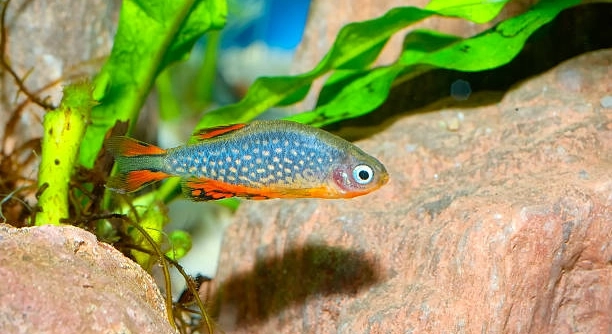
Breeding aquatic life can be both rewarding and challenging. Even small environmental or procedural factors can influence results more than expected. Minor tweaks often make a significant difference in improving spawning outcomes for healthier offspring.
Optimizing light cycles, maintaining stable water parameters, adjusting feeding schedules, and providing adequate breeding spaces are key strategies. Consistent monitoring, timely water changes, and understanding species-specific behaviors directly contribute to increased spawning success and healthier fry development.
These simple adjustments can have a noticeable effect on breeding success. Following these guidelines ensures better outcomes for your aquatic life.
Adjusting Light Cycles
Controlling light exposure is one of the simplest ways to improve spawning results. Many species rely on natural light cues to trigger breeding behavior. Too much or too little light can delay spawning or reduce egg viability. Gradually adjusting light schedules to mimic seasonal changes can help synchronize reproductive cycles. Providing a consistent period of light and darkness daily reduces stress and encourages natural behavior. Observing the species closely allows for fine-tuning, as some may require longer daylight hours while others need shorter intervals. Consistency is more important than intensity, and small incremental changes often yield better results than sudden shifts. Using timers ensures accuracy and minimizes human error, allowing the aquatic life to adapt naturally. Light intensity near the breeding area should be moderate, avoiding harsh brightness that may disturb the fish. This careful adjustment creates an environment conducive to natural reproductive rhythms and healthier offspring.
A controlled light schedule supports natural spawning triggers. Gradual adjustments reduce stress and help synchronize reproductive behavior more effectively in your tank.
Monitoring changes in light response is crucial. Over time, you can identify optimal schedules, improving consistency in spawning results. Understanding species-specific light needs ensures eggs develop under ideal conditions and reduces the risk of missed breeding cycles.
Water Quality Management
Stable water parameters are critical for successful spawning. Sudden changes in temperature, pH, or hardness can inhibit reproductive behavior and reduce egg viability. Maintaining clean water with regular changes reduces toxins and prevents diseases that can affect both adults and fry. Filtering systems should be checked frequently to ensure proper function, and water chemistry should be measured with accurate tools. Even minor fluctuations can impact sensitive species, so daily observation is recommended. Keeping water within the preferred range for your species encourages natural behaviors and healthier eggs. Supplements or conditioners may be added carefully, but overuse can disrupt the balance and harm developing fry. Gradual acclimation when introducing new water helps prevent shock. Proper aeration ensures oxygen levels remain sufficient for breeding and early fry survival. Every small action contributes to creating a stable, supportive environment that maximizes spawning success.
Regular monitoring of temperature and pH helps maintain stable conditions, ensuring a healthy environment for breeding and fry development.
Water quality management requires attention to detail. Regular testing for ammonia, nitrites, and nitrates keeps levels safe. Adjusting hardness or mineral content may be necessary for certain species, while avoiding chemicals that could harm eggs. Consistency in water parameters reduces stress, allowing fish to focus energy on breeding. Filtration, aeration, and partial water changes work together to maintain optimal conditions. Observing fish behavior during these adjustments provides insight into their comfort and readiness to spawn. Clean, stable water not only improves egg viability but also supports fry survival. Small efforts, repeated daily, accumulate into a reliable breeding environment. Documenting changes and results helps refine techniques over time, ensuring continual improvement. By prioritizing water quality, you create an environment where natural behaviors are encouraged, leading to healthier, more successful offspring.
Adjusting Feeding Practices
Providing the right nutrition directly impacts spawning behavior. High-quality, varied diets promote egg production and overall health. Overfeeding can pollute water, while underfeeding weakens fish, reducing reproductive success. Timing meals consistently helps maintain energy levels needed for breeding.
A mix of live, frozen, and prepared foods ensures essential nutrients. For species that require protein-rich diets during breeding, increasing high-protein options supports egg development. Vegetables and plant matter balance nutrition for omnivorous species. Small, frequent feedings prevent overeating and reduce waste accumulation. Observing fish during feeding allows adjustments based on appetite and behavior. Avoid sudden diet changes, as they can stress adults and disrupt spawning patterns.
Tracking intake helps identify which foods encourage reproductive activity. Gradual adjustments and careful observation support healthy egg development. Consistency in feeding maintains energy levels, enabling fish to focus on natural spawning behaviors. Over time, this approach improves fry survival and overall reproductive efficiency.
Breeding Space Optimization
Providing adequate breeding spaces encourages natural behaviors. Hiding spots, plants, or breeding boxes give fish security. Crowding reduces spawning activity and can increase aggression.
Proper placement of decorations and substrate mimics natural habitats. Many species prefer sheltered areas for laying eggs, while open spaces may discourage breeding. Using breeding-specific tanks or compartments allows control over environment and reduces competition for resources. Monitoring interactions ensures that dominant fish do not stress others. Adjustments in tank layout may be necessary based on observed behavior.
Creating structured spaces also allows for better observation of eggs and fry. Separating breeding pairs or using dividers when necessary reduces conflict. Ensuring adequate territory and refuge encourages confident spawning behavior. Attention to spatial arrangement minimizes stress, promotes egg survival, and supports early fry development, ultimately improving overall reproductive success in the aquarium environment.
Monitoring Water Temperature
Consistent water temperature is essential for spawning. Sudden fluctuations can stress fish and delay breeding. Using a reliable heater and thermometer helps maintain stable conditions.
Gradual temperature adjustments can trigger spawning in certain species. Avoid extreme changes, as this can harm eggs or fry. Observing fish behavior helps identify comfort levels and readiness to spawn.
Controlling Tank Population
Overcrowding reduces breeding activity and increases stress. Maintaining appropriate stocking levels ensures fish have enough space and resources. Adjusting the number of adults per tank promotes natural behavior and reduces aggression.
Encouraging Natural Behavior
Mimicking natural environmental cues supports reproductive activity. Seasonal changes, gentle water flow, and natural hiding spots stimulate instinctive breeding patterns. Observing fish closely allows for subtle adjustments to encourage consistent spawning without introducing unnecessary stressors.
Regular Observation
Daily monitoring is crucial for spotting early signs of spawning or stress. Tracking behaviors, egg development, and water conditions helps make timely adjustments. Consistent observation ensures interventions are effective and prevents small issues from affecting overall reproductive success.
FAQ
How often should I adjust light cycles for my breeding tank?
Light cycles should be adjusted gradually, usually by 15-30 minutes every few days. Sudden changes can stress fish and disrupt spawning behavior. Observing how the species responds to these changes helps determine if the adjustments are effective. Consistent daily schedules are more important than intensity alone.
What is the ideal water temperature for spawning?
The ideal temperature depends on the species, but it should remain stable within their preferred range. Small fluctuations can delay spawning or reduce egg viability. Using a reliable heater and thermometer ensures accuracy. Gradual increases or decreases can simulate seasonal changes to trigger reproductive activity.
How often should I feed breeding fish?
Feeding should be consistent, with small, frequent meals being ideal. Overfeeding pollutes the water, while underfeeding reduces energy for reproduction. Offering a mix of live, frozen, and prepared foods ensures adequate nutrition. Observing appetite allows fine-tuning without causing stress or water quality issues.
Should I separate breeding pairs from the main tank?
Separation can reduce aggression and protect eggs or fry. Some species spawn more successfully when pairs have their own space or when dividers are used. Proper hiding spots and structured territories reduce stress and encourage natural behavior, leading to higher spawning success.
How can I tell if my fish are ready to spawn?
Signs include increased activity, changes in coloration, and preparation of nests or territories. Males may display courtship behaviors, while females may show visible egg development. Consistent observation allows timely interventions and ensures the environment supports spawning at the right time.
What role does water quality play in spawning?
Water quality is critical. Stable pH, hardness, and temperature promote natural reproductive behavior. Regular testing for ammonia, nitrites, and nitrates prevents toxicity that can harm eggs and fry. Clean water reduces stress and supports healthy adult fish, which directly impacts spawning success.
Can overcrowding affect spawning results?
Yes, overcrowding increases stress and aggression, reducing reproductive activity. Maintaining appropriate stocking levels ensures each fish has space and resources to display natural behavior. Adjusting population density helps reduce conflicts and encourages more consistent spawning events.
How long should I wait between spawning cycles?
Recovery periods vary by species. Allowing adequate rest between cycles ensures adults regain energy and nutrients needed for healthy eggs. Overlapping cycles without sufficient recovery can weaken fish and reduce fry survival. Observing physical condition and behavior helps determine optimal timing.
Are there supplements that improve spawning success?
Certain species benefit from added vitamins or mineral supplements, but overuse can disrupt water balance and harm fry. Supplements should be used cautiously and targeted to species-specific needs. Observing health and breeding behavior helps identify whether supplementation is beneficial.
How can I protect eggs and fry from being eaten?
Providing hiding spots, breeding boxes, or separate rearing tanks reduces predation. Some species instinctively eat eggs, so separating eggs or fry when necessary improves survival rates. Proper spacing, plants, and shelters help create a safer environment for young fish.
What should I do if spawning doesn’t occur?
Evaluate all environmental factors: light, temperature, feeding, population density, and water quality. Make gradual adjustments and monitor fish closely. Patience is key, as some species require specific cues or repeated cycles before successful spawning occurs. Consistency and observation often lead to eventual success.
How can I track spawning progress effectively?
Maintain a log of water parameters, feeding schedules, light cycles, and observed behaviors. Note dates of spawning, egg counts, and fry survival. Tracking these details helps identify patterns, improve techniques, and anticipate future reproductive cycles for better results.
Is it necessary to mimic natural seasonal changes?
Simulating seasonal changes, like temperature shifts or adjusted light periods, often encourages natural spawning behaviors. Gradual, controlled changes are more effective than sudden adjustments. This approach helps synchronize breeding cycles and improves overall egg quality and fry survival.
How do I know if eggs are viable?
Healthy eggs are usually clear or lightly colored and firm. Cloudy, discolored, or fungus-covered eggs are less likely to hatch. Removing non-viable eggs promptly reduces the risk of contamination and increases survival chances for the healthy ones.
What is the best way to introduce new fish to a breeding tank?
Acclimate new fish slowly to avoid shock. Gradual introduction over several hours helps them adjust to temperature, pH, and hardness. Sudden changes can stress both newcomers and established fish, reducing spawning success. Observation during acclimation is important to ensure compatibility.
Can water flow impact spawning?
Yes, some species require gentle currents, while others prefer still water. Adjusting flow to match natural conditions encourages spawning and prevents eggs from being swept away or damaged. Observation helps determine the ideal flow for each species.
How do I manage aggressive behavior during breeding?
Provide hiding spots, structured territories, or temporary separation for aggressive individuals. Monitoring interactions ensures dominant fish do not stress others. Maintaining space and resources minimizes conflict and allows all potential breeders to display natural reproductive behaviors.
Is tank size important for spawning success?
Yes, larger tanks reduce stress, allow proper territory formation, and give eggs and fry more room to survive. Small tanks can increase aggression and crowding, negatively impacting reproductive behavior. Proper tank size supports natural activity and healthier offspring.
How can I improve fry survival rates?
Maintain stable water quality, provide appropriate hiding spots, and offer small, nutritious food suitable for fry. Separating fry from adults or more aggressive species reduces predation. Consistent observation and gradual environmental adjustments help maximize survival during early development stages.
What common mistakes reduce spawning success?
Inconsistent light schedules, poor water quality, overcrowding, overfeeding, and sudden environmental changes are major factors. Ignoring species-specific needs or failing to observe behavior can also hinder breeding. Attention to detail, patience, and gradual adjustments often prevent these issues and improve results.
How long does it take for eggs to hatch?
Hatching time depends on species and water conditions. Stable temperature and clean water are essential. Observing eggs daily allows early detection of any problems, helping improve survival rates. Some species may take a few days, while others require several weeks.
Should I adjust diet during breeding season?
Yes, increasing protein and nutrient-rich foods supports egg development and reproductive energy. Avoid sudden changes, as they can stress fish. Balanced, consistent feeding tailored to species requirements helps maintain adult health and improves the viability of offspring.
What are signs of a healthy breeding tank?
Active fish, consistent spawning behavior, viable eggs, and successful fry development indicate a healthy environment. Stable water parameters, proper nutrition, and minimal stress contribute to these positive outcomes. Observation ensures ongoing adjustments maintain these conditions.
Can stress prevent spawning?
Stress from poor water quality, overcrowding, aggression, or sudden environmental changes can halt reproductive behavior. Minimizing stress through careful tank management, structured spaces, and stable conditions promotes natural breeding cycles and healthier offspring.
How do I prevent disease during breeding?
Regular water changes, filtration, careful feeding, and quarantine of new fish reduce disease risk. Healthy adults are more likely to spawn successfully, and eggs or fry are less vulnerable when the tank remains clean and stable. Observation for early signs of illness is critical.
Is it necessary to remove adults after spawning?
In species prone to egg or fry predation, removing adults can significantly improve survival. Providing separate rearing areas or breeding boxes ensures eggs and fry are protected while adults recover for the next cycle. Careful timing and observation are key.
How do I handle failed spawning attempts?
Assess environmental factors, diet, light, and water parameters. Make gradual adjustments and maintain observation. Some species require multiple cycles before successful spawning. Patience and consistent care usually result in improved outcomes over time.
What minor adjustments have the biggest impact?
Light schedules, water stability, feeding routines, breeding space, and stress reduction often yield the most noticeable improvement in spawning success. Careful observation and incremental changes ensure these adjustments are effective and sustainable for long-term results.
How do I know when to intervene during spawning?
Intervene only when eggs or fry are at risk from predation, poor water conditions, or aggressive adults. Otherwise, minimal disturbance allows natural behaviors. Monitoring closely helps determine the best timing for intervention without compromising reproductive success.
Can breeding success improve over time?
Yes, consistent care, observation, and incremental adjustments lead to better results. Understanding species-specific needs and tracking outcomes allows refinement of techniques. Over successive cycles, fish become accustomed to the environment, increasing spawning reliability and fry survival rates.
Final Thoughts
Successful spawning in an aquarium is the result of attention to small, consistent details. Adjusting light cycles, monitoring water parameters, providing appropriate nutrition, and creating safe breeding spaces all play important roles. Each minor adjustment may seem insignificant on its own, but together they create an environment that supports natural behavior and encourages reproductive success. Fish respond well to stability and gradual changes, and careful observation allows timely interventions when needed. Over time, understanding the specific requirements of each species improves results and helps ensure the health of both adults and fry.
Patience is an important part of breeding. Not every attempt will produce immediate success, and environmental conditions or fish readiness can vary. It is common for certain species to require repeated cycles before successful spawning occurs. Observing patterns in behavior, feeding, and responses to environmental cues provides valuable insights into what adjustments are most effective. Keeping a log of water conditions, light schedules, feeding routines, and observed behaviors helps track progress. This information allows breeders to make informed decisions and fine-tune the environment for future attempts. Consistency combined with careful monitoring is often more effective than making frequent or sudden changes.
Small efforts make a large difference in the long-term health and reproductive success of aquatic life. Stable water, adequate nutrition, appropriate tank space, and careful attention to behavior all contribute to healthier adults and more viable fry. While challenges may arise, following these principles creates a controlled, supportive environment that maximizes natural breeding behavior. Over time, the adjustments become routine, and results often improve steadily. By focusing on these practical steps and remaining attentive to the needs of the fish, it is possible to achieve consistent, successful spawning and support the growth of healthy, thriving populations.

Hello,
If you enjoy the content that we create, please consider saying a "Thank You!" by leaving a tip.
Every little bit helps us continue crafting quality advice that supports the health, happiness, and well-being of pets around the world, for pets of all shapes, sizes, and species.
We really appreciate the kindness and support that you show us!