
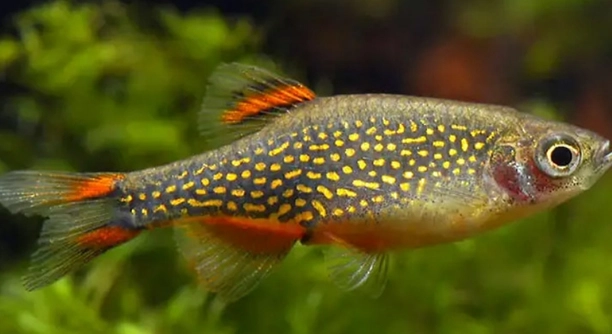
Celestial Pearl Danios are small, peaceful fish that brighten up any aquarium with their shimmering colors. Many hobbyists enjoy keeping them, but choosing tank mates can be tricky. Compatibility is important to maintain a calm environment for everyone.
Celestial Pearl Danios are compatible with other small, non-aggressive fish that share similar water parameters. Ideal tank mates include species like pygmy corydoras, ember tetras, otocinclus, neon tetras, cherry shrimp, kuhli loaches, and harlequin rasboras, all of which coexist peacefully.
Learning which species get along helps create a balanced aquarium and prevents stress or territorial behavior in your fish community.
Pygmy Corydoras
Pygmy Corydoras are small, peaceful bottom dwellers that do well with Celestial Pearl Danios. They prefer soft substrate, which prevents injury while they search for leftover food. Their gentle nature ensures they do not harass the danios. They are active during the day and night, adding movement to the lower levels of the tank without creating tension. Pygmy Corydoras also enjoy being in small groups of three to six, which keeps them comfortable and less stressed. They thrive in similar water conditions as Celestial Pearl Danios, preferring slightly acidic to neutral water with moderate temperature. Their small size makes them compatible with the danios, ensuring the tank remains calm. Feeding them a mixture of sinking pellets, frozen foods, and occasional live treats keeps them healthy. They contribute to keeping the substrate clean, which indirectly benefits all fish in the aquarium. Their peaceful behavior makes them a reliable addition.
These corydoras keep the bottom active without disturbing the danios. Their social nature adds interest to the tank.
Including pygmy corydoras enhances the tank’s balance. Observing their playful bottom activity complements the mid and top swimming patterns of the danios. They require minimal care and coexist without conflict. Keeping a small group encourages natural behavior, and their feeding habits help maintain a clean substrate. These fish do best with gentle lighting and adequate hiding spots. By adding them, the aquarium feels lively at every level while remaining peaceful. Proper water maintenance ensures both species thrive together, creating a harmonious and visually appealing tank.
Ember Tetras
Ember Tetras are small, bright, and active fish that move calmly among danios. Their modest size prevents aggression while enhancing the tank’s appearance.
Ember Tetras thrive in slightly acidic, soft water and prefer a well-planted tank to feel secure.
These tetras move in small shoals, which creates dynamic movement that complements Celestial Pearl Danios. Their peaceful nature prevents conflicts, making them easy to care for alongside other small species. They eat micro-pellets, flakes, and occasional live food, which can be offered without worrying about competing with danios. Planting the tank with floating and low-growing plants gives them hiding spots and comfort, reducing stress. Proper water temperature and quality are essential, as they are sensitive to rapid changes. By combining Ember Tetras with danios, the aquarium gains color and activity across mid-level swimming areas. Their gentle temperament ensures that the environment remains calm, allowing both species to display natural behaviors. Over time, watching them interact creates a balanced and visually appealing aquarium, where neither species dominates the other.
Otocinclus
Otocinclus are small algae eaters that remain peaceful and occupy the tank’s surfaces without bothering Celestial Pearl Danios. Their constant grazing keeps algae under control and contributes to a cleaner tank environment, supporting overall fish health.
These fish are gentle and non-aggressive, making them ideal tank mates. They prefer well-oxygenated water with plants and hiding spots, which helps them feel secure. Feeding them a diet rich in algae wafers and blanched vegetables ensures they stay healthy. They are sensitive to water quality, so maintaining stable conditions is essential. Otocinclus move slowly and deliberately, adding calm activity to the aquarium. They rarely compete for food with danios, reducing stress. Observing their grazing can be satisfying as they contribute quietly to the tank’s cleanliness.
Adding Otocinclus creates a harmonious balance between active mid-level swimmers and the peaceful algae grazers at the top and sides. Their presence encourages a stable, clean environment. They are compatible with plants and decorations, avoiding disruption of tank aesthetics. These fish adapt well when kept in groups of three to six, fostering natural behavior. Pairing them with danios ensures no dominance conflicts, maintaining a serene tank atmosphere. Overall, Otocinclus enhance both tank function and visual appeal.
Neon Tetras
Neon Tetras are small, colorful schooling fish that swim together calmly, adding movement and brightness to the mid-levels of the aquarium. Their peaceful temperament ensures they coexist smoothly with Celestial Pearl Danios.
Neon Tetras thrive in slightly acidic, soft water and require stable temperatures to avoid stress. They prefer planted tanks with gentle lighting, which gives them comfort and hiding spaces. Feeding them high-quality flakes, micro-pellets, or frozen foods ensures proper nutrition without disturbing other fish. Keeping them in groups of six or more allows them to display natural schooling behavior, reducing anxiety and creating visual interest. Their small size and calm demeanor prevent conflicts with danios. Both species share similar swimming patterns, which encourages a balanced aquarium layout. Neon Tetras’ presence enhances tank aesthetics while maintaining a peaceful environment. Regular water changes and careful monitoring are essential to keep them healthy alongside danios.
The schooling behavior of Neon Tetras complements danios, adding harmony to the tank. Their colors provide contrast without aggression. Observing both species together creates a lively yet calm aquarium experience. They interact naturally in groups, offering visual appeal and reducing stress for all inhabitants. Proper tank maintenance ensures their colors stay vibrant and behavior remains consistent. Neon Tetras’ compatibility with danios makes them an excellent choice for maintaining a peaceful, active community tank. Their adaptability and social behavior help balance dynamics at mid-levels.
Cherry Shrimp
Cherry Shrimp are peaceful invertebrates that add color and activity to the tank without bothering Celestial Pearl Danios. They spend most of their time scavenging algae and detritus, helping maintain a clean aquarium.
They reproduce easily in well-planted tanks, which ensures a steady population. Their small size keeps them safe around gentle fish like danios.
Kuhli Loaches
Kuhli Loaches are slender, bottom-dwelling fish that remain mostly hidden during the day. They are nocturnal and gentle, which allows them to coexist quietly with Celestial Pearl Danios. They help stir the substrate and prevent food buildup, contributing to a balanced tank ecosystem.
Harlequin Rasboras
Harlequin Rasboras are peaceful schooling fish that occupy the middle levels of the tank. Their calm swimming patterns complement Celestial Pearl Danios, creating a visually balanced aquarium. They prefer slightly acidic water and a planted environment, which provides both comfort and security.
Tank Balance
Maintaining proper tank balance ensures all species thrive. Correct water parameters, temperature, and hiding spots keep Celestial Pearl Danios and their companions stress-free. Observing interactions and adjusting stocking levels as needed promotes a healthy, peaceful aquarium where every species can display natural behavior.
FAQ
What size tank is best for Celestial Pearl Danios and their tank mates?
A 20-gallon tank is generally sufficient for a small group of Celestial Pearl Danios and compatible tank mates. It provides enough space for swimming and reduces territorial behavior. Larger tanks are better if you plan to include multiple species, as extra space lowers stress and prevents overcrowding. Plants, hiding spots, and open swimming areas should be balanced to meet the needs of both mid-level swimmers and bottom dwellers. Proper filtration and stable water conditions are crucial to maintain a healthy environment for all species.
How many tank mates can I keep with Celestial Pearl Danios?
Keeping five to eight danios together is ideal for schooling behavior. Tank mates should be chosen based on size, temperament, and water requirements. Avoid aggressive or significantly larger fish, as they may stress the danios or cause injury. Pairing them with small, peaceful species like pygmy corydoras, neon tetras, or cherry shrimp usually works well. Overcrowding can lead to poor water quality and stress, so monitoring fish numbers and adjusting accordingly is essential.
Do Celestial Pearl Danios eat the same food as their tank mates?
Celestial Pearl Danios eat small flakes, micro-pellets, frozen foods, and occasional live foods. Most of their compatible tank mates, such as tetras and rasboras, thrive on similar diets. Bottom dwellers like pygmy corydoras and kuhli loaches benefit from sinking pellets or algae wafers. Shrimp primarily eat algae and detritus but may accept supplemental feeding. Feeding different types of food ensures all species receive proper nutrition. Observing mealtime helps prevent dominant fish from monopolizing food and ensures everyone eats adequately.
Can I keep aggressive fish with Celestial Pearl Danios?
Aggressive fish are not recommended with Celestial Pearl Danios. Danios are small and peaceful, making them vulnerable to nipping or bullying. Aggression can cause stress, injury, or death. Stick to species with similar temperaments to maintain a calm and balanced aquarium. Even slightly larger but gentle fish can work, but careful observation is necessary. Proper hiding spots and plants can reduce tension, but choosing inherently peaceful companions is the safest approach for long-term harmony.
How do I maintain water quality for a mixed community tank?
Regular water changes, proper filtration, and monitoring parameters like pH, ammonia, nitrite, and nitrate levels are essential. Celestial Pearl Danios and most compatible tank mates prefer slightly acidic to neutral water with moderate hardness. Avoid sudden temperature changes. Overfeeding can lead to waste buildup, so feed sparingly and remove uneaten food. Using a tested filter appropriate for tank size ensures circulation and cleanliness. Plants also help absorb excess nutrients and provide shelter. Consistent maintenance promotes a stress-free environment where all species can thrive.
Will Celestial Pearl Danios breed with tank mates?
Celestial Pearl Danios may breed in a well-maintained tank, but they will not hybridize with other species. Breeding requires slightly cooler water, fine-leaved plants, or spawning mops for egg-laying. Eggs can be removed or protected to prevent other fish from eating them. Providing high-quality foods like live or frozen micro-worms encourages spawning. While breeding adds liveliness to the tank, careful observation ensures the eggs or fry are not disturbed by other tank inhabitants.
What signs indicate stress in Celestial Pearl Danios and their companions?
Signs of stress include hiding excessively, loss of color, erratic swimming, and reduced appetite. Aggression or bullying among tank mates may also indicate stress. Poor water quality, overcrowding, or incompatible companions often cause these issues. Monitoring behavior daily helps detect problems early. Addressing water parameters, tank layout, and fish compatibility can reduce stress. Providing proper nutrition and hiding spots keeps all species comfortable. Maintaining a stable environment encourages natural behavior, healthy coloration, and active swimming for both danios and their tank mates.
Are live plants necessary for a peaceful community tank?
Live plants are highly beneficial for Celestial Pearl Danios and their tank mates. They provide hiding spots, reduce stress, and improve water quality by absorbing excess nutrients. Plants also create natural boundaries and encourage exploration. Species like otocinclus, cherry shrimp, and pygmy corydoras especially benefit from plants for grazing or shelter. Low-light plants like Java moss or Anubias are easy to maintain and compatible with various water parameters. Including plants contributes to a balanced, visually appealing aquarium while supporting the well-being of all species.
How often should I feed the fish in a community tank?
Feeding small amounts two to three times daily is ideal. Celestial Pearl Danios and most companions eat quickly, so removing leftover food prevents water quality issues. Bottom dwellers benefit from sinking pellets or wafers once per day. Shrimp can graze throughout the day. Maintaining a consistent feeding schedule ensures all species receive proper nutrition without overloading the tank. Observing feeding behavior allows adjustments for shy or slower-eating species. Proper feeding supports health, growth, and activity, keeping the tank lively and harmonious.
What tank decorations are best for mixed-species tanks?
Smooth rocks, driftwood, and live plants create hiding spots and swimming areas. Avoid sharp edges that may injure delicate fins. Open swimming areas are essential for danios, while bottom dwellers benefit from crevices and shaded spots. Floating plants reduce lighting intensity and provide shelter. Decorations should support natural behavior and reduce stress. Layering substrate and adding small caves enhances security for shy species like kuhli loaches or shrimp. A thoughtfully decorated tank ensures all species coexist comfortably while enhancing the visual appeal of the aquarium.
Can Celestial Pearl Danios live with shrimp safely?
Yes, small, peaceful shrimp like cherry shrimp coexist well with Celestial Pearl Danios. Providing plenty of hiding spaces, plants, and decorations ensures shrimp feel safe. Danios may occasionally chase but rarely harm shrimp in a well-planted, balanced aquarium. Observing interactions initially helps confirm safety.
How do I introduce new tank mates without causing stress?
Introduce new fish slowly using a quarantine tank first if possible. Acclimate them to water conditions using the drip method or gradual mixing. Adding them during dim lighting and providing hiding spots reduces aggression and stress. Monitor behavior closely for the first few days to ensure compatibility and adjust if needed.
Are Celestial Pearl Danios compatible with snails?
Small snails like nerites or mystery snails are compatible. They clean algae and do not disturb danios or other peaceful tank mates. Ensure there is enough food for both fish and snails to prevent competition. Snails also help maintain tank cleanliness naturally.
How can I prevent aggression in a mixed-species tank?
Aggression can be minimized by keeping appropriate group sizes, avoiding aggressive species, and providing sufficient space, plants, and hiding spots. Stable water parameters and consistent feeding routines also help reduce stress-induced behavior. Careful observation allows early intervention if conflicts arise.
What are common health issues in community tanks?
Common problems include fin rot, ich, and stress-related diseases. Poor water quality, overcrowding, and incompatible tank mates are frequent causes. Regular monitoring, quarantine of new arrivals, and proper nutrition prevent many issues. Maintaining clean water and observing fish behavior supports long-term health.
Can I mix multiple schooling species with Celestial Pearl Danios?
Yes, but monitor tank size and swimming space carefully. Overcrowding can stress all species. Choosing compatible species that swim at different levels helps maintain harmony. Proper plant coverage and open swimming areas are essential. Balancing group sizes allows natural schooling behavior without conflicts.
How do I encourage natural behavior in a community tank?
Provide plants, hiding spots, and varied feeding routines. Different levels of swimming space support mid-level swimmers, bottom dwellers, and surface grazers. Group sizes appropriate for each species encourage natural schooling, grazing, and exploring. Observing interactions allows adjustments to tank layout and stocking for a peaceful environment.
What is the ideal temperature for Celestial Pearl Danios and their companions?
A temperature range of 72–78°F works well for most compatible species. Consistent heating prevents stress and supports activity. Avoid sudden fluctuations, which can lead to illness. Using a reliable heater and thermometer ensures stable conditions for all tank inhabitants.
Do Celestial Pearl Danios require a specific pH level?
Slightly acidic to neutral water (pH 6.5–7.0) is ideal. Most compatible tank mates tolerate similar pH ranges. Regular testing and adjustments using safe methods maintain stability. Sudden shifts in pH can stress fish and lead to health problems. Stable conditions support natural behavior and longevity.
Can I keep juvenile and adult fish together?
Yes, but monitor for size-related stress. Larger adults may unintentionally outcompete juveniles for food. Providing sufficient space, hiding spots, and balanced feeding ensures both age groups thrive. Observing behavior helps prevent bullying or dominance issues. Proper group management allows healthy growth for all fish.
How do I clean a community tank without stressing the fish?
Perform partial water changes, clean substrate gently, and avoid sudden disturbances. Use a siphon to remove debris and maintain filter media without removing beneficial bacteria entirely. Cleaning slowly and consistently reduces stress and keeps water quality stable, supporting all tank inhabitants.
Can I keep live plants and artificial decorations together?
Yes, combining both is practical. Live plants provide natural benefits, while artificial decorations add visual interest. Ensure decorations have no sharp edges and leave enough open space for swimming. Both contribute to a comfortable and appealing environment for Celestial Pearl Danios and their companions.
How do I know if my tank is overcrowded?
Signs include constant stress, aggression, poor water quality, and stunted growth. Monitoring fish density and water parameters helps maintain balance. Keeping species within recommended numbers ensures health, reduces stress, and supports natural behavior. Adjust stocking levels if overcrowding occurs.
Are Celestial Pearl Danios suitable for beginners?
Yes, they are hardy, peaceful, and adapt well to community tanks. Maintaining water quality, feeding properly, and choosing compatible tank mates ensures success. Observing behavior and providing a stable environment allows even beginners to maintain a healthy, attractive aquarium.
What is the best way to monitor water quality?
Regular testing using reliable kits for ammonia, nitrites, nitrates, pH, and temperature is essential. Monitoring weekly and performing partial water changes prevents buildup of harmful substances. Stable water quality ensures all species remain healthy and stress-free.
How long do Celestial Pearl Danios live in a well-maintained tank?
They typically live 3–5 years, sometimes longer with optimal care. Proper diet, clean water, compatible tank mates, and suitable environment contribute to longevity. Observing their behavior and adjusting care as needed ensures they reach full lifespan.
Are there any plants that Celestial Pearl Danios prefer?
Fine-leaved plants like Java moss, hornwort, and small floating plants are ideal. They provide shelter, reduce stress, and allow exploration. Plants also support natural spawning behavior, helping maintain a lively and balanced aquarium environment.
Can tank mates outcompete danios for food?
Larger or more aggressive feeders can outcompete danios. Providing multiple feeding areas, appropriate food types, and monitoring mealtime ensures all species receive adequate nutrition without stress. Observing eating patterns helps prevent dominance during feeding.
Is it necessary to quarantine new fish before adding them?
Yes, quarantining prevents the introduction of disease to the main tank. A 2–4 week quarantine period allows monitoring for illness and ensures healthy fish join the community safely.
How do I acclimate new tank mates properly?
Float the bag in the tank, gradually mix tank water over 30–60 minutes, and then release fish gently. This reduces stress and helps them adjust to new water conditions, improving survival and comfort.
What lighting conditions are best for a mixed-species tank?
Moderate lighting supports plant growth and prevents stress for sensitive species. Avoid very bright light that may stress danios or bottom dwellers. Floating plants or shaded areas help create comfortable zones.
How do I prevent algae overgrowth in a community tank?
Control feeding, maintain water quality, and include algae eaters like Otocinclus or snails. Live plants compete with algae for nutrients, reducing growth. Regular cleaning and monitoring light exposure also help manage algae effectively.
Can Celestial Pearl Danios live with Betta fish?
Betta compatibility is risky. Some bettas may nip at danios. Only very peaceful bettas in a large, well-planted tank may coexist, but careful observation is required to prevent stress or injury.
Are there specific water flow preferences for Celestial Pearl Danios?
They prefer gentle to moderate flow. Too strong a current can cause stress, while stagnant water may reduce oxygenation. Proper filtration and circulation maintain healthy swimming conditions for danios and their tank mates.
How do I prevent disease in a community aquarium?
Maintain clean water, avoid overcrowding, quarantine new arrivals, and provide proper nutrition. Observing fish daily and treating any illness early prevents spread. Stable water parameters and stress reduction are key to disease prevention.
Can Celestial Pearl Danios tolerate slightly cooler water?
They tolerate a small range but prolonged exposure to temperatures below 68°F can slow metabolism and weaken immunity. Maintaining 72–78°F ensures optimal health and activity levels for both danios and tank mates.
How do I encourage Celestial Pearl Danios to school naturally?
Keep them in groups of at least five. Provide open swimming space and minimal stress. Their natural schooling behavior emerges with consistent water conditions, compatible tank mates, and sufficient room to move freely.
What are common signs of illness in tank mates?
Loss of appetite, lethargy, fin damage, abnormal swimming, or white spots indicate potential problems. Early detection through observation and water testing helps prevent disease spread. Immediate action ensures tank health.
Can I use a heater and filter together safely in a community tank?
Yes, both are necessary. The heater maintains stable temperatures, while the filter ensures clean, oxygenated water. Proper placement prevents strong currents or dead zones, creating a comfortable environment for all species.
Do danios need open swimming areas?
Yes, open areas allow natural schooling, exercise, and exploration. Balancing plants and decorations ensures security while providing space for active swimming, benefiting both danios and tank mates.
How often should I check water parameters?
Weekly testing is recommended for ammonia, nitrites, nitrates, and pH. Temperature should be monitored daily. Regular checks prevent sudden issues and maintain a healthy environment for all species.
Can I mix dwarf and regular-sized tetras with Celestial Pearl Danios?
Yes, small peaceful tetras are compatible. Monitor group sizes and swimming space to prevent stress. Ensure both species’ water requirements align to maintain harmony and health in the tank.
How do I handle aggressive behavior if it occurs?
Remove the aggressive fish, rearrange decorations, or increase hiding spots. Adjusting group sizes or tank layout can reduce tension. Immediate action prevents stress and potential injury to peaceful tank mates.
Are floating plants beneficial for Celestial Pearl Danos?
Yes, they provide shade, reduce stress, and create a more natural environment. Floating plants also help control light intensity and offer refuge for shy species in the tank.
What is the lifespan of compatible tank mates?
Most compatible species, like tetras, rasboras, and pygmy corydoras, live 3–5 years. Shrimp may live 1–2 years depending on conditions. Proper care ensures longevity and stable tank dynamics.
Do Celestial Pearl Danios require a specific diet?
They are omnivorous and thrive on small flakes, micro-pellets, and occasional live or frozen foods. A varied diet promotes health, color, and activity levels. Bottom dwellers may need additional sinking food.
How do I prevent stress during water changes?
Perform gradual, partial water changes and avoid sudden temperature shifts. Keep fish in familiar areas while cleaning and remove uneaten food carefully. Consistent, gentle maintenance minimizes stress.
Can I mix Celestial Pearl Danios with Gouramis?
Small, peaceful gourami species may coexist, but larger or aggressive gouramis can harass danios. Careful observation and sufficient space are necessary to ensure safety.
What decorations work best for bottom dwellers?
Smooth rocks, caves, and dense plant clusters provide hiding spots. Avoid sharp edges. Soft substrate prevents injury while digging. These features allow bottom dwellers to display natural behavior safely.
How do I acclimate shrimp to a community tank?
Float the bag, slowly mix tank water over 30–60 minutes, and release gently. Ensure plenty of plants or hiding spots to prevent stress or predation by fish. Observation during the first few days ensures safety.
Can Celestial Pearl Danios tolerate hard water?
They tolerate moderately hard water but prefer slightly soft conditions. Extreme hardness can affect health and breeding behavior. Stable water conditions are more important than exact hardness values.
What is the best group size for schooling species?
Groups of at least five to eight individuals allow natural schooling behavior. Smaller numbers may cause stress or timid behavior, while larger groups increase visual impact and reduce aggression.
How do I monitor tank mate interactions?
Observe feeding, swimming patterns, and hiding behavior. Aggression, stress, or uneven eating indicate issues. Adjust stocking, decorations, or tank layout as needed to maintain balance and harmony.
Can Celestial Pearl Danios live with livebearers?
Small, peaceful livebearers like guppies can coexist. Avoid larger or aggressive species that may compete for food or nip fins. Ensuring compatible water parameters and space prevents stress.
Are there seasonal changes I should account for?
Maintain stable temperature and lighting year-round. Avoid drastic seasonal fluctuations that can stress fish and affect behavior, feeding, or breeding patterns. Controlled conditions ensure consistent health.
How do I prevent overcrowding in a mixed tank?
Follow recommended stocking levels, consider fish size and activity, and monitor water parameters. Adjust group sizes or provide additional tanks if necessary to prevent stress and maintain harmony.
Can I mix dwarf shrimp and Celestial Pearl Danios?
Yes, dwarf shrimp coexist if sufficient hiding spots exist. Danios rarely harm them but providing plants and decorations ensures safety and reduces stress for the shrimp.
What is the ideal substrate for a community tank?
Fine sand or smooth gravel is best. It supports bottom dwellers, protects delicate fins, and allows plants to root easily. Avoid sharp substrates that may injure fish.
How do I reduce stress when introducing multiple species at once?
Introduce fish gradually, provide hiding spots, and monitor behavior closely. Acclimate each species individually to prevent sudden stress or aggression, allowing them to adjust comfortably.
Can Celestial Pearl Danios live in a planted-only tank?
Yes, planted tanks provide cover, reduce stress, and encourage natural behavior. Open swimming areas and proper lighting ensure both plants and fish thrive without overcrowding.
Are there specific water flow requirements for bottom dwellers?
Gentle to moderate flow is ideal. Strong currents can disturb them, while
Celestial Pearl Danios are small, peaceful fish that bring color and activity to a community tank. Choosing compatible tank mates is important to maintain a calm and balanced environment. Fish that are gentle, small, and have similar water requirements tend to coexist well with them. Species like pygmy corydoras, ember tetras, otocinclus, neon tetras, cherry shrimp, kuhli loaches, and harlequin rasboras are excellent choices. These fish occupy different levels of the tank and have varied swimming habits, which helps prevent overcrowding or competition. They also have peaceful temperaments, which reduces stress and allows Celestial Pearl Danios to display their natural behavior. By keeping the tank properly stocked with compatible species, you create an environment where all inhabitants can thrive without conflict. Observing the tank regularly ensures that each species remains healthy and active.
Maintaining proper water quality is essential in a mixed-species tank. Celestial Pearl Danios and their companions thrive in slightly acidic to neutral water with stable temperature and moderate hardness. Regular testing and partial water changes help prevent buildup of harmful substances and maintain a clean, safe environment. Providing a balanced diet for all species is equally important. Mid-level swimmers like tetras and rasboras eat flakes or micro-pellets, while bottom dwellers and invertebrates benefit from sinking pellets, algae wafers, or supplemental plant matter. Overfeeding should be avoided, as uneaten food can affect water quality and lead to stress or disease. Careful attention to feeding, water parameters, and tank layout ensures harmony among all inhabitants. Adding plants, rocks, and hiding spots further supports natural behavior and creates a visually appealing environment.
Proper tank setup and thoughtful planning make keeping Celestial Pearl Danios with compatible tank mates rewarding and enjoyable. A well-decorated, planted tank offers areas for exploration, grazing, and schooling, allowing each species to thrive at its preferred level. Group sizes should be sufficient to encourage natural behavior, like schooling or grazing, while avoiding overcrowding. Observing interactions between species helps detect early signs of stress or aggression, allowing adjustments to maintain balance. When tank mates are chosen carefully and proper care is given, Celestial Pearl Danios flourish alongside their companions, creating a peaceful, lively aquarium. Attention to detail, consistency in water maintenance, and respect for each species’ needs result in a healthy, harmonious tank where all fish and invertebrates can live comfortably for years.

Hello,
If you enjoy the content that we create, please consider saying a "Thank You!" by leaving a tip.
Every little bit helps us continue crafting quality advice that supports the health, happiness, and well-being of pets around the world, for pets of all shapes, sizes, and species.
We really appreciate the kindness and support that you show us!