
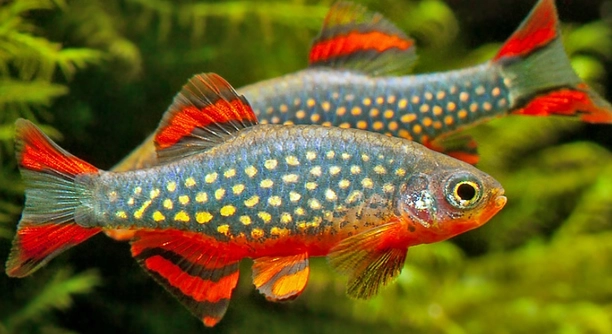
Danios are small, active fish that bring life to any aquarium. They move with energy and often display different actions depending on the time of day. Observing them can be both relaxing and informative.
Day and night behavior in danios varies significantly. During daylight hours, they are generally more active, swimming in schools, foraging for food, and exploring their environment. At night, their activity decreases, and they often rest near plants or decorations.
Recognizing these patterns helps you maintain a balanced aquarium and support your danios’ natural rhythms for better health and well-being.
Activity Levels During Daylight
Danios are noticeably more energetic during the day. They swim rapidly in schools, exploring every corner of the tank. Light stimulates their senses, encouraging movement and interaction. You might notice them chasing each other or investigating plants and decorations. Feeding time is particularly active, as they search eagerly for flakes or live food. Daylight helps regulate their internal clocks, supporting natural behaviors. Their social interactions are strongest during this time, with subtle displays of dominance or coordination within the group. Observing these patterns can help you adjust feeding and tank arrangements. Providing floating plants or open swimming areas allows them to exercise and reduce stress. Their heightened activity is not just entertaining; it also promotes better digestion and muscle development. Tanks without adequate light can make them sluggish and less responsive. Ensuring a consistent day-night cycle improves their overall health and helps maintain their natural instincts.
Daytime activity is vital for danios’ well-being. Their swimming, feeding, and social behaviors peak in light, making observation most rewarding.
Consistent daylight patterns create structure for danios. Tanks with proper lighting help prevent boredom and stress, ensuring they display natural swimming habits. Observing their interactions provides insight into health, social dynamics, and environmental preferences. Adjusting tank layout, feeding schedules, and lighting can enhance their activity and overall life quality.
Nighttime Behavior
At night, danios become quieter and less active. They often rest near plants or decorations, reducing movement to conserve energy and stay safe.
Reduced lighting naturally signals rest. Their metabolism slows, and schooling behaviors diminish. Some may hover in one spot, while others drift slowly through familiar areas. Nighttime provides recovery, supporting digestion and immune health. Understanding these patterns helps in tank design, placing resting areas where they feel secure. Minimal disturbance during these hours is essential for maintaining normal behavior. Proper observation can reveal subtle signs of stress or illness, which are easier to notice when their nighttime routines are predictable. Tank mates’ activity should be considered, as overly active fish can disturb resting danios. Overall, respecting night periods helps maintain stability and balance in their environment, promoting longevity and well-being.
Feeding Patterns
Danios eat more actively during the day, often competing for food at the surface. At night, they rarely show interest in eating, conserving energy and slowing their metabolism to rest effectively.
Daytime feeding stimulates natural foraging behaviors. They search for flakes, pellets, or live food while moving through the tank. This activity supports digestion and overall energy levels. Providing small, frequent meals during the day helps prevent overeating and maintains water quality. At night, their reduced interest in food is normal and allows their digestive systems to recover. Observing their feeding patterns can indicate health issues, as sudden changes may signal stress or illness. Ensuring the right balance of light and feeding schedules enhances both activity and well-being.
Feeding schedules should match natural behavior. Active daytime feeding and minimal nighttime disturbance help maintain health, energy, and natural rhythm, supporting long-term stability in the aquarium.
Social Interactions
Danios interact more visibly during the day, forming schools and coordinating movements. Nighttime reduces these interactions as they seek quiet resting spots.
Schooling behavior strengthens bonds and reduces stress. Daytime interactions involve chasing, aligning, and responding to each other’s movements, which keeps them mentally stimulated. These behaviors indicate a healthy, well-adjusted group, where hierarchy and coordination are clearly established. Social interaction also supports exercise, ensuring muscles develop evenly and preventing boredom. At night, they retreat to calmer areas, minimizing confrontation and energy expenditure. Observing these patterns helps identify aggressive or withdrawn fish early. Tank setup, including plants and hiding spaces, influences social dynamics and provides secure resting areas, enhancing overall harmony.
Balancing group size, tank space, and structure is key to healthy social behavior. Active daytime schooling combined with calm nighttime rest ensures physical and mental well-being.
Swimming Patterns
During the day, danios swim rapidly across the tank, exploring every area. At night, their movement slows, and they often hover near plants or decorations to rest safely.
Active daytime swimming supports muscle development and mental stimulation. Nighttime stillness allows recovery and reduces stress, maintaining a balanced routine.
Interaction With Tank Environment
Danios explore and investigate decorations and plants during daylight hours. Their curiosity encourages movement, hiding, and use of the entire tank space, helping maintain a healthy, enriched environment.
Resting Spots
At night, danios prefer sheltered areas for rest. Plants, caves, and shaded corners provide safety, helping them feel secure while reducing energy use.
How can I tell if my danios are stressed during the day?
Daytime stress in danios often shows through unusual swimming, such as darting, hiding excessively, or isolating themselves from the group. They may also stop eating or lose color. Monitoring their behavior regularly can help identify issues early. Tank overcrowding, poor water quality, or aggressive tank mates are common triggers. Providing plants and open swimming space can reduce stress, allowing them to move naturally. Even minor changes in behavior should be noted, as they often indicate environmental or health problems that can be corrected before serious issues arise.
Do danios need constant light during the day?
Danios do not need constant light, but a regular day-night cycle is important. About 10 to 12 hours of light daily is sufficient for their activity, feeding, and interaction. Too much light can increase stress and algae growth, while too little light reduces activity and can impact feeding and social behavior. Using a timer ensures consistency, helping their natural rhythms stay balanced. Even with moderate lighting, they need shaded areas or floating plants to retreat when needed. Observing their movement and color can indicate whether the lighting is comfortable and supportive of natural behaviors.
Why are my danios more active at night sometimes?
Occasionally, danios may become more active at night due to disturbances, unusual tank lighting, or environmental changes. Sudden noises, reflections, or movement outside the tank can trigger activity. In some cases, if the tank is overcrowded or water parameters are off, danios may adjust their behavior to avoid stress. While occasional nighttime activity is normal, prolonged restlessness can indicate underlying issues like poor water quality, illness, or improper lighting cycles. Ensuring stable water conditions, a consistent day-night schedule, and minimal nighttime disturbance helps maintain normal resting patterns.
Should I feed danios at night if they are active?
Nighttime feeding is generally unnecessary. Danios naturally reduce feeding after sunset, and offering food during this time can pollute the water. Their metabolism slows, and they are better suited to rest. Feeding should focus on daytime hours when they are actively searching for food. Overfeeding at night can lead to uneaten flakes or pellets, increasing waste and risking water quality. Observing their eating patterns during the day helps determine proper feeding amounts. Maintaining consistent feeding schedules supports digestion, energy balance, and reduces stress, helping danios remain healthy and active during normal daylight hours.
How do I make nighttime more comfortable for my danios?
Providing shaded areas, floating plants, and quiet corners allows danios to rest securely at night. Minimal disturbance, low light, and consistent temperatures help them feel safe. Avoid tapping on the glass or turning lights on suddenly, as this can startle them. Hiding spots and gentle tank décor encourage natural resting positions. Proper nighttime conditions improve immune function, reduce stress, and maintain energy for daytime activity. Observing where they choose to rest helps identify preferred areas and can guide tank arrangement for long-term comfort and health.
Can water temperature affect day versus night behavior?
Yes, water temperature directly influences activity levels. Warmer water during the day encourages movement and feeding, while cooler temperatures at night support rest and slower metabolism. Sudden fluctuations can stress danios, leading to irregular activity, hiding, or reduced appetite. Maintaining stable temperatures aligned with their natural range ensures consistent day-night behavior. Monitoring with a reliable thermometer and adjusting heaters or chillers as needed helps preserve both daytime energy and nighttime rest patterns. Proper thermal conditions are key to supporting overall health, metabolism, and natural behavioral cycles in danios.
Is it normal for danios to ignore each other at night?
Yes, reduced interaction at night is normal. Social behaviors like schooling and chasing decrease, as danios focus on resting. This quiet period is essential for recovery, conserving energy, and processing food. Minimal movement prevents stress and maintains balance within the group. Tankmates may remain near each other without active coordination, which is typical nighttime behavior. Recognizing this pattern helps differentiate normal rest from illness or stress-related withdrawal, ensuring appropriate care and maintaining a harmonious environment.
How can I encourage natural day and night behavior in my tank?
Maintaining a consistent light schedule, proper feeding times, and stable water conditions encourages natural activity cycles. Providing plants, open swimming areas, and hiding spots allows danios to explore during the day and rest at night. Avoid sudden disruptions, excessive lighting, or irregular feeding. Observing their patterns helps fine-tune the environment to match their natural instincts, supporting health and balanced behavior. A well-structured tank environment fosters active, social daytime behavior and calm, restful nighttime routines, improving overall well-being.
What signs indicate a problem if night behavior changes?
Unusual restlessness, constant hiding, or erratic movement at night may indicate stress, illness, or poor water conditions. Rapid changes in swimming or schooling patterns can also be warning signs. Regular monitoring of behavior, water quality, and tank setup helps identify and address problems early, ensuring danios remain healthy. Correcting issues promptly can restore normal activity cycles and reduce long-term stress or health complications.
Observing danios during the day and night highlights how their behavior changes based on light, energy, and environment. During daylight hours, they are energetic, swimming actively, exploring the tank, and interacting with each other. This is the time when their social behaviors, such as schooling, chasing, and coordinated movements, are most visible. Daytime activity also supports digestion, muscle development, and mental stimulation. Their curiosity encourages them to investigate plants, decorations, and different areas of the tank, which helps keep them engaged and reduces stress. Providing enough space, plants, and open swimming areas ensures that they can move naturally, maintain healthy behavior, and avoid unnecessary tension within the group. A consistent light cycle during the day helps regulate their internal clocks, keeping their daily routines predictable and promoting overall well-being.
At night, danios shift into a calmer state, reducing movement and interacting less with tankmates. They often rest near plants, caves, or other shaded areas, which gives them a sense of safety while conserving energy. This nighttime rest is just as important as daytime activity because it allows their metabolism to slow and supports recovery after a day of movement. Disturbing them during this period can cause stress, which may lead to changes in swimming, feeding habits, or overall health. By keeping nighttime quiet and maintaining a stable environment, you help ensure that their natural rhythms remain intact. Watching how danios choose resting spots can also provide useful insight into their preferences and comfort, guiding how the tank is arranged to meet their needs for shelter and security.
Understanding the differences between day and night behavior in danios helps in creating a balanced aquarium environment that meets their physical and psychological needs. Matching feeding schedules to their active periods, providing adequate space, and maintaining proper water conditions are all part of supporting their natural cycles. Observing their behavior closely allows you to detect early signs of stress, illness, or discomfort, ensuring any issues are addressed promptly. By respecting their routines, you can help danios remain healthy, active, and social during the day while ensuring they get the restful periods they need at night. Consistency in lighting, tank setup, and feeding schedules will support long-term stability, making it easier to enjoy their vibrant activity while knowing they are thriving. Providing the right environment ensures that your danios can display their natural behaviors safely and comfortably, promoting both their well-being and your satisfaction as a caretaker.

Hello,
If you enjoy the content that we create, please consider saying a "Thank You!" by leaving a tip.
Every little bit helps us continue crafting quality advice that supports the health, happiness, and well-being of pets around the world, for pets of all shapes, sizes, and species.
We really appreciate the kindness and support that you show us!