
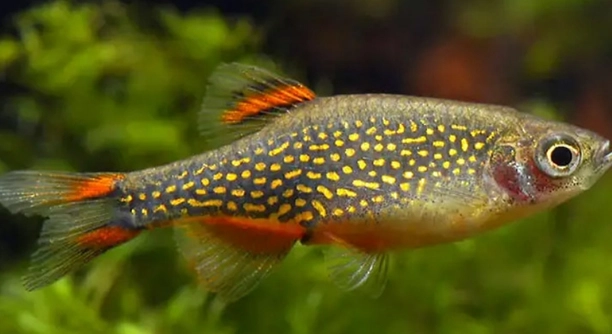
Many animals display behaviors that seem stressful, but these actions often signal something entirely different. These subtle signs can appear when creatures are seeking attention, connection, or potential mates around them in their environment.
Mating behaviors can closely resemble stress responses, creating confusion in observation. Physical agitation, vocalizations, and repetitive movements often indicate reproductive signaling rather than genuine distress, serving as biological mechanisms to attract mates and ensure successful reproduction.
Recognizing these signs can improve understanding of animal interactions and prevent misinterpreting natural behaviors as purely stress-related.
Restlessness and Pacing
Animals often pace or move around rapidly, which can seem like anxiety or stress. This behavior, however, is commonly a sign of mating readiness. They may circle, wander, or shift positions repeatedly as a way to signal interest or availability. Restless movements are sometimes paired with subtle vocalizations or sniffing, showing attention toward potential mates. These actions are natural and instinctive, triggered by hormonal changes during breeding periods. In domestic pets, pacing can appear when they notice another animal outside or sense a change in their environment, creating heightened alertness that mimics tension. Understanding this helps prevent unnecessary worry and ensures responses are appropriate. Observing the context and timing of these movements clarifies whether the behavior is stress-related or reproductive. Ignoring the signs may result in missed opportunities for social bonding or proper mating interactions. Awareness of this pattern can make handling animals easier.
Recognizing pacing as a mating sign rather than stress helps manage their environment more effectively.
Careful observation over time reveals patterns. Animals often repeat these movements at specific times of day, especially during fertile periods. Environmental cues like scents or sounds can increase the frequency of pacing. By noting these signals, one can differentiate between actual stress and mating behavior. Providing space and calm surroundings supports natural expression without misinterpreting agitation as distress. Understanding pacing allows for better interaction and care, making it easier to support animals’ needs while respecting their instincts.
Increased Vocalizations
Animals may make louder or more frequent sounds, which can appear like distress calls.
Vocal signals during mating seasons are a way to communicate readiness and attract mates. These sounds vary by species, ranging from soft chirps to loud howls, and often coincide with specific physical movements. Increased vocalizations are usually periodic and context-specific, often triggered by the presence of other animals or environmental changes. For example, a cat may yowl near a window where another cat is visible, not because it is anxious, but to signal availability. Dogs may bark or whine more during breeding periods, combining sound with body language to express interest. Even small mammals like rabbits or rodents can produce distinct noises that serve reproductive purposes. Misreading these sounds as stress can lead to unnecessary intervention. Recognizing them as part of natural mating behavior allows caretakers to respond calmly, respecting the animals’ signals without disrupting the communication process. Paying attention to patterns and timing helps identify the cause accurately.
Over-Grooming
Over-grooming is often seen as a stress reaction, but in many cases, it is linked to mating behavior. Animals may lick, nibble, or clean themselves excessively to appear more attractive or to release pheromones.
This behavior can look worrisome because fur or skin may appear worn or irritated, but it is usually part of natural reproductive instincts. For example, cats may groom more during heat cycles to enhance their scent and appeal to potential mates. Dogs and small mammals also use grooming to communicate readiness and maintain cleanliness as part of mating rituals. Timing and pattern are key indicators. If the behavior happens consistently during breeding periods and coincides with other mating signs like vocalizations or restlessness, it is more likely reproductive than stressful. Observing these cues together helps distinguish the underlying reason and ensures the animal is not unnecessarily stressed or harmed.
Over-grooming often serves as a subtle communication tool. Animals use it to signal availability and maintain hygiene, reinforcing attraction signals.
Tail and Ear Movements
Tail and ear movements are frequently mistaken for stress. Rapid flicks, swishes, or lifts are often mating-related signals, showing interest or readiness.
These physical cues are important in animal interactions. Dogs may wag tails in specific patterns when encountering potential mates, and cats may twitch ears while scanning for stimuli. Small mammals use similar gestures to signal receptiveness or assert presence. Subtle differences in movement indicate intent; quick, frequent motions suggest excitement rather than anxiety. Recognizing these distinctions prevents misinterpretation. Observing both body language and environmental context clarifies whether an animal is stressed or engaging in reproductive behavior. By understanding these movements, caretakers can respond appropriately, providing space without interfering with natural mating communication.
Tail and ear gestures are often paired with other reproductive behaviors. Combined with sounds or restlessness, they create a clear signal that animals are interacting with potential mates. Monitoring these patterns allows for accurate interpretation of behavior.
Changes in Appetite
Animals may suddenly eat more or less, which can look like stress, but it often signals mating readiness. Hormonal changes influence hunger, making them seek more energy or become selective about food.
Fluctuations in appetite are usually temporary and align with breeding cycles. Observing the timing helps distinguish natural mating behavior from health concerns.
Scent Marking
Scent marking increases during mating periods. Animals use urine, glands, or rubbing to leave chemical signals for potential mates. This behavior communicates presence, fertility, and reproductive status to others in the area.
Resting Patterns
Changes in sleep or rest routines may occur during mating phases. Animals might nap less or choose unusual resting spots to stay alert for opportunities.
Why does my pet seem anxious but shows mating behaviors?
Sometimes behaviors that appear anxious, like pacing or restlessness, are actually signs of mating readiness. Hormonal changes can make animals more alert and active. They may circle, vocalize, or groom excessively to communicate availability. Context is key—these actions often occur around other animals, during specific seasons, or at times of heightened reproductive drive. Observing patterns over several days or weeks helps distinguish between stress and reproductive behavior.
How can I tell the difference between stress and mating signals?
Stress behaviors are usually triggered by fear, discomfort, or environmental changes and may include hiding, trembling, or refusing food. Mating signals, on the other hand, often include repeated, predictable behaviors like vocalizations, scent marking, and over-grooming, which are linked to reproduction rather than fear. Timing and context matter: if the behavior coincides with the presence of other animals or breeding cycles, it is more likely mating-related. Watching body language and environmental triggers helps clarify the reason behind actions.
Are vocalizations always a sign of stress?
Not always. Increased vocalizations can indicate reproductive readiness. Cats may yowl, dogs may whine or bark, and small mammals produce distinct noises to attract mates. These vocal signals are usually consistent, patterned, and linked to the presence of other animals or specific times of day. In contrast, stress-induced vocalizations are often erratic, loud, and accompanied by defensive or fearful body language. Understanding the context of the sounds is essential to avoid misinterpreting natural reproductive communication as stress.
Why does my animal groom so much suddenly?
Over-grooming can indicate mating behavior. Animals may lick or clean themselves to release pheromones, enhance appearance, or signal availability. This behavior often occurs during fertile periods and is more noticeable if it coincides with other mating signs like vocalizations, pacing, or tail movements. Grooming related to stress usually occurs in response to fear or anxiety and lacks the reproductive patterns observed during mating cycles. Observing timing and frequency helps differentiate the two.
Is scent marking a form of stress or mating behavior?
Scent marking is primarily a mating-related behavior. Animals use urine, glands, or rubbing to communicate fertility and presence to potential mates. While stress can sometimes increase marking in territorial species, repeated and patterned marking around reproductive periods usually indicates reproductive signaling. Noting when and where animals mark can clarify the intent behind the behavior.
Can changes in appetite signal mating behaviors?
Yes, fluctuations in appetite are often linked to mating cycles. Hormonal changes can make animals eat more to fuel activity or eat less as focus shifts to reproductive interactions. Stress can also impact appetite, but it tends to be more prolonged or linked to environmental triggers, whereas mating-related changes are usually temporary and patterned.
Do tail and ear movements indicate stress or mating interest?
Tail and ear movements are important indicators. Quick flicks, lifts, or swishes often signal excitement or mating readiness. In dogs and cats, these gestures accompany vocalizations and other mating signals. Stress-related movements tend to include low posture, tucked tails, or pinned-back ears. Observing combinations of body language helps interpret intentions accurately.
How should I respond to these behaviors?
When behaviors mimic stress but are mating-related, the best response is patience and observation. Provide space and avoid interrupting natural signaling. Ensure a safe and calm environment while allowing animals to express normal reproductive instincts. Avoid assuming aggression or distress unless accompanied by true fear indicators. Understanding patterns over time helps support healthy interactions without unnecessary interventions.
Are these behaviors harmful to my pet?
Most mating-related behaviors are natural and not harmful if the environment is safe. Over-grooming can cause minor skin irritation, but this is usually temporary. Restlessness, pacing, or increased vocalizations do not pose a risk unless they result in injury or extreme exhaustion. Monitoring and providing appropriate outlets ensures animals remain healthy while expressing natural behaviors.
Can multiple behaviors occur at once?
Yes, animals often show several mating behaviors simultaneously. Restlessness may accompany vocalizations, over-grooming, or scent marking. These combinations increase the clarity of reproductive signaling and reduce the likelihood of misinterpretation. Observing multiple behaviors together provides stronger evidence that actions are mating-related rather than stress-induced.
What if I’m unsure about the behavior?
If the cause of behavior is unclear, tracking patterns over time is helpful. Note timing, triggers, and accompanying behaviors. Consult a veterinarian or animal behaviorist if there are concerns about health, safety, or abnormal intensity. Professional guidance ensures behaviors are interpreted correctly and that animals receive appropriate care.
Do these behaviors occur in all species?
Many mammals display similar mating signals, but intensity and form vary by species. Cats, dogs, rabbits, rodents, and other mammals may all show restlessness, vocalizations, grooming, tail movements, or scent marking, though the exact behaviors differ. Observing species-specific patterns is key to understanding reproductive communication.
How long do these behaviors last?
The duration depends on the species, breeding season, and individual animal. Some behaviors appear for days or weeks, while others are brief but repeated. Recognizing cycles and timing helps distinguish temporary mating behaviors from chronic stress responses. Patterns over time provide clarity.
Can environmental factors influence these behaviors?
Yes, temperature, presence of other animals, and seasonal cues can trigger mating behaviors. Pets may show stronger signals if they sense nearby mates or detect environmental changes. Stress behaviors also respond to the environment, but the triggers are typically fear or discomfort rather than reproductive readiness.
Are there ways to minimize confusion between stress and mating signals?
Careful observation, tracking behavior patterns, and noting context are essential. Comparing behaviors across time and situations helps distinguish mating signals from stress. Awareness of reproductive cycles and environmental influences improves understanding. Maintaining calm, safe spaces supports natural behaviors without misinterpreting them as signs of distress.
Can these behaviors affect social interactions?
Yes, mating behaviors can alter interactions with other animals. Vocalizations, tail and ear movements, and scent marking communicate availability or assert presence. Other animals often respond accordingly, which may appear aggressive or anxious if misread. Understanding reproductive signaling improves management of social interactions.
Is it normal for pets to show multiple signs at once?
Absolutely. Restlessness, vocalizations, and grooming often appear together during mating periods. These behaviors reinforce communication with potential mates and create a consistent signal. Observing multiple signs simultaneously increases accuracy in identifying reproductive behaviors rather than stress.
How can I provide a comfortable environment during these behaviors?
Give animals space to move freely and express natural behaviors. Reduce loud noises or sudden disturbances, and ensure safe areas for rest or exploration. This allows mating behaviors to occur without escalating into stress responses. Providing a predictable, calm environment supports both physical and emotional well-being.
When should I intervene in these behaviors?
Intervene only if there is risk of injury, exhaustion, or self-harm. Normal mating behaviors are instinctive and usually harmless. Over-grooming that causes sores, excessive pacing, or vocalization that stresses others may require mild management. Otherwise, observation and patience are the best approaches.
Can humans misinterpret these behaviors easily?
Yes, many behaviors mimic stress, which can cause confusion. Restlessness, vocalizations, and grooming often look like anxiety. Context, timing, and accompanying signals are crucial for correct interpretation. Observing over time reduces misreading natural reproductive behaviors as signs of distress.
Do these behaviors indicate readiness to mate immediately?
Not necessarily. They signal reproductive readiness or interest, but actual mating depends on environmental cues, the presence of suitable mates, and individual physiology. Behaviors may appear in anticipation or during fertile periods without immediate mating occurring. Recognizing patterns helps understand timing.
Are there preventive measures to manage these behaviors?
Providing enrichment, appropriate social interactions, and observing cycles can reduce confusion or overexcitement. Spaying or neutering can also moderate some mating behaviors, though instinctual signals may still appear. Understanding natural patterns ensures animals remain safe and comfortable.
Do these behaviors vary between males and females?
Yes, males and females often display different signals. Males may show more overt aggression, scent marking, or vocalizations, while females may display grooming, restlessness, or receptive postures. Both sexes use combinations of behaviors to communicate reproductive availability. Observation helps identify sex-specific patterns.
Can these behaviors interfere with daily routines?
Occasionally. Increased vocalizations, pacing, or over-grooming may disrupt feeding, resting, or interaction times. Planning for periods of heightened activity and allowing animals space accommodates natural behaviors without causing unnecessary stress for pets or humans.
Is it possible for these behaviors to continue outside of mating season?
Yes, residual behaviors may persist due to habit, hormonal influence, or environmental triggers. While intensity usually declines, occasional signals can appear, and recognizing the difference from stress is important. Awareness of seasonal and cyclical patterns improves interpretation.
Do younger animals show these behaviors?
Young animals may display early signs of reproductive behavior as they approach sexual maturity. These include mild restlessness, grooming, or vocalizations. Intensity increases with age and hormonal development. Monitoring these behaviors helps manage expectations and care.
Are these behaviors always visible?
Not always. Some mating signals are subtle, like minor tail flicks, faint scent marking, or quiet vocalizations. Careful observation and attention to context reveal these behaviors before they escalate or are misread as stress.
Can observing these behaviors strengthen bonds with pets?
Yes, understanding reproductive signaling allows for better communication and management. Observing behaviors respectfully and providing appropriate spaces supports animals’ instincts while maintaining trust. Recognizing natural patterns reduces worry and strengthens the caretaker-animal relationship.
Do different breeds show variation in these behaviors?
Yes, breed and species differences affect intensity, frequency, and type of signals. Some breeds are more vocal, active, or prone to grooming during mating cycles. Awareness of breed-specific tendencies aids in correct interpretation and care.
Is professional advice necessary for these behaviors?
It can be helpful if behaviors are extreme, harmful, or confusing. Veterinarians or animal behaviorists can clarify whether actions are normal reproductive behaviors or signs of stress. Professional input ensures animals remain healthy and safe.
Are these behaviors instinctive or learned?
They are primarily instinctive, guided by hormones and reproductive cycles. Some behaviors may be influenced by experience or environment, but the core signals are natural and hardwired for reproduction. Observation and context confirm instinctual patterns.
Do these behaviors indicate fertility status?
Yes, many signals correspond to fertile periods. Vocalizations, scent marking, restlessness, and grooming often peak when the animal is most receptive to mating. Monitoring timing provides insight into reproductive cycles.
Can these behaviors appear in single-pet households?
Yes, animals may still display mating-related behaviors even without immediate mates nearby. Signals can be triggered by scents, memories, or environmental cues, showing instincts persist despite isolation.
Do these behaviors pose health risks?
Generally no, if the environment is safe. Minor skin irritation from grooming or temporary fatigue from restlessness is typical. Risks arise only if behaviors are excessive or coupled with poor care, which can be managed through observation and intervention when needed.
How can I track these behaviors effectively?
Use notes or a simple calendar to record timing, triggers, and frequency. Observing multiple signs together over days or weeks provides a clear picture of patterns. Tracking helps differentiate mating behaviors from stress or health issues.
Can these behaviors affect interactions with other pets?
Yes, increased vocalizations, restlessness, or marking can influence other animals. Some may respond with aggression, fear, or mimicking behaviors. Understanding these are mating signals prevents unnecessary conflict and helps manage multi-pet households.
Do these behaviors stop naturally after mating periods?
Yes, intensity usually decreases once the breeding season or fertile period ends. Residual behaviors may linger briefly, but patterns generally return to normal. Observing cycles helps predict timing and reduce misinterpretation.
Is it normal for animals to show multiple signs simultaneously?
Absolutely. Restlessness, vocalizations, grooming, and tail or ear movements often occur together, reinforcing reproductive signals. Observing multiple behaviors simultaneously increases accuracy in distinguishing mating behaviors from stress.
Can environmental enrichment reduce confusion in these behaviors?
Providing space, stimulation, and predictable routines allows natural behaviors to occur safely. Enrichment can reduce frustration or overexcitement while respecting reproductive instincts. Understanding patterns ensures proper care without misinterpreting signals.
Are these behaviors predictable?
Yes, many behaviors follow cycles, such as breeding seasons or fertile periods. Timing, triggers, and repetition make patterns observable. Tracking and awareness allow better interpretation and care planning.
Do these behaviors require special handling?
Not usually, unless intensity leads to minor injuries, exhaustion, or stress. Most mating behaviors are natural and safe when animals have space and a calm environment. Observation and context guide proper responses.
How do I distinguish between normal and abnormal behaviors?
Normal mating behaviors are patterned, predictable, and context-specific. Abnormal signs include aggression without reason, self-harm, extreme lethargy, or prolonged distress. Observation, knowledge of cycles, and professional consultation help differentiate them effectively.
Can these behaviors appear in older animals?
Yes, older animals may show mating behaviors, though frequency and intensity often decrease. Hormonal changes, past experience, and environment influence expression. Awareness of age-related patterns aids in correct interpretation.
Do these behaviors indicate sexual maturity?
Often yes. Restlessness, vocalizations, grooming, and marking increase as animals reach sexual maturity. Timing and intensity vary, but these behaviors are reliable indicators of reproductive development.
Can neutering or spaying reduce these behaviors?
Yes, surgical sterilization usually lowers frequency and intensity of mating behaviors, though instinctual signals may persist. Timing, age, and species influence outcomes. Monitoring post-surgery ensures animals remain healthy and behavior is manageable.
Do these behaviors impact daily care routines?
Occasionally. Increased vocalizations, restlessness, or grooming may temporarily affect feeding, resting, or interaction times. Planning for heightened activity and providing safe spaces accommodates natural behaviors without causing stress to animals or humans.
Is it normal for animals to mimic stress during mating periods?
Yes, many mating behaviors look like stress, such as pacing, vocalizations, or over-grooming. Context, timing, and combination with other reproductive signals are key to correct interpretation. Observing patterns over time reduces misinterpretation and supports proper care.
How can I support my animal during these behaviors?
Provide calm environments, space for expression, and observe patterns without unnecessary intervention. Ensuring safety, comfort, and proper resources allows natural reproductive behaviors to occur without escalating into actual stress. Monitoring and understanding these behaviors strengthens care and communication.
Can these behaviors vary daily?
Yes, intensity may fluctuate based on environmental cues, social interactions, or hormone cycles. Tracking over time reveals patterns and helps differentiate normal reproductive signals from stress or illness. Awareness allows for more accurate interpretation and management of natural behaviors.
Do these behaviors affect long-term health?
Generally no, if animals have a safe environment and adequate care. Minor over-grooming or restlessness is temporary. Ensuring space, proper nutrition, and calm surroundings supports both physical and emotional well-being while allowing natural mating behaviors.
Are these behaviors more noticeable in some animals than others?
Yes, species, breed, and individual temperament influence how behaviors appear. Vocal or active breeds may display mating behaviors more prominently, while others show subtler signs. Awareness of these differences aids accurate interpretation.
Do these behaviors require veterinary attention?
Only if behaviors become extreme, harmful, or persistent outside normal reproductive cycles. Otherwise, observation and understanding cycles are sufficient. Consultation ensures health and proper management without unnecessary interventions.
How can I educate others about these behaviors?
Sharing observations, patterns, and context helps others understand that what appears as stress may actually be reproductive behavior. Explaining species-specific signals, timing, and triggers improves care and reduces misinterpretation. Awareness promotes safe and respectful handling.
Are these behaviors temporary or ongoing?
Mostly temporary, linked to reproductive cycles or mating seasons. Some residual behaviors may continue, but intensity usually decreases. Recognizing cycles helps anticipate patterns and distinguish natural behaviors from stress.
Do these behaviors indicate social hierarchy or dominance?
Sometimes, as mating signals can overlap with displays of status. Vocalizations, scent marking, and posturing may communicate both readiness and dominance, depending on species and context. Observing the full pattern helps clarify purpose.
Can human interaction influence these behaviors?
Yes, presence, handling, or attention can amplify or suppress signals. Calm and consistent interaction allows animals to express natural behaviors without confusion or stress. Understanding human impact ensures behaviors remain safe and normal.
Do environmental changes trigger these behaviors?
Yes, new animals, changes in territory, or seasonal shifts can stimulate mating behaviors. Stress and mating signals may look similar, but context and combination with other behaviors clarify the cause. Observing patterns ensures accurate interpretation.
Are these behaviors consistent across seasons?
Mostly seasonal, with peaks during fertile periods or breeding cycles. Some behaviors may appear off-season due to residual hormones or environmental triggers, but intensity is usually lower than during peak times.
Can these behaviors interfere with training or routines?
Occasionally. Increased restlessness, vocalizations, or grooming may disrupt feeding, play, or training sessions. Adjusting schedules, providing outlets, and allowing space helps maintain routines without interfering with natural reproductive behaviors.
Do these behaviors indicate reproductive health?
Often, as regular mating behaviors suggest hormonal balance and fertility. Irregular or absent signals may indicate health issues, which should be evaluated by a veterinarian. Observing natural cycles aids in monitoring reproductive wellness.
Can observing these behaviors improve pet care?
Yes, understanding natural reproductive signals helps manage expectations, reduce stress, and provide appropriate support. Awareness allows for safe environments, proper nutrition, and respectful interaction while accommodating instinctual behaviors.
Are these behaviors always easy to spot?
No, subtle signals like minor ear twitches, brief vocalizations, or slight grooming may go unnoticed. Careful observation, timing, and context reveal patterns that distinguish mating behaviors from stress.
Do these behaviors change with age?
Yes, younger animals may show emerging signals, while older animals often display reduced intensity. Hormonal shifts, experience, and physical condition influence frequency and prominence of behaviors. Monitoring age-related patterns improves interpretation.
Can these behaviors cause conflict between pets?
Yes, vocalizations, marking, or restlessness may trigger reactions in other animals, including aggression or avoidance. Understanding mating signals helps prevent misunderstandings and maintains harmony in multi-pet households.
Is it normal for pets to show signs even without a mate?
Yes, instinctual behaviors persist even in single-pet environments. Scent marking, grooming, or vocalizations can occur in response to environmental cues, memory, or residual hormones, reflecting natural reproductive instincts.
Do these behaviors indicate the best time for breeding?
They can indicate fertile periods and readiness, but actual breeding depends on multiple factors, including timing, mate availability, and health. Observing patterns helps identify optimal periods without assuming immediate mating readiness.
Are these behaviors influenced by diet or nutrition?
Nutrition can affect energy levels, stamina, and overall health
Animals display behaviors that often look like stress but are actually related to mating. These behaviors are natural and instinctive, shaped by hormones, reproductive cycles, and environmental cues. Actions such as pacing, over-grooming, vocalizations, tail and ear movements, and changes in appetite can all be linked to mating signals rather than anxiety or fear. Observing the context, timing, and combination of these behaviors helps clarify whether an animal is experiencing stress or expressing reproductive readiness. For example, a cat that yowls and paces near a window is likely signaling availability rather than being upset. Similarly, a dog that suddenly grooms more or becomes restless during a certain time of year may be following natural reproductive cycles. Understanding these behaviors allows caretakers to respond appropriately, providing space and calm environments while avoiding unnecessary interventions.
It is important to pay attention to patterns over time when evaluating these behaviors. Mating-related actions are often predictable and occur in specific contexts, such as the presence of other animals, environmental triggers, or particular times of day or year. Stress behaviors, by contrast, tend to be more random or linked to changes in the environment that create fear or discomfort. By recording behaviors and noting when they happen, caretakers can distinguish between normal reproductive signals and true stress. This knowledge can also help manage multi-pet households, as recognizing mating behaviors prevents misinterpretation and reduces conflict between animals. For instance, repeated scent marking, vocalizations, or restlessness may appear aggressive to another pet, but understanding the intent allows for proper management. Observing carefully over days and weeks provides the clearest picture of what is normal for each individual animal.
Recognizing mating behaviors and understanding their natural purpose improves both animal welfare and the relationship between pets and their caretakers. Providing safe spaces, calm surroundings, and opportunities for natural expression ensures that animals can communicate their reproductive readiness without being misread as stressed or anxious. In addition, being aware of these behaviors allows for better planning around feeding, interaction, and rest periods, reducing the risk of frustration or minor injuries caused by overexcitement. While some behaviors, such as over-grooming or pacing, may appear concerning at first, knowing that they are instinctual and temporary provides reassurance. Caretakers who understand these signals can support the animals’ natural instincts while maintaining a safe, calm environment. Awareness of mating behaviors ultimately leads to more effective care, reduces misunderstandings, and fosters a respectful, informed approach to managing animals’ needs.

Hello,
If you enjoy the content that we create, please consider saying a "Thank You!" by leaving a tip.
Every little bit helps us continue crafting quality advice that supports the health, happiness, and well-being of pets around the world, for pets of all shapes, sizes, and species.
We really appreciate the kindness and support that you show us!